Unlock Energy Savings with 2025 Attic Retrofits
Rising utility bills surprise many homeowners, but the attic holds untapped potential for efficiency gains. This area above living spaces affects heating and cooling more than most people recognize. Strategic retrofits here reduce costs, improve comfort, and strengthen home performance overall.
Key Benefits and Retrofit Choices
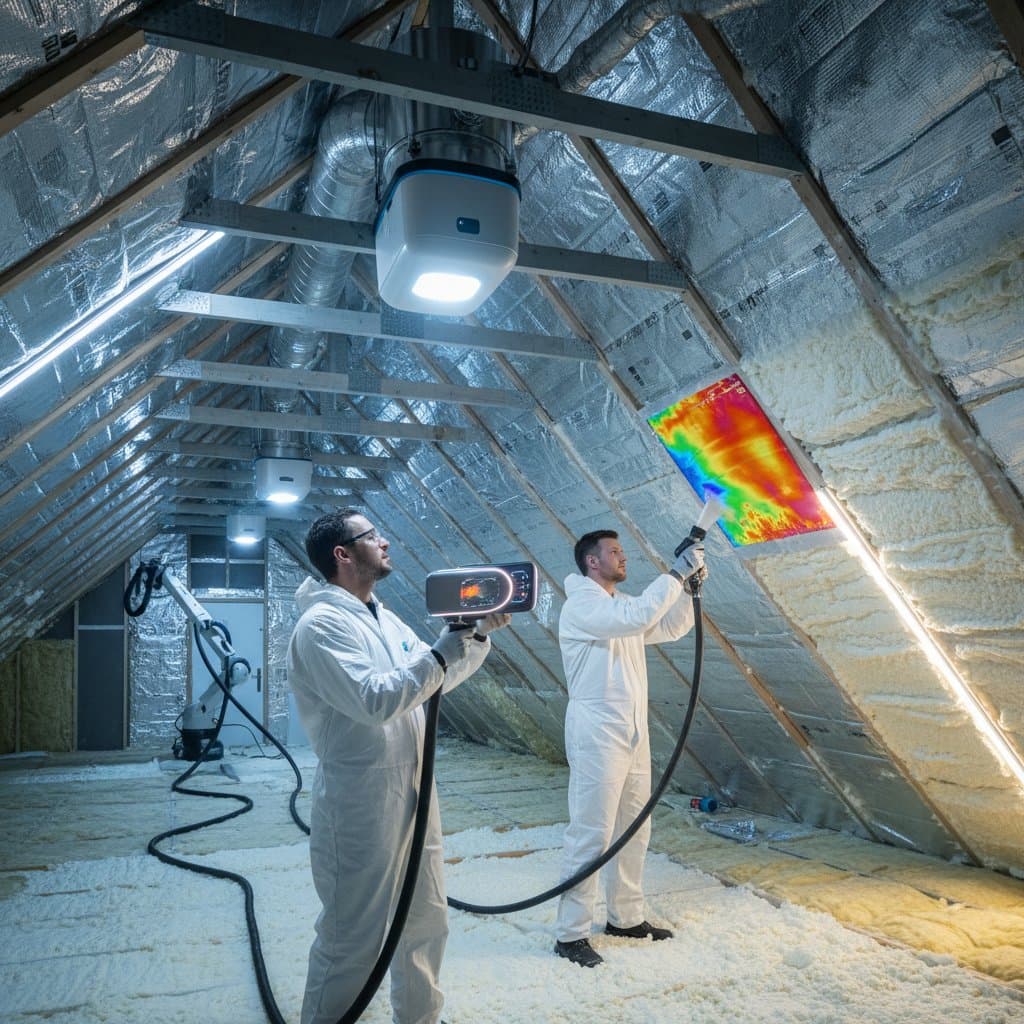
Properly installed attic retrofits, including sealing, cut energy bills by up to 30 percent. Spray foam insulation leads as the top option for excellent thermal control and airtight seals. Use infrared thermal imaging to spot energy leaks before committing to upgrades. Reflective barriers and smart ventilation systems add layers of temperature management for greater efficiency. Energy programs offer rebates that offset 20 to 50 percent of installation costs.
Diagnose Problems Using Thermal Imaging
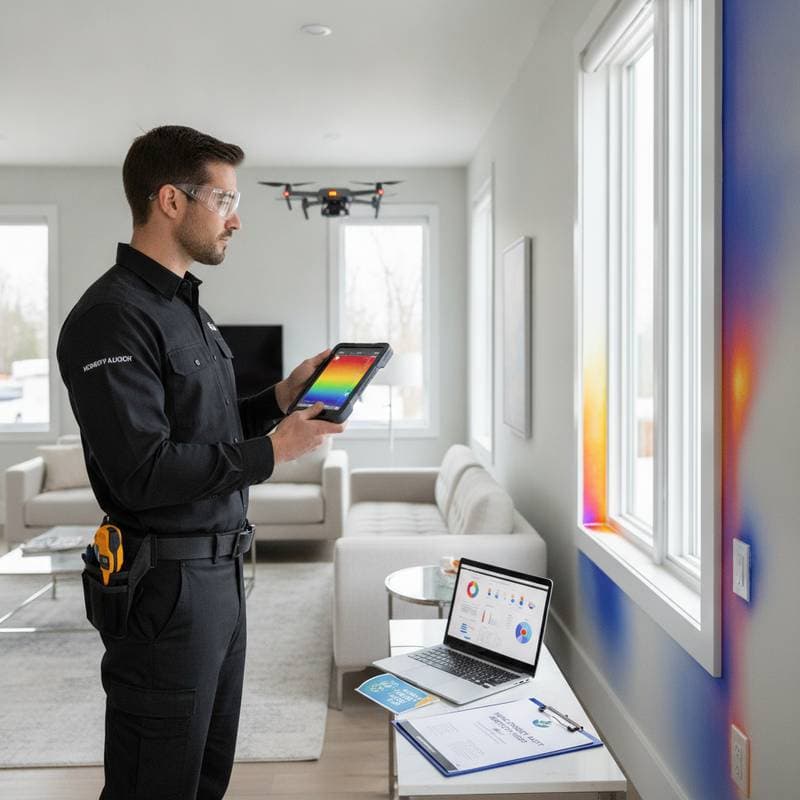
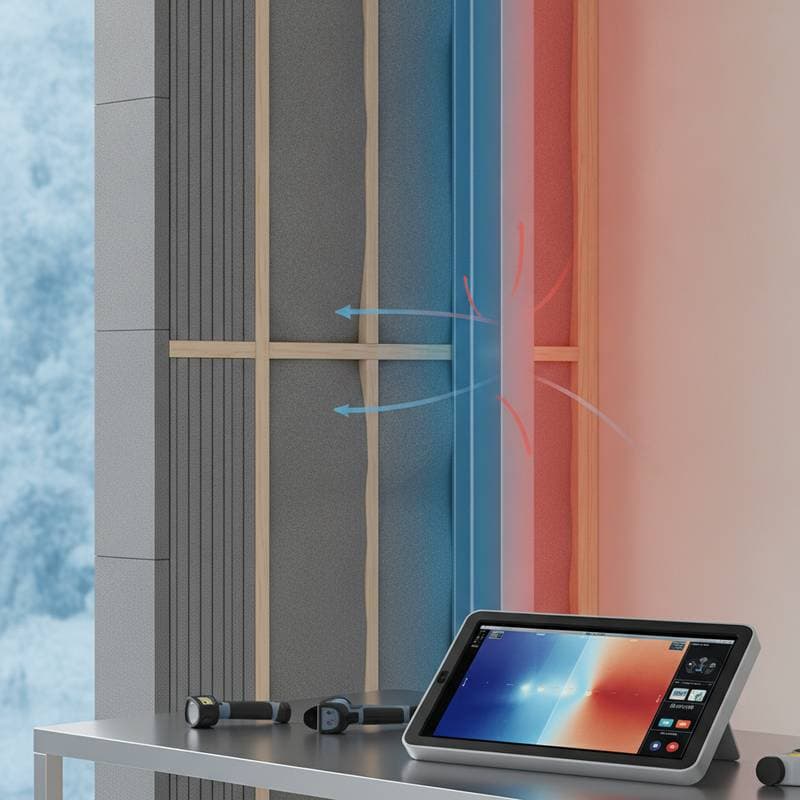
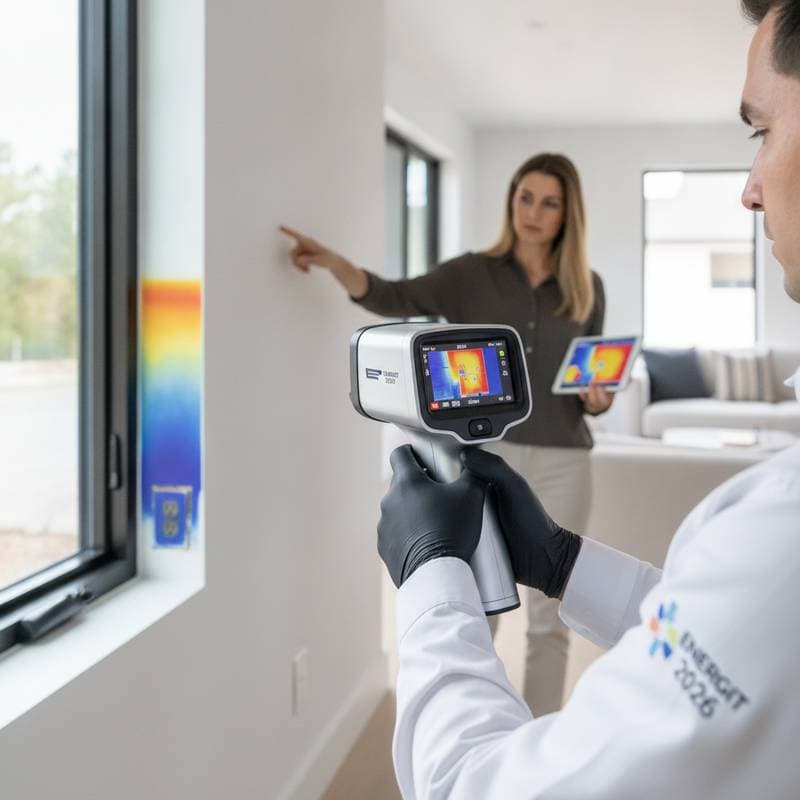
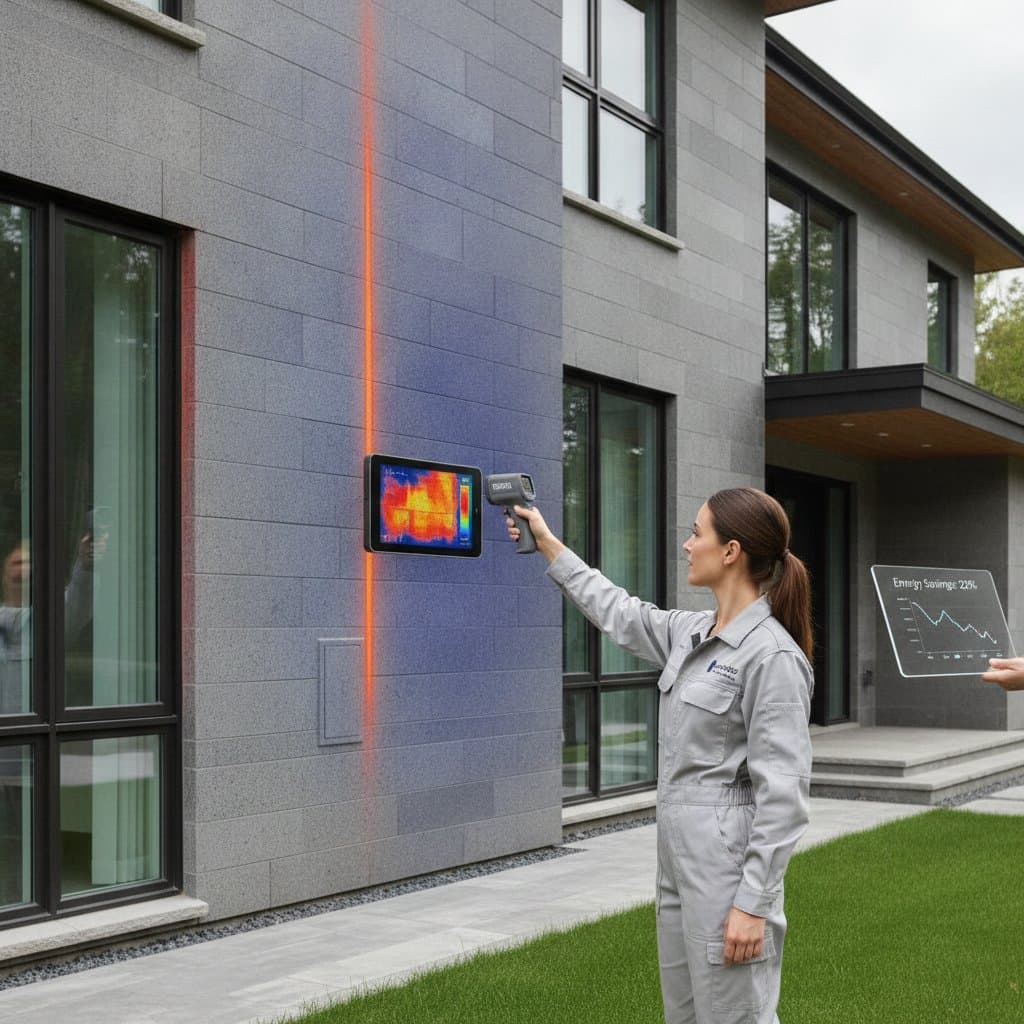
Successful retrofits start with accurate assessments, not guesses. Energy auditors use infrared thermal imaging to reveal temperature differences across attic surfaces. These tools expose heat loss in winter and heat gain in summer.
A basic thermal scan costs $200 to $400. This step identifies hidden inefficiencies that could waste money over time. Once issues surface, choose insulation types and methods suited to the home's unique structure.
Explore Blown-In Cellulose and Hybrid Insulation
For cost-conscious homeowners, blown-in cellulose provides a reliable choice. Made from recycled paper treated for fire resistance, it achieves an R-value of about 3.7 per inch. Install it to sufficient depth with complete air sealing to match pricier materials at lower expense.
Hybrid systems gain traction in 2025. They layer spray foam for sealing under cellulose or fiberglass for bulk insulation. This approach balances cost and performance, saving 15 to 25 percent over full spray foam while delivering 85 percent of its effectiveness.
Boost Performance with Reflective Barriers and Ventilation
Attic enhancements go beyond basic insulation. Reflective radiant barriers, featuring aluminum foil coatings, block up to 97 percent of radiant heat. In sunny climates, they prevent roof heat from raising attic temperatures. Paired with insulation, these barriers drop attic heat by as much as 30 degrees Fahrenheit.
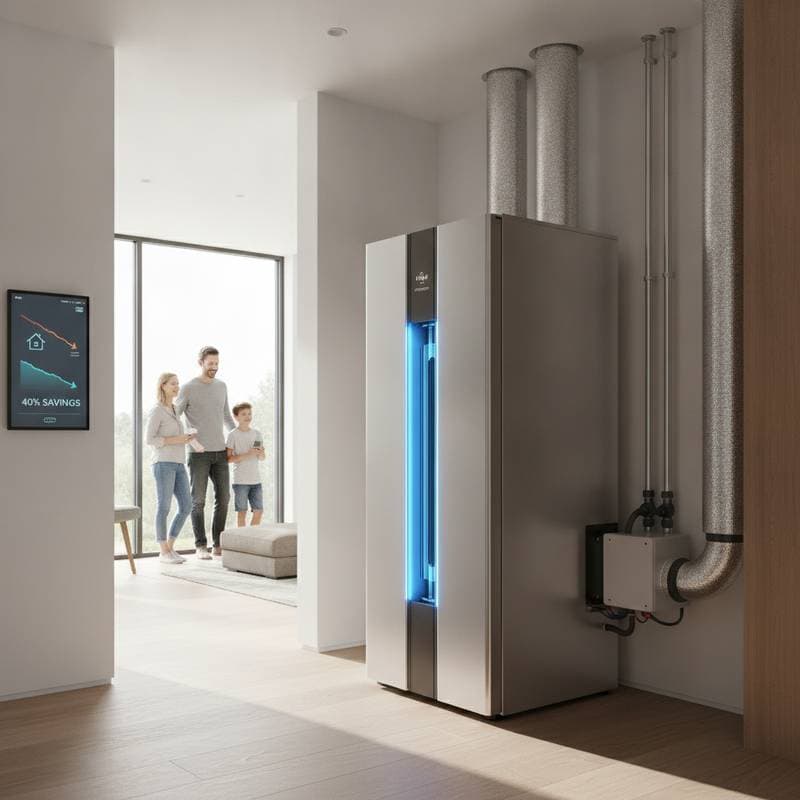
Modern ventilation features smart attic fans equipped with sensors for temperature and humidity. These fans adjust airflow automatically using efficient brushless motors. Benefits include low energy draw, extended roof life, and preserved insulation through better moisture management.
Assess Costs, Incentives, and Payback
Expect to spend $2,000 to $10,000 on a complete attic retrofit, depending on materials and space size. Energy audits show these changes save 20 to 30 percent on heating and cooling bills. Sealing and insulating create a solid thermal barrier for the home.
Utilities and energy agencies provide rebates for eligible work like insulation, sealing, and audits. Low-interest loans support these projects as well. Incentives often reduce payback time to less than three years.
Take Action on Your Attic Upgrade
Start with a professional energy audit to evaluate the current attic condition. This review highlights priorities and directs spending effectively. Hire certified contractors skilled in attic work for dependable outcomes.
- Schedule the audit and review findings.
- Select materials based on recommendations.
- Oversee installation and verify sealing.
- Monitor bills and comfort post-upgrade.
After the work, monitor utility bills and indoor temperatures for months. Track improvements in comfort and reductions in costs to measure success. Perform annual checks on vents to maintain efficiency.
Achieve Lasting Comfort and Savings
Attic retrofits build home efficiency with focused insulation, sealing, and ventilation. These steps yield quick financial returns and enduring environmental gains. Prioritize this upgrade for a more efficient, comfortable home.