Key Points
- Ground source heat pumps lower heating costs by up to 65% through efficient heat exchange with stable underground temperatures.
- Long-term savings recover installation costs in a few years.
- Peak performance requires accurate sizing, local soil assessment, and professional installation.
- Government incentives and rebates make this sustainable option more affordable for homeowners.
Experience Sustainable Comfort
Picture returning home on a chilly evening to consistent, gentle warmth drawn from the earth's reliable temperatures. No noisy furnace or rising energy bills disrupt the peace; instead, you enjoy reliable climate control. As a green building specialist with years of hands-on experience, I have seen ground source heat pumps transform standard homes into models of energy efficiency and environmental balance. If you face unpredictable heating costs or inconsistent indoor temperatures, this technology offers a practical path to sustainable upgrades.
The Rising Costs of Conventional Heating
Many homeowners rely on fossil fuel systems that fluctuate with energy market prices and lose efficiency over time. In areas with severe winters, these systems can increase bills by more than 50% during peak demand. Traditional furnaces also release carbon dioxide, contributing to climate change. From numerous site evaluations, I have noted that even well-maintained units lose up to 40% of generated heat through duct leaks and inefficient combustion.
How Ground Source Heat Pumps Provide Superior Efficiency
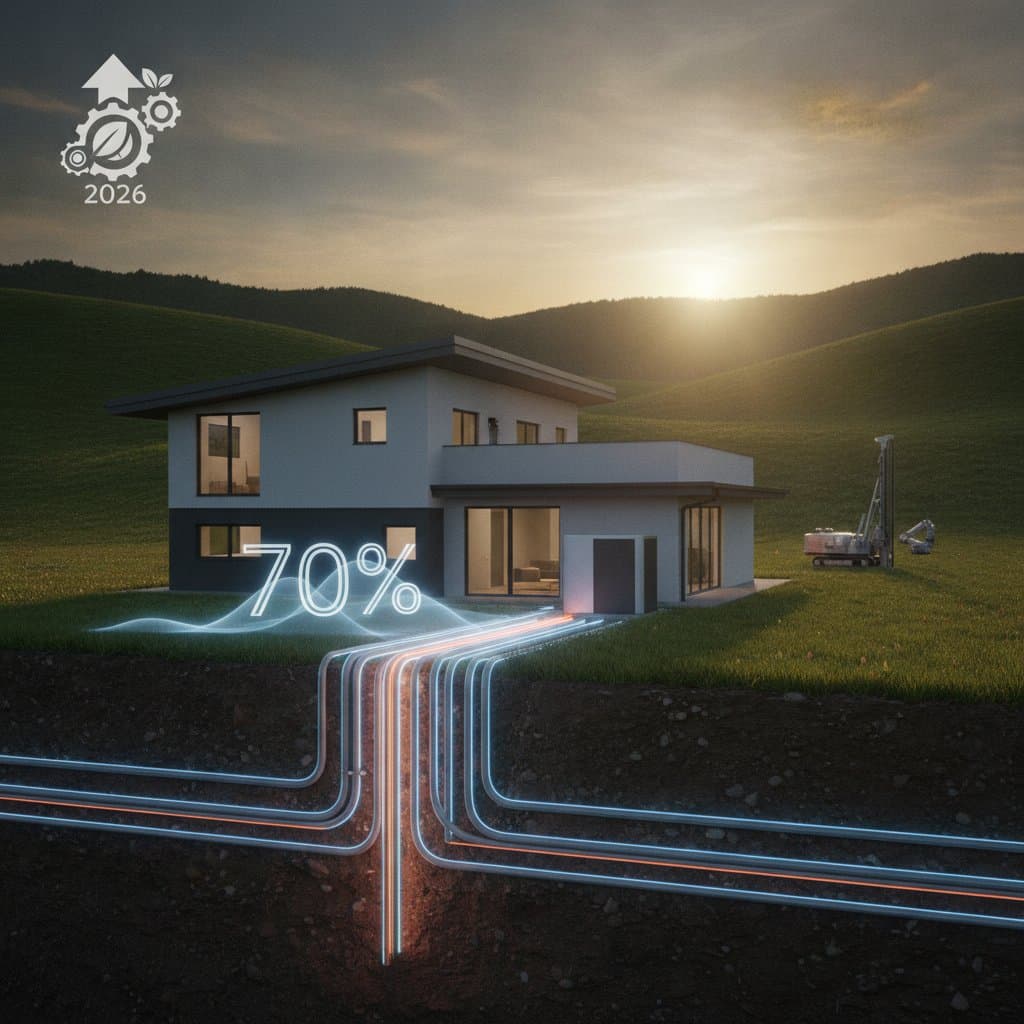
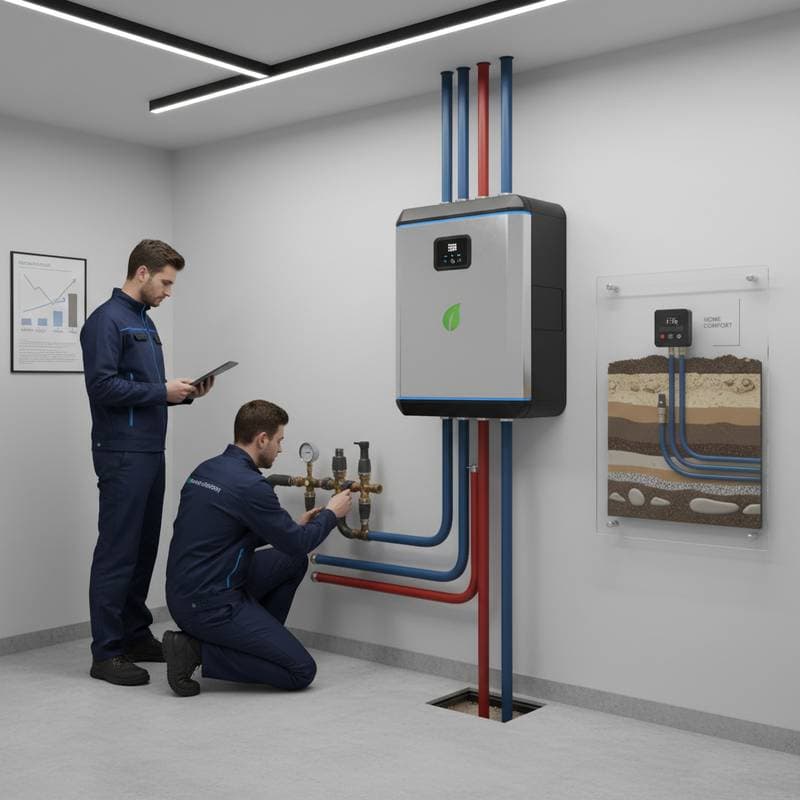
Ground source heat pumps use the earth's steady underground temperatures to regulate indoor climate. Unlike air-source systems that battle changing outdoor air, these pumps pull heat through ground loops buried below the surface. This approach uses far less electricity, delivering significant savings year-round.
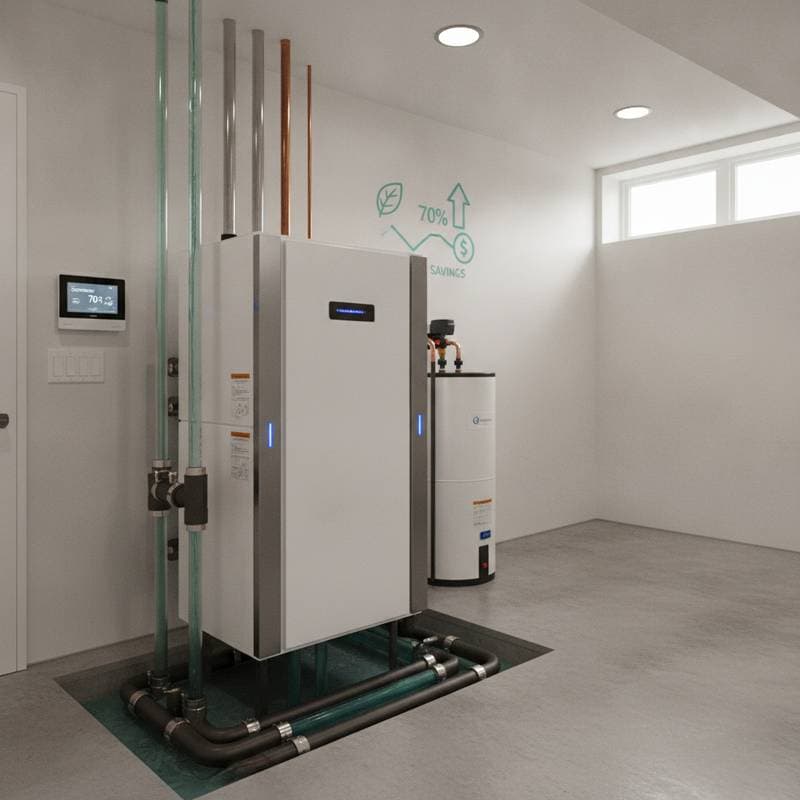
A properly designed ground source heat pump cuts heating costs by about 65% compared to conventional systems. The process relies on thermal exchange: the pump moves heat from the ground into the home in winter, operating like an inverted refrigerator. As a result, you receive steady heating in cold weather and effective cooling in summer, with minimal energy waste. This versatility boosts value, often achieving efficiencies over 400% for both functions.
Steps to Maximize System Performance
1. Conduct a Thorough Site Assessment
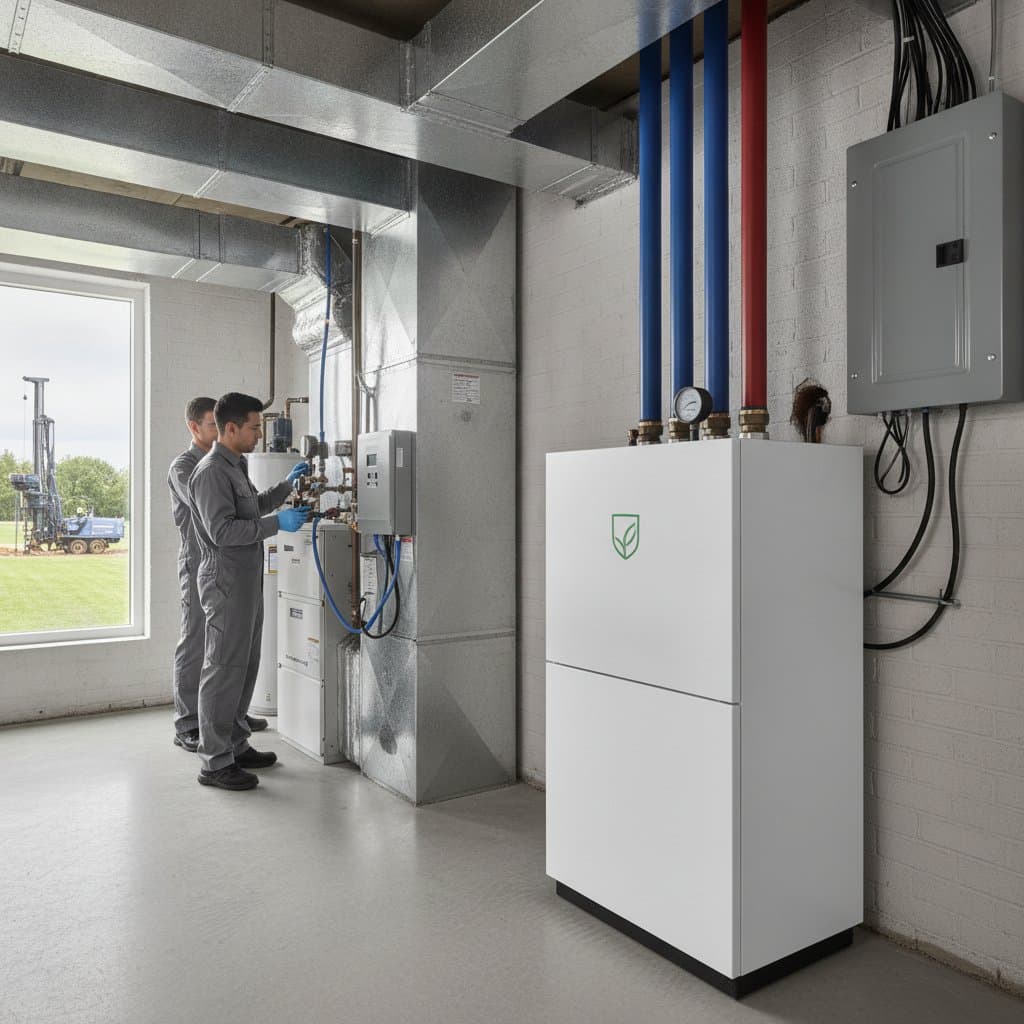
Before installation, hire experts to examine soil type and water movement. Elements like moisture levels, soil density, and available land shape the loop design. Homes with large yards suit horizontal loops, while vertical boreholes work well for compact urban sites.
2. Choose the Right System Type
- Closed-loop systems: Ideal for stable climates, these circulate fluid in sealed pipes with low maintenance needs.
- Open-loop systems: These use groundwater sources and demand strong filtration plus permits to avoid pollution.
- Hybrid systems: Combine geothermal loops with additions like solar panels or radiant floors to improve performance in diverse weather.
3. Size the System Correctly
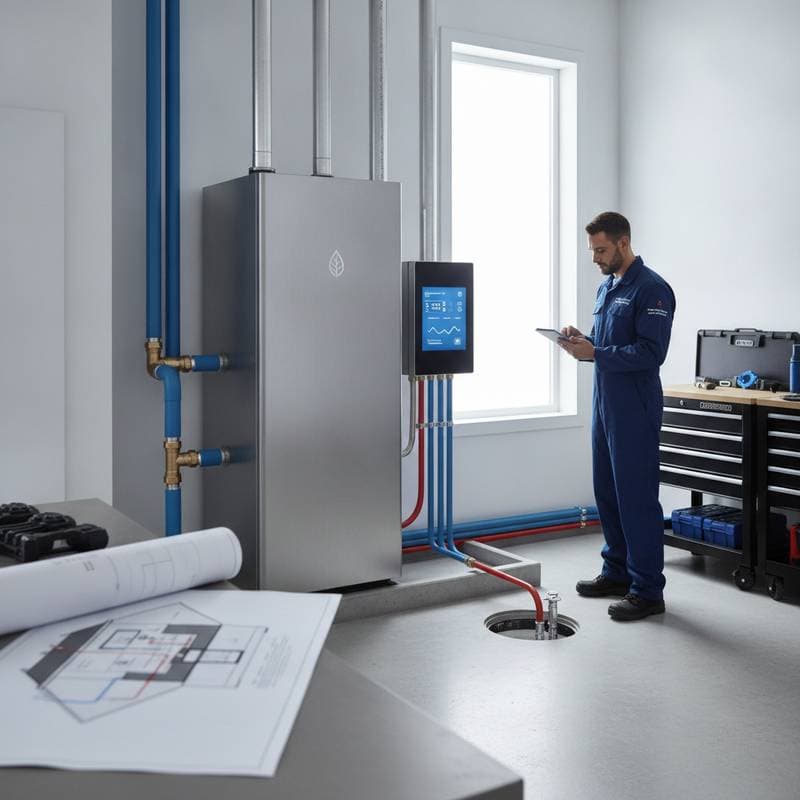
Oversized or undersized units reduce efficiency and raise costs. Professionals should use Manual J calculations to match capacity to your home's needs, considering insulation, windows, and daily use.
4. Add Smart Controls
Install programmable thermostats and zone controls to fine-tune energy use by room. These tools avoid excess operation, ensure even comfort, and reduce component stress.
5. Schedule Regular Maintenance
Arrange yearly inspections to check fluid flow, loop condition, and compressor health. Consistent care maintains high efficiency and extends lifespan to 25 years or longer, surpassing traditional systems.
Important Considerations for Homeowners
Installation costs range from $15,000 to $35,000, depending on home size, soil quality, and loop style. The upfront investment pays off quickly, with 50% to 70% annual energy savings recouping expenses in 5 to 10 years. These systems deliver coefficients of performance between 300% and 500%, meaning three to five units of heat or cooling per unit of electricity.
Beyond finances, federal and state programs offer tax credits, grants, and low-interest loans that cut net costs by 20% to 40%. Check with local utilities or energy offices for eligibility, along with zoning and permit requirements. Pairing the system with upgrades like better insulation or efficient windows increases overall benefits.
Plan for Energy Independence
Ground source heat pumps deliver stable energy costs and a reduced environmental impact. Reach out to a certified expert through our network for a free site evaluation. They will review your property, provide accurate estimates, and design a tailored plan to meet your goals. With expert guidance, your home becomes a leader in renewable energy and lasting comfort.
Frequently Asked Questions
What sets ground source heat pumps apart from air-source models?
Ground source systems tap into constant earth temperatures for heat transfer, offering greater efficiency and lower costs than air-source pumps, which depend on shifting outdoor air. They excel in extreme weather where air temperatures vary greatly.
How long does the installation process last?
Projects typically take 1 to 4 weeks, based on loop design and site challenges. Horizontal loops involve digging time, but vertical options fit tight spaces despite drilling.
Do ground source heat pumps work for every home?
They thrive in properties with sufficient land or water access, though options exist for different setups. An expert evaluation confirms suitability based on soil and energy demands.
What ongoing maintenance do they need?
Basic care includes yearly filter replacements and fluid inspections, with comprehensive checks every 2 to 3 years. Homeowners manage simple tasks, while professionals handle detailed repairs to keep efficiency high.