Key Points
- Geothermal heat pumps use stable underground temperatures to provide efficient heating and cooling.
- Homeowners can reduce energy costs by 40 to 70 percent compared to traditional systems.
- Initial installation costs are higher than those of conventional options, but long-term savings and available incentives provide strong returns.
- These systems last for decades with minimal maintenance, making them solid long-term investments.
- Geothermal solutions work for both new builds and retrofits, as long as site evaluations inform the design.
The Quiet Revolution Beneath Your Feet
Imagine stepping into your home on a chilly morning and feeling immediate warmth that uses only a fraction of usual heating costs. No noisy outdoor units or fuel deliveries disrupt the peace; comfort comes silently from the earth's steady temperatures. Geothermal heat pumps make this possible, reshaping how people think about heating, cooling, and long-term energy efficiency.
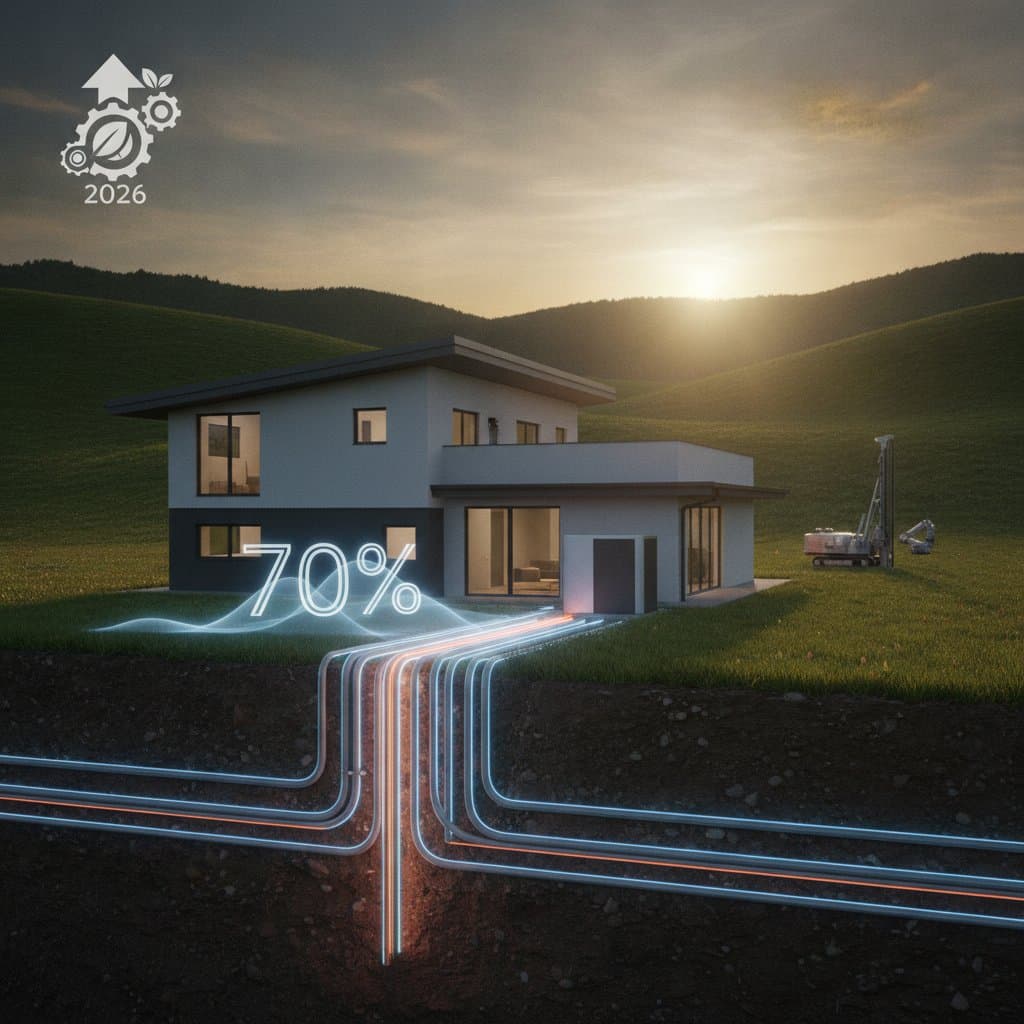
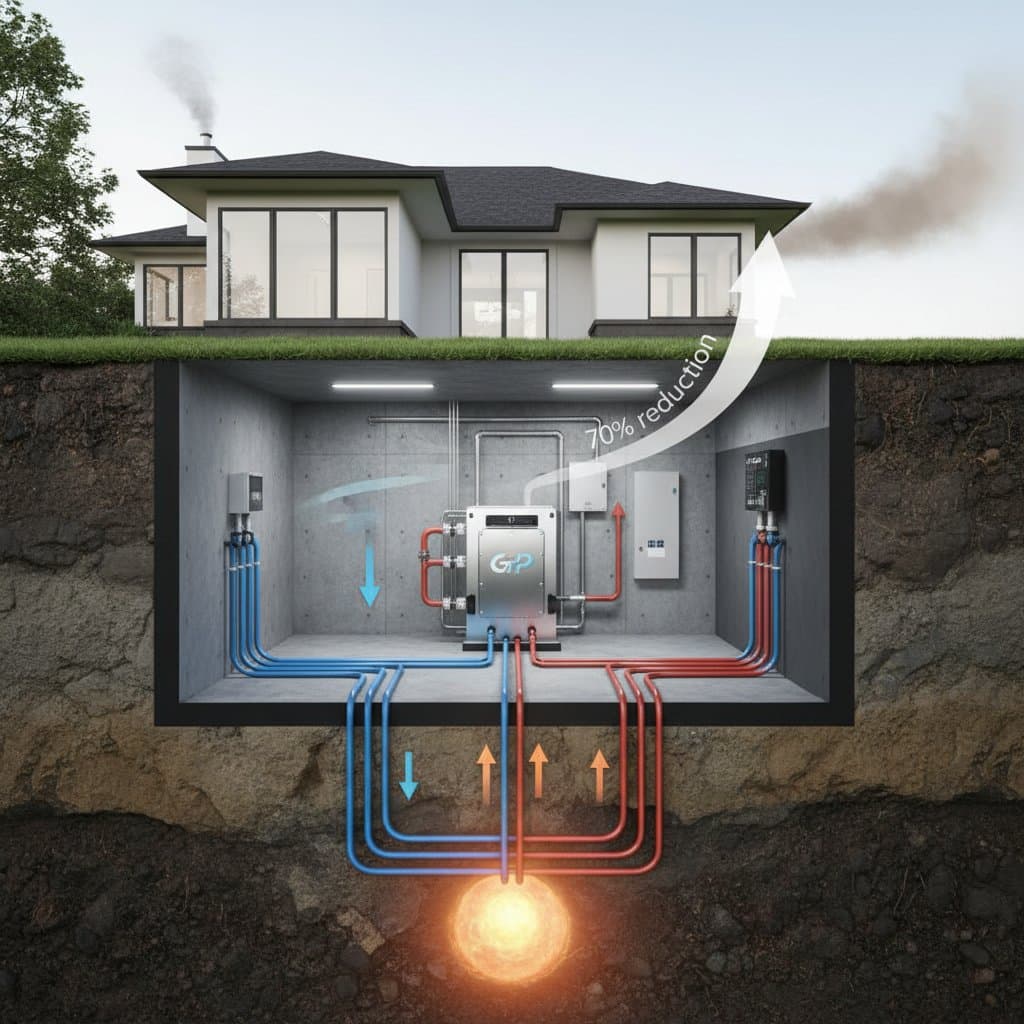
Renewable energy sources often bring to mind solar panels on rooftops or wind turbines in open fields. Yet the ground beneath every home holds an endless supply of energy. Geothermal systems pull heat from just a few feet below the surface, where temperatures remain constant year-round, allowing easy movement of energy into or out of the home as needed.
Why Geothermal Matters for Homeowners
Efficiency stands out as a key priority for homeowners, both for financial reasons and environmental impact. Rising utility prices, stricter building regulations, and growing awareness of carbon emissions drive the need for reliable alternatives. Geothermal technology offers a steady path to lower bills and higher home value.
Unlike furnaces that create heat, geothermal heat pumps simply move it between the ground and indoor spaces. This approach produces up to four units of energy for every one unit of electricity consumed. Such efficiency often cuts costs by more than 50 percent compared to standard systems.
Comfort improves with even temperatures and controlled humidity throughout the home. Hot or cold spots, common in air-based systems, disappear. For homeowners planning to stay long-term, this combination of savings and livability provides real value.
The Mechanics of Underground Efficiency
At the heart of the system is a network of underground pipes filled with heat-transfer fluid. Designs vary based on site conditions:
- Vertical loops use deep wells, ideal for small lots.
- Horizontal loops run through shallow trenches, suitable for larger properties.
- Pond or lake loops draw from nearby water bodies when available.
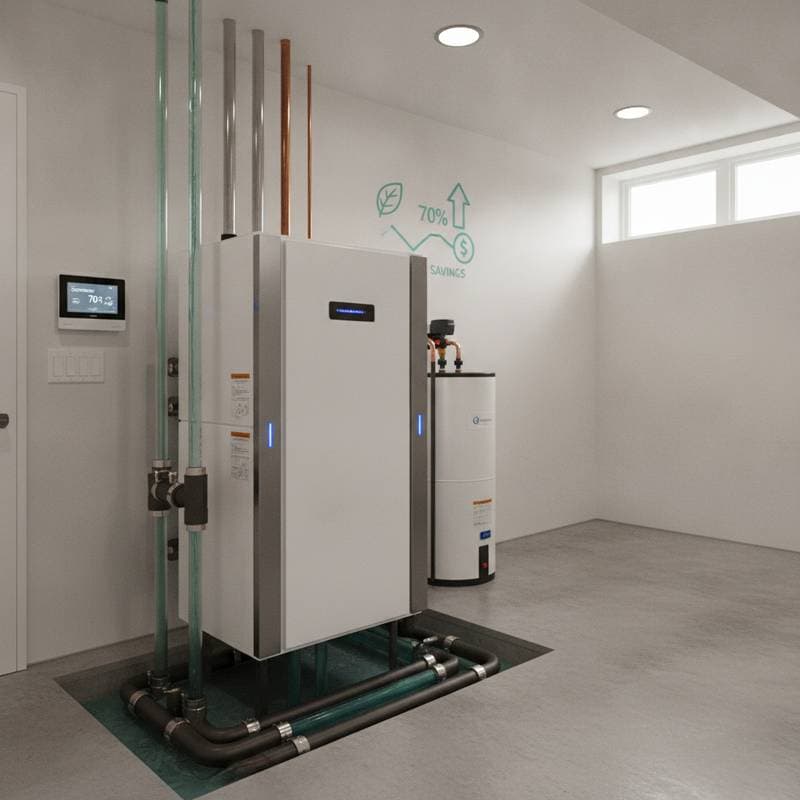
Inside the home, the heat pump connects to this network and exchanges energy through refrigerant cycles. In winter, it pulls ground warmth indoors. In summer, the process reverses to send indoor heat back into the earth.
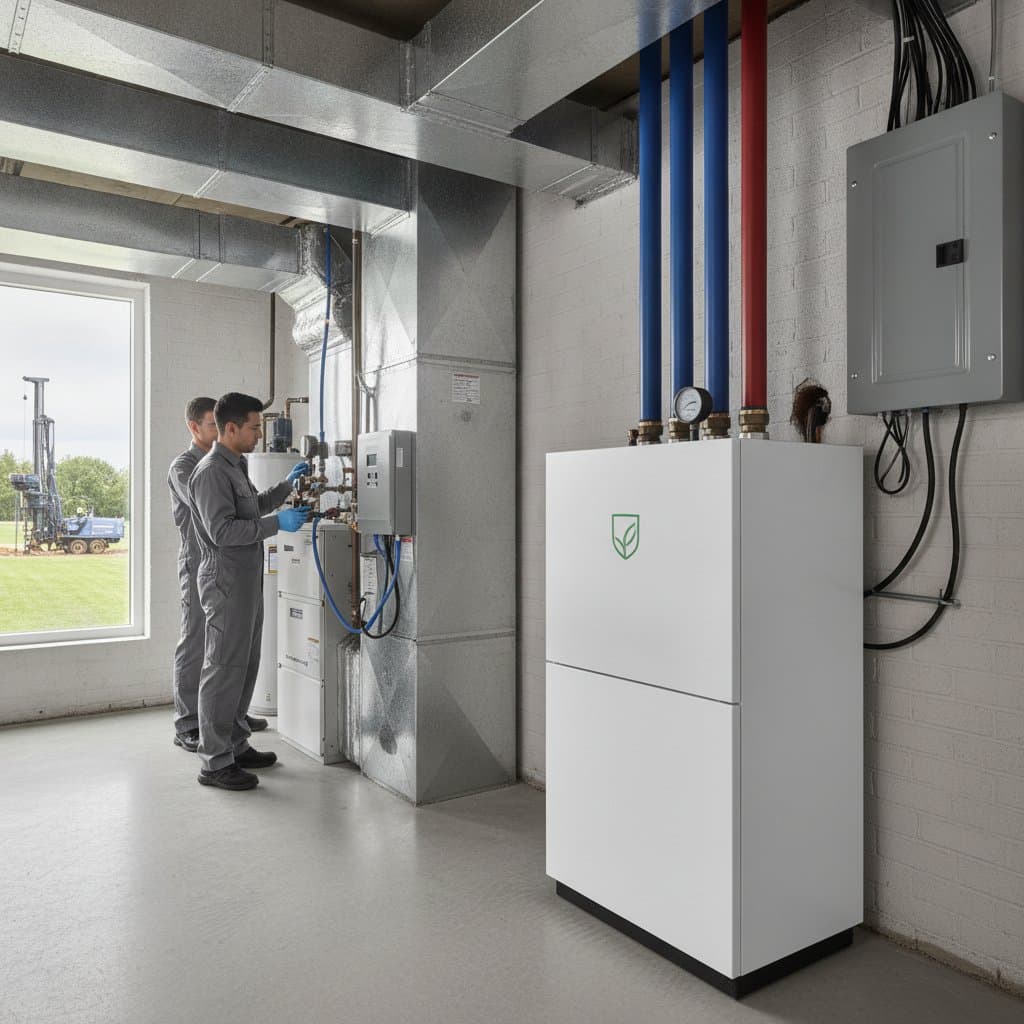
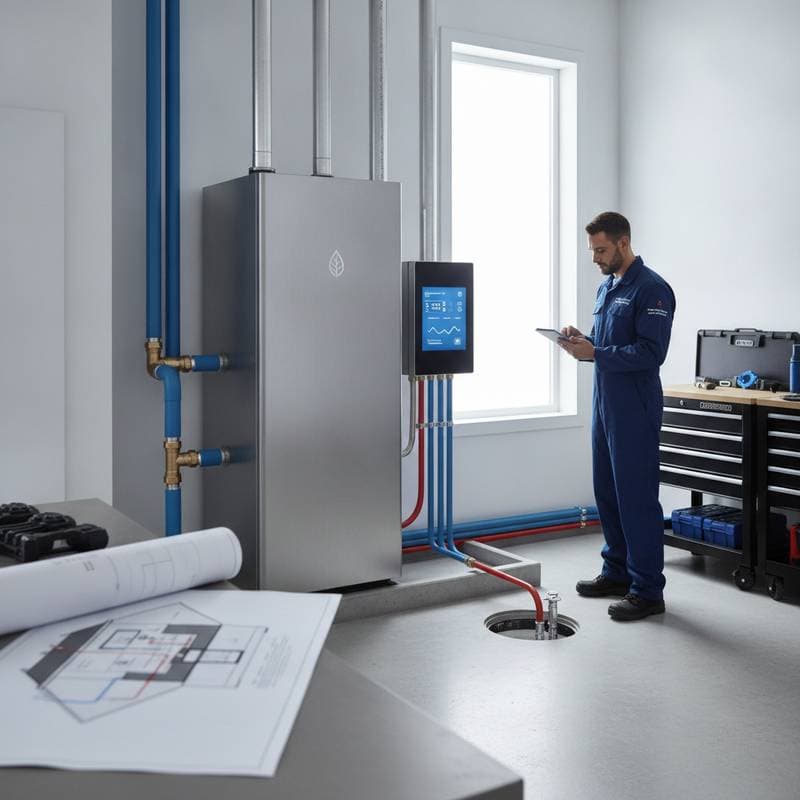
Professional installation is essential. Factors such as soil type, moisture levels, and landscape features affect performance. Installers perform thermal conductivity tests to choose the best loop configuration. Even though these elements stay hidden, they greatly influence daily comfort, costs, and reliability.
Cost Realities and Return on Investment
The initial price tag often stops potential buyers. A typical home installation ranges from $25,000 to $45,000, depending on location and size. This amount surpasses standard HVAC expenses, but the long-term financial picture changes significantly.
Yearly utility savings usually hit $1,500 to $3,000. Federal tax credits and local incentives can shorten the payback period to six to ten years. After that, the advantages continue for decades, with ground loops lasting up to 50 years and indoor components exceeding 20 years with routine maintenance.
Consider these systems as an energy upgrade that lowers ongoing expenses and boosts resale appeal. Appraisers observe that energy-efficient homes attract more buyers and sell for up to 10 percent more in environmentally aware markets.
Action Steps for Cost Planning
- Obtain an accurate load calculation to avoid guesses based on home size alone.
- Get quotes from multiple contractors, comparing features and warranties closely.
- Look into specialized financing options that spread out payments over time.
- Account for lower maintenance costs, since these systems have fewer parts that wear out compared to traditional ones.
Environmental and Health Benefits Beyond Savings
Financial advantages form only part of the story. Geothermal systems reduce emissions by cutting reliance on fossil fuels. Electricity powers the heat transfer process, resulting in carbon footprints 70 percent lower than those of typical HVAC setups.
When combined with renewable electricity sources, the systems produce nearly zero emissions. Inside the home, no combustion means no risks from pollutants like carbon monoxide. Consistent air circulation and humidity control create healthier indoor environments, benefiting people with allergies or respiratory conditions.
Durability supports sustainability as well. Protected from weather, the components need less frequent replacements, which conserves resources. This extended lifespan increases the overall environmental benefits.
Adapting Geothermal Technology to Different Homes
A common misconception restricts geothermal to large properties or new constructions. In reality, custom designs make it viable for various homes.
- New constructions allow loops to be installed before the site is finished.
- Existing homes can use vertical drilling or shared systems in tight spaces.
- Urban properties benefit from targeted boring techniques that minimize disruption.
Site evaluation is critical in every case. Soil characteristics, available space, and local regulations guide the planning and pricing. Work with certified experts from recognized associations to ensure top performance standards.
The Broader Market Perspective
Sustainability features shift from niche to mainstream in the housing market. Buyers focus on total ownership costs rather than just upfront prices. Geothermal fits perfectly, offsetting initial investments with ongoing efficiencies.
Developers now include these systems in planned communities, using shared loops to lower costs per home and simplify management. Group installations improve overall energy performance.
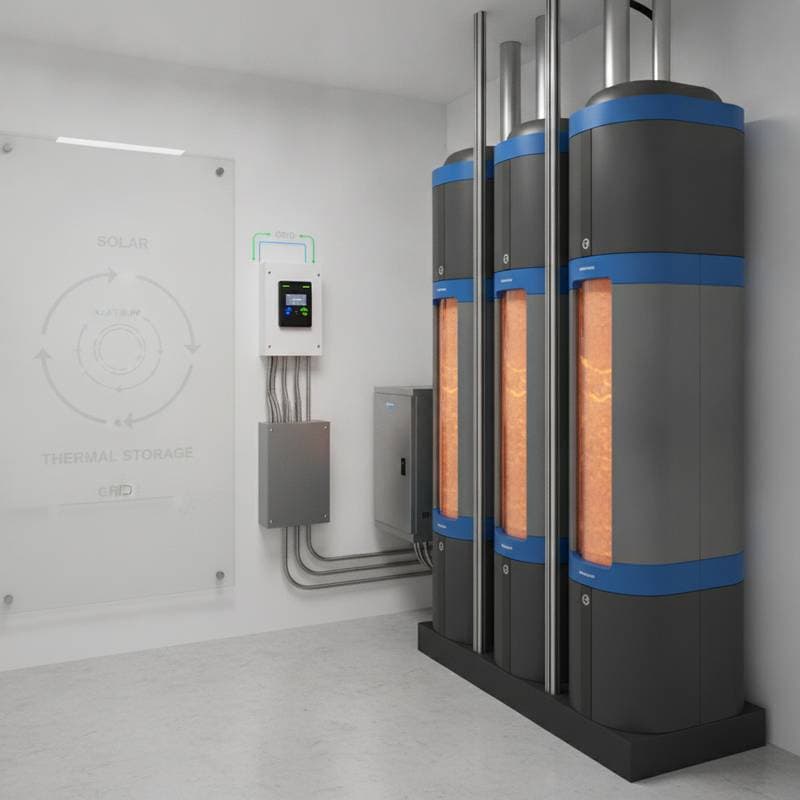
Ongoing innovations in drilling methods, smart controls, and integration with solar power expand possibilities. These developments make geothermal accessible in more locations and climates.
Steps to Implement Geothermal Upgrades
Start by contacting qualified professionals for a site assessment. Request a home energy audit to determine heating and cooling needs, then evaluate loop options.
Research incentives from federal, state, or utility programs to offset costs. Combine the upgrade with improvements like better insulation or smart thermostats for maximum efficiency.
After installation, schedule annual inspections and change filters regularly. Without exposed outdoor parts, the system runs quietly and lasts longer with basic care.
Realizing Long-Term Home Comfort and Savings
Geothermal heat pumps deliver more than immediate efficiency; they create homes that feel better and cost less to run over time. Homeowners gain peace of mind from reduced energy dependence and a smaller environmental impact. As technology advances, these systems become a cornerstone of modern, resilient living.