Key Points
- Projections indicate geothermal heating and cooling costs will decline by nearly half, rendering ground-source heat pumps feasible for average homeowners.
- Escalating energy prices combined with advancements in drilling technology propel widespread adoption in varied climate zones.
- Homeowners anticipate reduced utility expenses, elevated property values, and sustained environmental improvements.
- Knowledge of installation choices, available incentives, and upkeep requirements facilitates a financially sound shift.
The Steady Comfort of Earth-Powered Heating
Imagine entering your home on a chilly winter morning to find a consistent, soothing warmth enveloping the space. No blasting furnace or arid atmosphere disrupts the air; instead, reliable comfort emerges from the stable temperatures underground. As a green building specialist with extensive experience, I observe this transformation evolve from an elite feature to a standard element of modern residences. Skeptical homeowners increasingly view geothermal systems as essential to eco-conscious lifestyles.
Rising energy expenses affect numerous households, positioning geothermal heating as a strategic enhancement. With installation prices forecasted to decrease substantially in the near term, this technology transitions from specialized application to broad accessibility, ushering in an era of superior home energy management.
Limitations of Conventional Heating Methods
Standard heating approaches, such as gas furnaces and electric resistance heaters, depend on volatile energy supplies that vary in cost and dependability. Numerous residences forfeit up to 30 percent of produced heat via suboptimal ductwork and inadequate insulation. Such inefficiencies elevate monthly bills and amplify carbon outputs that compromise regional air purity.
In locales marked by harsh winters or muggy summers, indoor climates fluctuate unpredictably. The core difficulty involves securing a mechanism that provides both high performance and dependability with minimal ongoing attention. Geothermal setups, leveraging consistent subsurface temperatures for heating and cooling, resolve these issues through targeted operation.
Anticipated Cost Reductions and Homeowner Implications
Significant changes reshape the landscape. Innovations in drilling techniques, expanded production of heat pumps, and broadened incentive initiatives collectively lower expenses. Experts forecast that geothermal setup costs may halve as these developments permeate national markets.
For residential owners, a ground-source heat pump previously priced at $25,000 could become obtainable for $12,000 to $15,000. This evolution positions geothermal on par with premium air-source alternatives or sophisticated solar installations in terms of affordability.
Drawing from extensive professional involvement, I note that diminishing upfront expenses spur swift uptake. Homeowners who encounter the unobtrusive, uniform comfort of geothermal seldom revert to prior methods.
Fundamentals of Geothermal Operation
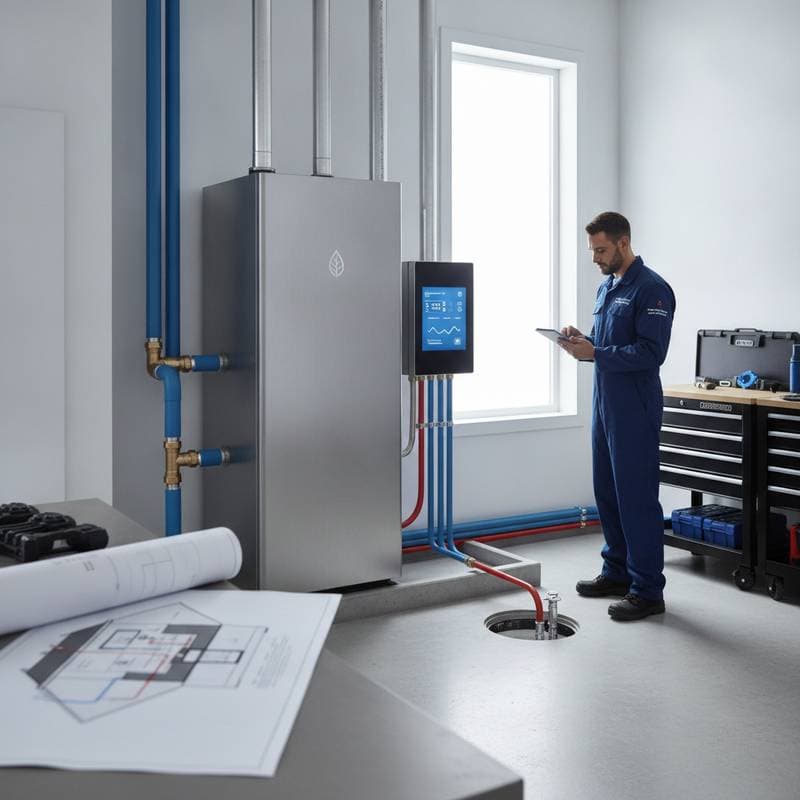
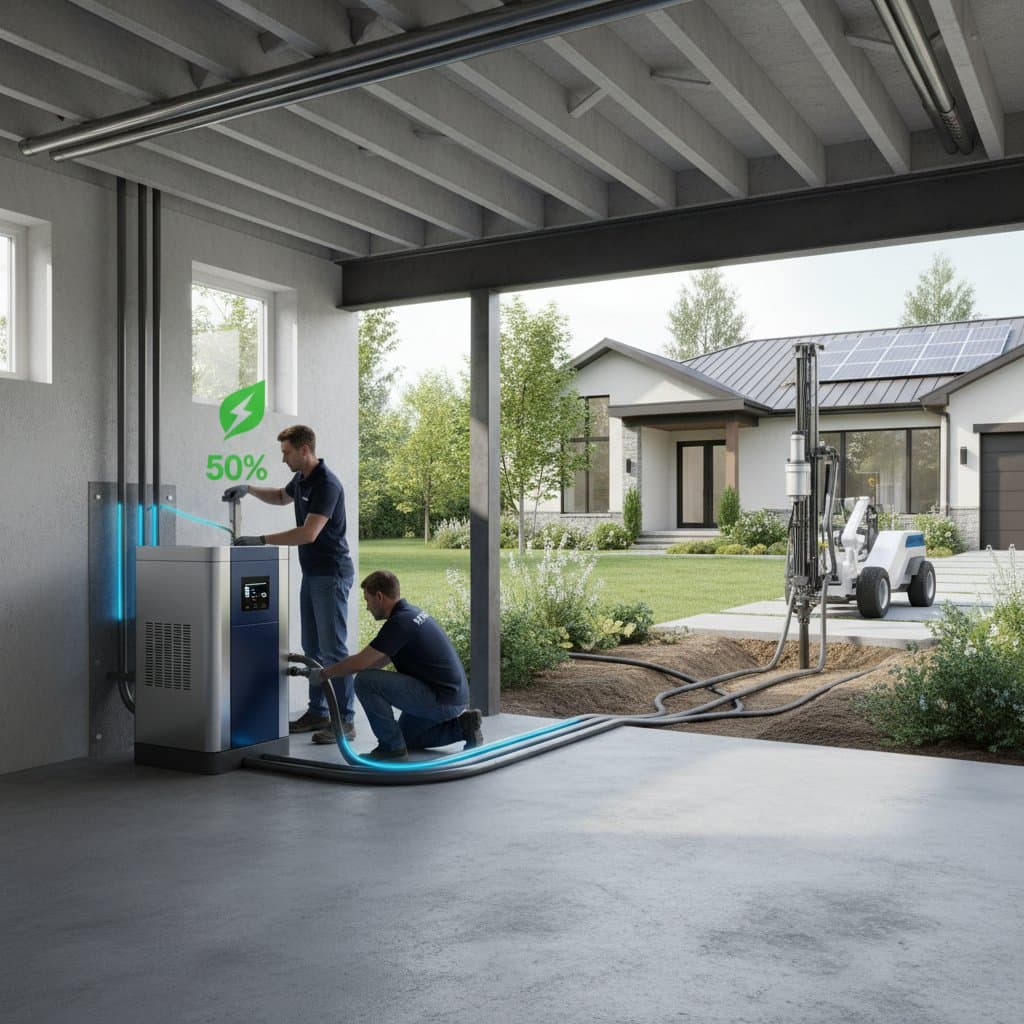
Geothermal systems employ networks of subsurface pipes, termed ground loops, to facilitate heat exchange with the soil. Subsurface earth maintains a stable temperature mere feet below ground level.
- Heating Operation: The setup draws thermal energy from the earth and conveys it indoors via a heat pump.
- Cooling Operation: The process inverts, expelling indoor heat into the ground.
- Air Circulation: Treated air flows through duct networks or underfloor radiant setups to sustain even indoor conditions.
View it as an inherent heat transfer mechanism rather than a generator. Electricity powers solely the circulation pumps and fans, yielding efficiencies of 300 to 400 percent that surpass conventional counterparts.
Strategies to Enhance Home Energy Performance
To optimize functionality and financial returns, implement these specialist recommendations:
- Perform an Energy Assessment: Prior to setup, pinpoint insulation deficiencies and drafts. A fortified structure demands a compact geothermal unit, trimming initial expenditures by thousands.
- Select Optimal Loop Design: Horizontal configurations benefit expansive sites, whereas vertical options accommodate compact areas. Engage a qualified geothermal professional to evaluate soil composition and aquifer levels for ideal placement.
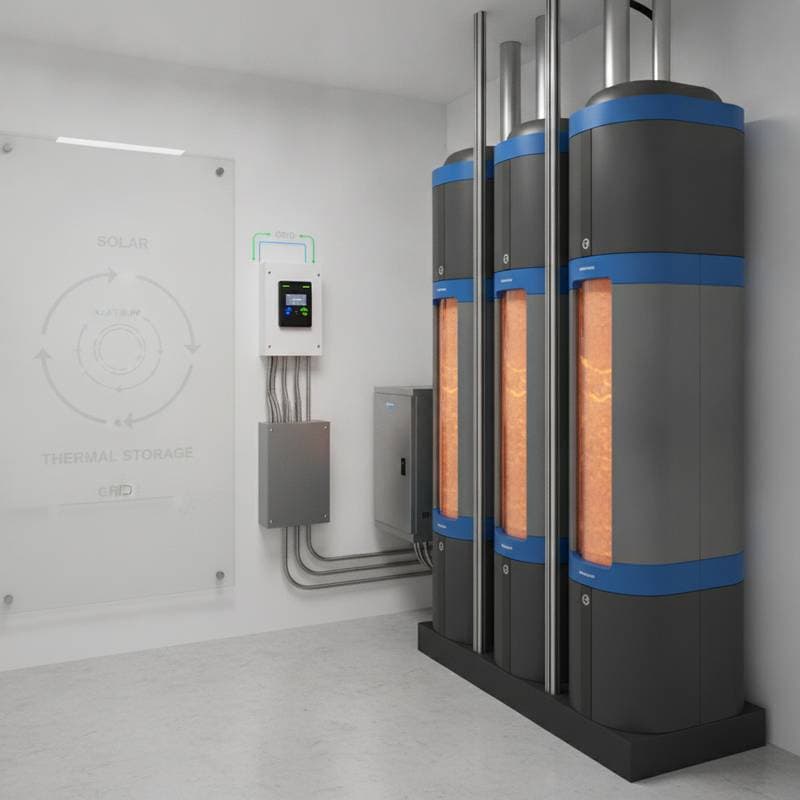
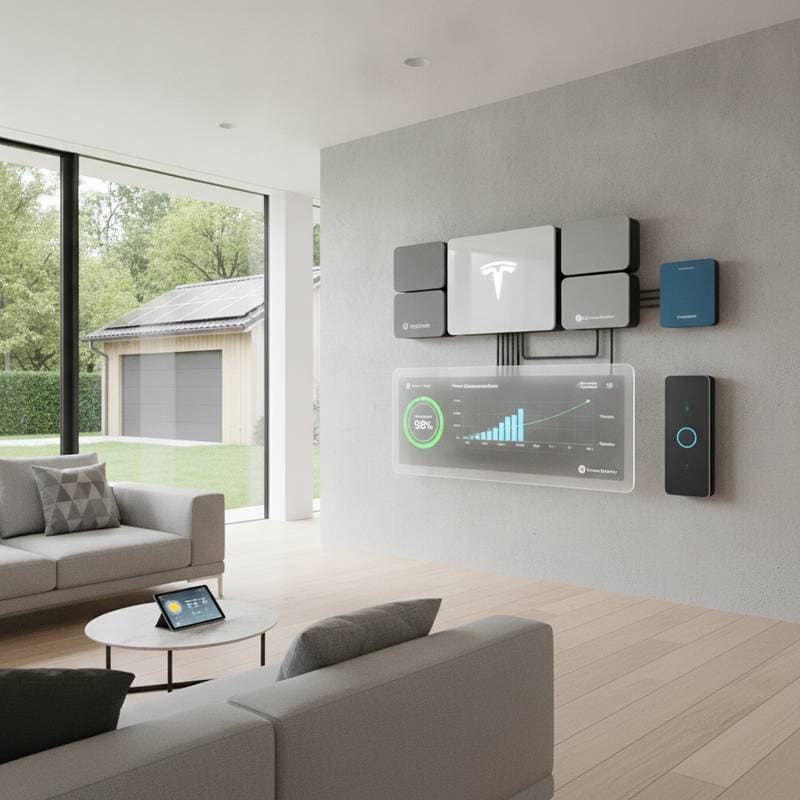
- Combine with Solar Integration: Linking geothermal to overhead solar arrays counters the system's power consumption, approaching a carbon-neutral profile.
- Adopt Intelligent Controls: Sophisticated thermostats refine climate regulation, curtailing running expenses by as much as 15 percent.
- Establish Upkeep Protocols: Arrange biennial expert reviews. Subsurface loops endure beyond 50 years, though the central heat pump necessitates renewal after 20 to 25 years.
Essential Factors for Geothermal Installation
Upfront Expenses and Financial Aids
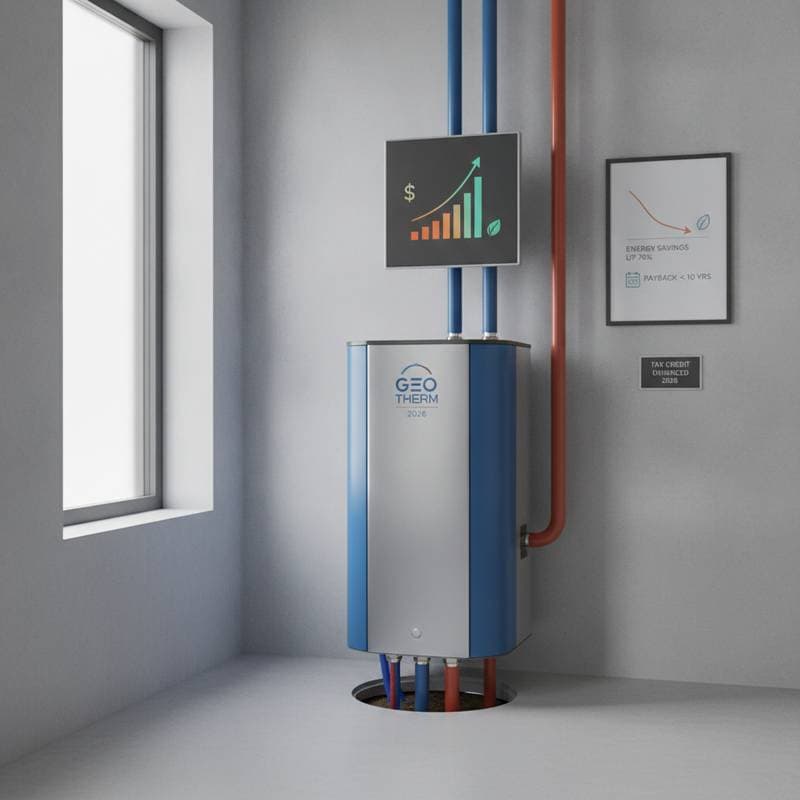
Although rates decline, geothermal deployment constitutes a considerable outlay. National and regional subsidies offset 25 to 40 percent of costs. Certain utilities extend rebates or favorable financing for sustainable endeavors.
Projected Savings and Recovery Timeline
Yearly energy reductions average 40 to 70 percent relative to standard systems. Recovery periods span 6 to 10 years, influenced by local rates and unit scale.
Ecological Contributions
One geothermal installation may diminish family carbon releases by up to 5 tons per year. Such reductions advance collective sustainability efforts and elevate appeal in environmentally aware communities.
Project Duration
The procedure spans two to four weeks, encompassing excavation, piping, and tuning. Thoughtful scheduling minimizes impacts on outdoor aesthetics.
Regulatory Adherence
Confirm installer certification from the International Ground Source Heat Pump Association or equivalent body. Municipal regulations often mandate approvals or ecological reviews prior to excavation.
From my perspective as a green building authority, prioritize contractors possessing a minimum of five years in geothermal projects. Accurate engineering and loop calibration dictate enduring efficacy.
Site-Specific Elements Affecting Performance
Ambient conditions, earth composition, and water presence shape system architecture. Clay-rich terrains favor horizontal loops for their superior heat retention. In stony or dense city settings, vertical designs yield better results with reduced surface alteration.
Coastal or damp areas benefit from geothermal's humidity regulation, curbing mold risks and refining air standards. Arctic zones rely on its unwavering heat delivery during extreme cold, outpacing strained legacy furnaces.
Securing Long-Term Energy Independence
The geothermal sector approaches critical momentum. Declining prices and heightened recognition underscore the enduring merits of harnessing earth's thermal constancy.
To pursue a geothermal enhancement, connect with a verified specialist via our directory. Professionals evaluate terrain, estimate reductions, and guide incentive applications, empowering informed decisions for resilient, efficient homes.
Frequently Asked Questions
How durable is a geothermal system?
The underground loops withstand over 50 years, with the interior heat pump enduring 20 to 25 years under routine care. Periodic checks prolong service and preserve output.
What land area supports a geothermal installation?
Compact parcels host vertical loops effectively. Horizontal variants demand one-quarter to one-half acre, varying by terrain and residence dimensions.
How audible is a geothermal heat pump?
These systems rank among the least intrusive for climate control. Lacking external compressors, they generate negligible sound, suiting residential or quiet locales.
Do geothermal units handle domestic hot water?
Affirmative. Integrated desuperheaters redirect surplus thermal energy to water heating, slashing those expenses by up to 50 percent.
When should one install a geothermal system?
Optimal timing aligns with fresh builds or extensive remodels, though adaptations occur anytime. Spring and autumn provide ample labor and favorable ground states for work.