Key Points
- Geothermal HVAC systems reduce energy costs by up to 60 percent relative to traditional heating and cooling methods.
- Installation costs project a similar 60 percent decline through technological and manufacturing advancements.
- Homeowners realize investment returns in five to ten years, influenced by local energy prices and property dimensions.
- Federal and state incentives hasten adoption by offsetting initial expenses.
- Ground-source heat pumps deliver consistent comfort throughout the year with low maintenance requirements.
Why Geothermal HVAC Draws Increasing Interest
Picture entering your home to a steady, comfortable temperature regardless of outdoor conditions. This reliability stems from geothermal HVAC technology, which harnesses the earth's constant subsurface temperature. With rising energy prices and stricter sustainability requirements, homeowners and business operators increasingly select geothermal systems for enduring financial and ecological advantages.
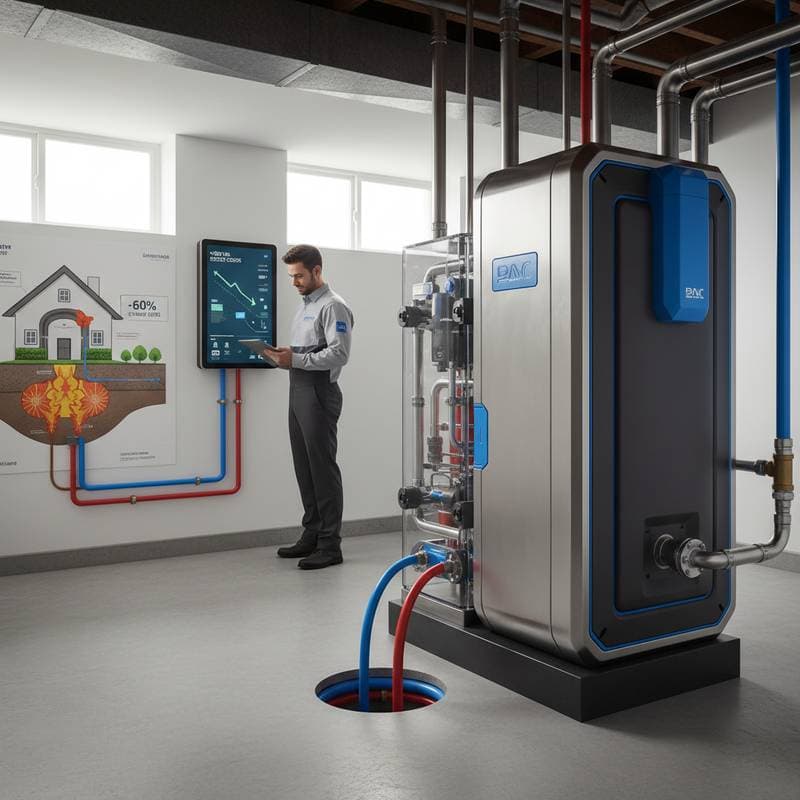
Geothermal systems transfer heat between the structure and the ground's stable thermal profile. During winter, they extract heat from the earth to warm the interior. In summer, they expel indoor heat into the soil. Electricity powers the pumps and compressors that facilitate this exchange, rather than producing heat outright. This approach yields up to four units of heating or cooling per unit of electricity used.
Factors Driving the 60 Percent Cost Reduction
Geothermal HVAC long faced challenges from elevated installation expenses. Recent developments in production and installation techniques alter this view. Multiple elements contribute to the anticipated 60 percent price decrease.
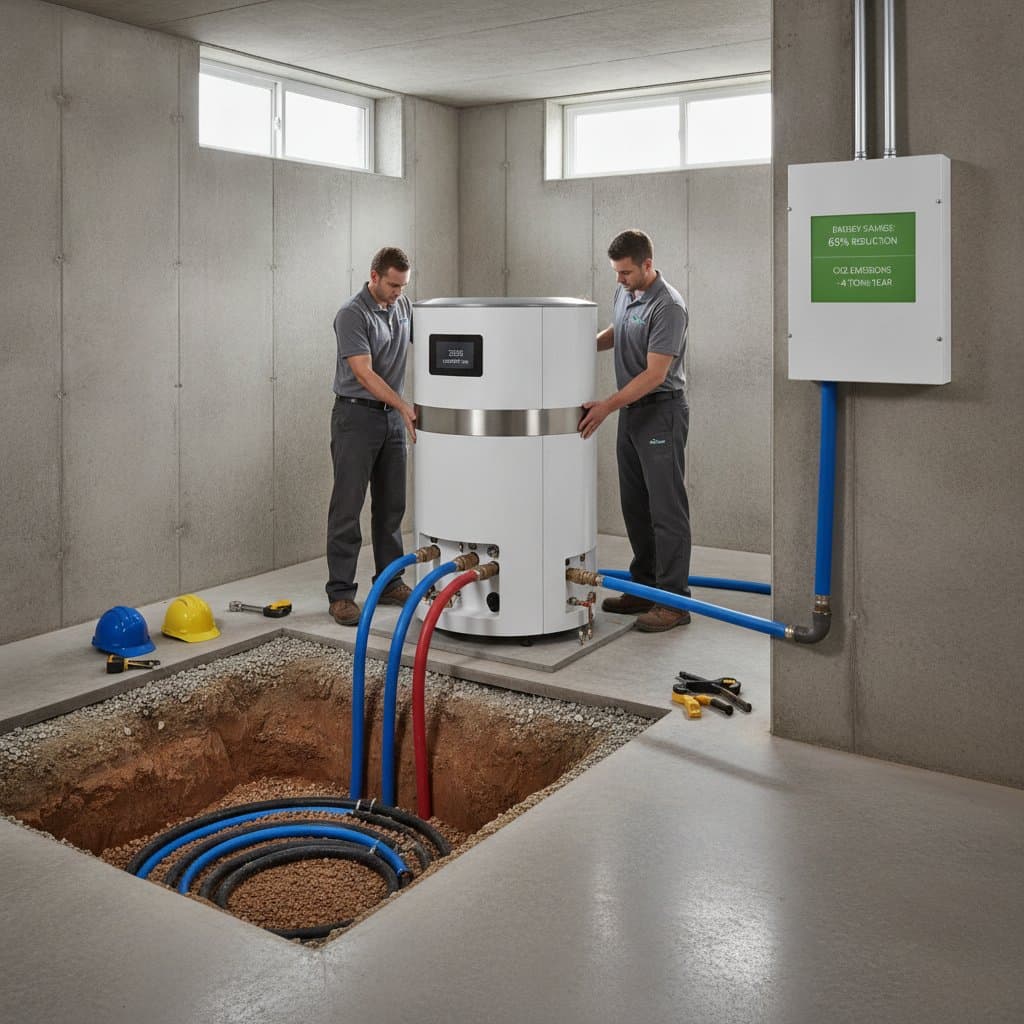
- Enhanced Loop Installation Techniques: Vertical and horizontal loops benefit from reduced excavation through compact rigs and directional boring. Installers complete projects more swiftly with minimal landscape disturbance.
- Advancements in Materials: High-density polyethylene pipes cost less and endure longer, minimizing future repairs.
- Scalable Heat Pump Production: Rising demand lowers component prices via economies of scale.
- Supportive Government Policies: Rebates, tax credits, and favorable loans diminish initial outlays.
Data from the International Ground Source Heat Pump Association indicates a nearly one-third price drop in recent years. Further market growth promises additional reductions.
Cost Comparison Overview
| System Type | Average Installation Cost | Annual Operating Cost | Expected Lifespan |
|---|---|---|---|
| Conventional HVAC | Moderate | High | 15 years |
| Geothermal HVAC | Higher initially, declining | Up to 60% lower | 25 years for heat pump, 50+ years for ground loop |
Current pricing allows geothermal systems to recoup costs in under ten years for many users. As reductions take effect, payback may compress to five years.
The Science of Ground-Source Heat Pumps
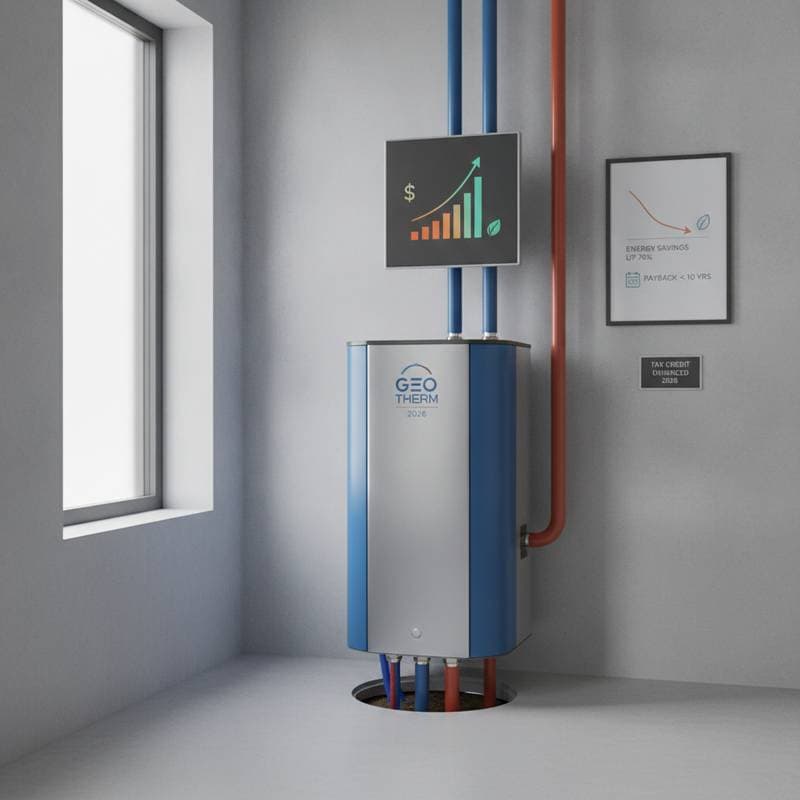
Ground-source heat pumps form the core of geothermal HVAC. These devices function akin to a reversed refrigerator, relocating heat rather than creating it. Below the frost line, soil temperatures remain uniform. A closed fluid loop in buried pipes facilitates heat exchange with the earth, delivering warmth indoors in winter and dissipating excess heat outdoors in summer.
The ground's thermal stability spares the system from the high demands of air-source alternatives during temperature extremes. This consistency boosts efficiency and prolongs equipment durability.
The U.S. Department of Energy reports that geothermal heat pumps decrease energy use by up to 44 percent versus air-source models and 72 percent against electric resistance heating.
Essential Factors for Homeowners
Prospective installers must assess key elements before adopting geothermal HVAC.
- Site and Soil Characteristics: Expansive properties suit horizontal loops; compact sites favor vertical options.
- Current Setup: Ducted homes integrate units seamlessly; hydronic setups may require adjustments.
- Water Resources: Regions with quality groundwater support open-loop designs for optimal results.
- Regional Energy Costs: Elevated rates accelerate financial recovery.
Certified professionals employing validated design tools guarantee precise sizing and loop layouts. Improper scaling compromises performance and comfort.
Benefits for Energy Use and the Environment
Geothermal HVAC excels in curbing energy demands and emissions. It draws on the earth's renewable thermal energy, avoiding on-site fuel burning. The U.S. Environmental Protection Agency ranks ground-source heat pumps as the premier option for efficient, low-impact heating and cooling.
Residential units typically avert several tons of carbon emissions annually compared to fossil-based systems. Commercial applications amplify these gains. Widespread implementation could ease grid pressures and advance climate objectives.
Observed Results and Upkeep
Users of geothermal HVAC praise its uniform comfort and subdued noise levels. The subsurface loops shield against elemental wear, demanding scant attention. Indoor units require periodic filter replacements and inspections, with infrequent major interventions.
Durability defines the technology. Loops endure over 50 years, while indoor elements often surpass 20 years. Such resilience cuts replacement needs and waste.
Funding and Support Options
Installation remains a notable expense amid declining prices. Diverse mechanisms ease this burden.
- Tax Incentives: Federal and state programs credit a portion of costs directly.
- Utility Support: Providers offer rebates for efficient installations.
- Sustainable Loans: Programs provide low rates and billing-integrated repayment.
Steps to Adopt Geothermal HVAC
Begin with a professional site evaluation from a certified expert. This review examines soil, space, and infrastructure to tailor the design.
Post-installation, track utility statements for the initial year to gauge outcomes. Many experience 30 to 60 percent drops in heating and cooling expenses right away.
Advancing cost efficiencies and ecological priorities elevate geothermal HVAC in sustainable building practices. For financial prudence, self-reliance, or reduced emissions, accessing subsurface thermal resources ensures dependable comfort, safeguarding resources for generations.