Geothermal HVAC: 2026's Smartest Energy-Saving Upgrade
When you picture the next evolution in home energy, you might think of solar panels glittering on rooftops or smart thermostats adjusting the temperature automatically. Yet, beneath your feet lies a resource that quietly outperforms both: the steady, renewable warmth of the earth itself. As energy costs climb and homeowners search for efficient, long-term solutions, geothermal HVAC systems are emerging as the most intelligent way to heat and cool your home sustainably.
Key Points
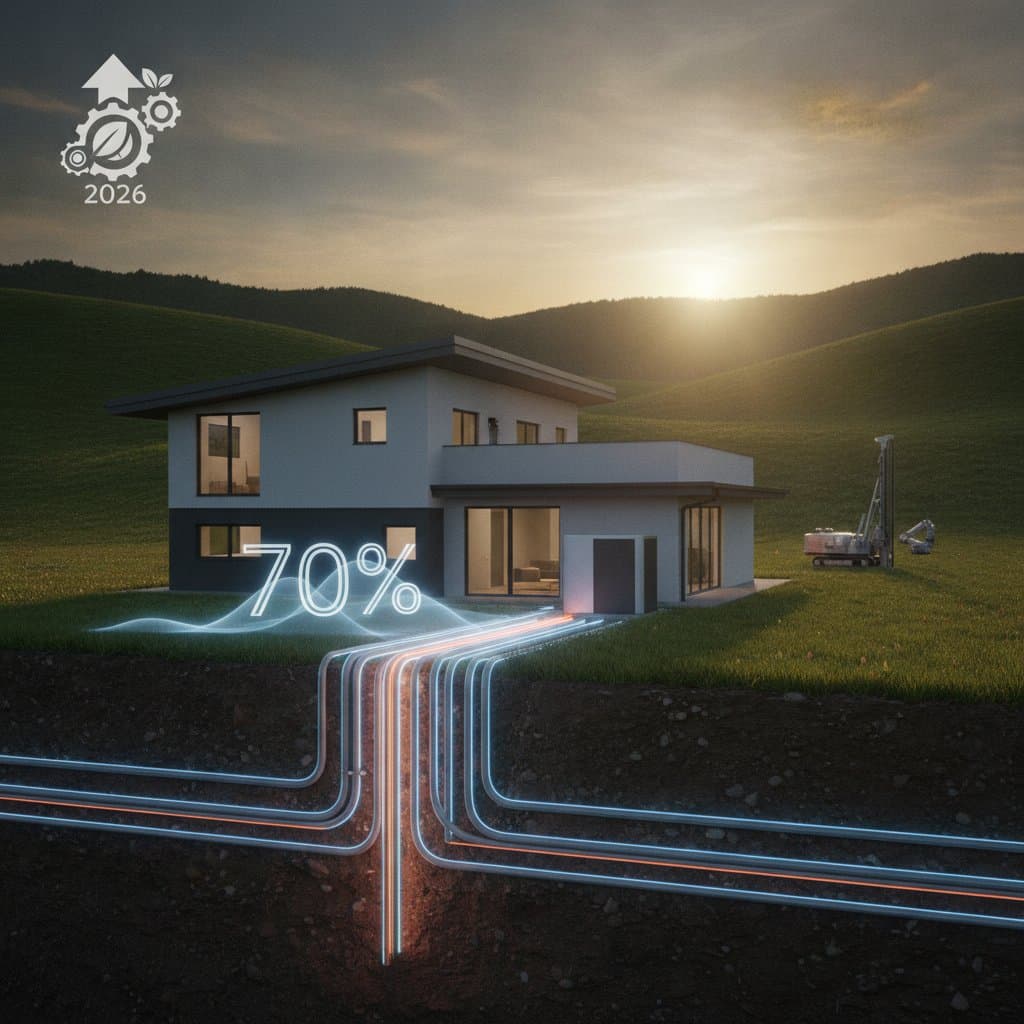
- Up to 70 percent lower heating and cooling costs compared to traditional systems
- Return on investment within 5 to 10 years, depending on local energy rates and incentives
- Lifespan of over 20 years for indoor components and 50 years for underground loops
- Reduces greenhouse gas emissions by 40 to 60 percent compared to fossil-fuel-based systems
- Qualifies for federal and local incentives, lowering upfront installation costs
Understanding Geothermal HVAC
A geothermal HVAC system, also called a ground-source heat pump, uses the stable temperature of the earth to regulate indoor climate. While outdoor air temperatures fluctuate wildly across seasons, the ground a few feet below the surface remains consistently moderate. By transferring heat between your home and this underground environment, geothermal systems deliver efficient heating in winter and cooling in summer.
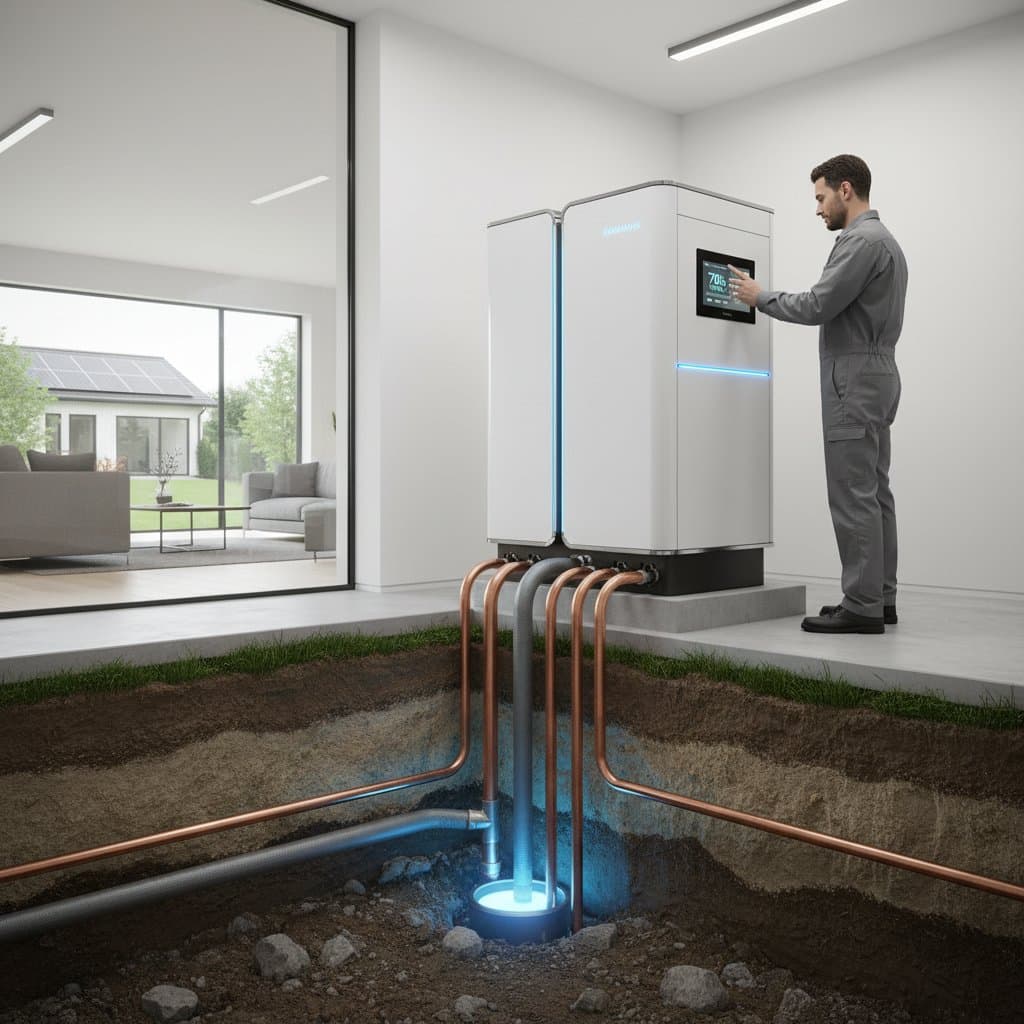
In practical terms, the system circulates a water-based solution through buried pipes known as ground loops. During heating mode, the liquid absorbs warmth from the earth and carries it into the home. During cooling mode, the process reverses, moving heat from the house back into the ground. The result is a system that consumes far less electricity than conventional furnaces or air conditioners.
According to the U.S. Department of Energy, geothermal systems can achieve efficiency ratings exceeding 400 percent, meaning they deliver four units of heating or cooling for every unit of energy consumed. This performance is unmatched by even the most advanced air-source heat pumps or high-efficiency gas furnaces.
Why Homeowners Are Switching
The Financial Equation
For many homeowners, energy bills remain the largest ongoing cost after a mortgage. Geothermal HVAC offers one of the most reliable ways to reduce that burden. While the initial installation can cost between $15,000 and $35,000, depending on home size and site conditions, the long-term savings often outweigh the upfront expense.
- Average annual savings: $1,500 to $3,000 compared to electric or oil systems
- Payback period: typically 5 to 10 years
- Lifetime savings: $30,000 to $60,000 over the system’s lifespan
When combined with available rebates and tax credits, many homeowners find the economics more appealing than expected. In some regions, utility companies offer low-interest financing or direct incentives for switching to geothermal technology, accelerating the return on investment.
Comfort and Consistency
Beyond the financial benefits, geothermal systems deliver a level of comfort that traditional HVAC systems struggle to match. Because they draw energy from the stable temperature underground, they avoid the hot and cold swings caused by outdoor weather changes. Air delivered through geothermal systems feels more even, with fewer drafts or humidity spikes.
Noise reduction is another advantage. Without the need for noisy outdoor compressor units, geothermal systems operate quietly, making them ideal for residential neighborhoods or properties where acoustic comfort matters.
Environmental Advantages
A typical household can reduce carbon emissions by up to 5 metric tons annually by replacing a fossil-fuel-based HVAC system with geothermal technology. That reduction is equivalent to removing one passenger vehicle from the road each year. Unlike natural gas or oil systems, geothermal units produce no on-site combustion, which eliminates local air pollutants and improves indoor air quality.
Dr. Karen Mitchell, an environmental engineer and energy consultant, said, "Geothermal technology represents the most direct path for homeowners to achieve long-term carbon reduction without sacrificing comfort or reliability. It combines the predictability of a natural resource with modern engineering."
System Types and Installation Options
Choosing the right geothermal configuration depends on your property’s size, soil type, and water table. There are four main loop designs, each with distinct advantages.
| System Type | Description | Best For | Approximate Cost Range |
|---|---|---|---|
| Horizontal Loop | Buried pipes laid in trenches 4 to 6 feet deep. | Homes with large yards and loose soil. | $15,000–$25,000 |
| Vertical Loop | Pipes installed in deep boreholes, often 150–400 feet. | Small lots or rocky terrain. | $20,000–$35,000 |
| Pond or Lake Loop | Coils submerged in a nearby body of water. | Properties with access to a pond or lake. | $10,000–$20,000 |
| Open Loop | Uses groundwater directly through a well system. | Areas with abundant clean groundwater. | $12,000–$18,000 |
Each configuration delivers comparable efficiency, but installation complexity varies. A professional geothermal contractor evaluates soil conductivity, available land area, and local regulations before recommending the best setup.
Integrating Geothermal with Smart Home Systems
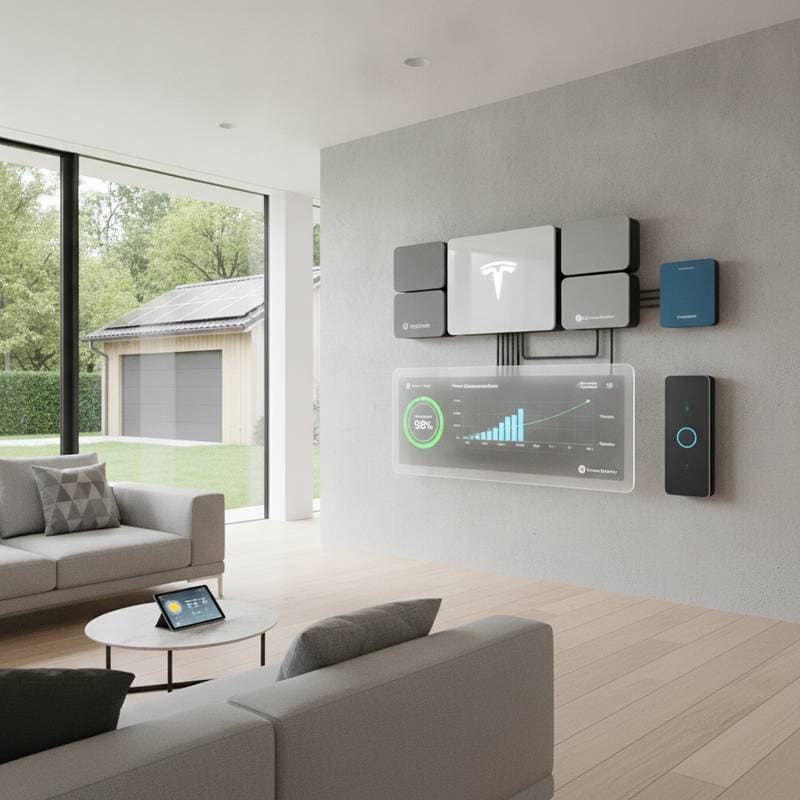
Modern geothermal HVAC units can easily connect with smart thermostats and home energy management systems. This integration allows you to monitor energy usage, adjust settings remotely, and track performance data in real time.
Smart controls can optimize system output by learning your household patterns. For example, they can preheat your home during off-peak electricity hours or automatically lower temperatures when you are away. These small adjustments can increase efficiency by another 5 to 10 percent, further reducing utility costs.
Maintenance and Longevity
Compared to traditional HVAC systems, geothermal units require minimal maintenance. The underground loops are sealed and built to last for decades. The indoor components, including the heat pump and distribution system, require only basic upkeep such as filter changes and periodic inspections.
Key maintenance tasks include:
- Filter replacement every one to three months for optimal airflow.
- System checkups by a certified technician once a year to verify pressure, fluid levels, and mechanical operation.
- Loop inspection every five years to confirm no leaks or blockages.
Because the system exchanges heat with the ground instead of outdoor air, it experiences less mechanical stress. As a result, owners often enjoy double the lifespan of a conventional air conditioner or furnace.
The Broader Energy Landscape
Geothermal heating and cooling fits neatly into the larger movement toward decentralized, renewable energy systems. As electrical grids incorporate more clean energy sources, geothermal technology supports grid stability by reducing peak demand. Unlike solar or wind, it provides consistent output regardless of weather conditions, making it one of the most dependable renewable options available.
Government agencies and research institutions continue to invest in geothermal innovation. Breakthroughs in drilling techniques, loop materials, and hybrid systems are making installations faster and more affordable. Some new designs even combine geothermal systems with solar panels, using excess solar power to run the heat pump during high-demand periods.
According to a report by the International Ground Source Heat Pump Association, widespread adoption of geothermal systems could lower national residential energy consumption by as much as 20 percent if implemented across existing housing stock.
Addressing Common Concerns
Upfront Cost
The main hesitation for most homeowners is the installation cost. While it is true that geothermal requires a higher initial investment, the combination of lower operating expenses and available incentives often makes the total cost of ownership more favorable over time. Financing options, including energy-efficiency loans or property-assessed clean energy programs, can further ease the transition.
Installation Disruption
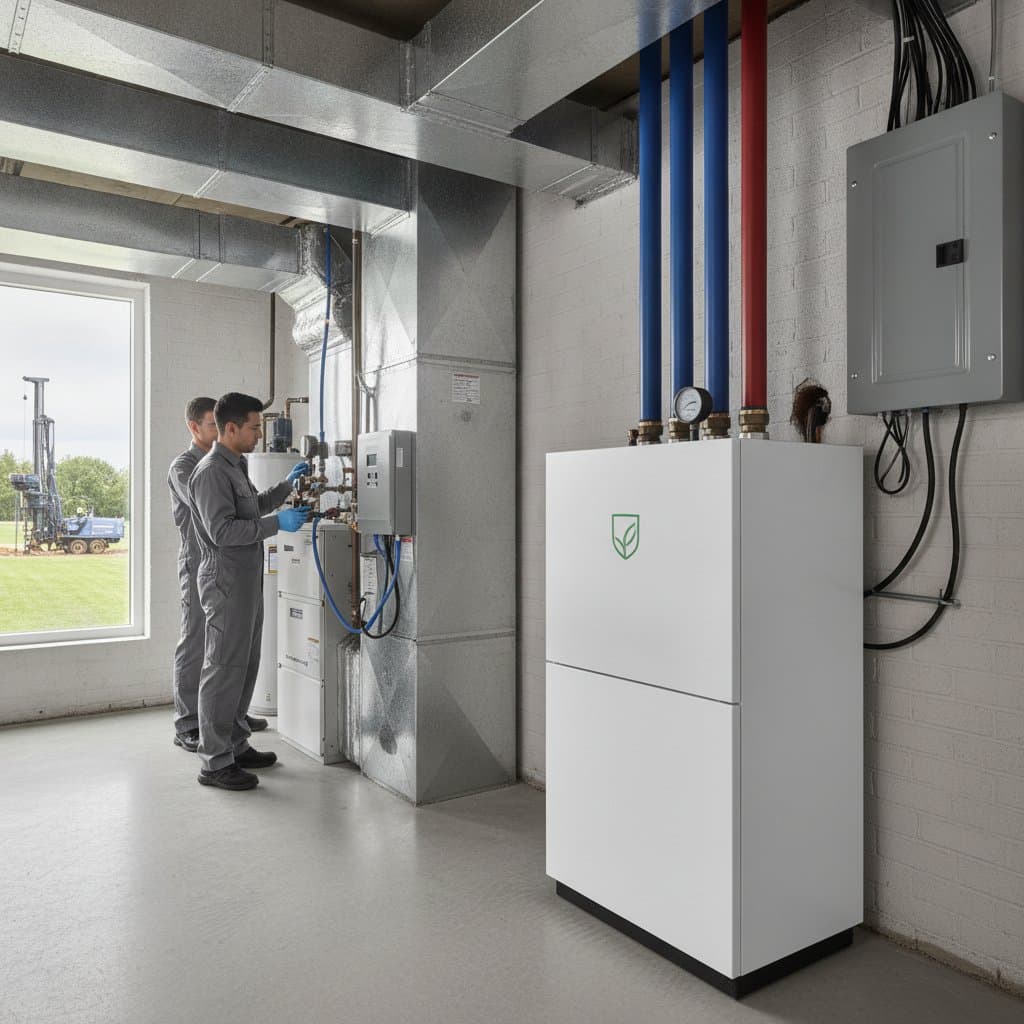
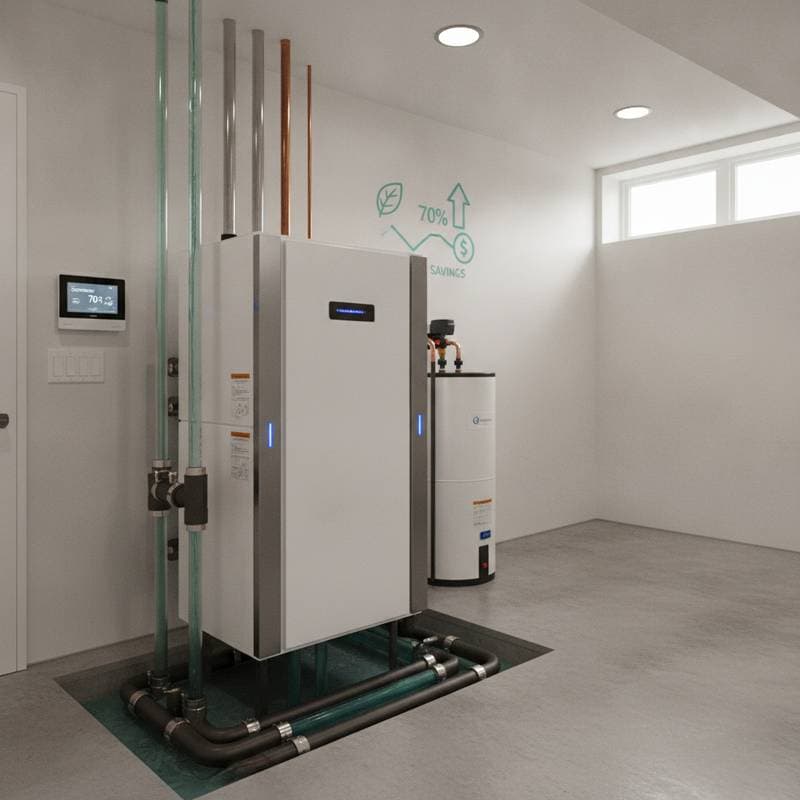
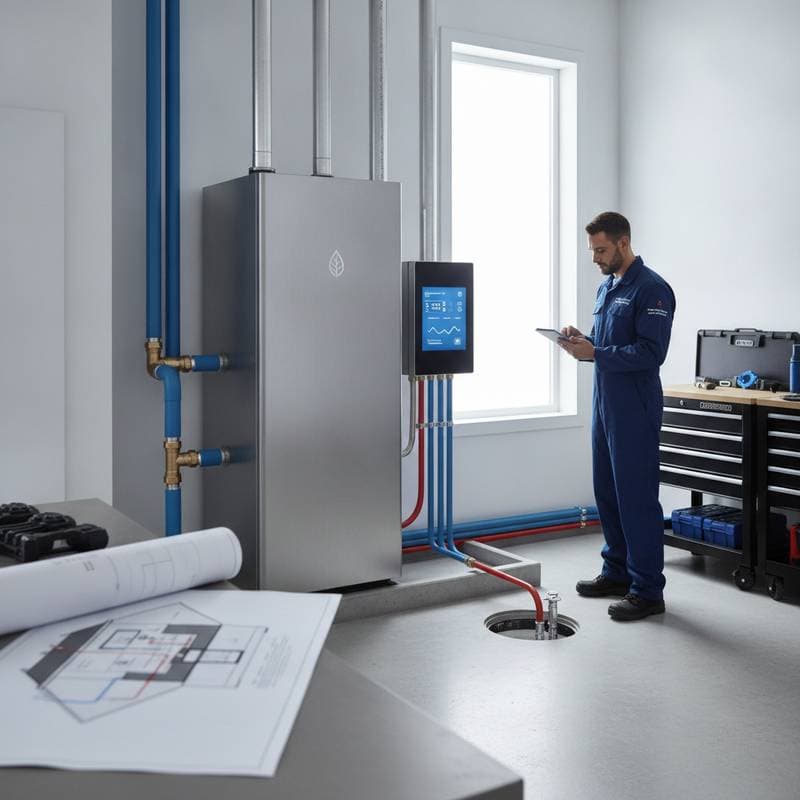
Some homeowners worry about excavation or drilling on their property. In reality, most installations are completed within a few days, and the affected area can be restored quickly. Once installed, the system is nearly invisible, leaving only a small indoor unit similar in size to a conventional furnace.
Climate Suitability
Geothermal systems work effectively in nearly every climate zone. Because ground temperatures remain stable year-round, even regions with cold winters or hot summers can benefit. For homes in extremely cold areas, some systems include auxiliary electric heating for brief temperature spikes, although it is rarely needed.
Real-World Application: A Case Study
Consider a 2,500-square-foot suburban home that replaced its oil furnace and central air system with a geothermal heat pump. The total installation cost was $28,000 before incentives. After applying state and federal rebates, the net cost dropped to $19,000.
Before the upgrade, the homeowner spent roughly $3,600 annually on heating oil and electricity. The new geothermal system reduced that to about $1,100 per year, saving $2,500 annually. Based on those savings, the system achieved full payback in just over seven years. The homeowner also reported quieter operation, improved air quality, and more consistent indoor temperatures.
Steps to Install Geothermal HVAC
If you are considering making geothermal part of your home energy plan, start with a comprehensive energy audit. A qualified auditor can assess insulation levels, duct efficiency, and potential heat loss, ensuring that your geothermal system performs at peak efficiency once installed. Next, consult a certified geothermal contractor to evaluate your site and outline a customized installation plan, including incentive applications to minimize costs.