Key Benefits of Geothermal Systems
Geothermal systems achieve up to 60 percent savings on energy costs without requiring solar panels. Ground-source heat pumps draw on the earth's stable underground temperatures, which remain between 45 and 75 degrees Fahrenheit year-round, to efficiently heat and cool homes. This approach minimizes electricity use compared to conventional systems that fight extreme outdoor temperatures.
Installation involves an initial investment, yet the benefits extend beyond bill reductions. Homeowners enjoy lower maintenance demands and increased property values, as energy-efficient features appeal to future buyers. Systems typically last 25 to 50 years for the ground loop and 20 years or more for the heat pump unit, far outpacing traditional HVAC equipment.
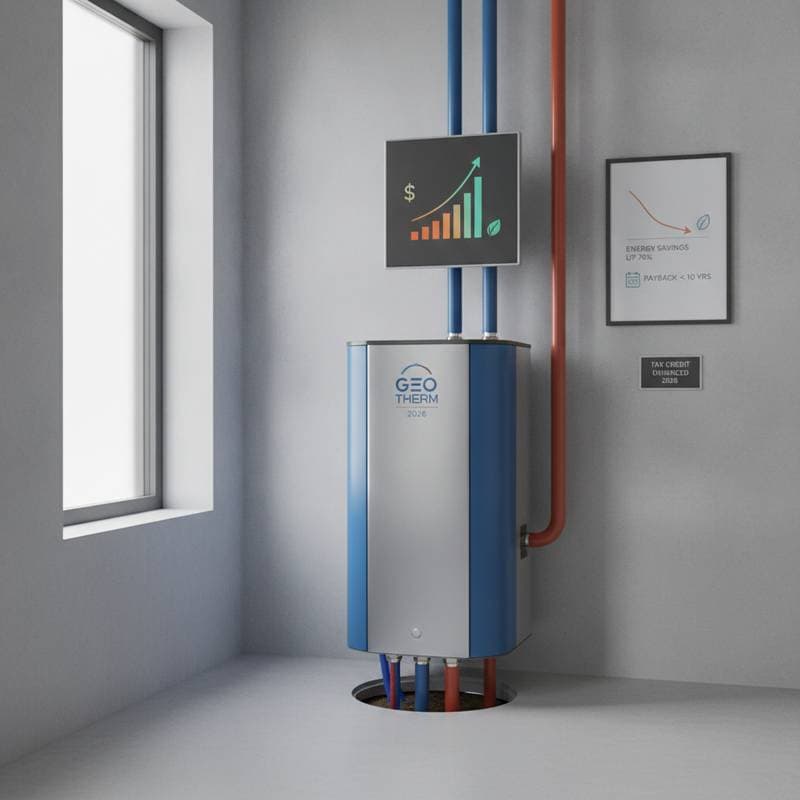
Return on investment varies by location, but many achieve payback in five to ten years through annual savings of $1,000 or more. Factors such as local energy prices, soil type, and system size influence outcomes. Scalable configurations allow adaptation to homes from small apartments to large estates, ensuring accessibility across budgets.
Building Long-Term Home Value with Geothermal
Energy efficiency extends beyond immediate savings; it secures your home against rising utility rates and environmental regulations. Geothermal systems lower carbon emissions by up to 70 percent compared to fossil fuel-based heating, aligning with global sustainability goals. They provide consistent indoor comfort without the noise or drafts common in older systems.
Financially, the upfront cost pays dividends over time. Heating and cooling account for nearly half of a typical home's energy use, so a 60 percent reduction translates to significant annual gains. Real estate experts note that homes with geothermal installations often sell for five to ten percent above comparable properties, reflecting buyer appreciation for reduced operating expenses and eco-friendly credentials.
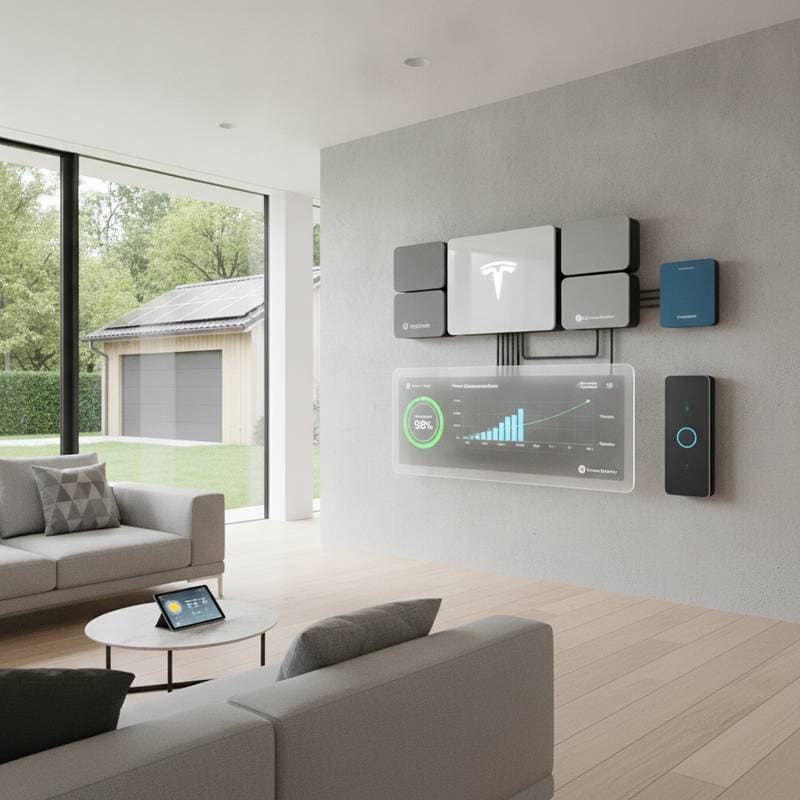
Environmentally, these systems support a cooler planet by relying on renewable ground heat rather than non-renewable sources. They integrate seamlessly with smart home technologies for further optimization, such as automated temperature adjustments based on occupancy. This combination of reliability and innovation positions geothermal as a smart choice for forward-thinking homeowners.
Understanding Costs and Return on Investment
Initial costs for a residential geothermal system range from $15,000 to $40,000, depending on home size, loop type, and site conditions. Smaller homes with vertical loops might invest around $20,000, while larger properties or those requiring extensive excavation could approach $35,000. These figures include drilling, piping, the heat pump, and labor from certified professionals.
Energy savings offset this expense quickly. In regions with high electricity rates, owners save $1,500 to $3,000 yearly on heating and cooling. Over 20 years, cumulative savings often exceed $50,000, making the total cost of ownership 40 to 60 percent lower than conventional systems.
To calculate ROI, consider lifecycle costs rather than upfront outlay. Traditional furnaces last 15 to 20 years with frequent repairs, whereas geothermal components endure longer with routine care. Use online calculators from industry associations to estimate based on your utility bills and local incentives, though actual results depend on professional assessments.
Tailored Geothermal Configurations for Every Property
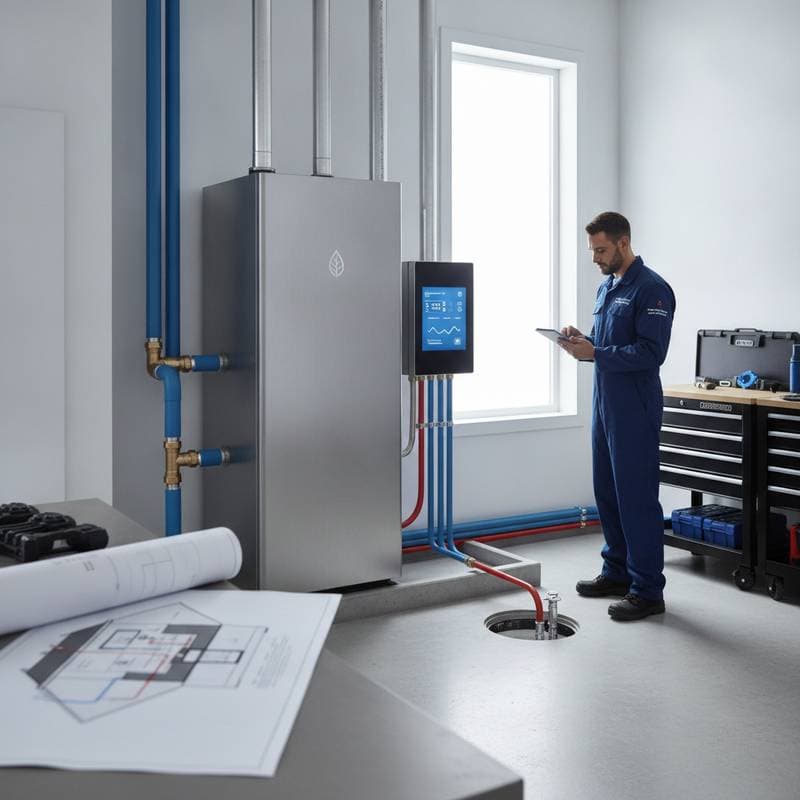
Geothermal designs adapt to site constraints, ensuring efficiency without major lifestyle disruptions. Professionals conduct soil tests and load calculations to recommend the best setup, balancing cost with performance.
Vertical loops suit urban or space-limited lots. Contractors drill boreholes 150 to 400 feet deep, inserting sealed pipes that circulate fluid for heat exchange. This method requires less surface area, ideal for properties under half an acre.
Horizontal loops work well on larger, open yards. Trenches four to six feet deep accommodate pipe networks spanning hundreds of feet. Installation costs less due to simpler excavation, though it demands more land.
For homes near water, pond or lake loops offer superior efficiency. Pipes rest on the waterbed, utilizing its thermal stability. This option minimizes drilling and can reduce system size by 30 percent, lowering overall expenses.
Customization extends to integration with existing infrastructure. Systems pair with forced-air ducts, radiant flooring, or hot water setups, providing versatile heating solutions. In varied climates, enhanced models handle extreme conditions, maintaining performance from Alaska's winters to Arizona's summers.
Financing and Planning Your Geothermal Project
Numerous incentives make geothermal more attainable, including tax credits that cover 30 percent of costs for qualifying installations. Utility rebates and low-interest loans from green energy programs further ease the burden. Homeowners should consult local providers for current offerings, as these evolve with policy changes.
For those ineligible for incentives, standard financing options abound. Banks offer home equity loans or personal lines of credit tailored to energy upgrades, often with rates under five percent. Some manufacturers provide in-house financing with deferred payments during the first year.
Budgeting requires foresight. Allocate 10 to 15 percent extra for variables like rocky soil or permitting fees. Gather at least three quotes from IGSHPA-certified installers to compare apples-to-apples pricing. Review warranties, which typically cover the loop for 50 years and the heat pump for 10 years, to ensure long-term protection.
Ensuring Longevity Through Simple Maintenance
Geothermal systems demand far less attention than gas or electric alternatives. The buried loop remains maintenance-free, protected from elements and corrosion. Indoor components need basic care to sustain peak efficiency.
Annual professional inspections cost $150 to $300 and include checking refrigerant, cleaning coils, and testing flow rates. Homeowners handle monthly tasks like replacing air filters, similar to any HVAC routine. These steps prevent efficiency drops and extend equipment life.
Without outdoor units, systems avoid weather-related failures common in traditional setups. In humid areas, dehumidification features reduce mold risks, enhancing indoor air quality. Overall, maintenance investments yield reliable operation and preserved energy savings over decades.
Addressing Common Concerns About Geothermal Systems
Does geothermal require solar panels for effectiveness?
No, geothermal operates standalone, using ground heat for efficiency. Combining with solar amplifies benefits toward net-zero energy, but it stands alone for substantial savings.
Will it perform in extreme weather?
Yes, the earth's constant temperature ensures reliable operation. Systems extract heat from 50-degree soil even in subzero air or reject excess heat in 100-degree summers.
How does it fit with existing home systems?
Integration is straightforward. Ducted air handlers connect to current vents, while hydronic options supply boilers or radiant systems without major retrofits.
What about installation disruption?
New builds incorporate loops during construction seamlessly. For retrofits, contractors phase work over days or weeks, using directional drilling to limit yard damage and restore landscapes promptly.
Steps to Adopt Geothermal for Your Home
Start by assessing your property's suitability through a free consultation with a local expert. They evaluate energy needs, site features, and potential savings using detailed audits. This informs a customized proposal aligned with your goals.
Next, explore financing and incentives to minimize out-of-pocket costs. Secure bids and select a reputable installer with proven track records. During installation, monitor progress to ensure compliance with design specs.
Post-installation, track utility bills to verify savings and schedule that first maintenance visit. Over time, enjoy the comfort, cost reductions, and peace of mind that come with a resilient, eco-friendly heating solution. Geothermal not only cools the planet but warms your home efficiently for generations.