Key Points
- Grid-interactive homes function as income-generating assets via energy trading mechanisms.
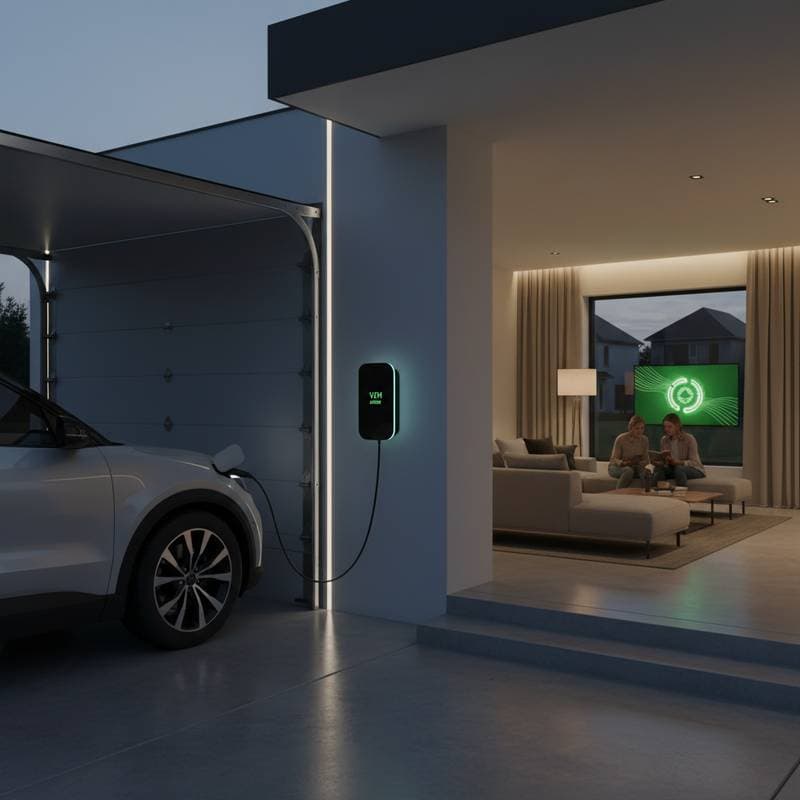
- Vehicle-to-grid technology enables electric vehicles to store excess power and return it to the grid for compensation.
- Smart systems optimize financial returns alongside sustainability and resilience benefits for homeowners.
- Investments in storage solutions, monitoring tools, and connectivity options deliver reliable financial paybacks.
The Emerging Energy Landscape
Consider a home that does more than draw electricity from the grid; it contributes surplus power and receives payment in return. In communities nationwide, property owners increasingly view their residences as integral parts of the energy economy. Grid-interactive homes capture excess energy, track usage patterns, and dispatch unused electricity back to the utility network. This evolution turns a traditional household cost into a viable source of revenue.
The change extends beyond mere innovation. It reshapes perspectives on property ownership, environmental stewardship, and long-term financial strategy. A residence equipped to profit from renewable energy serves as both a personal commitment to sustainability and a sound economic choice.
Mechanisms for Earning Income from Grid-Connected Homes
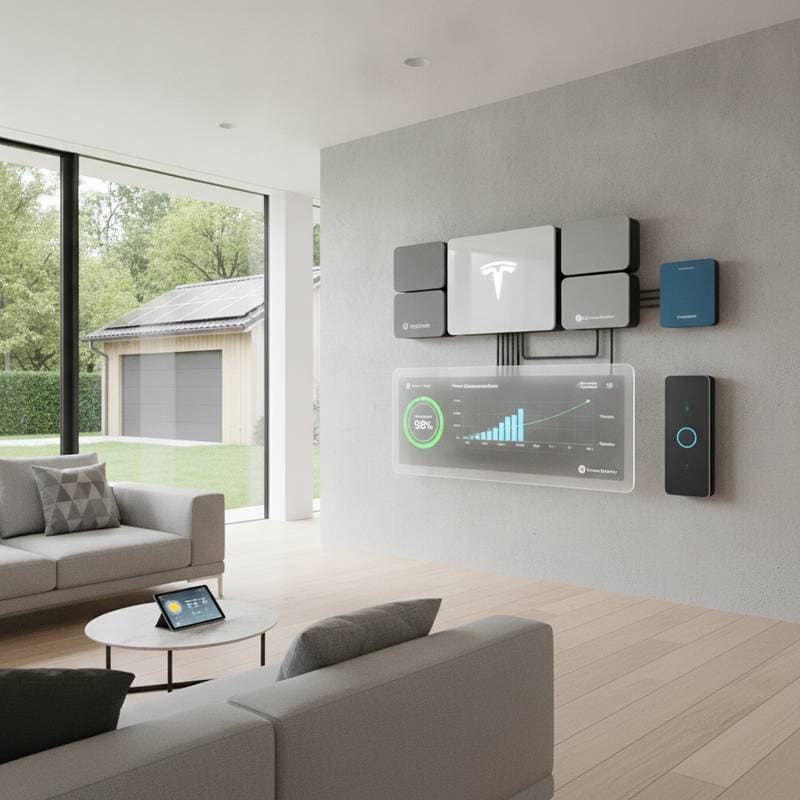
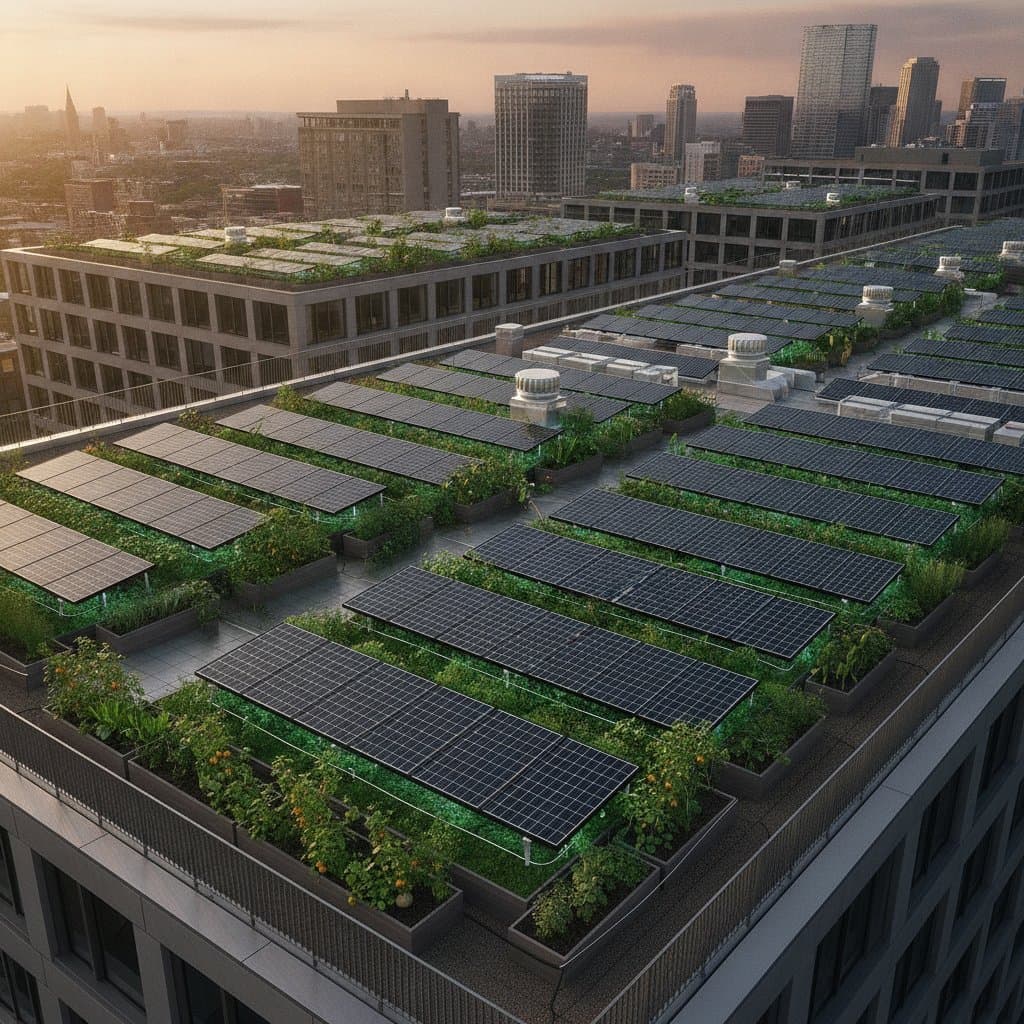
Grid-interactive homes combine solar panels, advanced metering devices, and battery storage to handle energy dynamically. When generation surpasses household needs, the setup routes additional electricity to the grid automatically. Owners earn reimbursements via utility credits or cash payments, determined by local pricing frameworks and regulatory policies.
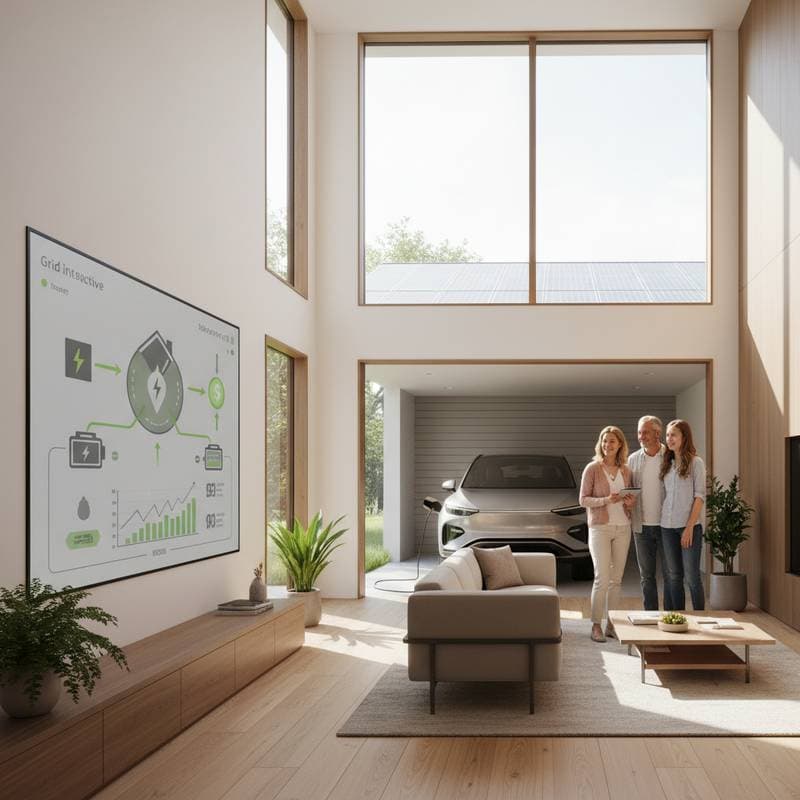
Annual yields typically fall between 5 and 15 percent, influenced by regional tariffs, equipment performance, and daily consumption habits. Households with electric vehicles unlock further potential. Vehicle-to-grid systems transform EV batteries into distributed storage, allowing them to supply power during high-demand periods on the grid. Such integration not only boosts earnings but also aids overall network reliability.
Real-World Application
To illustrate, examine a standard setup:
- Solar panel capacity: 8 kilowatts
- Battery capacity: 13 kilowatt-hours
- Sell-back rate: 10 to 20 cents per kilowatt-hour
- Projected monthly earnings: 60 to 120 units of local currency
These figures fluctuate based on location and conditions, yet they highlight a promising trend. Systems with greater intelligence produce superior outcomes. Homeowners who fine-tune their configurations often see returns accelerate over time.
Balancing Financial Gains and Environmental Impact
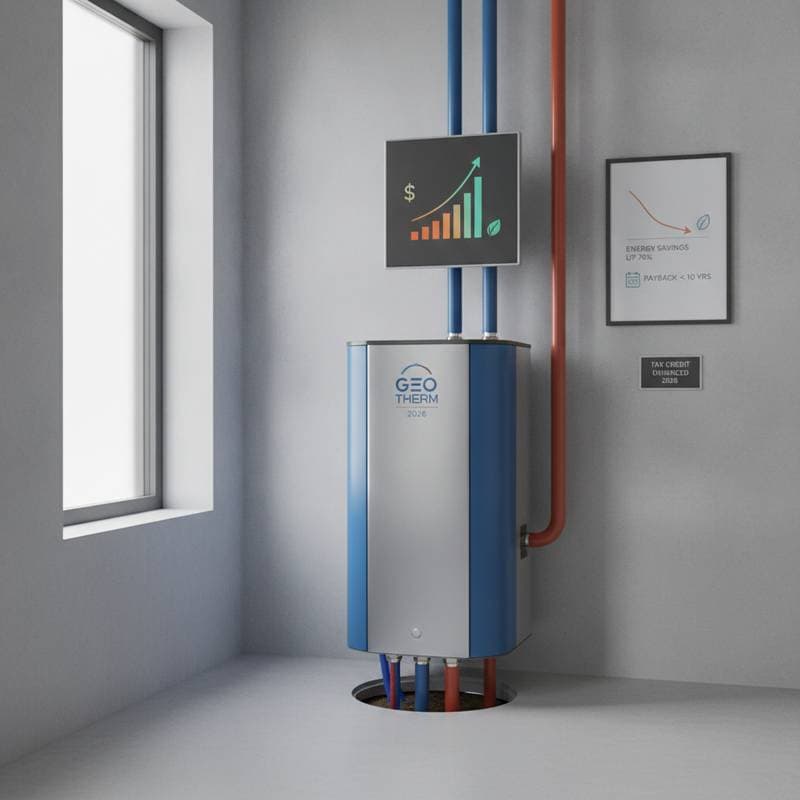
Financial benefits represent just one dimension of the value. Generating renewable power diminishes dependence on non-renewable sources and evens out future utility expenses. Combined bill reductions and revenue from sales can recoup upfront investments in five to eight years. Beyond that period, the installation yields ongoing profits with routine upkeep.
Market dynamics further enhance appeal. Properties featuring energy trading systems command premiums of 3 to 8 percent over comparable homes lacking such capabilities. Prospective buyers value self-sufficiency, durability against disruptions, and lower ongoing expenses. Grid-interactive designs address these priorities comprehensively.
In environmental terms, each kilowatt-hour sold back reduces carbon emissions equivalent to powering additional households sustainably. This collective effort supports broader goals of energy transition and climate mitigation. Homeowners contribute meaningfully while securing personal advantages.
Constructing an Effective Energy Network
Homeowners aiming to capitalize on this trend benefit from a structured implementation plan. Begin with foundational elements and build incrementally for optimal results.
- Install solar or wind generation equipment to establish a reliable renewable energy source.
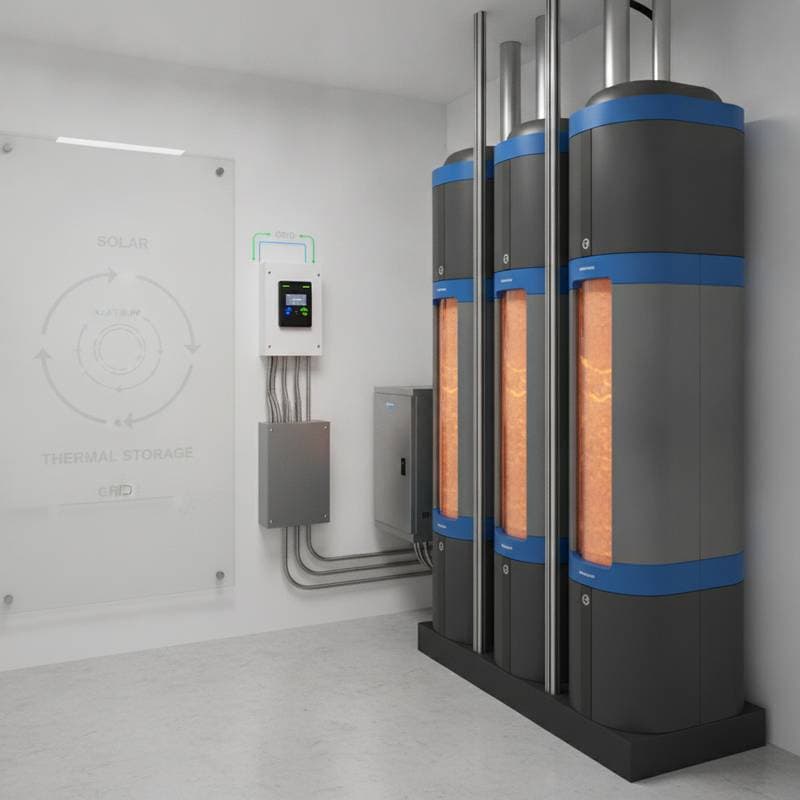
- Incorporate smart battery storage to hold energy for optimal sale timing during peak pricing.
- Deploy advanced smart meters that interface seamlessly with utility providers.
- Enable vehicle-to-grid features for electric vehicles to expand storage and revenue options.
- Adopt dedicated energy management applications to monitor outputs and refine operations daily.
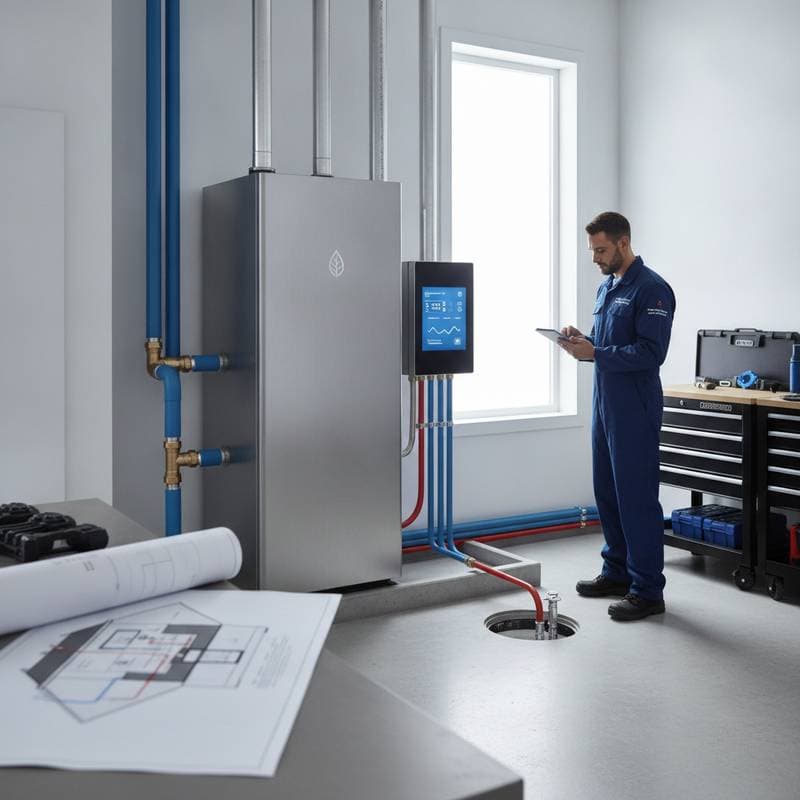
Each component enhances oversight, fortifies system security, and amplifies earning capacity. Engage certified specialists to customize installations that align with specific budgets and objectives. Scalable designs allow for future expansions as needs evolve.
Steps to Implement and Optimize Your System
Prospective adopters should prioritize assessment and preparation. First, analyze site suitability for solar exposure and review existing energy consumption data. Obtain detailed proposals from qualified experts familiar with renewable installations and grid compliance standards. Investigate available incentives, including grants for green improvements or favorable financing terms.
After deployment, conduct frequent performance reviews and adapt habits to align with high-value sell-back windows, such as evenings or weekends. Simple adjustments, like shifting appliance use, can increase efficiency. Over time, this proactive management maximizes both income and system longevity.
The outcome extends to a residence that compensates its owner while advancing a more stable and eco-friendly energy infrastructure. Grid-interactive setups transcend theoretical ideas; they offer a tangible route to fiscal autonomy and ecological accountability. Any property owner can embark on this path today, reaping rewards that grow with commitment.