Key Points
- Hempcrete reduces a building's carbon footprint by up to 70 percent compared to conventional materials.
- The mixture of hemp hurd, lime, and water forms a breathable, mold-resistant wall system that enhances indoor air quality.
- Hempcrete absorbs carbon throughout its lifespan, serving as a long-term carbon sink.
- Builders report lower energy bills from its superior insulation and thermal mass properties.
- Although initial costs may be higher, lifecycle savings and environmental benefits provide a strong return on investment.
Rethinking What Homes Can Be
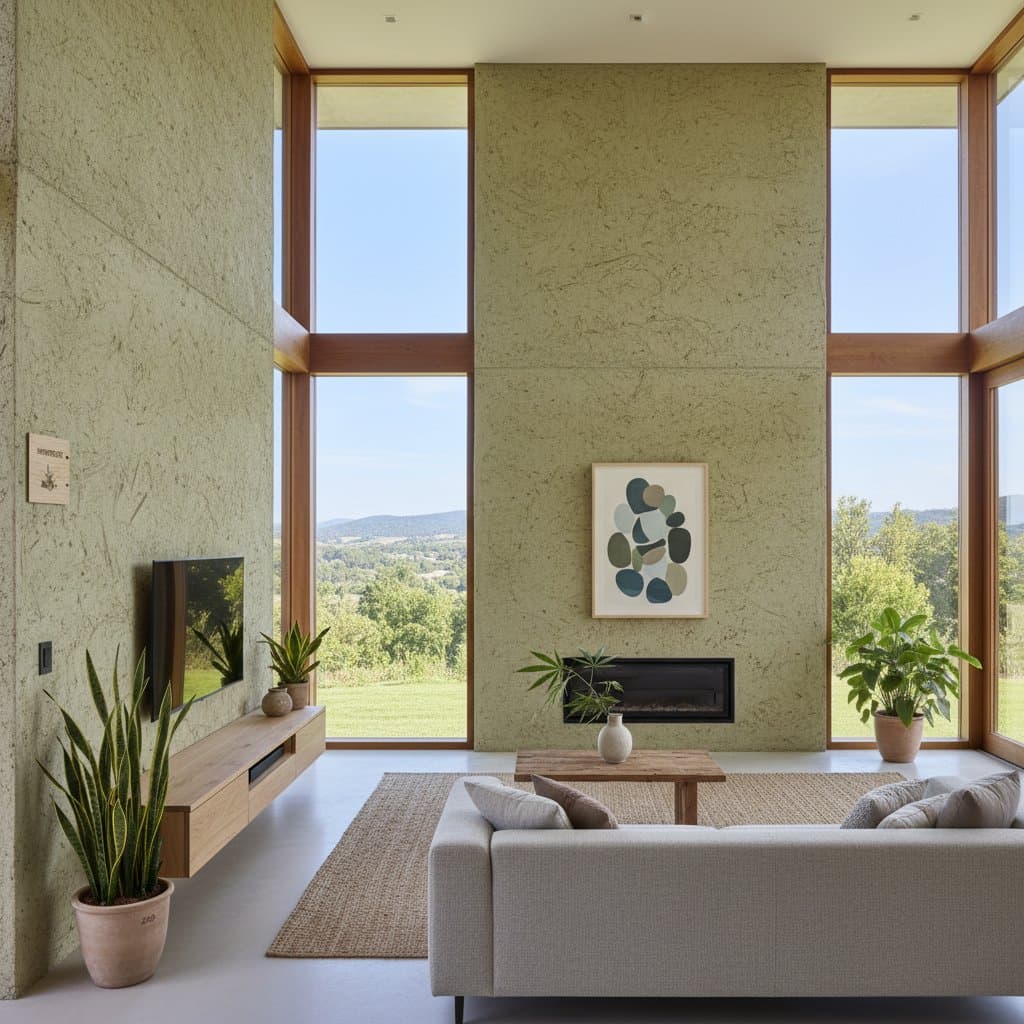
Picture entering a home that maintains natural warmth in winter and coolness in summer with minimal use of heating or air conditioning. The walls regulate humidity and filter the air naturally. Each square meter sequesters carbon from the atmosphere. This describes a hempcrete house, which is reshaping sustainable construction practices.
The building industry faces the environmental toll of concrete, steel, and synthetic insulation. Hempcrete emerges as a viable alternative. This material challenges traditional construction assumptions and provides a model for cleaner, healthier environments.
What Hempcrete Is and Why It Matters
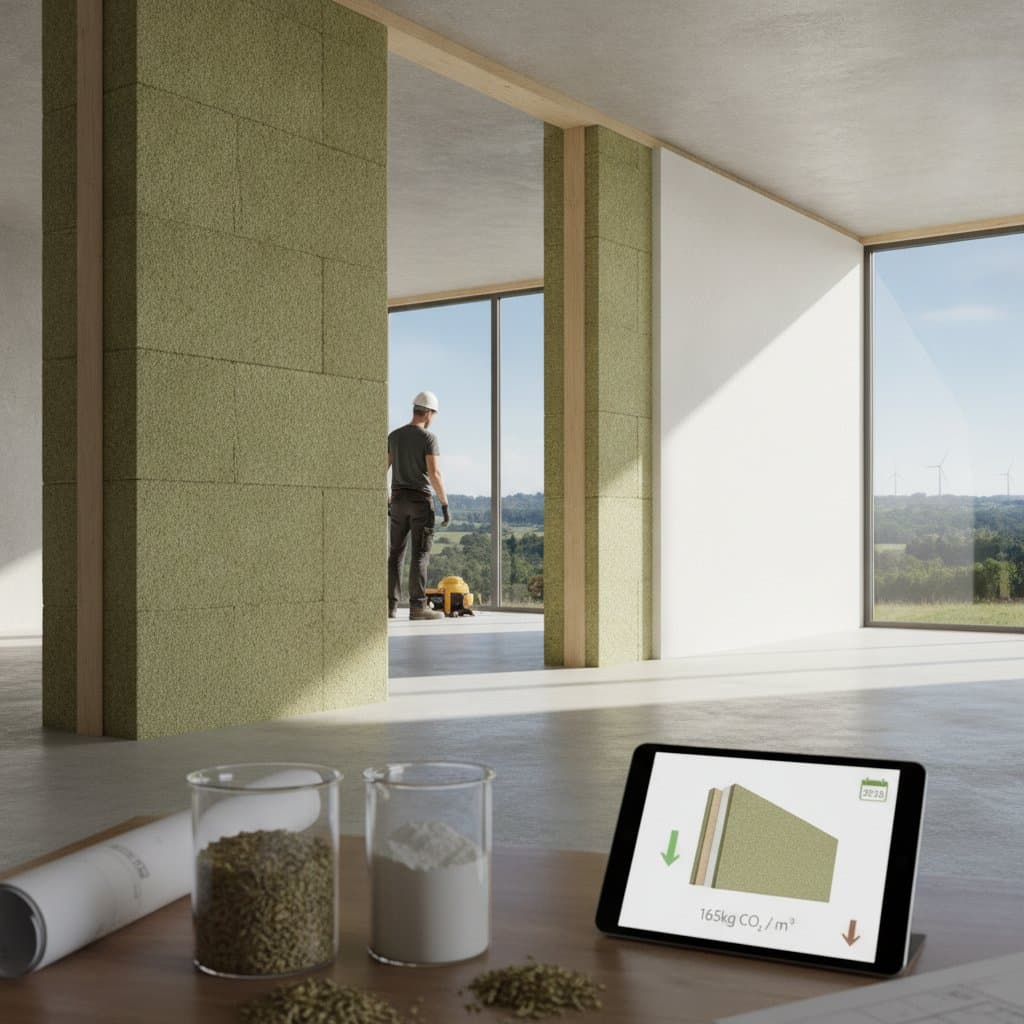
Hempcrete consists of the woody inner core of the hemp plant, called hurd, combined with lime and water. This biocomposite forms a lightweight, insulating material suitable for walls, floors, and roofs. It requires a timber or steel frame for structural support.
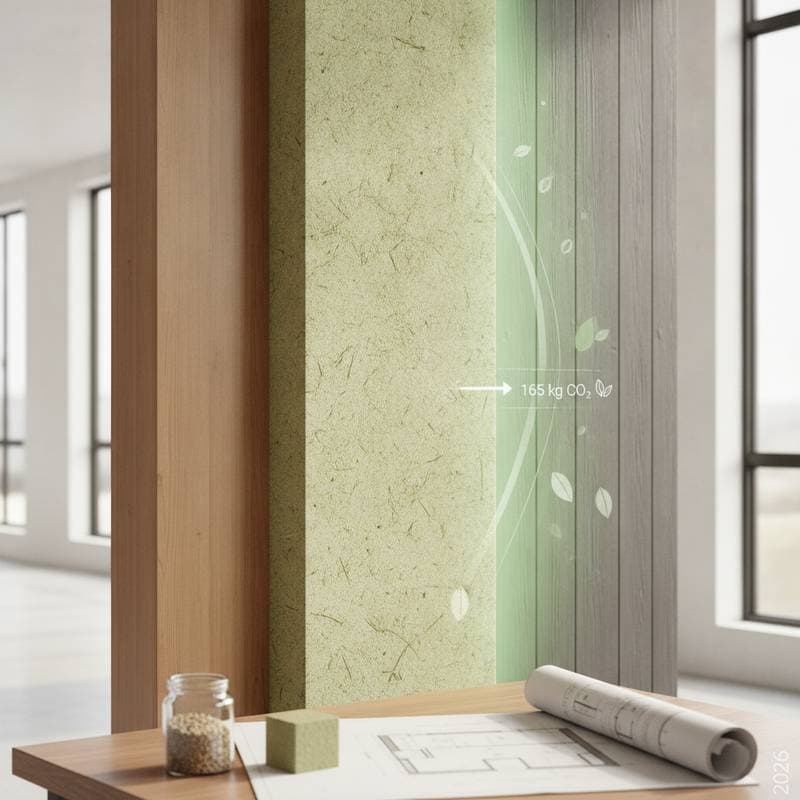
Hemp growth captures carbon dioxide from the air. The lime binder absorbs additional carbon during curing through carbonation. This dual mechanism enables hempcrete to sequester carbon long after installation. Research from sustainable building organizations indicates that one cubic meter stores about 100 kilograms of carbon dioxide.
Traditional concrete releases substantial carbon during production. Hempcrete, however, acts as a persistent carbon store. This characteristic influences architects and builders toward more sustainable designs.
The Science of Breathable Walls
Hempcrete's breathability stands out as a key feature. It permits moisture to pass through walls naturally, avoiding trapped dampness and mold growth. Conventional materials often use vapor barriers and synthetic insulation that retain moisture and compromise air quality. Hempcrete manages humidity effectively.
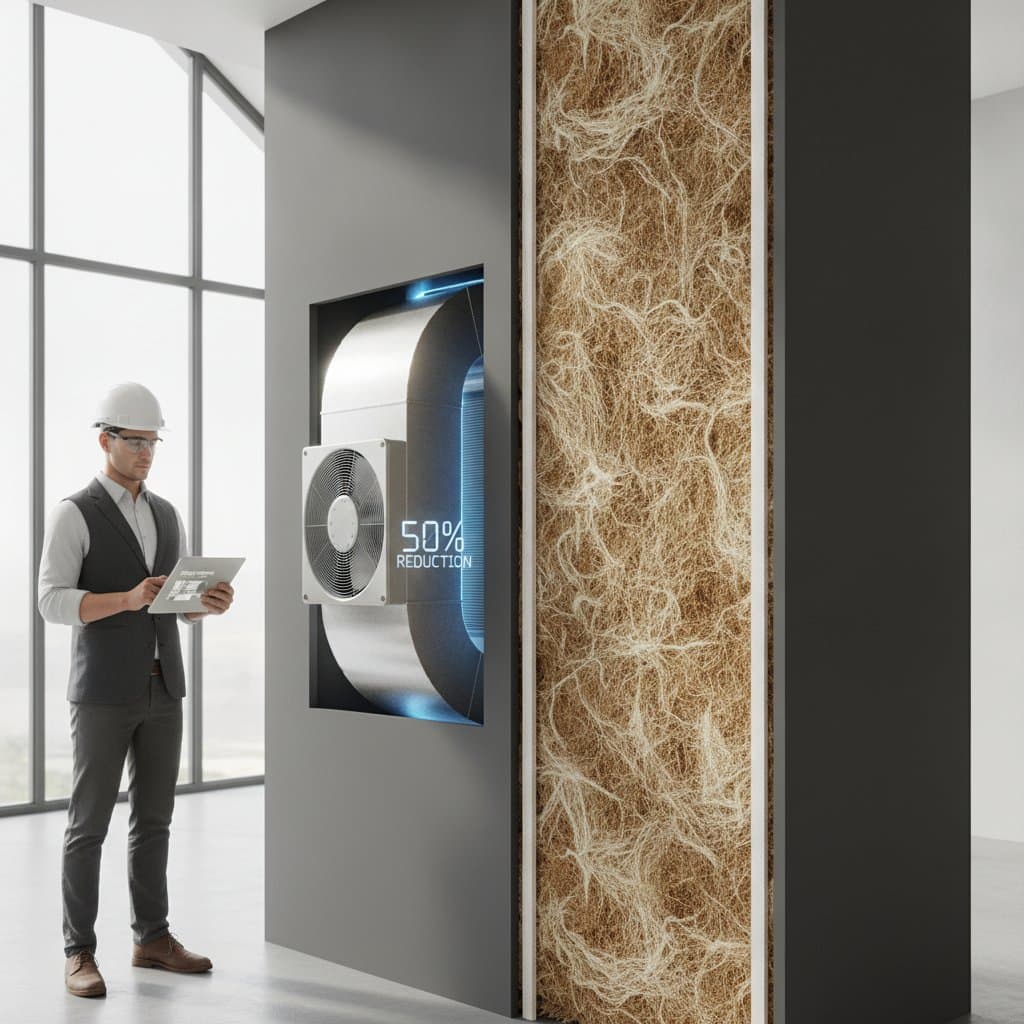
This property supports thermal comfort. Hempcrete walls maintain a consistent internal climate, decreasing reliance on mechanical systems. Homeowners achieve energy savings of up to 50 percent relative to standard builds. Insulation paired with thermal mass ensures stable temperatures amid varying outdoor conditions.
Comparing Hempcrete to Traditional Materials
| Property | Hempcrete | Concrete | Fiberglass Insulation |
|---|---|---|---|
| Carbon Footprint | Carbon negative | High emissions | Moderate emissions |
| Thermal Performance | High insulation and thermal mass | Poor insulation | High insulation, no thermal mass |
| Moisture Regulation | Breathable | Impermeable | Non-breathable |
| Durability | Long lifespan, resistant to mold and pests | Long lifespan, prone to cracking | Degrades over time |
| Indoor Air Quality | Improves air quality | Neutral | Can emit VOCs |
| Recyclability | Fully recyclable | Limited recyclability | Difficult to recycle |
This comparison underscores hempcrete's advantages. It offers durability and thermal efficiency while avoiding the environmental and health issues of standard materials.
Practical Considerations for Builders
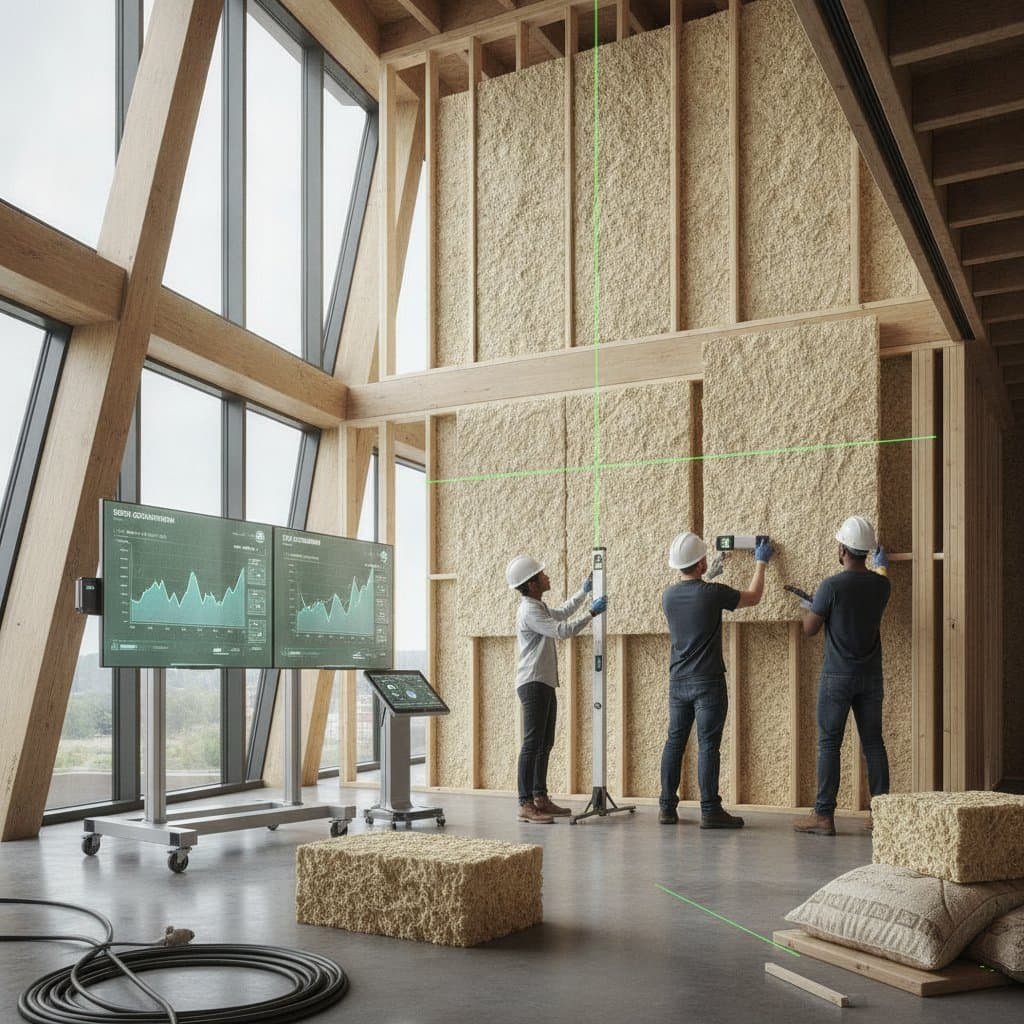
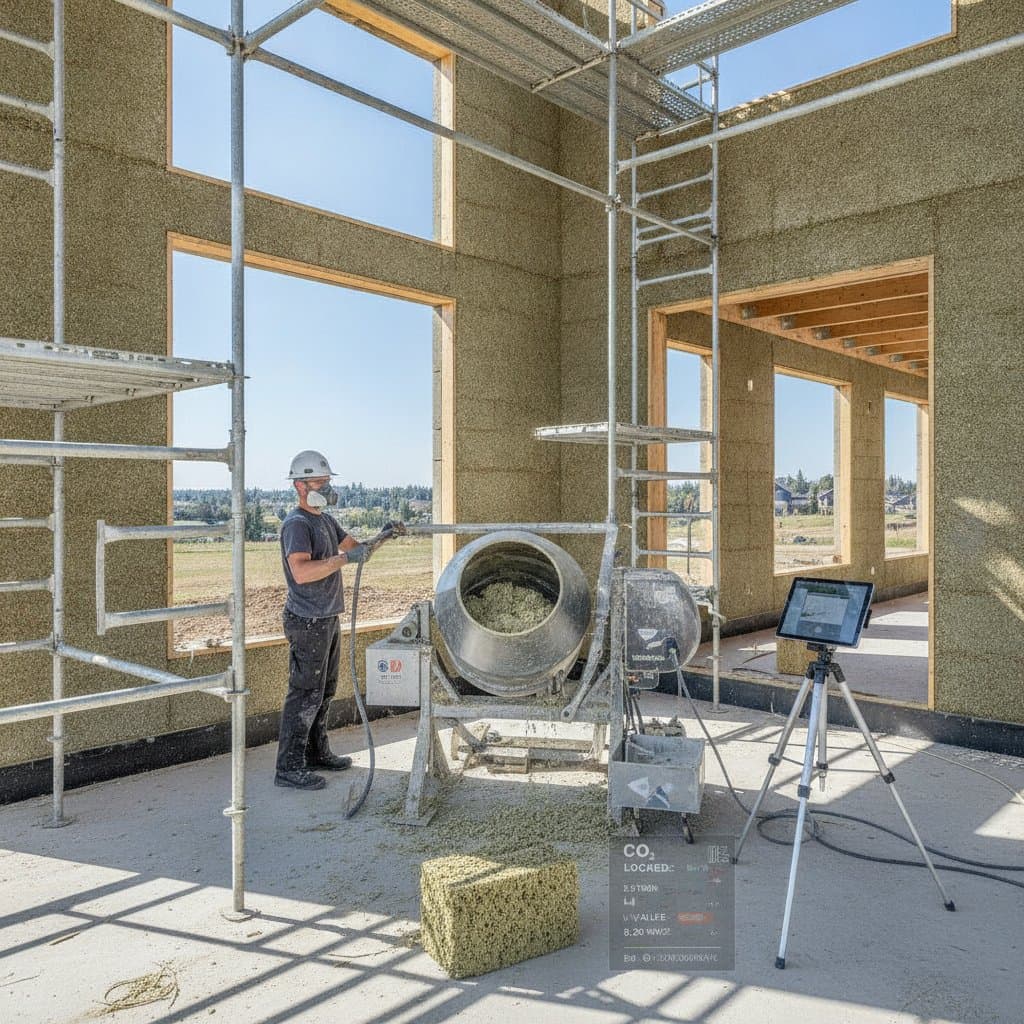
Integrating hempcrete into construction proves straightforward. No specialized equipment is necessary; mix it on-site or use pre-formed blocks. Its light weight simplifies handling and cuts transportation expenses.
Curing takes longer than concrete, potentially lengthening timelines. The result yields a healthier, more sustainable building. Workers find it easy to shape and trim as required.
Project scale and local supplies influence costs. Hempcrete typically raises upfront expenses by 10 to 15 percent. Energy savings and minimal maintenance offset this within years. Reduced HVAC needs accelerate payback in many cases.
Environmental Impact and Carbon Accounting
Hempcrete's benefits surpass carbon sequestration. Hemp farming enhances soil, uses few pesticides, and fits crop rotations. The plant grows rapidly, yielding substantial biomass per hectare. It ranks among the most efficient construction resources.
A building's full carbon footprint includes operational energy. Hempcrete lowers heating and cooling needs, amplifying lifetime savings. Sustainable architecture experts advocate whole-life assessments. The International Hemp Building Association notes up to 110 kilograms of net carbon storage per square meter, including growth and lime carbonation. This achieves true carbon-negative status for structures.
Health and Indoor Comfort
Hempcrete supports occupant well-being. Indoor air quality affects health significantly. Synthetic paints, insulation, and adhesives often introduce pollutants. Hempcrete avoids harmful chemicals; its lime resists mold, bacteria, and pests.
Residents note a fresh, natural ambiance. Humidity control reduces respiratory issues. Acoustic qualities dampen noise between rooms. This material blends performance with comfort and tranquility.
Market Growth and Regulatory Shifts
Governments and authorities update codes to promote low-carbon options, boosting hempcrete adoption. Manufacturers standardize production to lower costs and ensure consistency. Pilot projects in various regions confirm its commercial potential for housing.
Insurers and lenders increasingly accept hempcrete. Expanding certifications ease financing and coverage. This pattern resembles other sustainable innovations moving from niche to mainstream.
Architect Daniel Carr, experienced in large hempcrete projects, states, "Hempcrete isn’t just greener, it’s smarter. It creates homes that respond to their environment rather than fighting against it." His view signals an industry trend linking sustainability with performance.
The Economics of a Hempcrete Home
Sustainability need not mean higher costs. Hempcrete proves financially viable. Analyses reveal 8 to 12 percent annual returns from energy savings, low maintenance, and incentives.
Savings break down as follows:
- Energy Efficiency: Reduced heating and cooling bills contribute 50 to 60 percent of long-term gains.
- Maintenance Savings: Resistance to pests and moisture cuts repairs by up to 30 percent over the home's life.
- Health and Comfort: Better air and stable temperatures provide substantial value.
- Resale Premium: Eco-homes fetch 5 to 10 percent higher prices, per market data.
These elements position hempcrete as both ethical and economical.
Real-World Applications and Case Studies
Hempcrete adapts to diverse climates. In humid areas, vapor permeability averts moisture accumulation. In cold regions, thermal mass holds steady temperatures. In arid zones, it preserves indoor humidity.
Applications span new builds and renovations. One retrofit halved heating energy by swapping traditional insulation for hempcrete panels. A temperate project reached near-zero energy via hempcrete, solar, and passive design. These cases illustrate compatibility with broader sustainable systems.
Steps to Adopt Hempcrete Construction
Adopting hempcrete demands education and teamwork. Architects, builders, and owners should learn its properties, design principles, and sourcing. Training and certifications grow, alongside user-friendly pre-mixed options for smaller projects.
Start by consulting local suppliers for material availability. Engage certified professionals to assess site suitability. Plan for extended curing in timelines. These steps ensure successful integration, yielding durable, low-carbon homes that enhance living quality.