Key Points
- Hempcrete emerges as a bio-based insulation material that sequesters more carbon than it produces during manufacturing.
- Initial material expenses exceed those of fiberglass or foam alternatives, yet lifecycle analyses highlight robust returns through energy efficiency and carbon credits.
- Effective implementation requires careful attention to moisture management, structural integration, and fire-resistant design elements.
- The material fosters superior indoor air quality thanks to its vapor-permeable structure and absence of toxic compounds.
- Property owners can incorporate hempcrete in new builds or renovations, provided they consult experts in natural building techniques.
The Growing Importance of Hempcrete
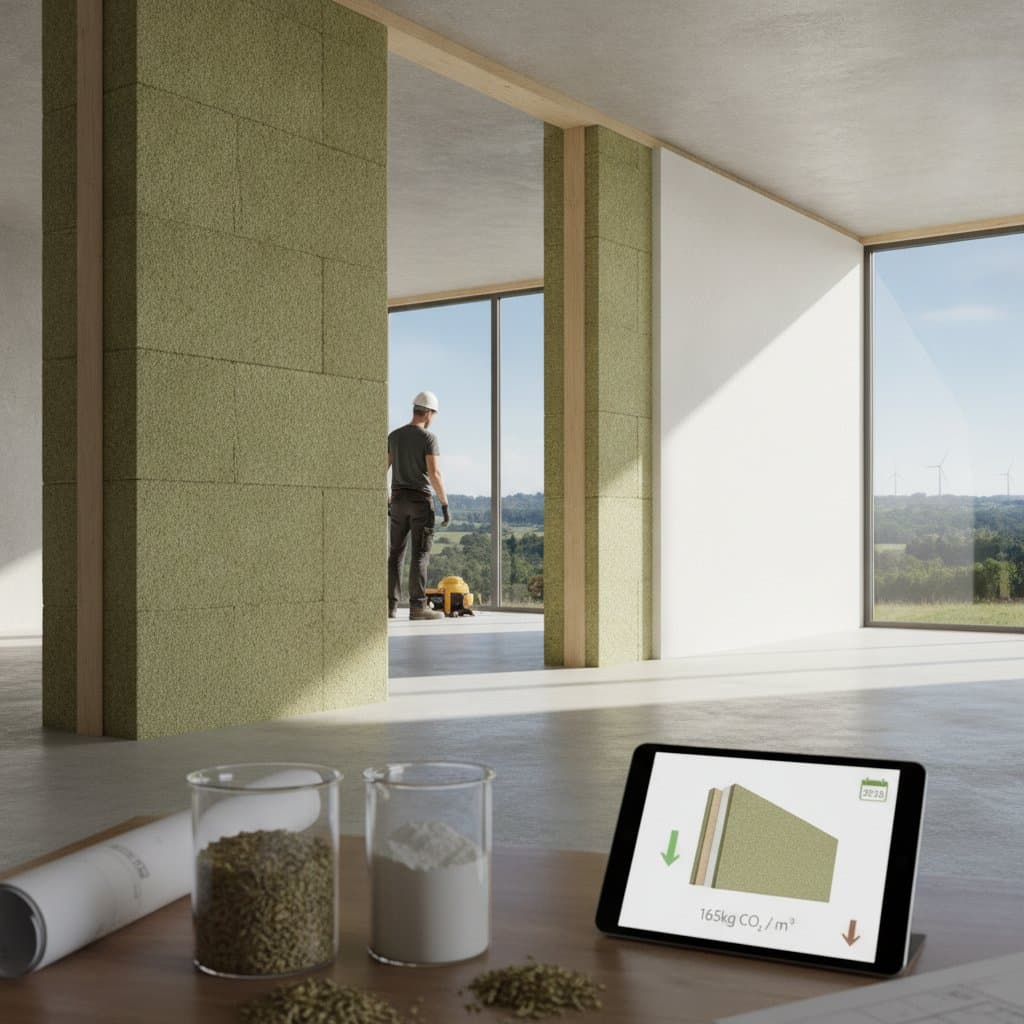
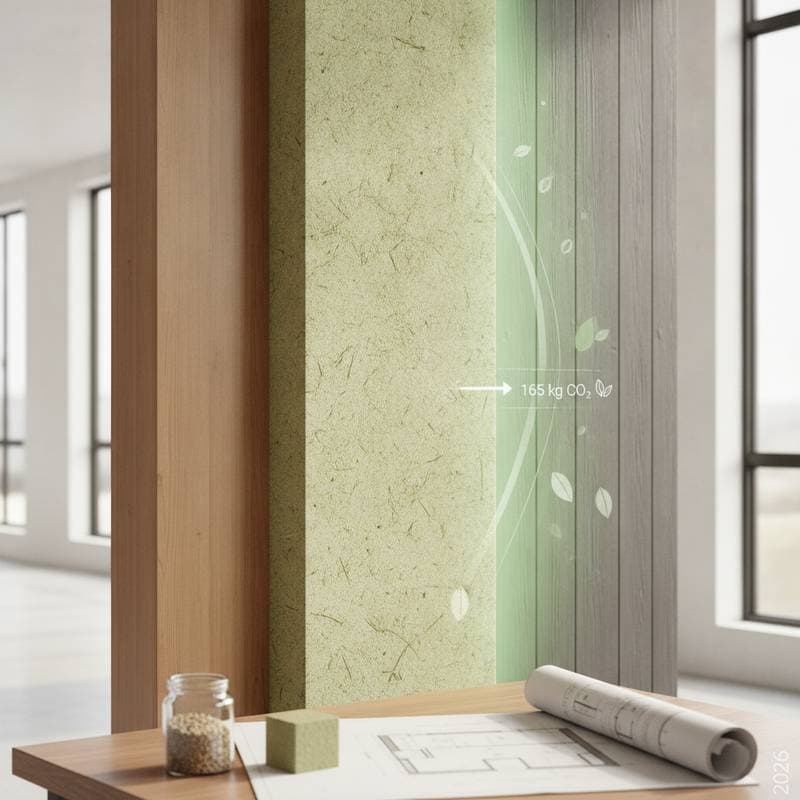
Conventional insulation options, including foam boards and fiberglass, depend on petroleum-derived components and resource-heavy production processes. These materials achieve adequate thermal resistance but seldom compensate for the greenhouse gases released in their creation. Hempcrete shifts this dynamic by actively capturing carbon. A single cubic meter of the material can lock away 50 to 100 kilograms of carbon dioxide, influenced by the precise blend of hemp hurds, lime binder, and water, as well as environmental curing factors. The lime component further contributes by absorbing CO2 gradually through carbonation, establishing the wall as a persistent carbon reservoir.
This carbon-sequestering trait extends beyond environmental gains to practical advantages. With carbon taxes and embodied carbon regulations gaining traction in building codes worldwide, hempcrete equips properties to meet or exceed compliance thresholds. Owners who adopt it early secure a strategic edge, as markets increasingly favor structures with verifiable low-emission profiles and potential for carbon offset credits.
Evaluating Costs and Long-Term Value
Constructing walls with hempcrete typically incurs 10 to 25 percent higher expenses compared to standard wood-framed systems with synthetic insulation, accounting for both materials and skilled labor. This premium diminishes in self-directed projects or those on a modest scale, where adaptable labor schedules reduce overhead. Factoring in reduced utility bills, better air purity, and lower upkeep needs, the investment yields an annual return equivalent to 8 to 10 percent or more in financial and environmental terms.
Over the full lifespan of a structure, hempcrete proves even more compelling. The material demands little in the way of repairs or replacements for 50 years or longer. In contrast to foam insulations that break down or release volatile compounds, hempcrete gains density and resilience as the lime binder undergoes mineralization. For homes in climates with high heating or cooling demands, these efficiency improvements can accumulate to savings of $5,000 to $15,000 across decades, depending on local energy rates and building size.
Supply Trends and Industry Evolution
The cultivation of industrial hemp has surged to meet rising needs for renewable building resources. This fast-growing crop thrives with minimal water inputs, enriches soil via extensive root systems that cycle nutrients, and matures in just 100 to 120 days. Regional processing hubs now operate in North America, Europe, and parts of Asia, which cuts down on shipping-related emissions and bolsters local agricultural sectors.
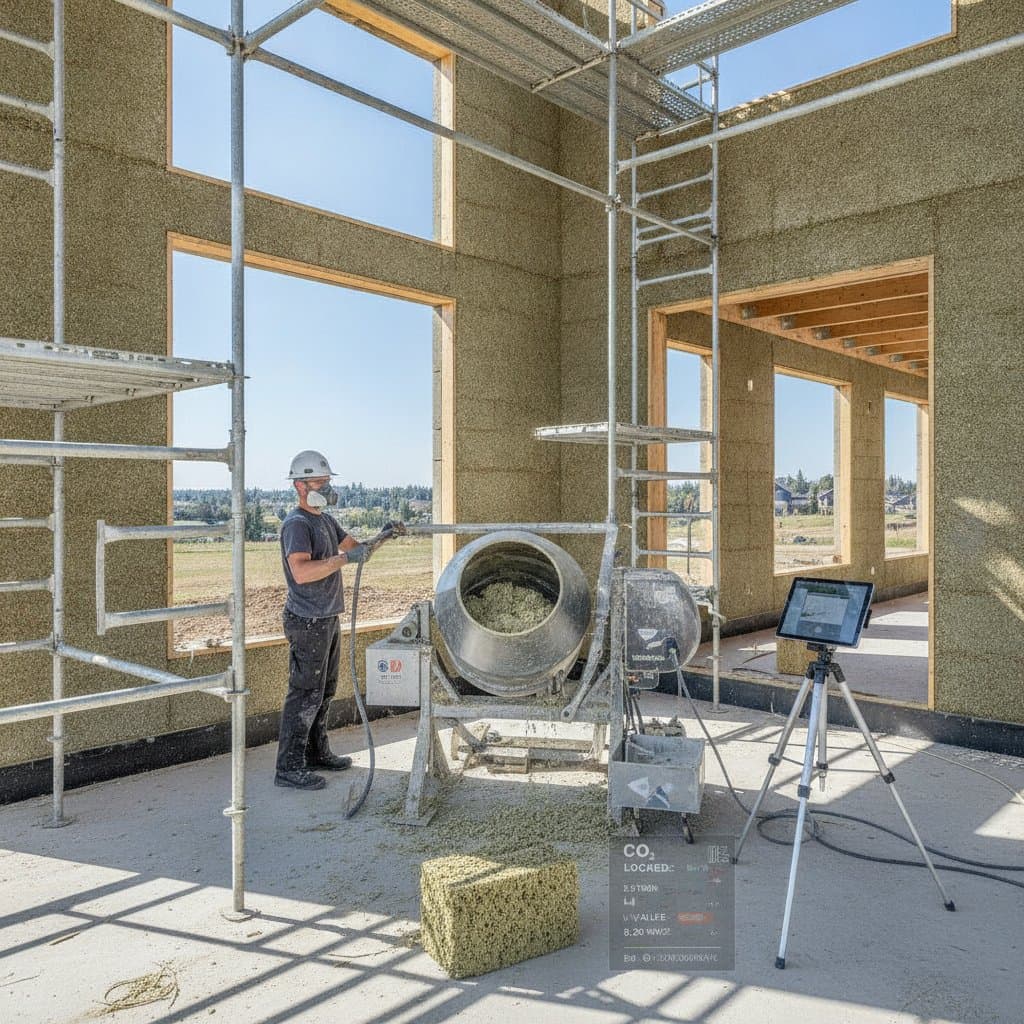
Supply reliability varies by location, however. Widespread use of hempcrete hinges on steady availability of uniform hemp hurds, high-purity lime, and certified applicators. Builders need expertise in formulating mixes for casting, tamping, or spraying to avoid issues like shrinkage cracks or inconsistent hardening. As vocational courses and certification programs proliferate, project schedules shorten, and pricing becomes more predictable.
Market recognition of hempcrete's sustainability features continues to grow through alignments with systems like LEED or BREEAM. These frameworks may soon credit the material's negative carbon footprint directly, potentially boosting resale values by 5 to 15 percent in eco-conscious regions.
Expert Advice for Successful Implementation
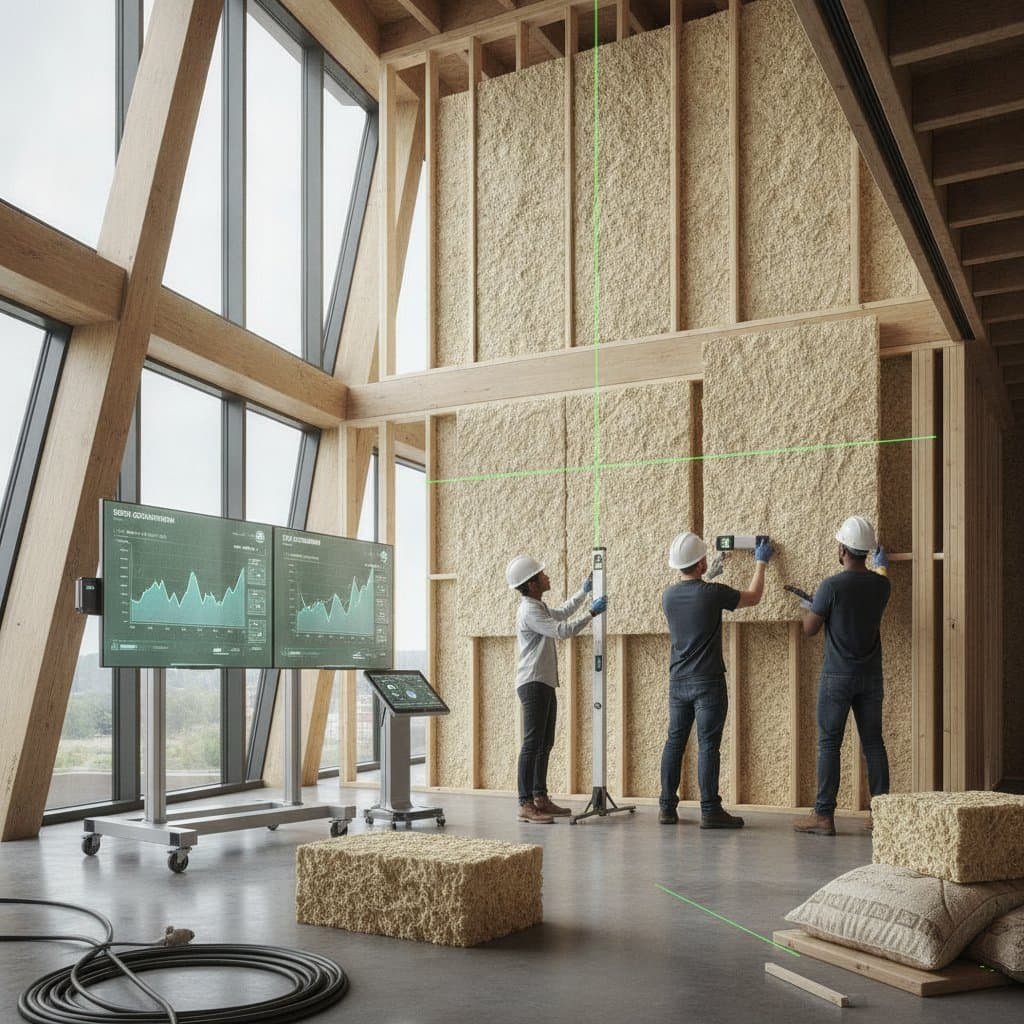
Hempcrete's unique properties necessitate input from specialists in bio-based construction. Seasoned contractors can recommend optimal binder-to-aggregate ratios, monitor humidity during curing, and select compatible load-bearing frames such as timber or light steel. Common pitfalls, including excessive compression or rushed drying, can undermine thermal performance or lead to mold risks.
Essential preparation involves these steps:
- Early design integration: Specify wall thicknesses from 8 to 12 inches, incorporate breathable membranes, and plan non-toxic surface treatments from the outset.
- Sourcing verification: Select suppliers offering hemp hurds with consistent 5- to 25-millimeter sizes and hydraulic lime meeting European standards like NHL 3.5.
- Curing timeline: Permit 28 days of initial drying in moderate conditions before enclosing with plasters or siding.
- Water management: Detail eaves, gutters, and slab edges to block rising damp and bulk water intrusion.
Adhering to these practices safeguards the wall's durability and maximizes its role in carbon storage.
Accessing Funding and Regulatory Support
Certain regions include bio-composite materials in rebates for energy-efficient upgrades or offer reduced-rate loans for green projects. Hempcrete might qualify under general categories for low-carbon innovations, even if not explicitly listed. Prospective users should consult municipal energy agencies or organizations like the U.S. Green Building Council to uncover applicable grants or tax credits.
Lenders also appreciate the stability of high-efficiency builds. Properties featuring reduced energy consumption and healthier interiors attract premium buyers, easing mortgage approvals and potentially lowering interest rates by 0.5 to 1 percent.
Steps to Integrate Hempcrete in Your Project
Begin by assessing your site's climate and structure type to confirm hempcrete's suitability. Engage a natural building consultant for a feasibility study, which typically costs $1,000 to $3,000 but prevents costly errors. Source materials from vetted producers and schedule installations during favorable weather seasons.
Monitor progress with simple tools like moisture meters to ensure even curing. Once complete, document the build for certification applications, unlocking further incentives. This approach not only enhances your home's performance but also contributes meaningfully to broader climate goals.