Understanding Hydrogen-Ready Heating Systems
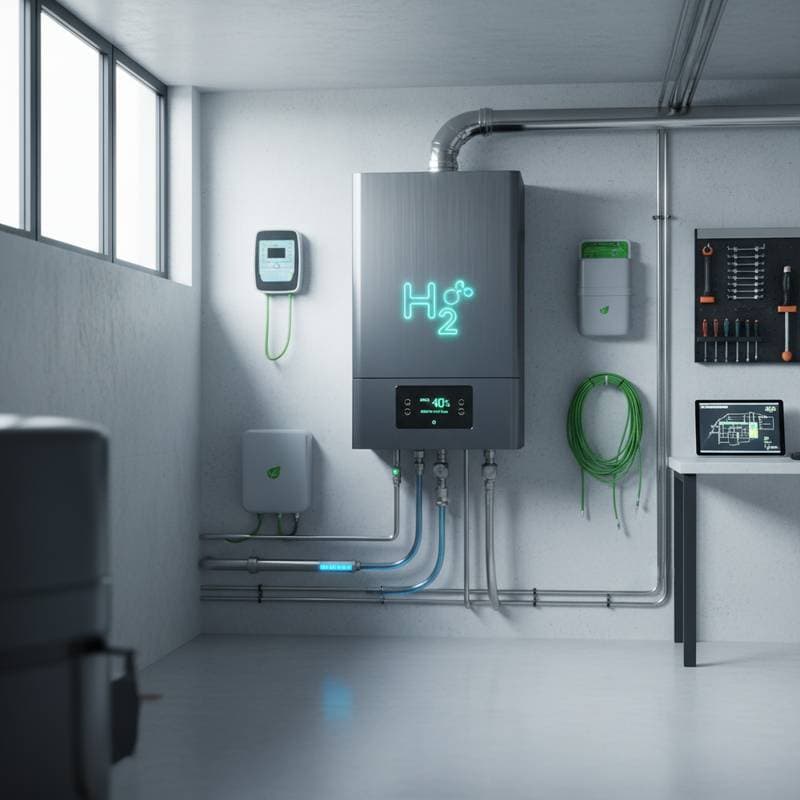
Hydrogen-ready heating systems represent a practical step toward sustainable home energy. These boilers function with natural gas today but adapt easily to hydrogen blends or pure hydrogen supplies in the future. By installing one now, homeowners prepare for the United Kingdom's planned hydrogen network rollout by 2026, avoiding disruptive retrofits later.
The core advantage lies in compatibility. Existing gas boilers often require full replacement for hydrogen use due to material differences. Hydrogen-ready models, however, incorporate durable components from the outset, ensuring seamless operation across fuel types. This design minimizes disruption and maximizes long-term efficiency.
Safety forms a foundational element. Hydrogen burns hotter and leaks more readily than natural gas, yet certified systems address these traits through advanced engineering. Regulators set strict guidelines, and manufacturers conduct extensive testing to verify performance under varied conditions.
Key Components for Seamless Installation
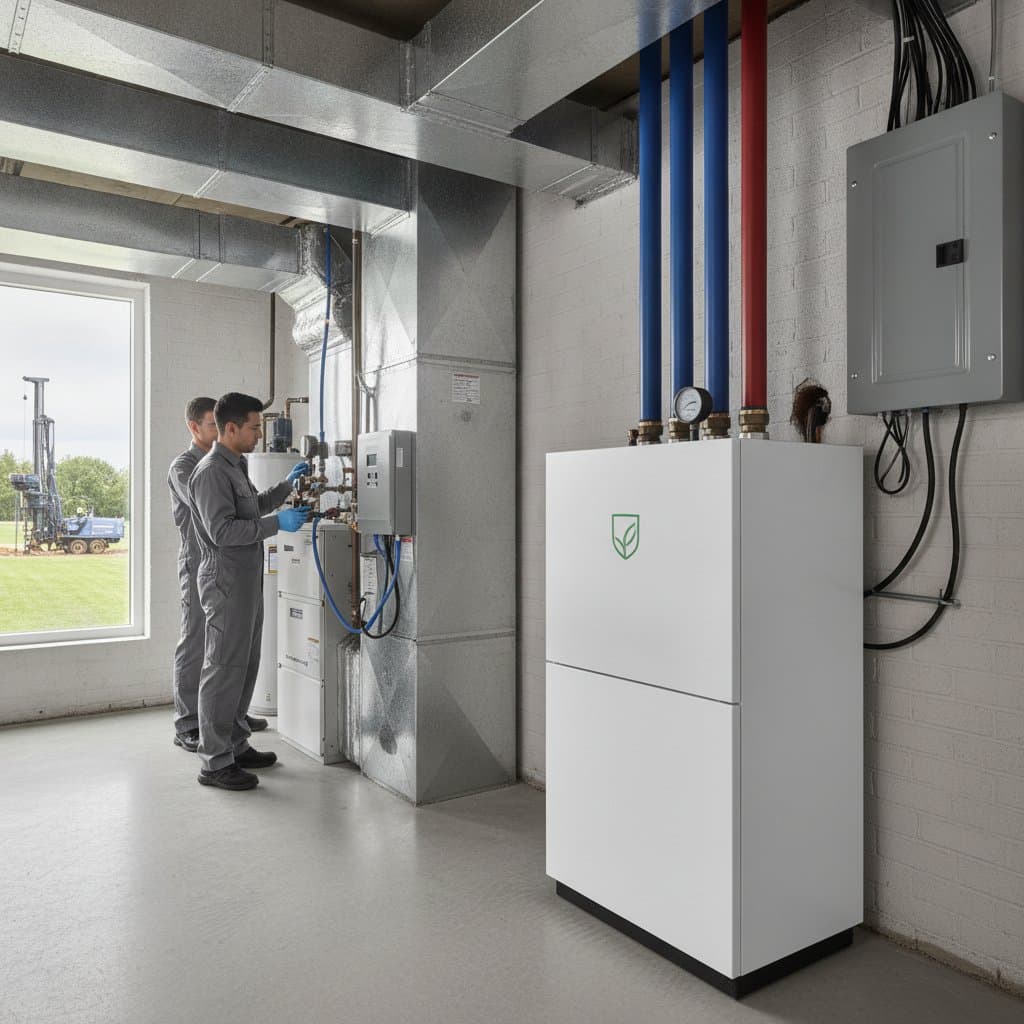
Successful integration of a hydrogen-ready boiler depends on evaluating home infrastructure. Professional assessments identify necessary adjustments, ensuring the system aligns with property specifics.
-
Boiler core and burner assembly: Built with hydrogen-compatible metals and seals that resist embrittlement. These units handle up to 20 percent hydrogen blends immediately, with full conversion capability later.
-
Controls and electronics: Feature programmable interfaces that adjust for hydrogen's faster flame speed. Smart sensors monitor fuel composition in real time, optimizing combustion for efficiency and safety.
-
Piping and supply infrastructure: Generally works with hydrogen blends, although certain seals and materials might need replacement prior to complete conversion. Inspectors check for corrosion-resistant lines to prevent issues during the switch.
-
Ventilation and safety systems: Equip with specialized sensors and flame detection for hydrogen's distinct properties. Hydrogen molecules, being smaller than methane, demand enhanced leak detection and ventilation protocols. These systems adhere to elevated safety benchmarks, with manufacturers validating them through simulated hydrogen environments to surpass standard gas certifications.
Installation typically spans one to two days for qualified technicians. Costs range from standard boiler replacements, with incentives often offsetting expenses for energy-efficient models.
Comparing Hydrogen Heating to Other Sustainable Options
Sustainable heating choices vary by home characteristics, local climate, and infrastructure access. Each option presents unique benefits and challenges, guiding informed decisions.
Hydrogen-ready boilers:
- Integrate with current radiators and piping
- Occupy minimal space
- Emit lower carbon when using green hydrogen
- Offer conversion options if natural gas persists
Air source heat pumps:
- Achieve high efficiency in temperate areas
- Perform best in insulated structures
- Involve higher initial investment, offset by reduced operational costs in electricity-supported zones
Ground source heat pumps:
- Deliver superior efficiency and durability
- Demand extensive setup and expense
- Suit new constructions or large-scale remodels
Biomass systems:
- Rely on renewable organic fuels
- Necessitate ongoing deliveries and storage
- Face limitations in cities from emissions controls
Hydrogen-ready systems fill the space between traditional gas reliance and complete electric shifts. They enable straightforward upgrades while preserving reliable heat output.
Resilience and Long-Term Performance
Hydrogen-ready installations extend beyond savings to enhance home durability. They adapt to energy market changes and lessen reliance on one fuel source. As worldwide energy mixes evolve, versatile equipment shields against disruptions in supply chains.
These boilers parallel the lifespan of standard models, enduring 12 to 15 years under regular care. Shared parts with gas units keep servicing straightforward for skilled professionals. Annual checks maintain peak function, even post-hydrogen transition.
In regions prone to grid instability, hydrogen options provide backup potential through blended fuels. This flexibility supports consistent warmth during peak demand or outages.
Design Integration and Aesthetic Considerations
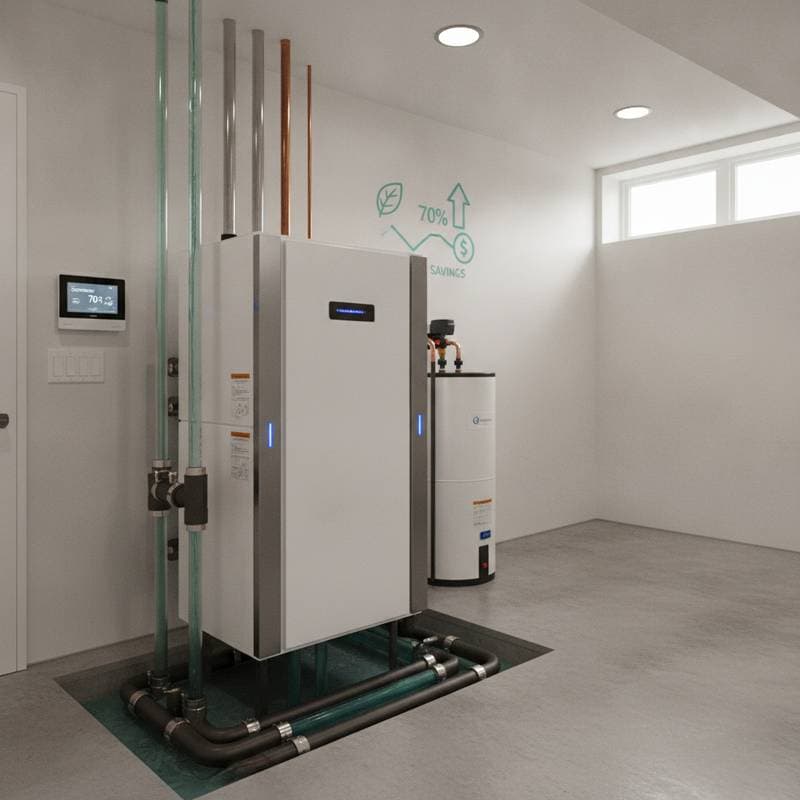
Homeowners often concern themselves with how upgrades affect visual appeal. Hydrogen-ready boilers fit existing setups without major alterations. Their sizes mirror conventional gas units, facilitating direct swaps in utility areas.
For renovations, these systems slot into current frameworks effortlessly. New constructions benefit from integrated planning, where compact designs tuck into walls or cabinets. In historic homes, hidden installations uphold original aesthetics while elevating efficiency.
Designers recommend consulting early to match boiler placement with interior themes. Neutral casings and quiet operation ensure the upgrade remains unobtrusive.
Financing and Budget Strategy
Adopting hydrogen heating involves strategic financial planning. Opt for a ready boiler that works now, then upgrade as hydrogen networks expand. This phased method distributes costs and prevents obsolete investments.
Budget planning tips:
- Obtain estimates from three or more certified installers to evaluate options and packages.
- Investigate green loans or incentives for efficient installations.
- Allocate 10 percent extra for surprises, like pipe modifications.
- Calculate total ownership costs, incorporating future fuel reductions.
For property owners and investors, these systems elevate market value. Low-emission, efficient homes command premium prices in sales and leases, driven by regulatory foresight and enhanced livability.
Future-Proofing Your Home Investment
Hydrogen-ready heating aligns with energy autonomy and ecological priorities. Expanding renewable power will scale green hydrogen output, positioning it central to eco-friendly residences. Prepared homes remain viable amid shifting policies and economics.
In building sectors, incorporating hydrogen readiness signals progressive intent. Developers gain recognition for sustainability, while residents secure comfort and financial returns. Even with delayed full rollout, preparedness averts expensive overhauls.
Steps to Upgrade Your Heating System
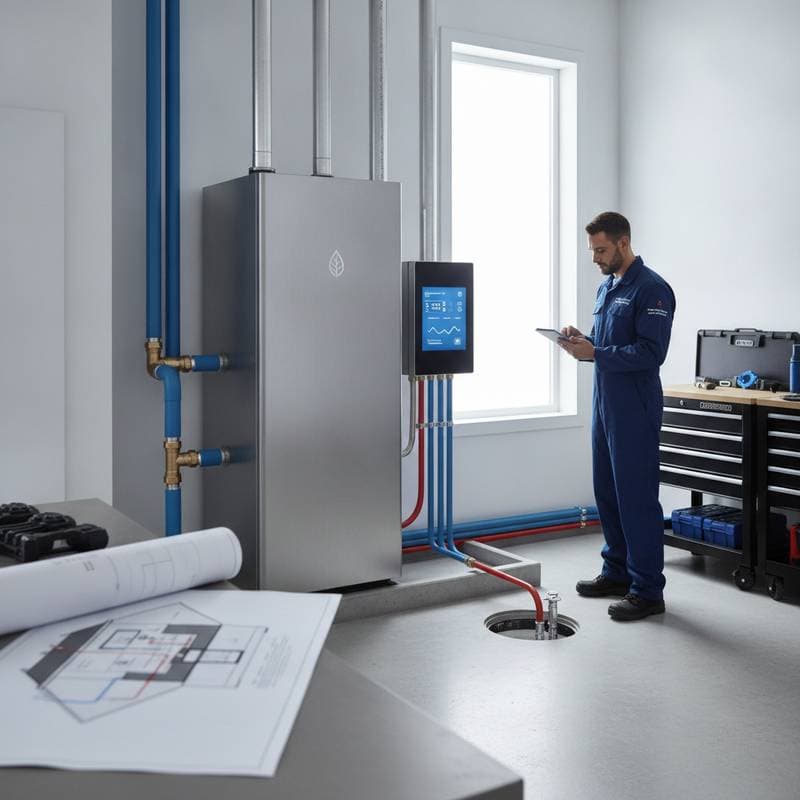
Begin by reviewing your boiler's age, efficiency rating, and service record. Properties with aging units benefit most from hydrogen-ready swaps. Engage a certified expert versed in gas and hydrogen to inspect piping compatibility.
Schedule a site visit to map out requirements. Discuss timelines, warranties, and post-install support. With the 2026 horizon approaching, timely action secures savings and sustainability.
The Sustainable Edge
Equipping your home with hydrogen-ready heating delivers enduring advantages. It lowers costs, safeguards the environment, and future-proofs investments, ensuring reliable comfort for years ahead.