Mycelium Insulation: Reduce Energy Bills by 30 Percent
In an era where energy efficiency drives both household savings and environmental stewardship, innovative materials emerge to meet these demands. Mycelium insulation stands out as a breakthrough in sustainable construction. Derived from the root-like structures of fungi, this material offers superior thermal performance without the environmental drawbacks of traditional insulators.
Homeowners seek ways to lower utility costs while minimizing their carbon footprint. Mycelium-based products address these needs directly. By integrating biology into building science, they provide a viable alternative to foam or fiberglass options that often rely on petroleum derivatives.
Understanding Mycelium as a Building Material
Mycelium forms the underground network of mushrooms, consisting of thread-like filaments that bind organic matter. In insulation production, these filaments grow around agricultural waste such as corn stalks or hemp hurds. The result is a lightweight, rigid panel that mimics the structure of natural cork or wood.
This process requires minimal energy compared to manufacturing synthetic insulators. Producers inoculate the substrate with fungal spores in controlled environments, allowing growth over several days. Once mature, the material undergoes a heat treatment to halt fungal activity, ensuring stability and safety for indoor use.
The composition contributes to its eco-profile. Unlike polystyrene, which persists in landfills for centuries, mycelium panels decompose naturally within months. This biodegradability aligns with circular economy principles, where building materials return to the earth without harm.
Thermal Performance and Energy Savings
Effective insulation traps heat in winter and blocks it in summer, reducing reliance on heating and cooling systems. Mycelium achieves an R-value comparable to conventional materials, typically ranging from R-3 to R-5 per inch of thickness. This rating indicates its resistance to heat flow, directly translating to lower energy consumption.
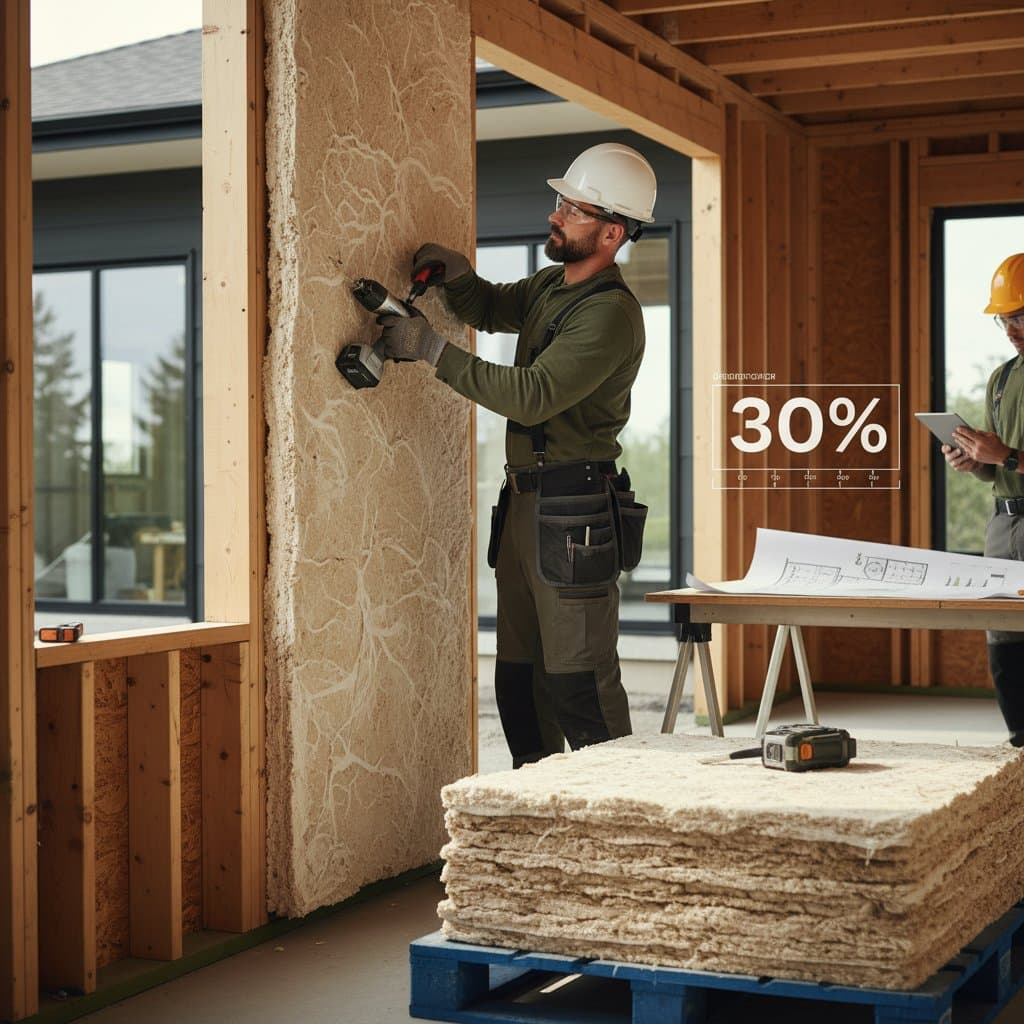
Studies demonstrate that installing mycelium insulation in walls and attics can decrease heating costs by up to 30 percent. In moderate climates, this savings compounds over time, often recouping installation expenses within five years. The material's density provides even heat distribution, eliminating cold spots that force systems to overwork.
Beyond numbers, the performance enhances indoor comfort. It absorbs sound waves effectively, creating quieter living spaces. This dual benefit of thermal and acoustic insulation appeals to urban dwellers facing noise pollution alongside energy concerns.
Environmental and Health Advantages
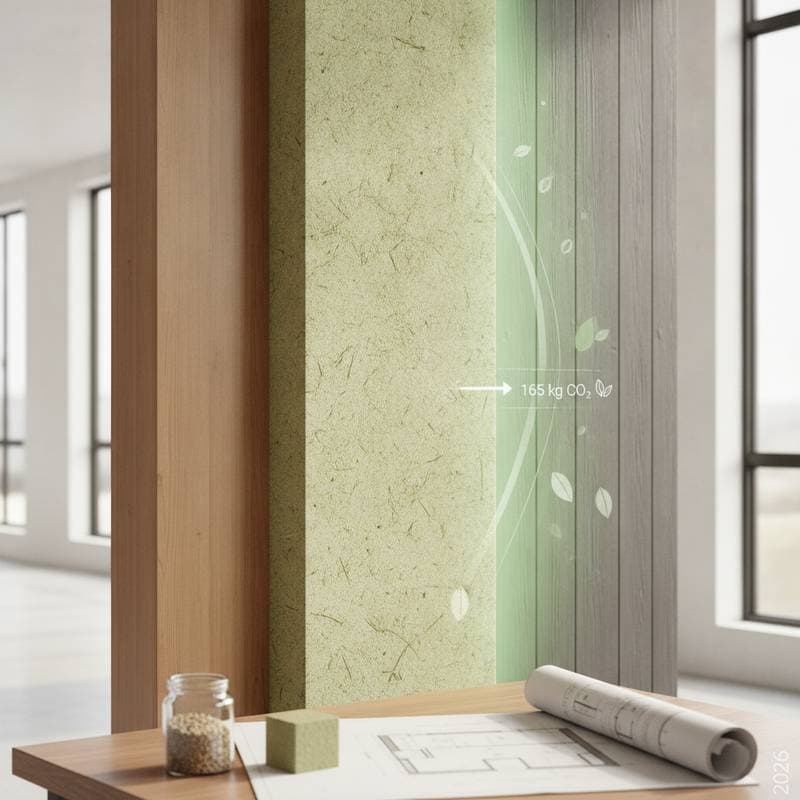
Sustainability defines mycelium insulation's appeal. Production emits far less carbon than mining fiberglass or extracting petrochemicals for foams. The fungi naturally sequester carbon during growth, storing it within the material for the building's lifespan.
Health considerations further elevate its value. Traditional insulators release volatile organic compounds that irritate respiratory systems. Mycelium, grown without chemicals, remains non-toxic and hypoallergenic. It resists mold growth due to its low moisture retention, promoting cleaner air quality indoors.
Fire safety represents another strength. When exposed to flames, mycelium chars rather than melting or releasing toxic fumes. This behavior meets building codes in many regions, offering peace of mind for families.
Practical Installation Considerations
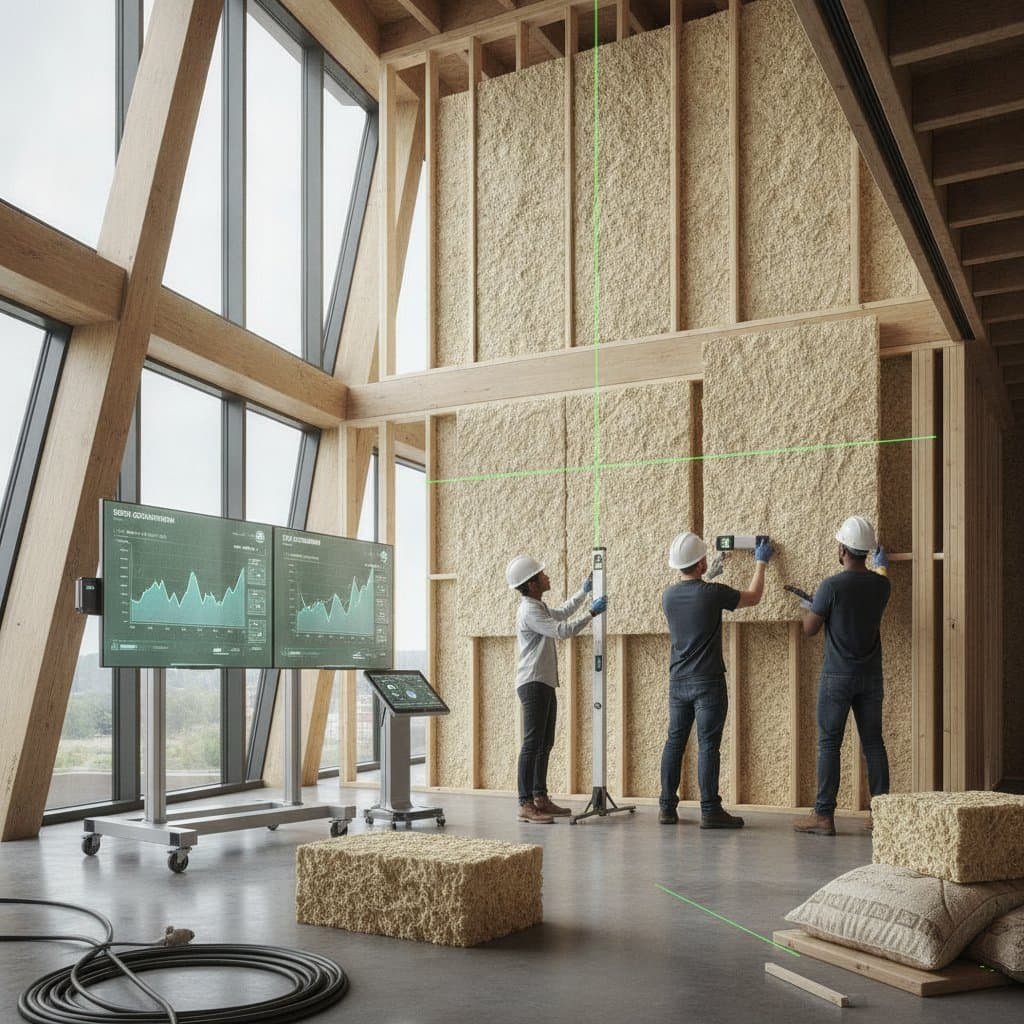
Incorporating mycelium insulation requires planning similar to other panel systems. Professionals assess wall cavities or attic spaces to determine panel sizes. Custom cutting ensures a snug fit, maximizing efficiency without gaps.
For DIY enthusiasts, smaller projects like insulating sheds prove feasible. Tools include a utility knife for trimming and adhesive for securing panels. Always wear gloves and masks during handling to avoid spore exposure, though treated products pose minimal risk.
Cost factors influence adoption. Initial prices range from 20 to 50 percent higher than fiberglass, but long-term savings offset this. Incentives such as green building rebates can further reduce expenses, making the switch accessible.
- Measure the area precisely to order correct quantities.
- Prepare surfaces by removing old insulation and cleaning debris.
- Install panels starting from the bottom, using fasteners or friction fit.
- Seal edges with natural caulk to prevent air leaks.
- Test for drafts post-installation and adjust as needed.
Comparing Mycelium to Traditional Options
Fiberglass insulation dominates markets due to low upfront costs, yet it demands protective gear during installation to avoid skin and lung irritation. Mycelium eliminates these hazards, streamlining the process. Its weight, about half that of mineral wool, eases handling on job sites.
Spray foams offer high R-values but expand unpredictably and contribute to indoor pollution. Mycelium provides predictable performance without off-gassing. In terms of lifecycle impact, it outperforms cellulose, which requires chemical treatments for fire resistance.
For renovation projects, mycelium's modularity shines. Panels fit into existing frames without major structural changes. This adaptability suits historic homes where preserving aesthetics matters alongside efficiency upgrades.
Advancing Home Efficiency with Mycelium
Adopting mycelium insulation marks a step toward resilient, low-impact living. It not only trims energy bills but also supports broader ecological goals. As production scales, availability increases, bringing this innovation to more households.
Consider the ripple effects: reduced grid strain eases pressure on fossil fuel plants, curbing emissions. Homeowners gain financial breathing room while contributing to planetary health. This alignment of personal and global benefits underscores mycelium's transformative potential.
Explore options through certified suppliers to ensure quality. With informed choices, sustainable insulation becomes a cornerstone of modern homes, fostering efficiency and responsibility for generations ahead.