Key Points
- Mycelium insulation provides thermal resistance equal to or surpassing many synthetic options, while incurring far lower environmental impacts.
- The material proves biodegradable, renewable, and suitable for local production from agricultural waste.
- Effective cultivation, drying, and sealing ensure sustained performance and durability.
- Initial users achieve energy reductions of 10 to 25 percent, influenced by building configuration and local climate.
- Its distinctive living architecture promotes energy efficiency and superior indoor air quality with correct installation.
Rethinking Home Insulation Materials
Consider insulating a residence with a substance that develops organically, purifies the atmosphere during formation, and decomposes harmlessly at the end of its life. Mycelium insulation delivers this vision. Homeowners seeking reduced energy expenses and sustainable practices find in this biological innovation a blend of advancement and feasibility.
Mycelium forms the underground network of fungi. Under regulated conditions, it creates compact, fibrous formations. After drying, the result yields a light, resilient substance that impedes heat movement, repels moisture, and deters pests. This approach avoids petrochemicals and energy-intensive production methods associated with synthetic foams or fiberglass, yielding a low-energy, low-emission product.
Financial and Environmental Advantages
Conventional insulation achieves solid results, yet frequently involves substantial embodied energy and challenging disposal. Mycelium insulation alters this balance. Producers can cultivate it on-site or nearby, utilizing byproducts like corn husks or sawdust, which curtails transport emissions and material expenses.
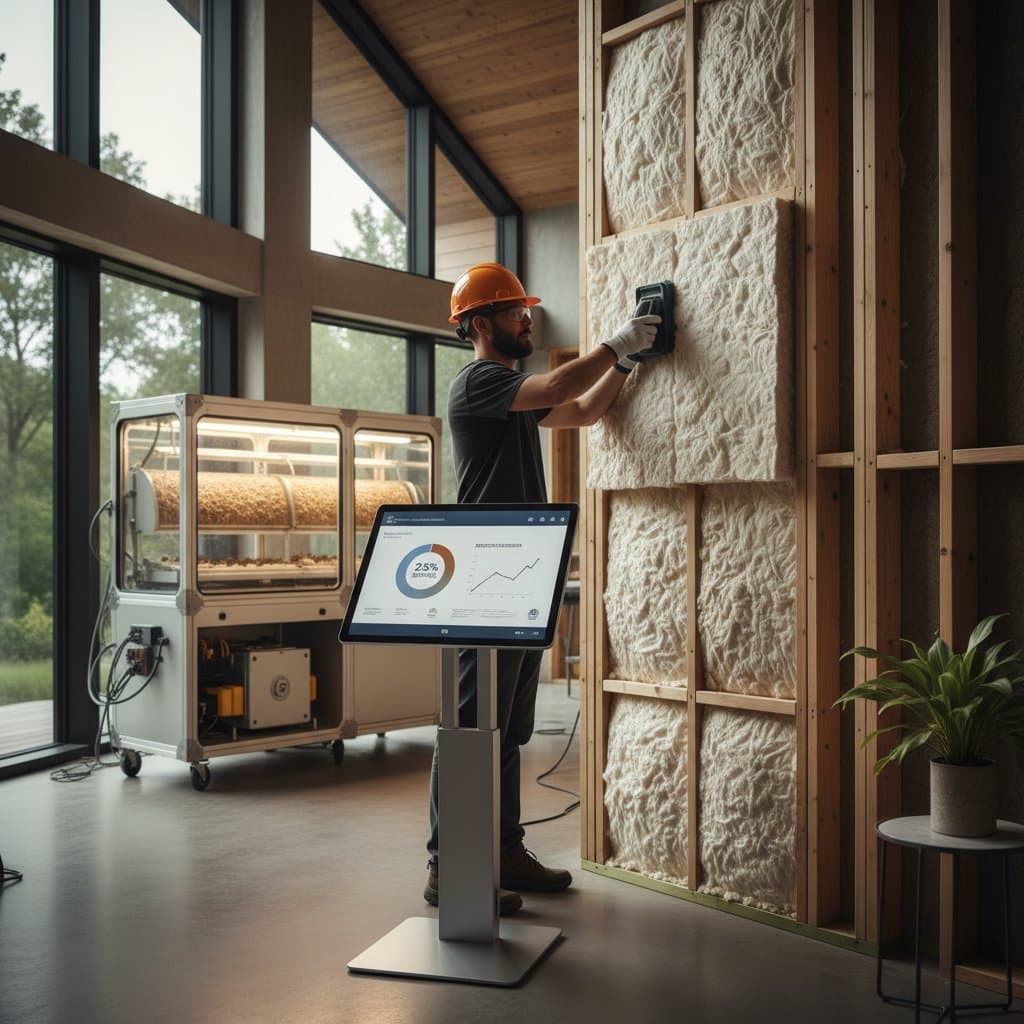
Financially, initial investment in mycelium insulation exceeds fiberglass by approximately 10 to 20 percent. Its elevated thermal mass and inherent breathability, however, diminish heating and cooling demands by as much as 25 percent. Across a standard mortgage term, such efficiencies generate thousands in savings and enhance property resale value, particularly as awareness of green building rises.
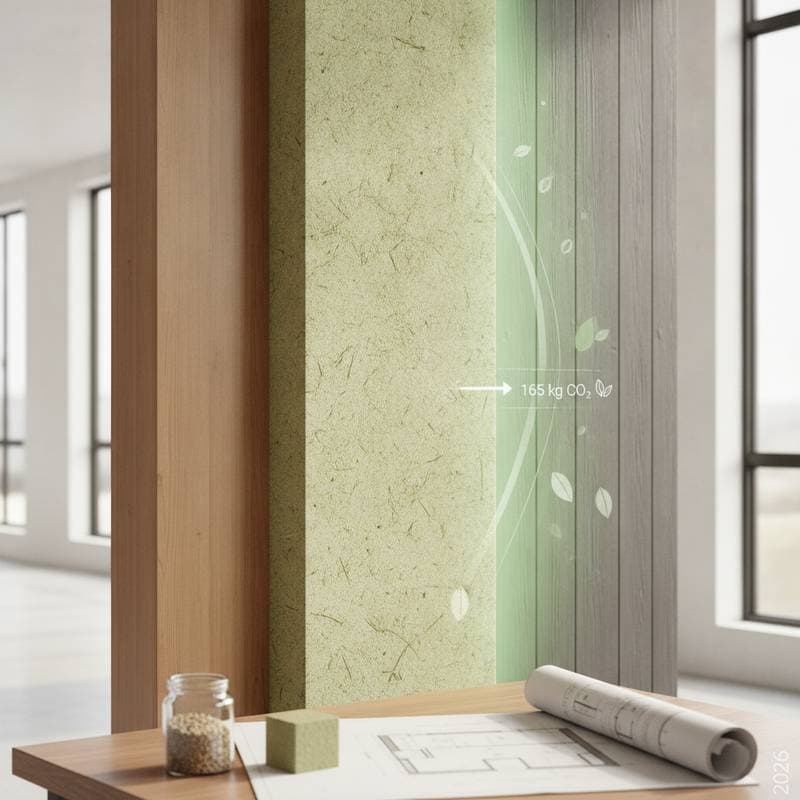
Environmentally, the material composts completely upon decommissioning. It introduces no microplastics or toxic remnants and sequesters carbon throughout growth. Compared to standard insulations, its full lifecycle emits 80 percent less carbon.
Mechanisms Within Building Assemblies
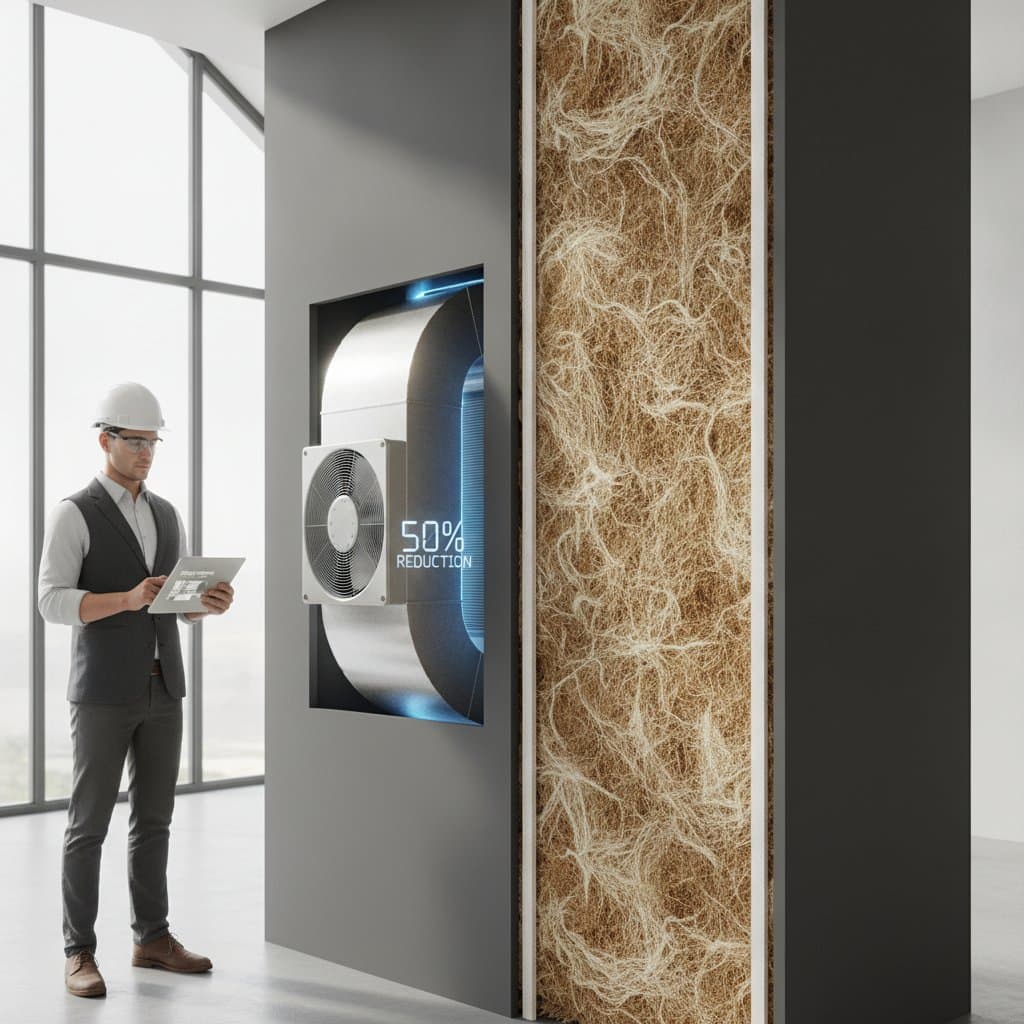
Mycelium insulation operates on established thermal barrier principles. The cellular framework captures air voids, limiting heat loss via conduction and convection. When thoroughly dried and sealed, it sustains R-values akin to mineral wool or cellulose.
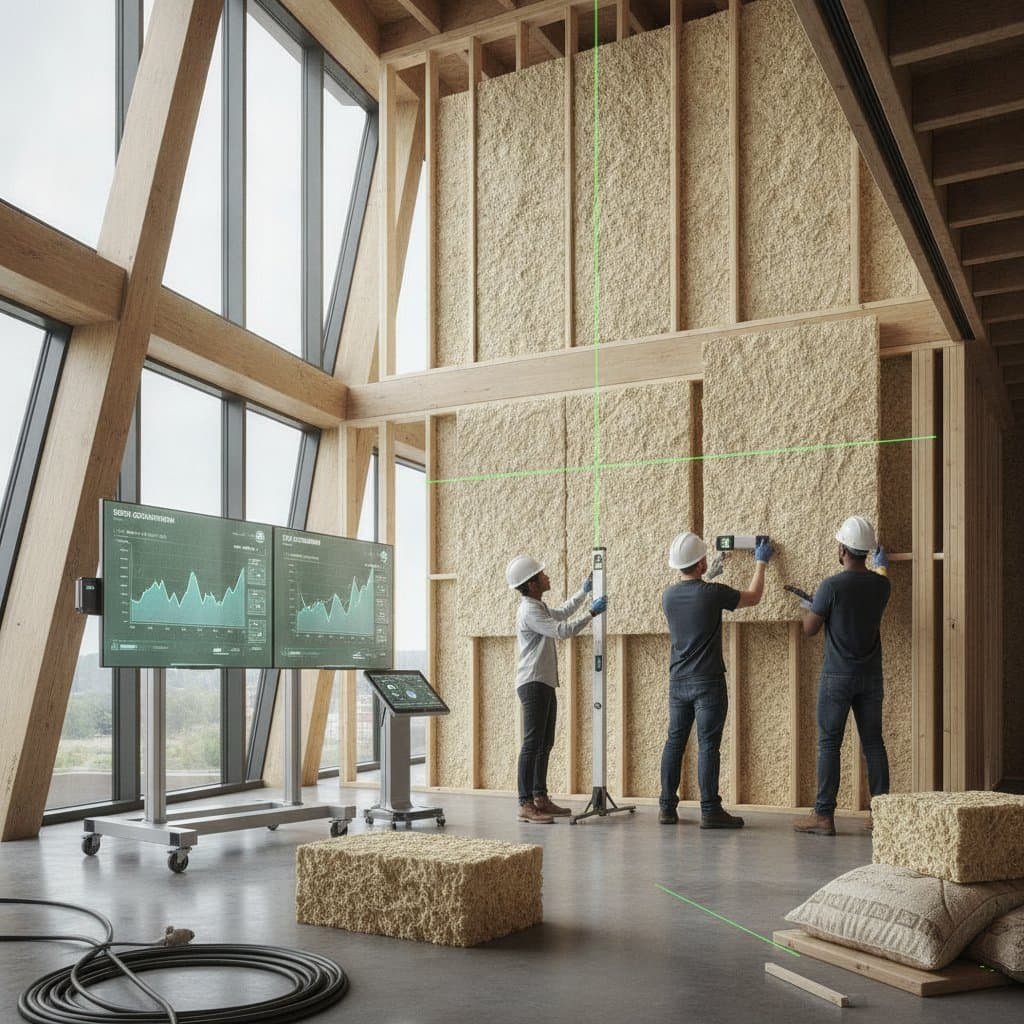
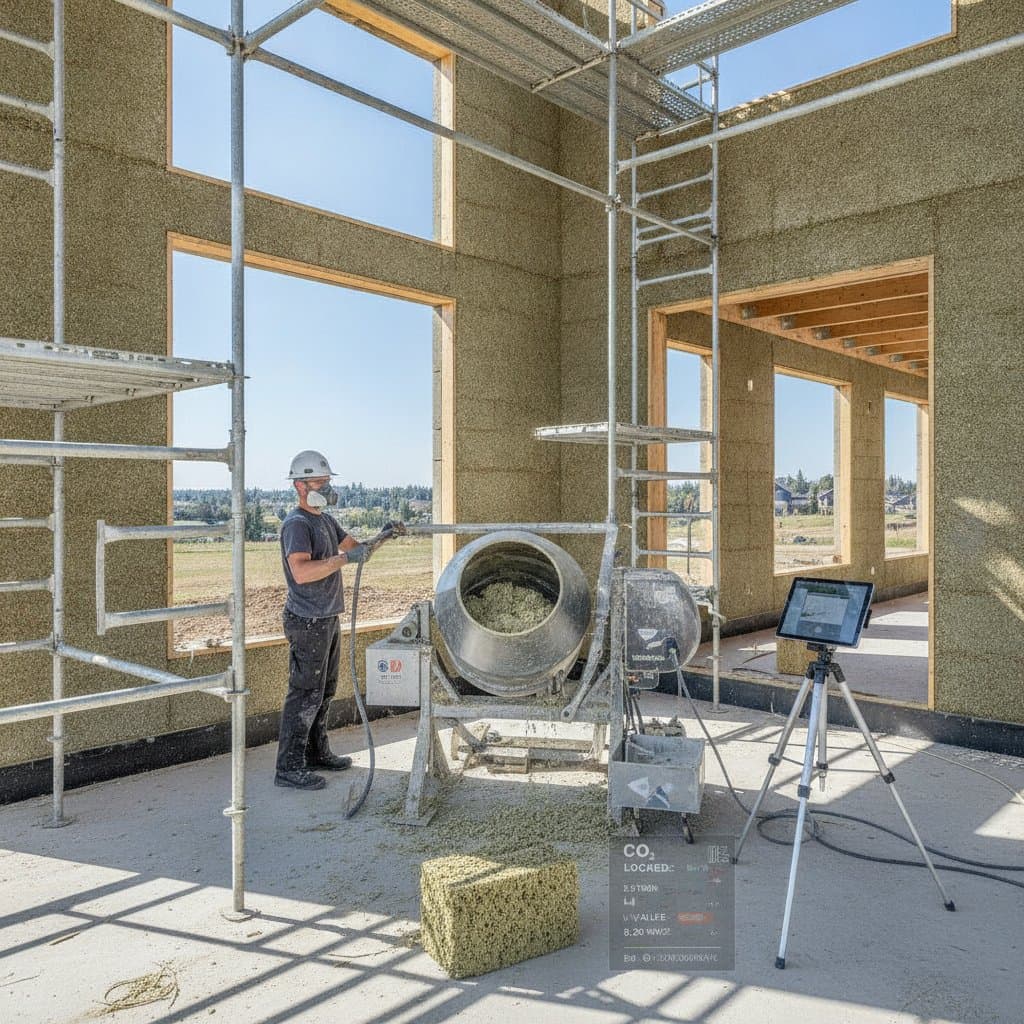
Production starts with introducing fungal spores to organic substrates. In several days, mycelium permeates the material, unifying it into a solid mass. At peak density, drying halts development and fortifies the form. Installers then apply the outcome as rigid panels or loose fill between framing members or as unbroken layers.
Experienced installers stress moisture management. Assemblies must accommodate vapor movement, much like those for hemp or wool fibers. With meticulous preparation, the insulation endures for decades without breakdown.
Performance Comparisons and Practical Insights
Evaluating mycelium insulation for a specific endeavor requires benchmarking against established alternatives.
Thermal Efficiency: Panels achieve R-3 to R-4 per inch, matching cellulose and approaching rigid foam. In sealed, airtight walls, overall effectiveness rivals higher-rated synthetics.
Moisture Management: The material regulates humidity, fostering stable indoor conditions. This trait suits variable or damp regions effectively.
Fire Safety: Chitin within the structure naturally inhibits combustion. Mineral additives enable compliance with residential fire codes.
Longevity: Sealed units withstand insects, mold, and rot. Post-drying, the inactive mycelium remains stable absent prolonged dampness.
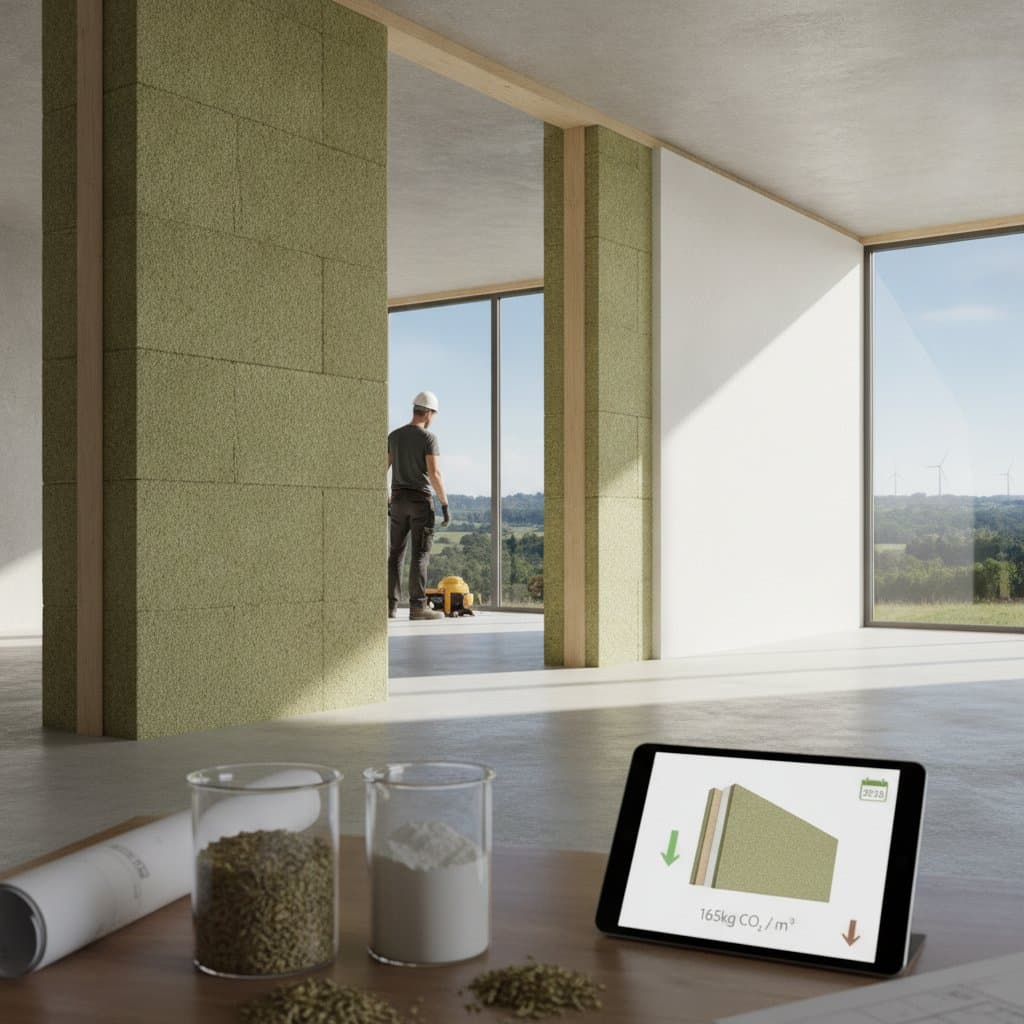
Sensory Attributes: Panels exhibit a neutral, textured finish suitable for visible interior use, evoking the warmth of cork or clay finishes.
Investment and Return Analysis
Selecting mycelium insulation merges ecological commitment with economic strategy. For standard retrofits, installation totals 8 to 14 dollars per square foot, varying by location, sourcing, and method. Local or custom production often trims expenses through community networks.
Savings hinge on regional weather and baseline insulation. Enhancing subpar attics or walls recoups costs in 7 to 10 years via lowered utility payments. Pairing with air sealing or efficient windows accelerates returns.
Indirect benefits include heightened occupant comfort and ethical alignment, factors that appraisers and purchasers increasingly value.
Case Studies and Implementation Insights
Prototype installations reveal strong outcomes. Constructors note consistent temperatures, diminished sound penetration, and equilibrated moisture levels. The capacity to manage humidity without structural compromise attracts natural builders and progressive designers.
Availability poses the primary challenge for residents. Though boutique suppliers offer prefabricated panels, many cultivate batches via accessible protocols. Success demands sterile conditions, precise temperatures, and humidity oversight. Collaborating with makerspaces or local collectives simplifies adoption for time-constrained individuals.
Contributions to Indoor Health
Beyond efficiency, mycelium insulation fosters salubrious interiors. Free of formaldehyde, VOCs, or artificial adhesives, it poses no health risks. During handling, natural elements capture particulates; enclosed, they emit nothing harmful.
Individuals prone to sensitivities report enhanced well-being with such materials. Paired with permeable coatings like lime or clay, it regulates moisture and purifies air, elevating daily living quality.
Advancing with Biological Innovations
Evolving regulations and preferences amplify the need for resilient, sustainable substances. Mycelium insulation aligns with this trajectory, proving versatile across framing styles and modular systems.
Local growth bolsters economies and lessens import dependence. It harmonizes with reuse-oriented designs, enabling full material recovery. Long-range planners thus secure reduced ongoing costs and diminished ecological burdens.
Steps to Integrate Mycelium Insulation
To incorporate mycelium insulation, assess project priorities first. Pinpoint zones needing thermal upgrades, such as attics or exterior walls. Locate nearby suppliers, cooperatives, or kits to source materials suited to your scale and expertise.