Key Points
- Passive home retrofits reduce indoor heat gain by up to 60 percent with minimal dependence on air conditioning systems.
- Targeted applications of shading, insulation, and ventilation lower energy expenses and elevate comfort levels amid heatwaves.
- Materials with high thermal mass, such as concrete, brick, and stone, stabilize indoor temperatures when integrated with effective airflow.
- Numerous passive cooling enhancements achieve payback periods of five to ten years, influenced by regional energy rates and structure types.
- A multifaceted strategy incorporating shading, sealing, and ventilation yields superior long-term performance.
The Importance of Passive Cooling for Homeowners
Passive cooling involves the design or modification of a home to sustain comfortable conditions through natural elements. This approach harnesses sunlight, shade, air circulation, and building materials to keep interiors cool without mechanical intervention.
The economic benefits prove compelling. Residences equipped with passive retrofits experience reductions in cooling energy use ranging from 30 to 70 percent, contingent on initial efficiency and regional climate. Decreased reliance on mechanical systems also minimizes maintenance expenses and prolongs equipment durability. From an environmental perspective, each conserved kilowatt-hour diminishes greenhouse gas outputs, positioning every upgrade as a contribution to planetary sustainability.
Effective Solar Management and Shading Techniques
Preventing Solar Entry
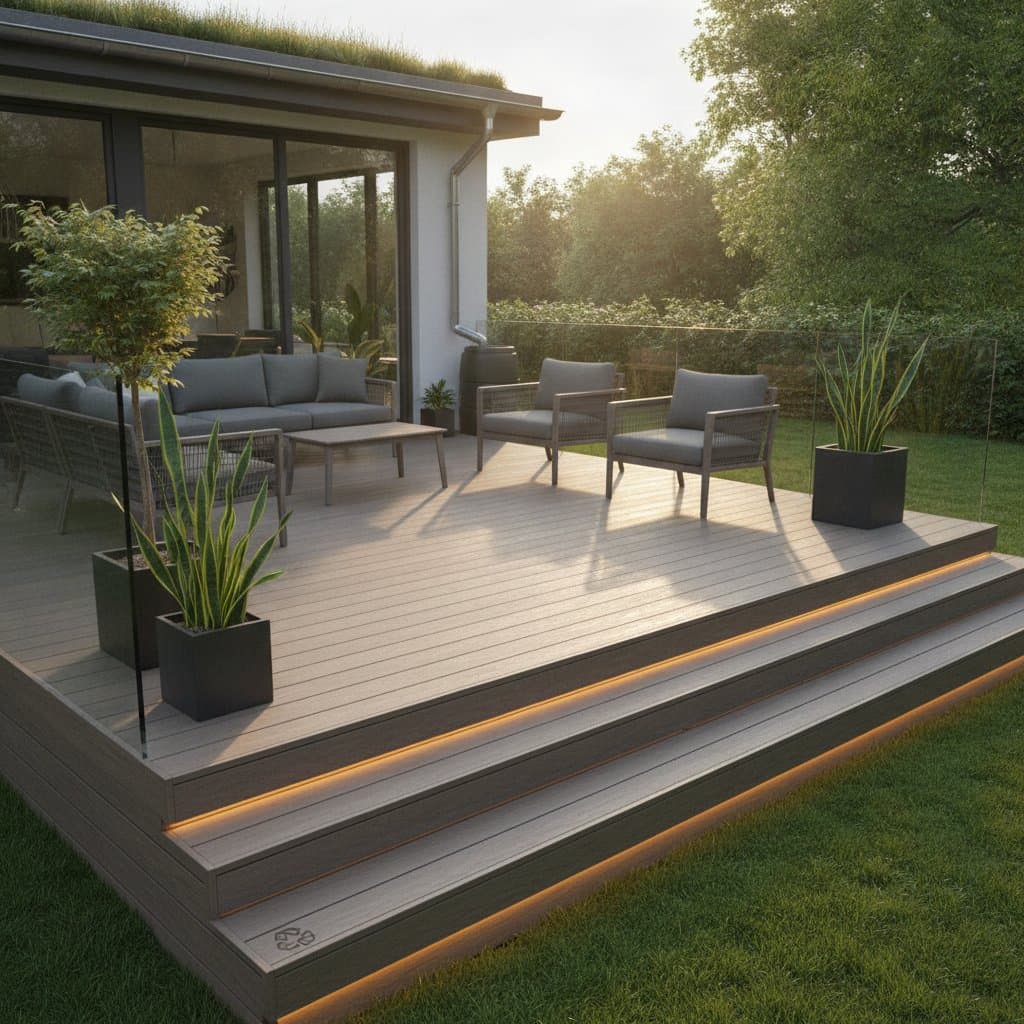
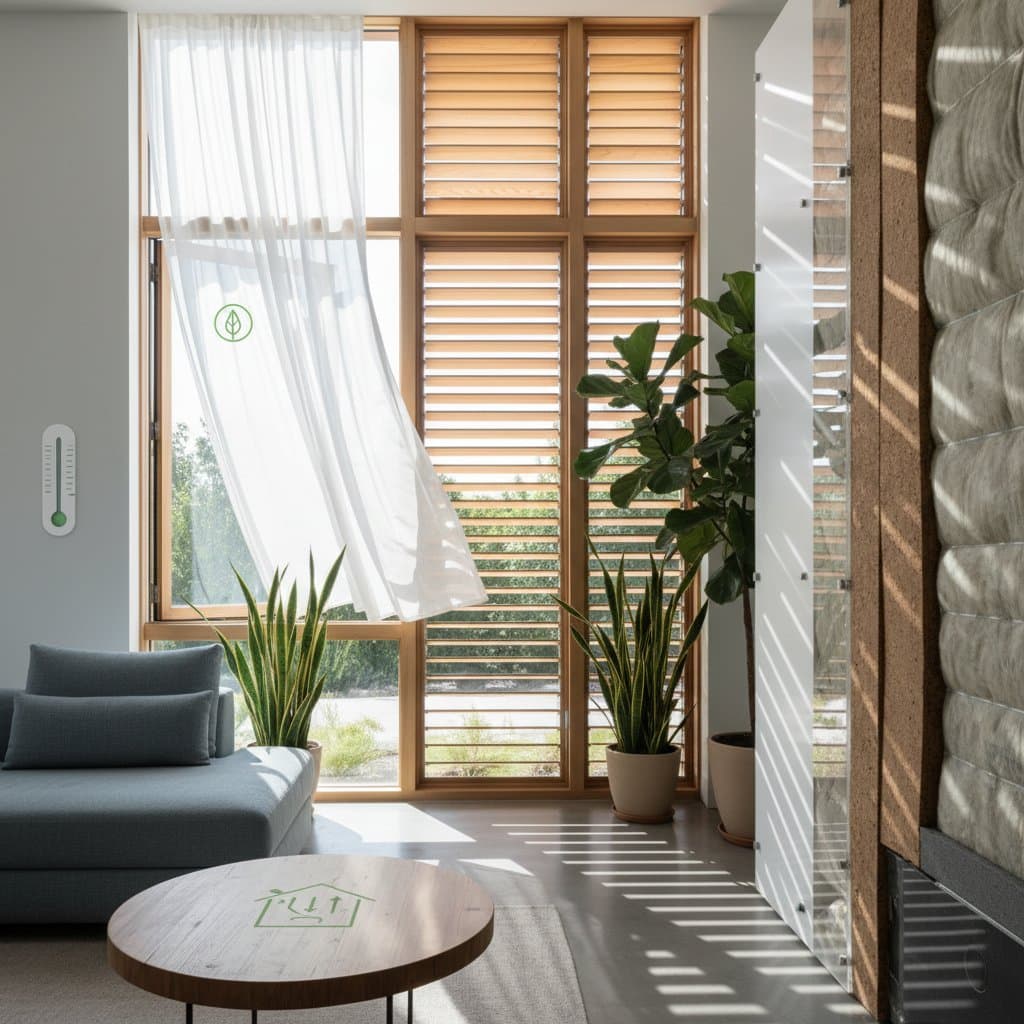
One of the most straightforward and impactful passive cooling methods blocks direct sunlight at its source. Windows oriented toward the south and west serve as major conduits for heat infiltration. Install external shading devices, including awnings, pergolas, or adjustable louvers, to intercept solar radiation while permitting natural light penetration.
Deciduous trees provide a biological shading solution. Position these trees to cast shadows over windows during summer months, with bare branches allowing winter sunlight to warm interiors. In constrained outdoor spaces, apply window films or install reflective blinds to achieve comparable effects.
Enhancing Roof and Wall Reflectivity
Opt for light-colored roofing materials or apply reflective coatings to decrease roof surface temperatures by up to 30 degrees Fahrenheit relative to dark asphalt shingles. On exterior walls, utilize breathable reflective paints or ventilated cladding assemblies to limit heat absorption without compromising moisture regulation. Such modifications not only moderate building temperatures but also prolong the lifespan of surfaces by alleviating thermal expansion and contraction.
Intelligent Natural Ventilation Approaches
Achieving Cross Ventilation
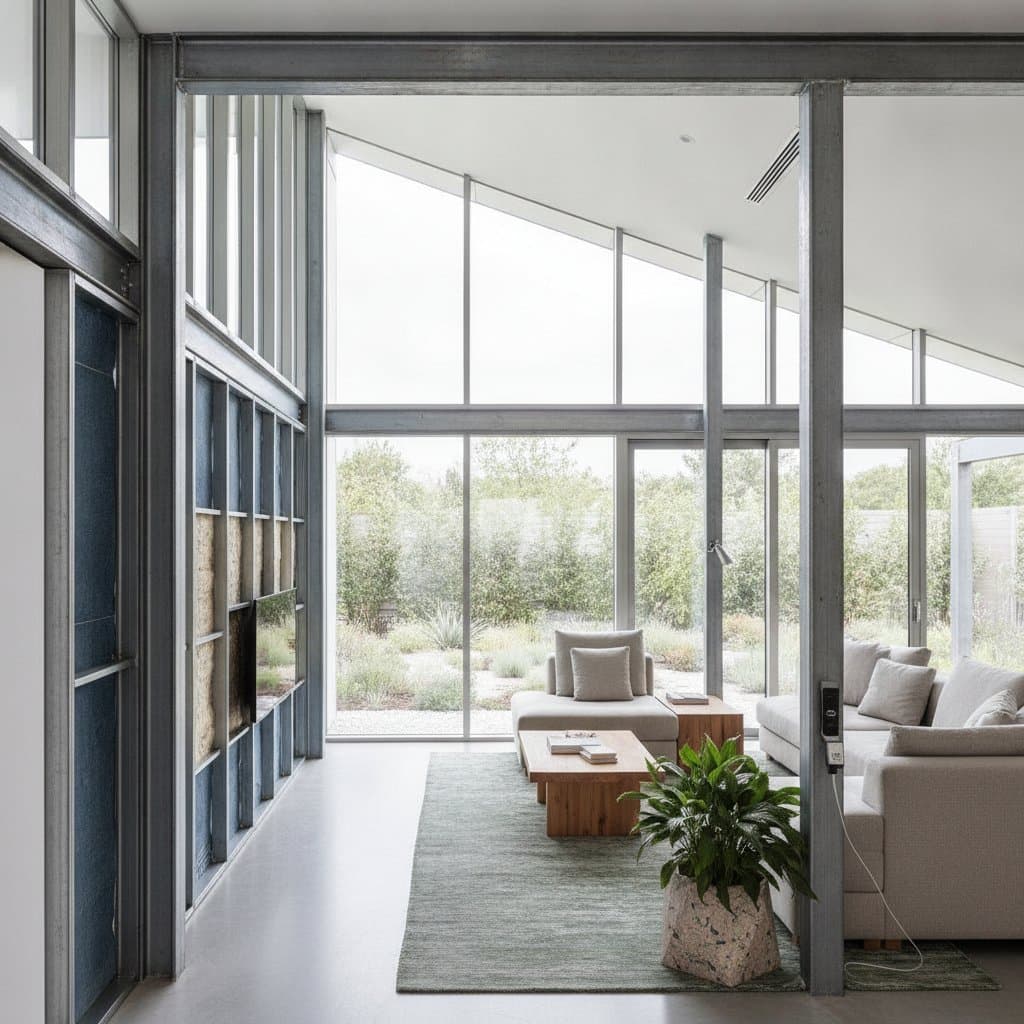
Free movement of air through a structure dissipates heat and humidity effectively. Cross ventilation demands openings on opposing sides of a room, positioned to leverage dominant wind patterns.
Casement windows, which pivot outward, outperform sliding varieties in channeling airflow. Incorporate high-level vents, such as clerestory windows or roof exhausts, to release trapped hot air near ceilings. This configuration generates a stack effect, pulling cooler air upward from lower inlets.
Implementing Stack Ventilation and Nighttime Cooling
Stack ventilation capitalizes on thermal gradients to facilitate vertical air displacement. Rising warm air exits via upper vents or skylights, while shaded lower openings admit replacement air. On intense summer days, this technique can lower interior temperatures by multiple degrees.
As evening temperatures decline, open windows to purge daytime heat buildup and chill thermal mass elements. The following day, these cooled materials absorb excess warmth, maintaining stable indoor conditions for extended durations.
Evaluating Costs, Returns, and Investment Value
Prospective investors in passive retrofits benefit from clear financial projections. Expenses fluctuate based on project scale, yet established benchmarks inform planning.
- Weather sealing and attic insulation: 1,000 to 3,000 dollars, generating 10 to 20 percent annual energy reductions.
- Shading installations and reflective roofing: 2,000 to 8,000 dollars, resulting in 5 to 15 percent cooler interiors and prolonged roof longevity.
- Ventilation enhancements: 1,500 to 5,000 dollars, varying with window upgrades or vent additions.
- Full passive retrofit initiatives: 10,000 to 25,000 dollars, delivering 30 to 50 percent energy efficiencies and recovery within 5 to 10 years.
These enhancements extend beyond savings to boost property desirability and durability, frequently increasing market value by 5 to 10 percent.
Frequently Asked Questions on Passive Cooling Retrofits
Can passive cooling function effectively in humid climates?
Passive cooling succeeds in humid areas with ventilation systems designed to control moisture levels. Employ shaded vents, moisture-mitigating techniques, and ceiling fans to preserve comfort without elevating indoor humidity.
Does sealing a home lead to stagnant air?
Proper integration with ventilation prevents stuffiness. Energy-efficient envelopes pair with operable windows or supplemental mechanical systems to ensure adequate fresh air exchange.
Do passive modifications obviate the need for air conditioning?
In various climates, these upgrades substantially curtail mechanical cooling demands, though complete elimination remains uncommon. The primary aim involves shortening operational hours and downsizing system capacities.
Are passive retrofits compatible with historic homes?
These adaptations suit older structures seamlessly. Options like detachable shading screens, reversible window films, and subtle roof coatings preserve architectural integrity while delivering performance gains.
Steps to Implement Passive Cooling
Engage a certified energy auditor to pinpoint heat loss and gain vulnerabilities in your home. Focus initial efforts on sealing gaps, installing shading, and refining ventilation prior to structural overhauls. Blend accessible do-it-yourself measures with expert interventions to optimize expenditure and efficacy, securing a resilient, energy-efficient living space.