Key Points
- Phase-change materials (PCMs) absorb and release heat to maintain stable indoor temperatures with minimal energy consumption.
- Attic retrofits using PCMs lower cooling expenses by up to 25 percent in hot climates and decrease heating needs in milder areas.
- These materials prolong roof lifespan, enhance occupant comfort, and pair effectively with enhanced insulation for superior performance.
- Advancements in PCM technology bring cost-effective solutions to homeowners.
- Evaluate installation techniques, compatibility with current insulation, and potential return on investment prior to proceeding.
The Challenge of Excess Attic Heat
Consider entering your attic on a hot summer day, where the air feels oppressively warm. This accumulated heat not only complicates storage but also transfers downward into occupied rooms, compelling air conditioning units to operate more intensely and increasing utility expenses. A phase-change attic retrofit addresses this issue by capturing surplus heat during peak warmth and dispersing it during cooler periods.
The Value of This Upgrade
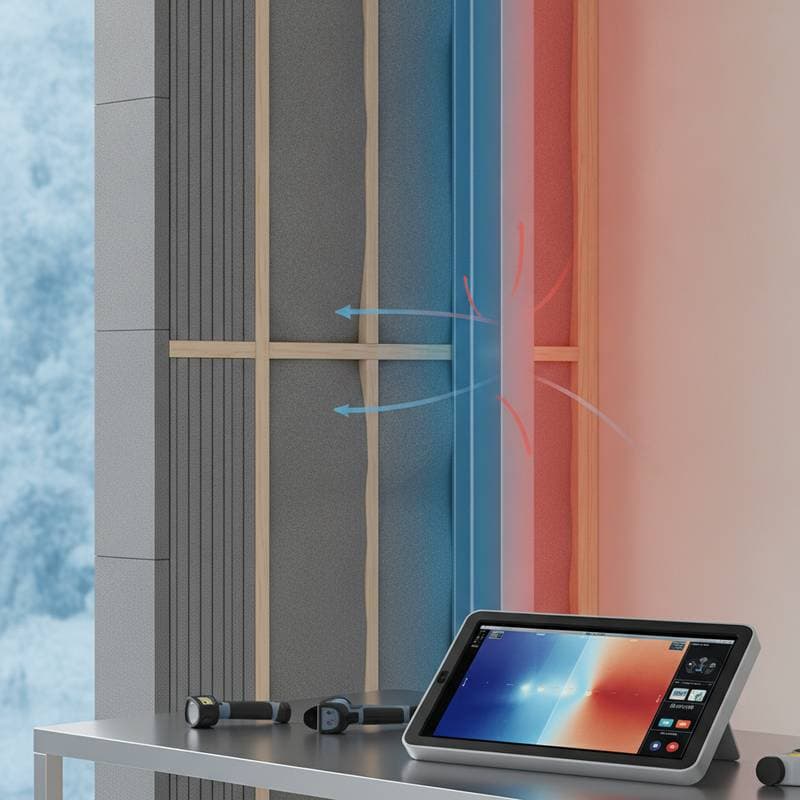
Attics frequently represent the primary source of residential energy inefficiency. Standard insulation resists heat movement but fails to address rapid temperature variations. Phase-change materials introduce a dynamic element, functioning as thermal reservoirs that capture excess energy and redistribute it strategically.
Financial advantages include diminished annual expenses for cooling and heating, less strain on heating, ventilation, and air conditioning systems, and steadier comfort levels throughout the home. On the environmental front, these materials curb carbon emissions by alleviating high-demand energy usage. Practically, they integrate seamlessly with prevailing insulation setups, offering a low-impact option for aging structures.
Mechanics of Phase-Change Materials
Phase-change materials transition between solid and liquid phases at predetermined temperatures. In the melting process, they capture heat; upon solidifying, they emit it. This mechanism intercepts thermal energy before it infiltrates living areas. Typical compositions feature paraffin wax, salt hydrates, or plant-derived options, contained within protective capsules or sheets.
Envision a gel pack that absorbs heat as it thaws and releases it upon cooling. PCMs operate similarly, with phase shifts aligned to typical indoor comfort ranges. Consequently, they moderate attic temperatures, resulting in cooler ceilings and more pleasant interiors without reliance on continuous mechanical intervention.
Essential Planning Elements
Homeowners must assess multiple aspects before implementation:
-
Climate Suitability
PCMs excel in locations with significant diurnal temperature differences. In uniformly warm or frigid zones, pair them with heat-reflective roofs or superior insulation for optimal results. -
Current Insulation Assessment
These materials supplement rather than substitute insulation. Options like blown cellulose, fiberglass batts, or spray foam form the foundational barrier, with PCMs handling variability. -
Installation Methods
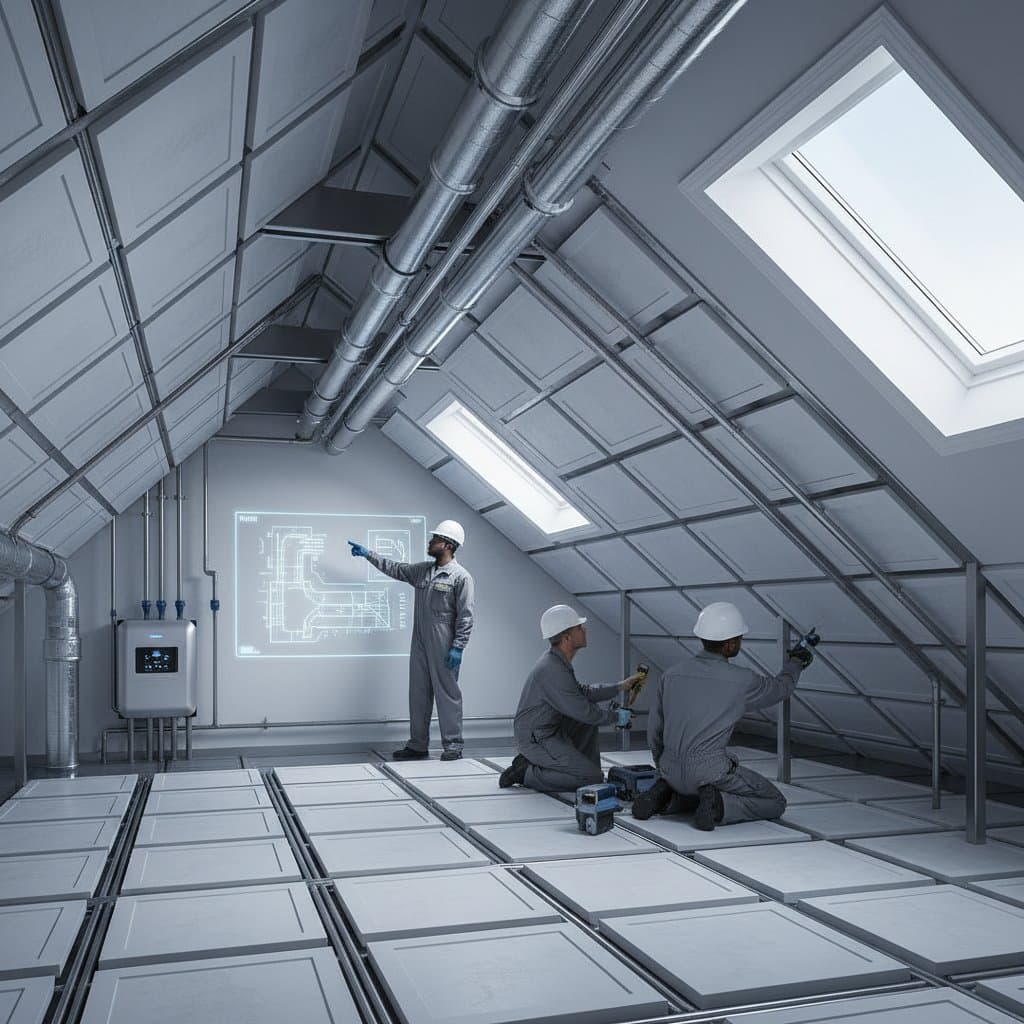
- Direct Placement: Secure PCM panels or mats between rafters or atop existing layers.
- Pre-Integrated Products: Select insulation boards embedded with PCM for streamlined setup.
- Additive Blends: Incorporate microencapsulated PCMs into spray foam or cellulose, necessitating expert handling.
-
Longevity and Upkeep
Reputable products feature leak-proof seals and endure for decades. Confirm independent testing and warranty details. -
Regulatory Compliance
Prioritize items adhering to ASTM standards or backed by third-party validations of thermal efficacy.
Investment and Return Projections
Expenses depend on attic dimensions, material selection, and application style. Typical figures include:
- Materials: $3 to $6 per square foot for panels or mats.
- Labor: $2 to $4 per square foot when incorporating into current insulation.
- Overall Cost: $5 to $10 per square foot for comprehensive coverage.
For a standard attic, initial outlay recoups in 5 to 8 years via energy savings. Reports indicate 10 to 25 percent reductions in yearly heating and cooling expenditures.
Long-term residents benefit further from prolonged equipment durability and potential increases in home market value within eco-aware communities.
Integration Strategies
Incorporate PCMs thoughtfully to blend functionality with design:
- Combined Systems: Layer with radiant barriers to deflect incoming solar heat while managing internal buildup.
- Targeted Zones: Apply over high-use areas like bedrooms to conserve resources on a limited budget.
- Enhanced Pairings: Integrate with automated vents that expel stored heat nocturnally for passive optimization.
- Functional Expansion: Install behind finished surfaces to condition newly usable attic spaces.
Environmental and Performance Advantages
Benefits extend to broader sustainability. PCMs mitigate peak-hour electricity use, reducing grid pressure and emissions. Temperature regulation also safeguards roofing by limiting material stress from thermal expansion.
Certain formulations derive from sustainable sources such as vegetable oils, bolstering green profiles. Many support recycling, minimizing end-of-life impact. When combined with light-colored roofing and airtight seals, efficiency approaches that of full replacements at lower expense.
Variables Affecting Outcomes
Several elements shape retrofit effectiveness:
- Roof Characteristics: Darker surfaces capture greater solar gain, amplifying PCM utility.
- Airflow Efficiency: Adequate ventilation facilitates overnight heat release.
- Structural Alignment: Prioritize south- and west-facing sections for maximum solar exposure benefits.
- Energy Pricing: Elevated local rates accelerate financial recovery.
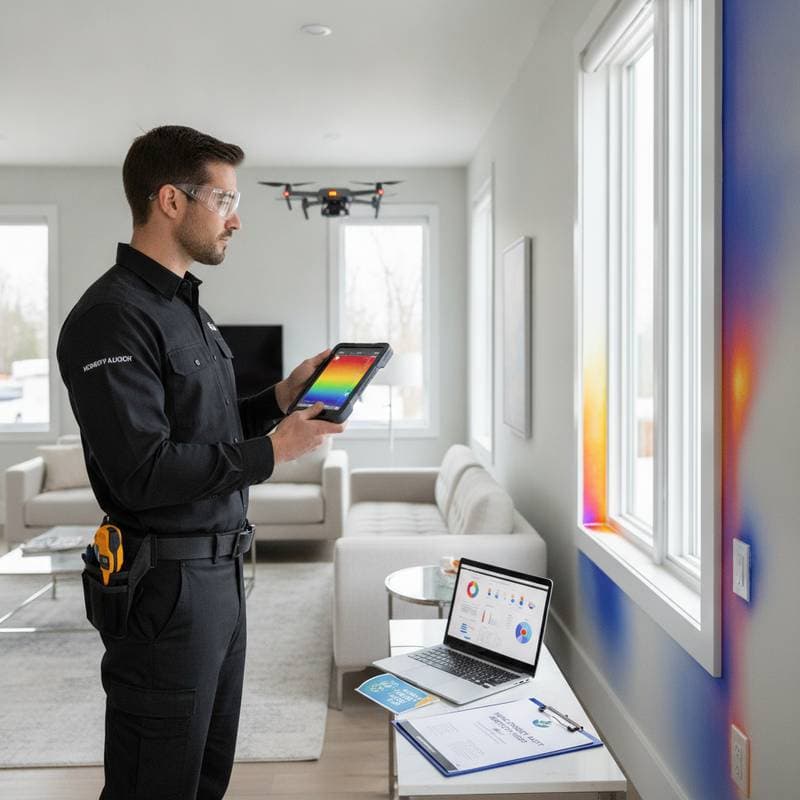
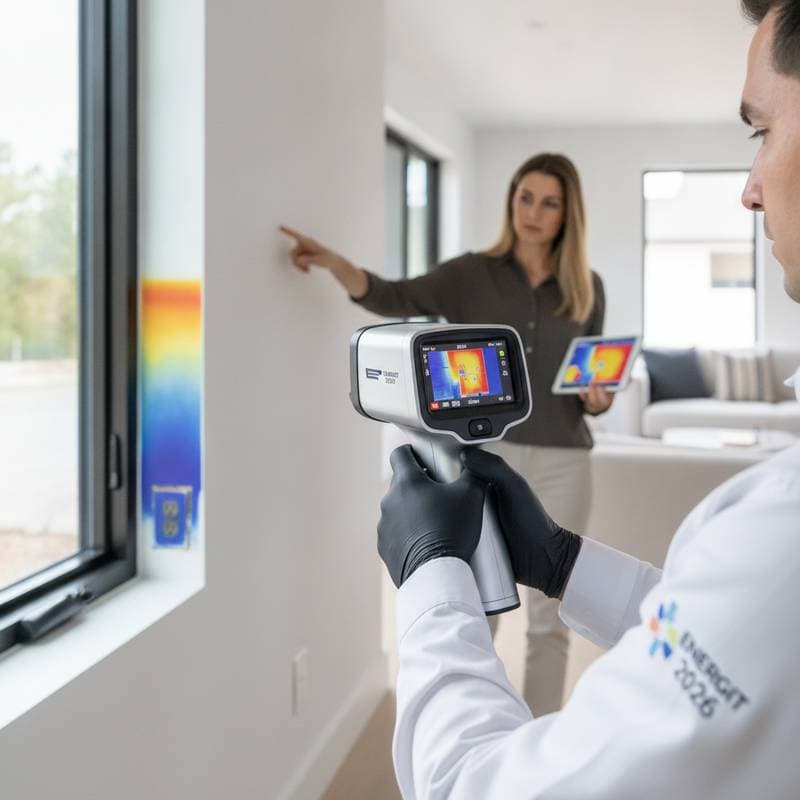
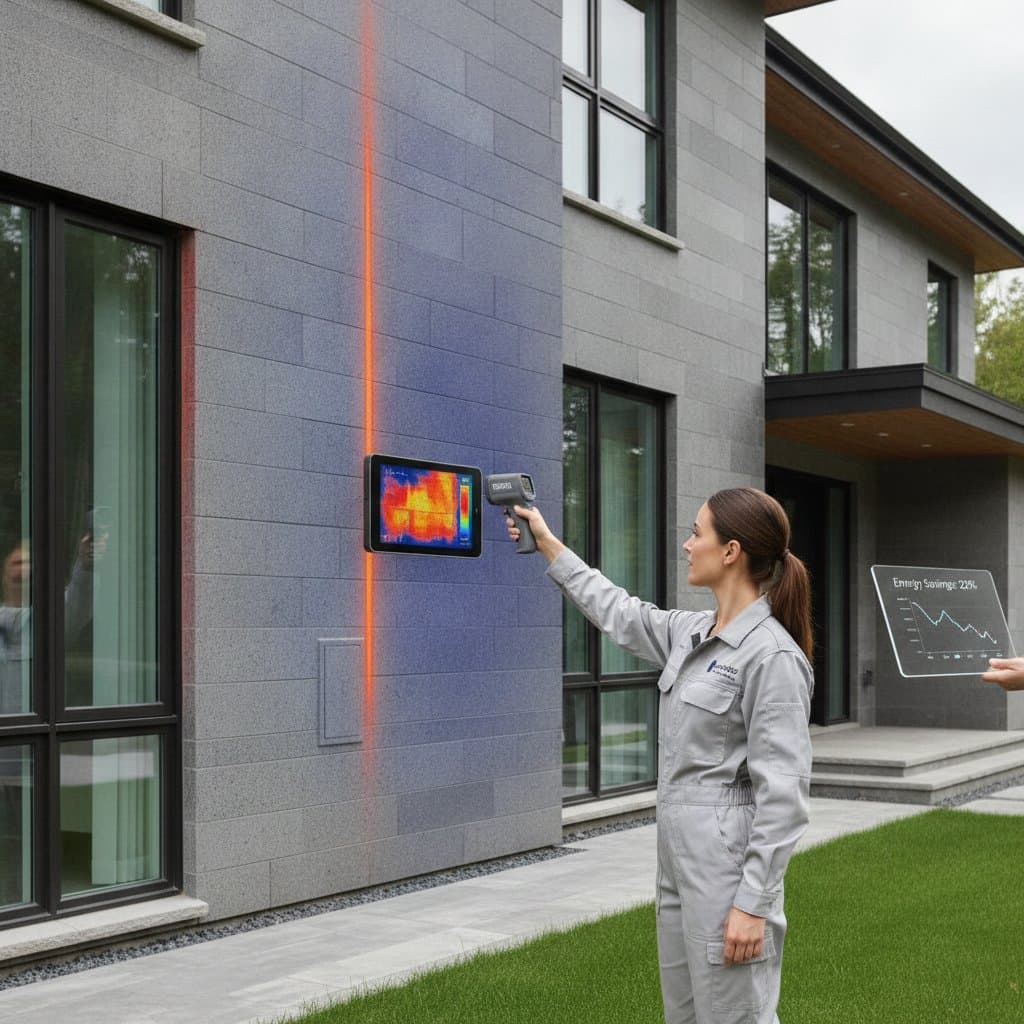
Conduct an energy audit to determine suitability. Professionals can pinpoint if attic heat warrants this upgrade or if basic measures like leak sealing yield quicker gains.
Common Questions
Do phase-change materials substitute for standard insulation?
No. They enhance insulation by controlling temperature shifts rather than impeding heat flow.
Are these materials suitable for homes?
Yes. Contemporary versions are contained securely and evaluated for fire safety and stability. Select verified products.
Is self-installation feasible?
Basic panels suit DIY efforts with accessible attics. Complex blends demand professional expertise.
What is their service life?
Premium PCMs match the durability of associated roofing or insulation. Containment averts cycle-induced wear.
Do they benefit cold regions?
Yes. They retain solar warmth by day for evening release, easing heating loads. Match phase temperatures to regional norms.
Can incentives apply?
Certain areas offer rebates for efficiency improvements, though availability varies by jurisdiction.
Achieving Lasting Efficiency
This retrofit delivers consistent home temperatures, reduced equipment runtime, and extended structural integrity. Such enhancements simplify the pursuit of sustainable habitation.