Storm-Proof Roofs Crafted from Recycled Waste
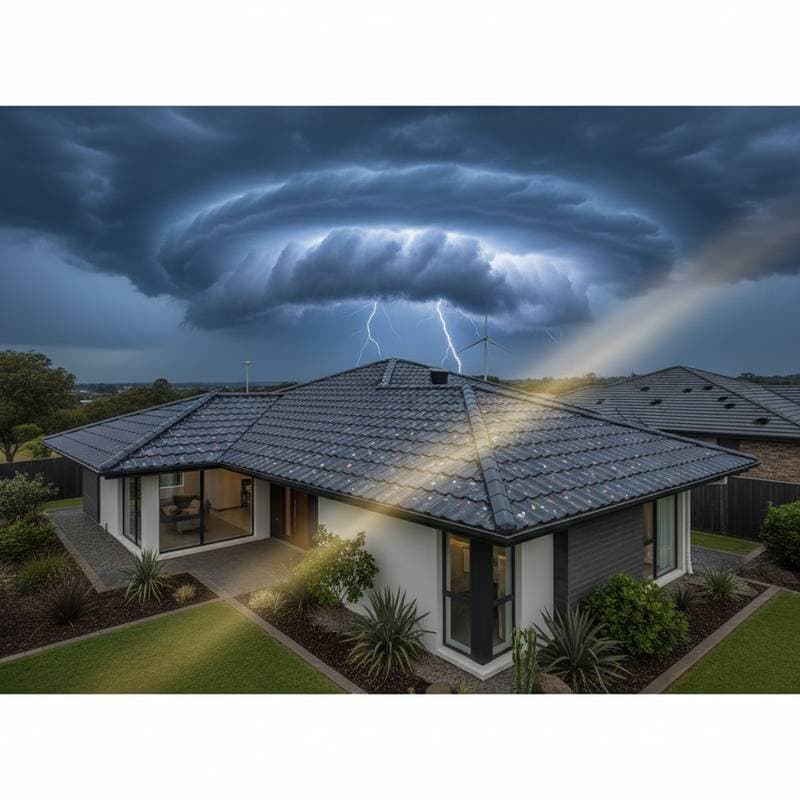
Recycled plastic roofing represents a breakthrough in sustainable building materials. This innovative solution converts post-consumer plastic waste into durable shingles and tiles that protect homes against severe weather. Homeowners gain reliable shelter while contributing to environmental conservation.
Traditional roofing materials often fail under extreme conditions, leading to costly repairs. Recycled plastic roofing, however, offers superior performance. It endures high winds, heavy hail, and intense sunlight without compromising integrity.
Understanding Recycled Plastic Roofing
Recycled plastic roofing consists of processed plastics such as polyethylene and polypropylene, sourced from items like bottles and packaging. Manufacturers melt and extrude these materials into sheets or molded forms that mimic conventional shingles. The result is a lightweight, flexible product with enhanced resilience.
This material resists cracking and fading over time. Unlike asphalt shingles, which degrade under UV exposure, recycled plastic maintains its color and structure for decades. Testing shows it withstands temperatures from -40 degrees Fahrenheit to 180 degrees Fahrenheit.
Production emphasizes quality control. Facilities sort and clean plastics to remove contaminants, ensuring the final product meets building codes. Certifications from organizations like the International Code Council validate its safety and efficacy.
Key Benefits for Storm Resistance
Storm resistance defines the core advantage of recycled plastic roofing. Engineered to handle winds exceeding 120 miles per hour, it secures firmly to structures without lifting or tearing. Independent lab tests confirm its ability to deflect impacts from hailstones up to two inches in diameter.
Energy efficiency follows closely. The material's reflective surface reduces heat absorption, lowering indoor temperatures by up to 20 percent in summer. This feature decreases reliance on air conditioning, resulting in annual energy savings of hundreds of dollars for average households.
Durability extends the lifespan to 50 years or more. Unlike wood or metal roofs prone to rust and rot, recycled plastic repels moisture and insects. Maintenance involves simple cleaning, sparing owners frequent replacements.
Environmental Impact and Sustainability
Sustainability drives the appeal of this roofing option. Each square foot of installed material diverts approximately 10 pounds of plastic from landfills. Over a typical roof size, this equates to tons of waste repurposed annually.
The production process consumes less energy than traditional manufacturing. Factories powered by renewable sources further minimize carbon footprints. Homeowners adopting this material support circular economies, where waste fuels innovation.
Biodiversity benefits indirectly. By reducing plastic pollution in oceans and soil, these roofs help preserve ecosystems. Communities installing them collectively lower municipal waste management costs.
Manufacturing Process Step by Step
The journey from waste to roof begins with collection. Recycling centers gather plastics from curbside bins and industrial sources. Workers shred the material into uniform flakes.
Next, the flakes undergo washing and drying to eliminate impurities. Advanced machinery sorts by type, ensuring compatibility. The clean flakes enter extruders, where heat transforms them into molten plastic.
Molding shapes the molten material into shingles or tiles. Additives enhance fire resistance and UV protection. Cooling solidifies the forms, ready for packaging and distribution.
Quality assurance includes rigorous testing. Samples endure simulated storms in wind tunnels and impact chambers. Only products passing these standards reach the market.
Installation Guidelines for Homeowners
Professional installation ensures optimal performance. Contractors prepare the roof deck by removing old materials and applying underlayment. They then align and fasten the recycled plastic pieces using specialized clips.
The process typically spans two to three days for a standard home. Workers overlap seams to create watertight barriers. Ventilation systems integrate seamlessly to prevent moisture buildup.
Homeowners prepare by obtaining permits and selecting certified installers. Budget for initial costs, which range from $8 to $12 per square foot, comparable to premium asphalt. Long-term savings offset this investment through reduced repairs and energy bills.
Cost Analysis and Return on Investment
Upfront costs for recycled plastic roofing align with mid-range options. A 2,000-square-foot roof might total $16,000 to $24,000, including labor. Financing options from manufacturers ease the burden.
Savings accumulate over time. Energy reductions cut utility bills by 15 to 25 percent. Storm resistance avoids repair expenses averaging $10,000 per incident in hurricane-prone areas.
Resale value increases with eco-friendly features. Appraisers note sustainable upgrades boost property appeal by 5 to 10 percent. Insurance providers often offer discounts for resilient materials.
Real-World Applications and Success Stories
In coastal regions like Florida, communities have adopted recycled plastic roofing post-hurricane. One neighborhood withstood Category 3 winds intact, sparing residents from evacuation and rebuilding. Local authorities now recommend it in building guidelines.
Urban areas benefit too. A Chicago development used these roofs to combat extreme winters. The material's insulation properties kept energy use stable, earning the project green building awards.
Farmers in the Midwest install it over barns. Hail resistance protects livestock and equipment, reducing downtime after storms. These examples demonstrate versatility across climates.
Embracing Resilient Roofing for a Sustainable Future
Choosing recycled plastic roofing equips homes for unpredictable weather. It delivers protection, efficiency, and ecological responsibility in one package. Property owners position themselves as stewards of the environment while securing lasting value.
Explore local suppliers to start the transition. Consult experts to assess suitability for specific structures. This step forward builds not only stronger roofs but also a cooler planet.