Recycled Glass Countertops Hit 27% Growth in 2025
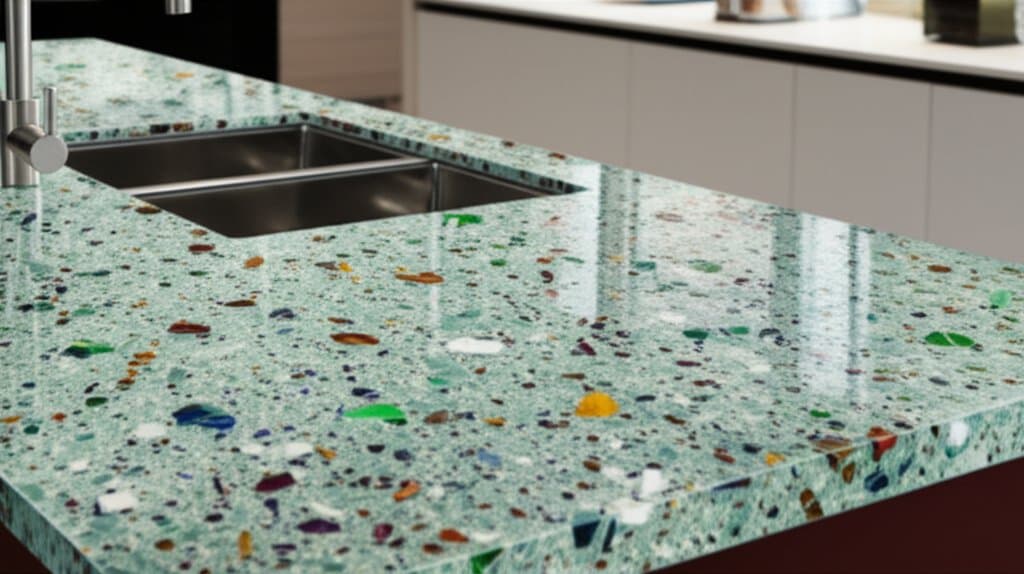
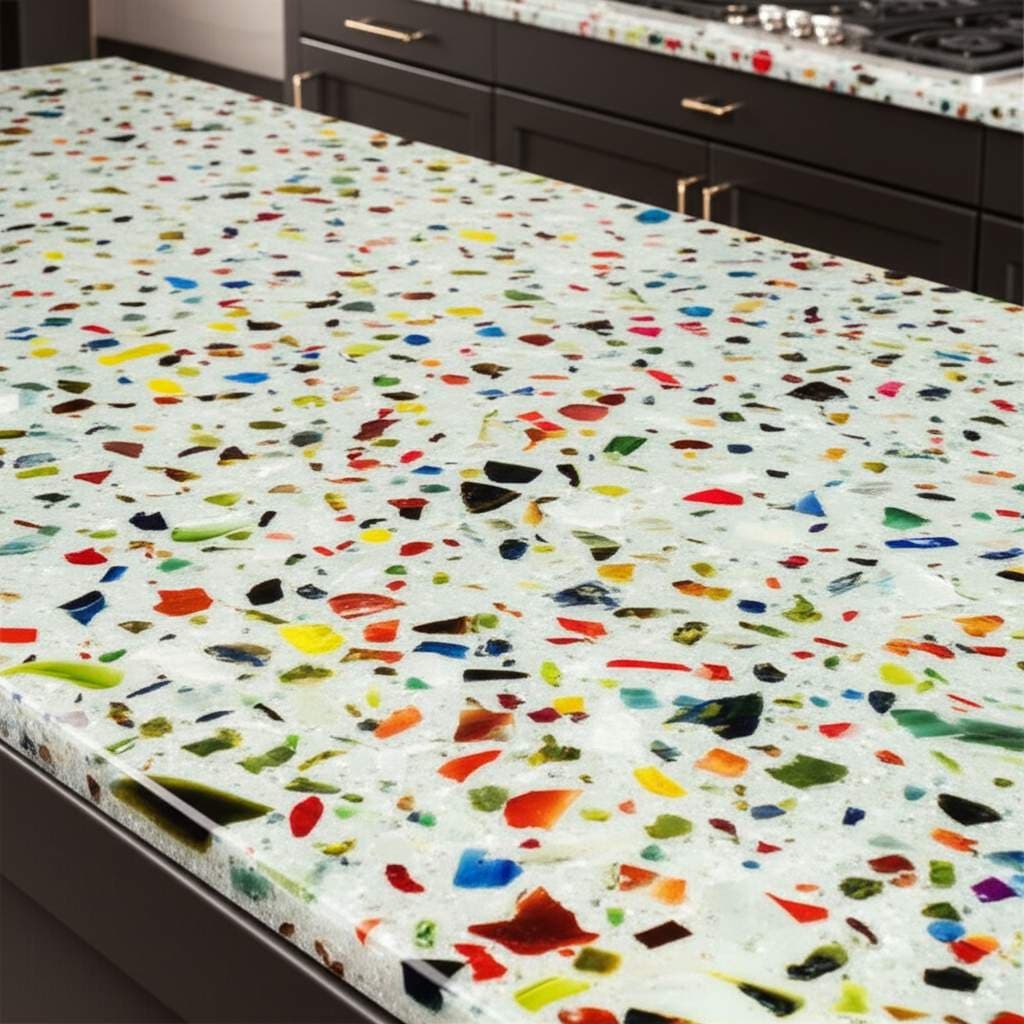
Recycled glass countertops saw a 27% sales increase in 2025, driven by sustainability and style. With up to 85% post-consumer glass, they divert waste from landfills and cut embodied energy.
Loading...
Showing articles 409 - 420 of 738
Recycled glass countertops saw a 27% sales increase in 2025, driven by sustainability and style. With up to 85% post-consumer glass, they divert waste from landfills and cut embodied energy.
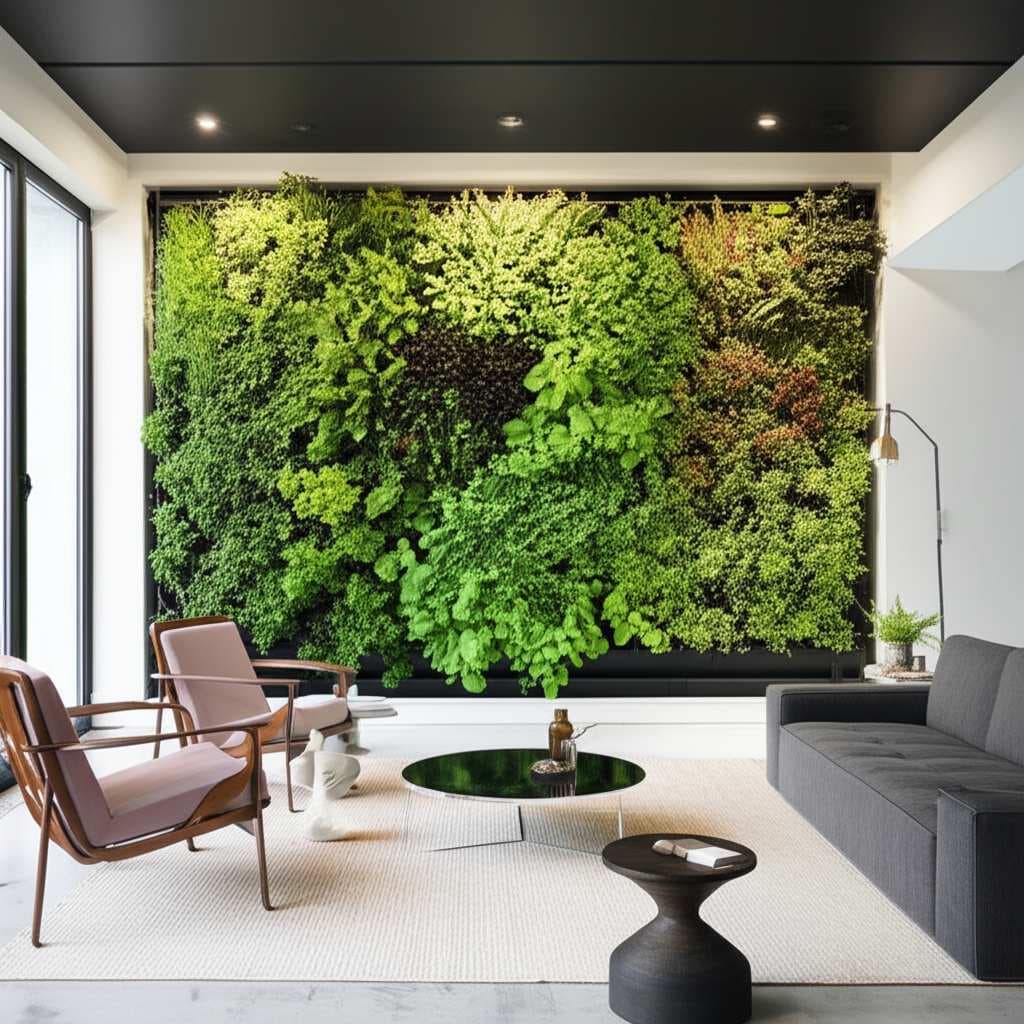
Edible living walls let you harvest fresh herbs and greens year-round, cutting grocery bills by 15-30 percent. Get practical tips on setup, plant selection, and care to transform your space into a sustainable food source.
Phase change materials (PCMs) offer a smart way to cut cooling costs by absorbing heat during the day and releasing it at night, all without additional electricity. Explore how to use PCMs in walls, bedding, and more for energy-efficient comfort.
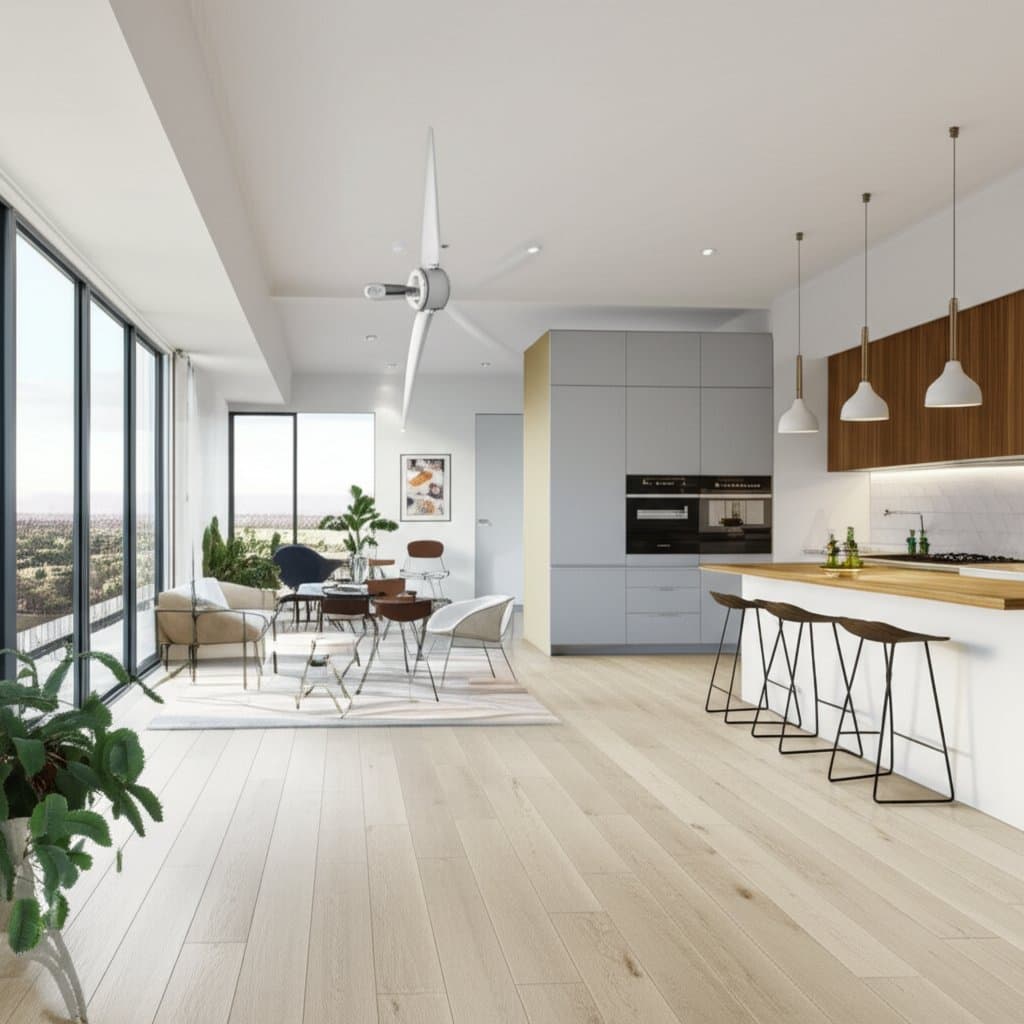
Micro wind turbines now produce up to 2kW, powering urban homes with clean energy. Explore their benefits, technology trends, and practical steps for installation in this detailed guide.
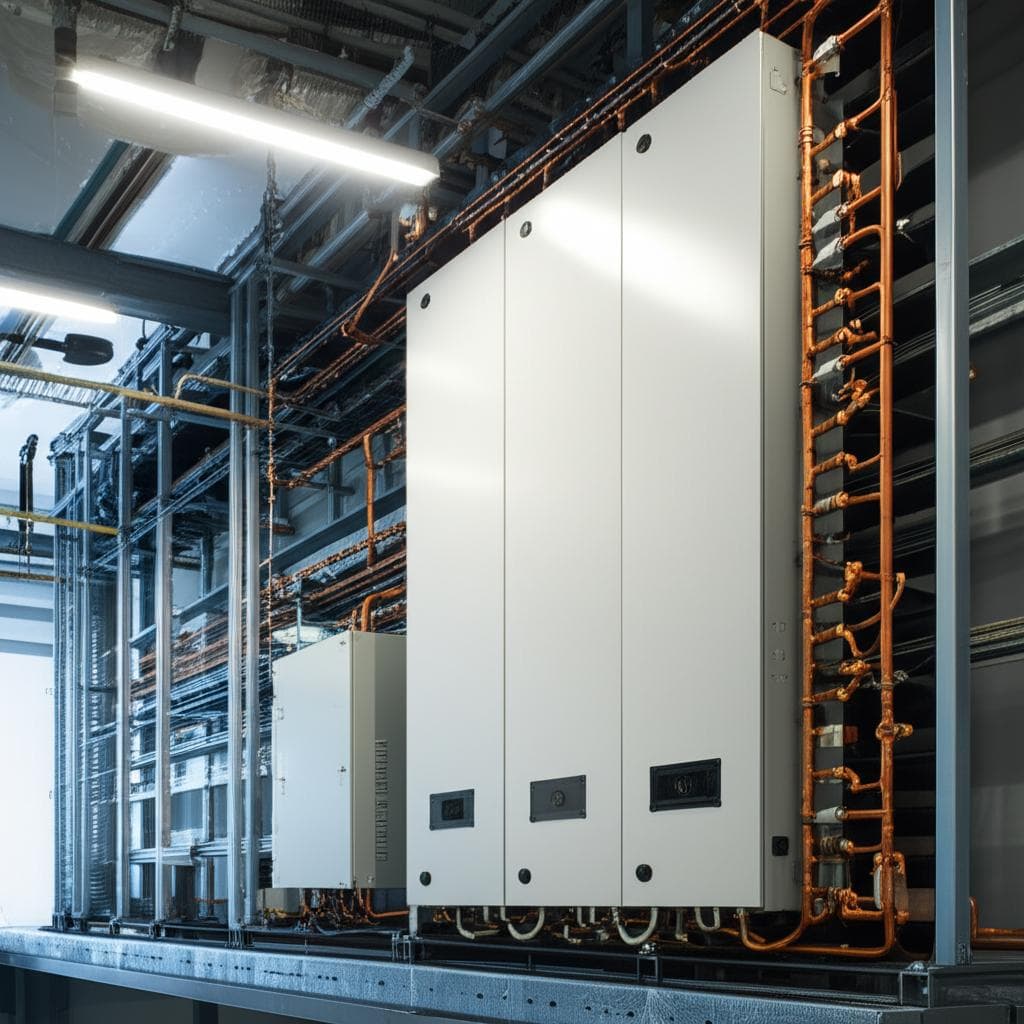
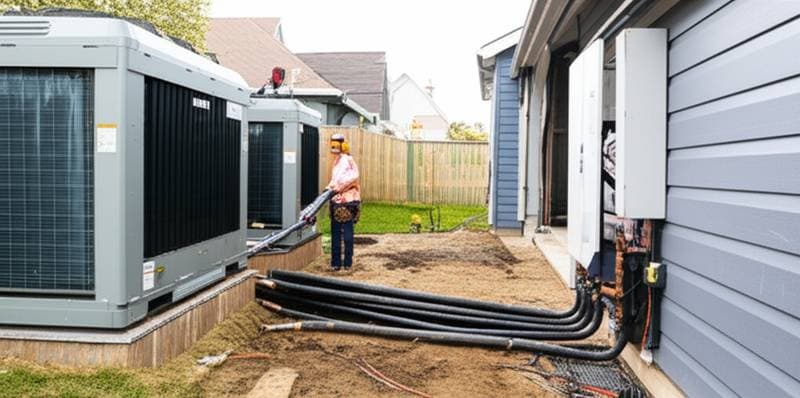
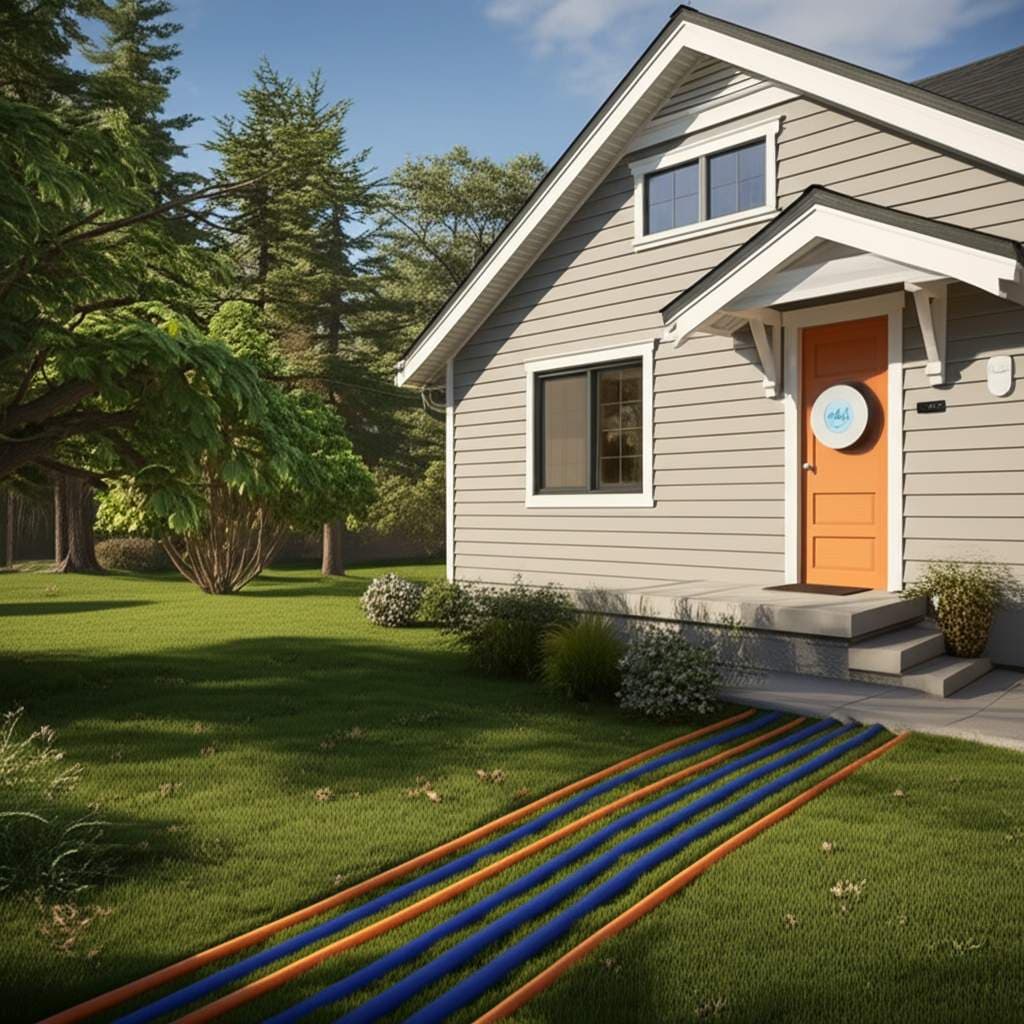
Learn how geothermal cooling slashes AC costs by 60% in 2025, leveraging ground-source heat pumps and government incentives for big savings.
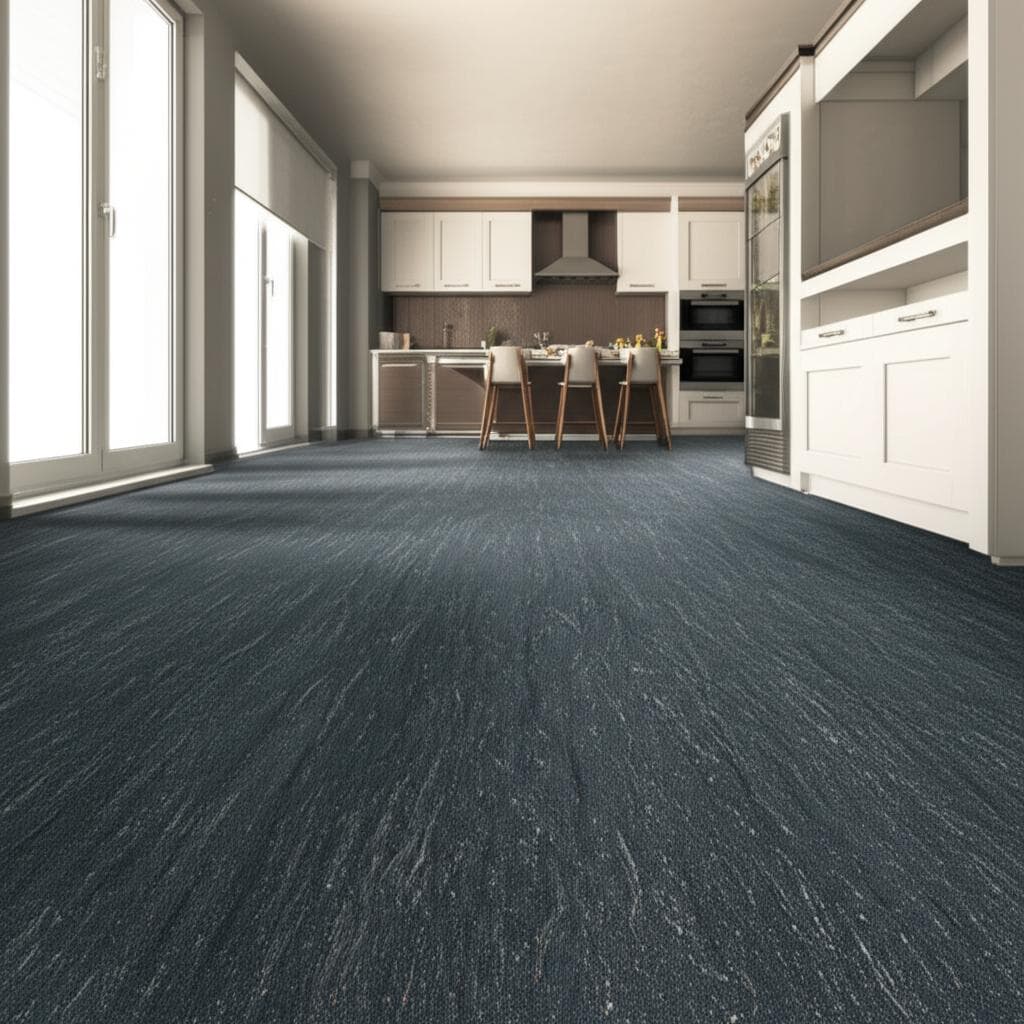
Ocean plastic flooring offers waterproof, low-maintenance durability while supporting marine cleanup. Explore its benefits over wood, design options, and practical installation tips.
Ground source heat technology can cut your cooling costs by up to 50% while reducing emissions. Explore 2025 advancements, incentives, and installation steps to see if geothermal cooling suits your home.
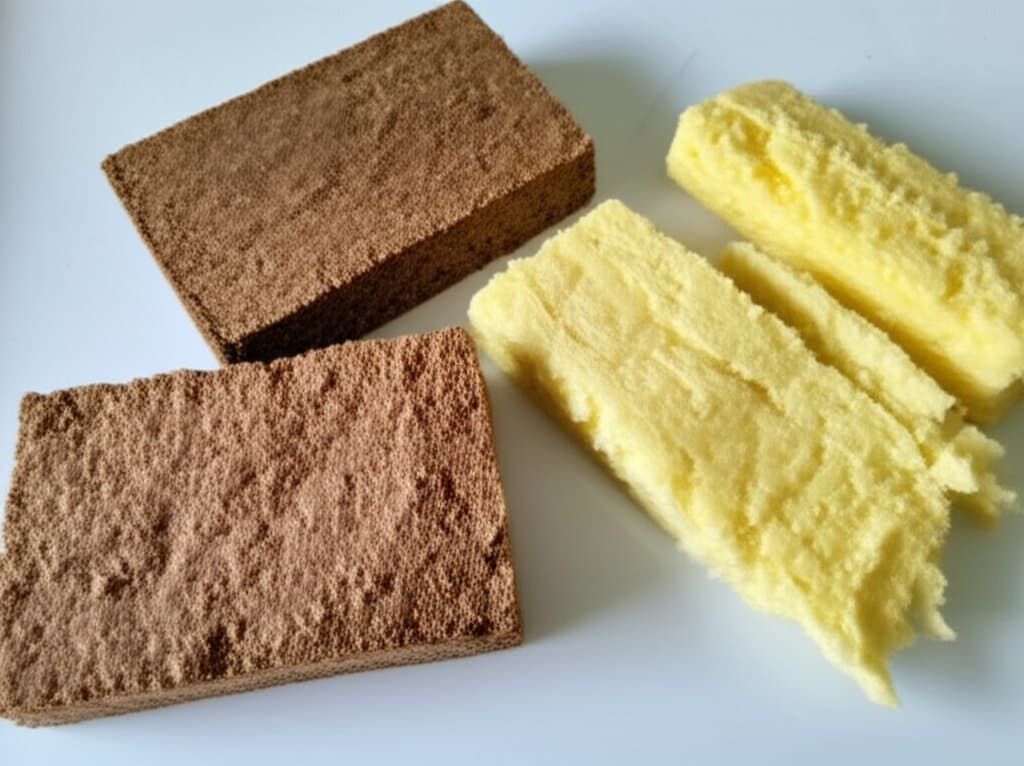
Mushroom insulation offers fiberglass-level R-values with a fraction of the carbon footprint. Explore its benefits, costs, and installation tips for sustainable building projects.
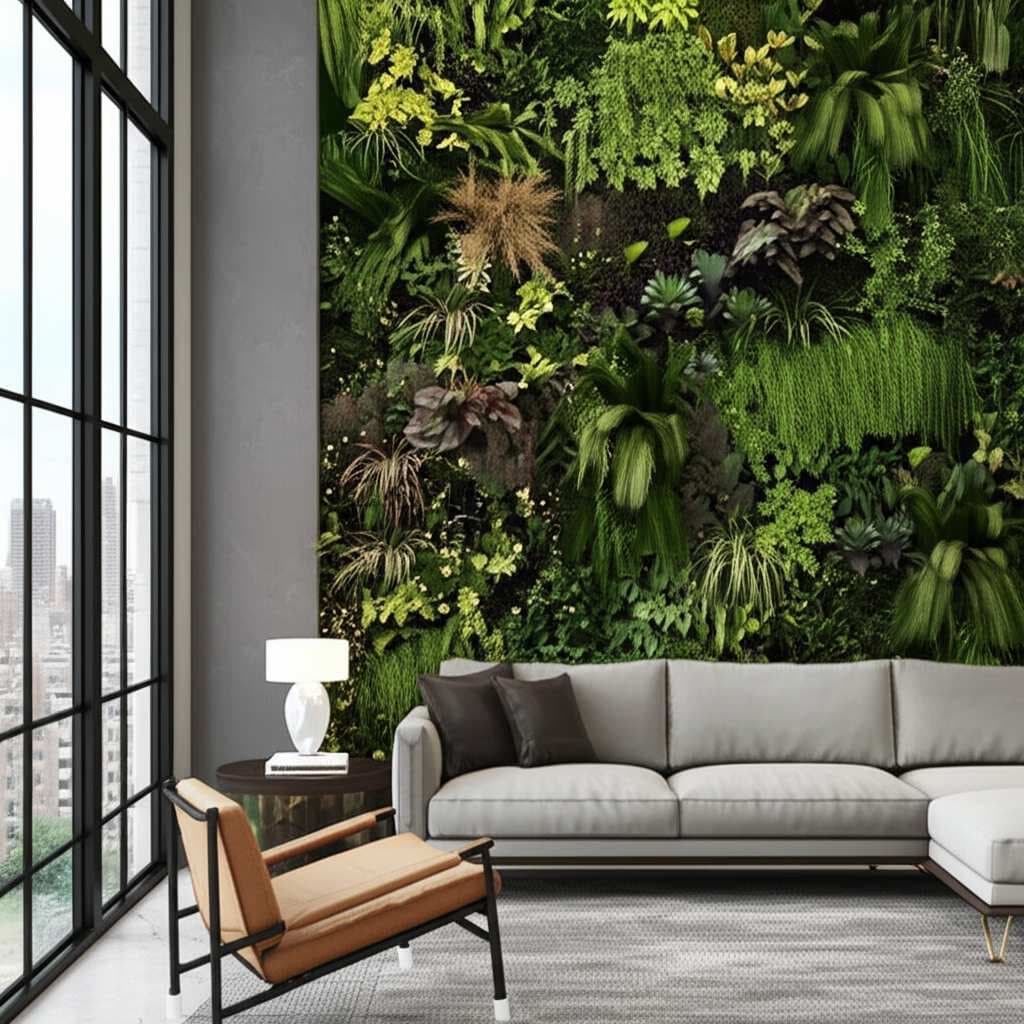
Living walls are more than decor; they reduce indoor air toxins like VOCs in 24 hours. Explore their benefits, costs, and how to install one in your home.
Slash household water use by 50% with greywater systems. This guide covers how they work, real-world savings, and practical steps to install one in 2025.
Recycled glass countertops blend style and sustainability, featuring up to 90% post-consumer content. Explore their benefits, 2025 trends, and practical installation tips for your next remodel.
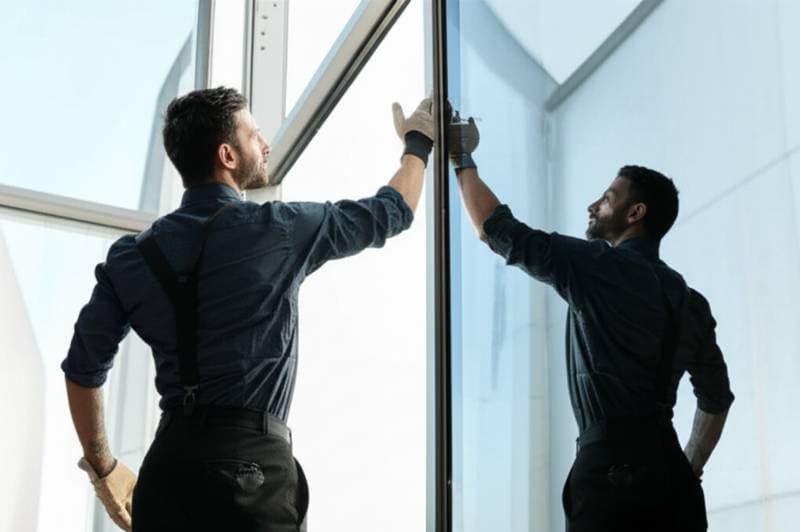
Smart window film offers a simple retrofit to cut cooling costs by 15-30%, block UV rays, and enhance comfort. Explore how this technology works, emerging 2025 trends, and practical steps to save energy now.
Hempcrete is reshaping green construction by absorbing 110kg of CO2 per cubic meter while providing non-toxic, mold-resistant walls that cut energy costs by up to 50%. Though initial costs are higher, long-term savings and environmental benefits make it a smart choice. Learn how hempcrete stacks up against traditional materials and why it is ideal for eco-friendly homes.
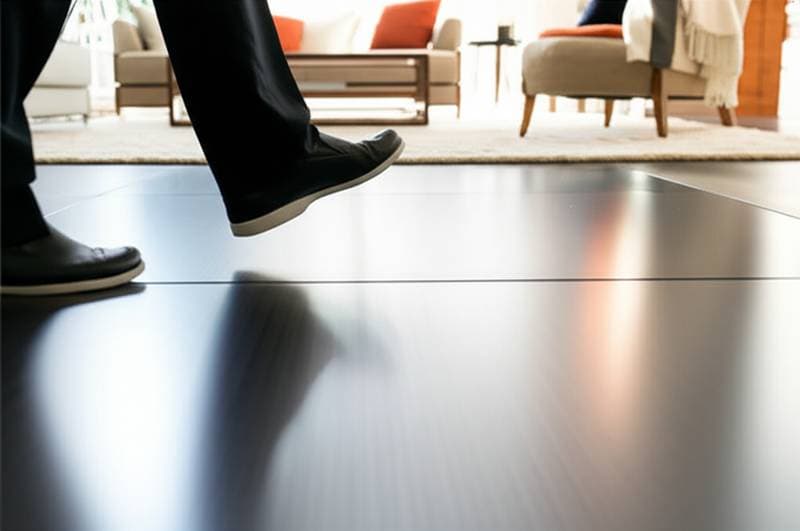
Energy-harvesting floors convert footsteps into electricity, offering a sustainable way to power your home. Perfect for high-traffic areas, they complement solar and storage systems. Though initial costs are higher, long-term savings and eco-benefits make them a smart choice for green living.
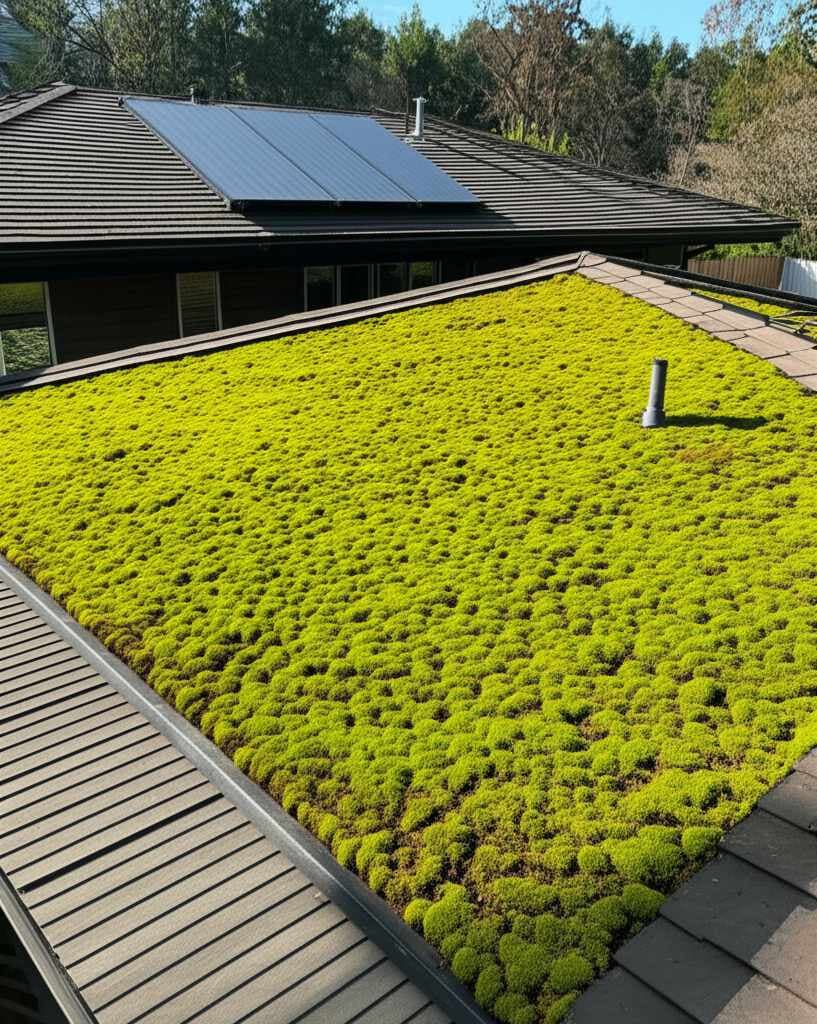
Moss roofing, the standout eco-trend of 2025, reduces energy bills by 10-30% through natural insulation while boosting curb appeal. This sustainable solution extends roof life, enhances resale value, and supports cleaner air. Explore its benefits, costs, and practical installation tips to transform your home into an energy-efficient haven.
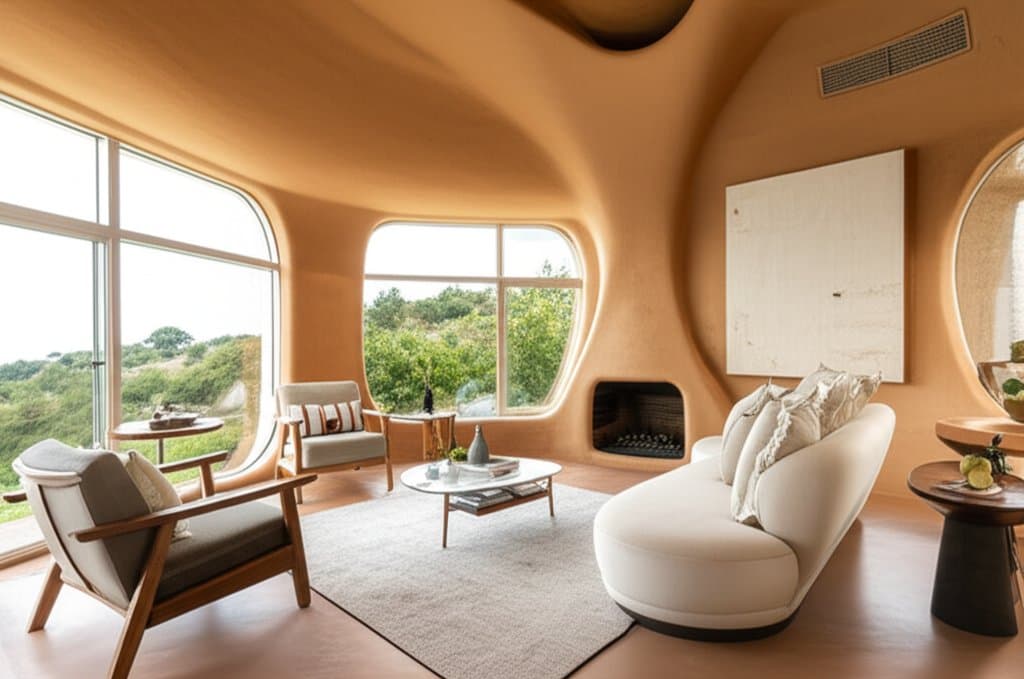
3D-printed earth homes offer a game-changing approach to sustainable housing, costing up to 40% less than traditional builds. With lower energy bills, high durability, and unique designs, they blend affordability and eco-consciousness. Explore how this trend could shape the future of living in 2025 and beyond.
Phase-change materials (PCMs) offer smarter home comfort by absorbing and releasing heat to stabilize indoor temperatures, cutting reliance on air conditioning. Suitable for new builds or retrofits, they enhance efficiency, sustainability, and resilience. With potential energy savings up to 30%, PCMs deliver comfort, lower costs, and long-term value.
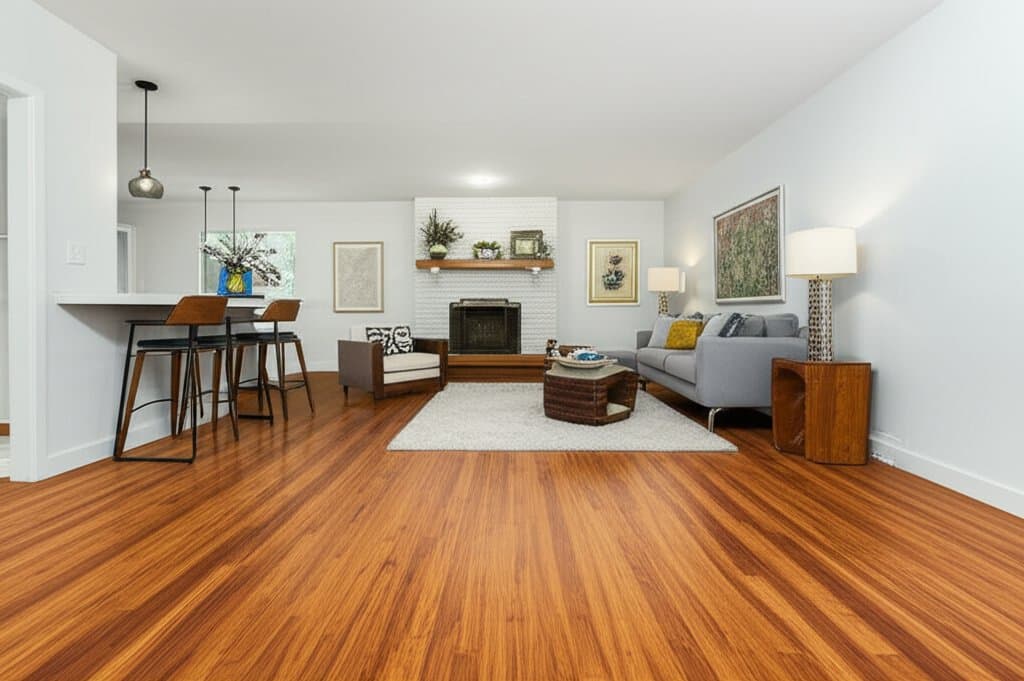
Bamboo flooring leads the way for sustainable homes in 2025, blending style, durability, and eco-friendly advantages at a budget-friendly price. Learn about different types, cost breakdowns, design versatility, and maintenance tips to enhance your space and home value with this renewable option.
Phase change materials (PCMs) are revolutionizing home energy efficiency by stabilizing temperatures, cutting energy costs by up to 30 percent, and reducing HVAC reliance. Integrated into walls, ceilings, or floors, they offer comfort, sustainability, and savings with a payback period of 5 to 10 years.
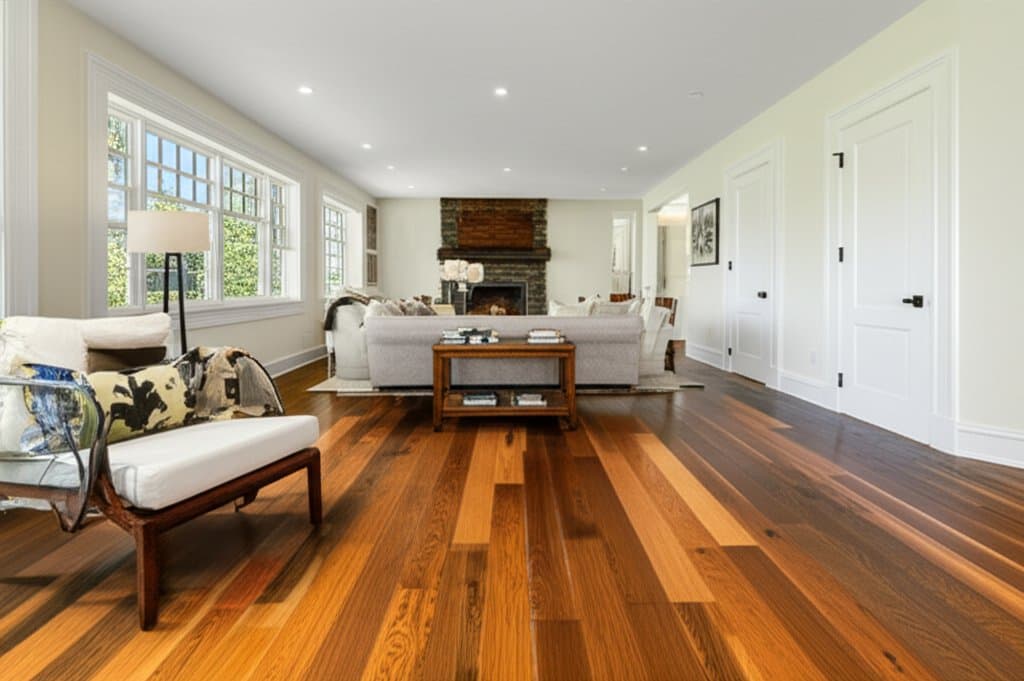
Reclaimed wood flooring emerges as a top eco-friendly trend for 2025, offering sustainability, durability, and unique style. While initial costs are higher, the increase in resale value, long lifespan, and health benefits from low-VOC finishes make it a wise investment for homeowners seeking both beauty and practicality.