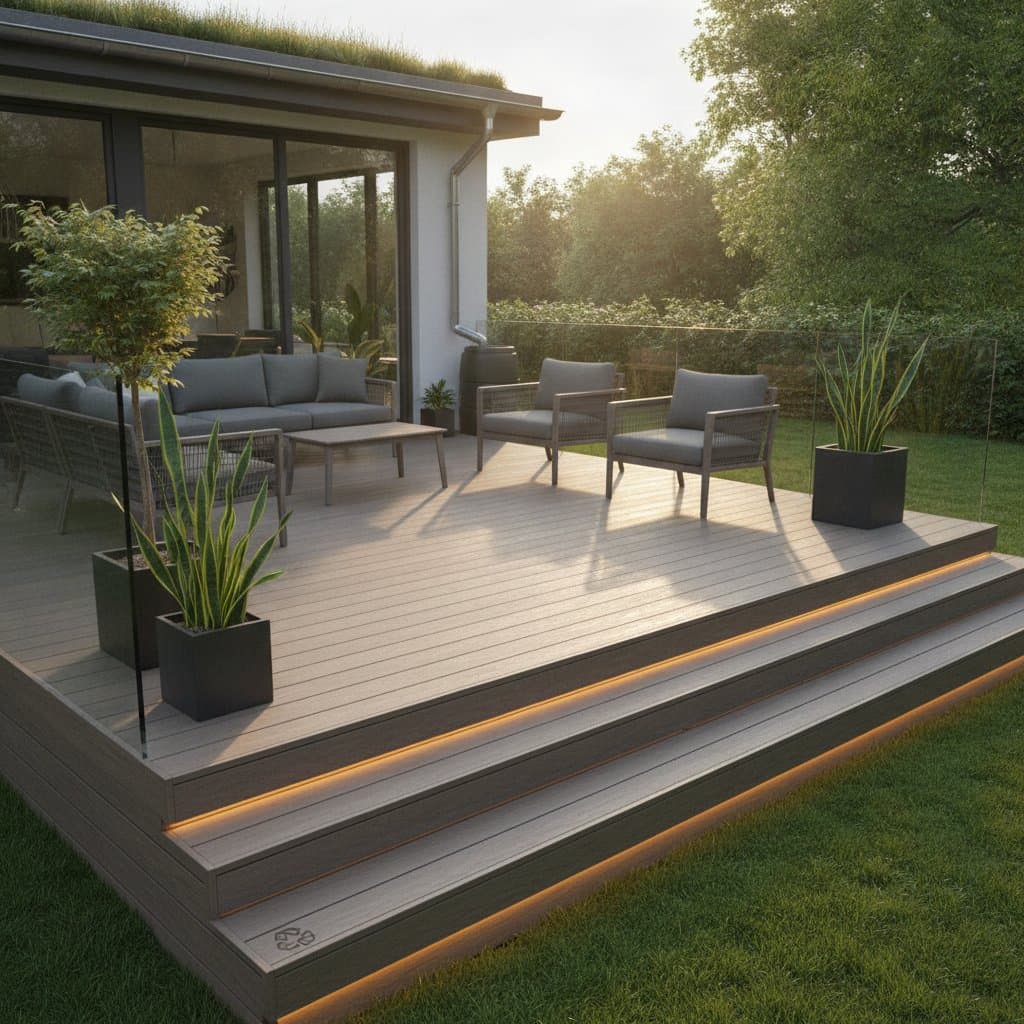
Recycled Plastic Lumber Outlasts Wood by Decades
Recycled plastic lumber converts plastic waste into durable, low-maintenance decks that resist rot and deliver long-term value for sustainable outdoor spaces.
By Trevor Olson
4 min read
Loading...

Recycled plastic lumber converts plastic waste into durable, low-maintenance decks that resist rot and deliver long-term value for sustainable outdoor spaces.
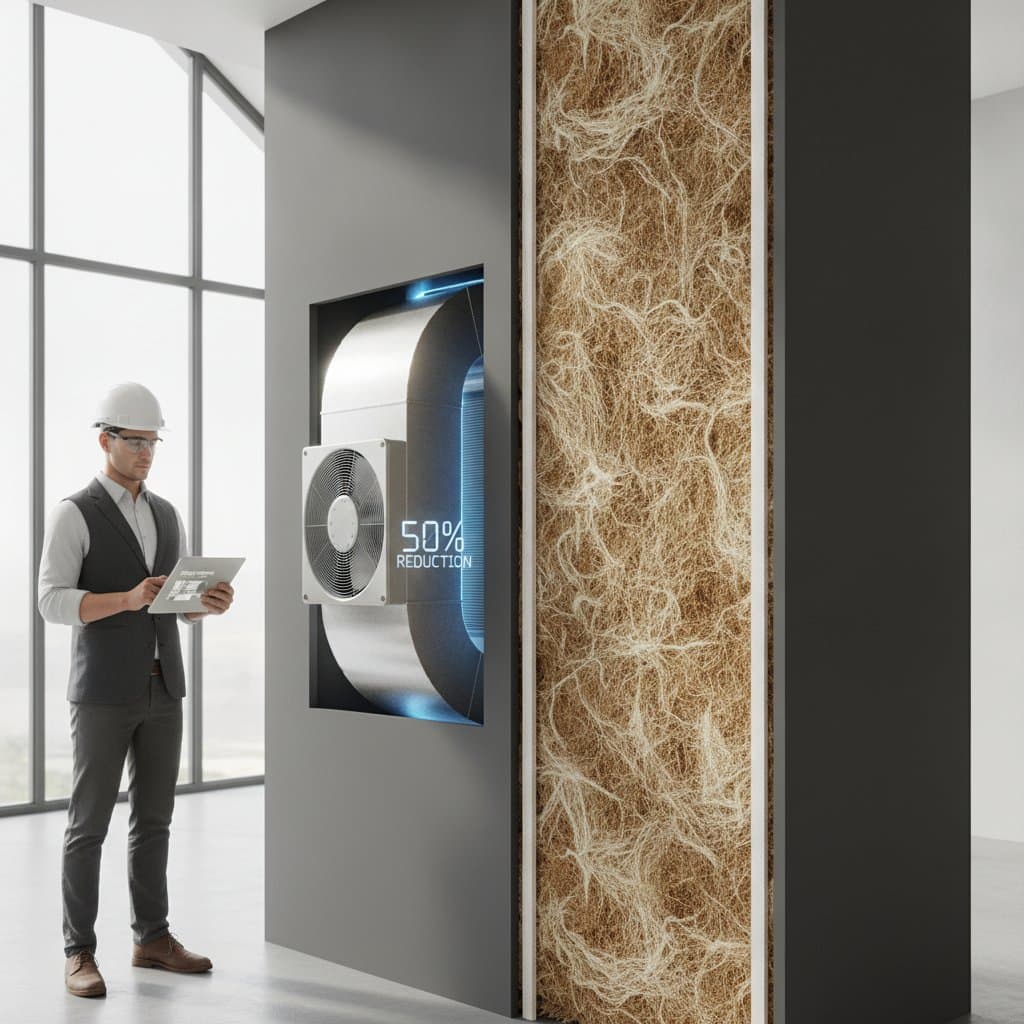
Mushroom-based insulation made from mycelium offers a sustainable alternative that can cut HVAC costs by up to 50 percent. Nontoxic, fire-resistant, and compostable, it improves air quality while reducing energy use. Discover how this innovative material transforms homes into efficient spaces that balance comfort, savings, and sustainability.
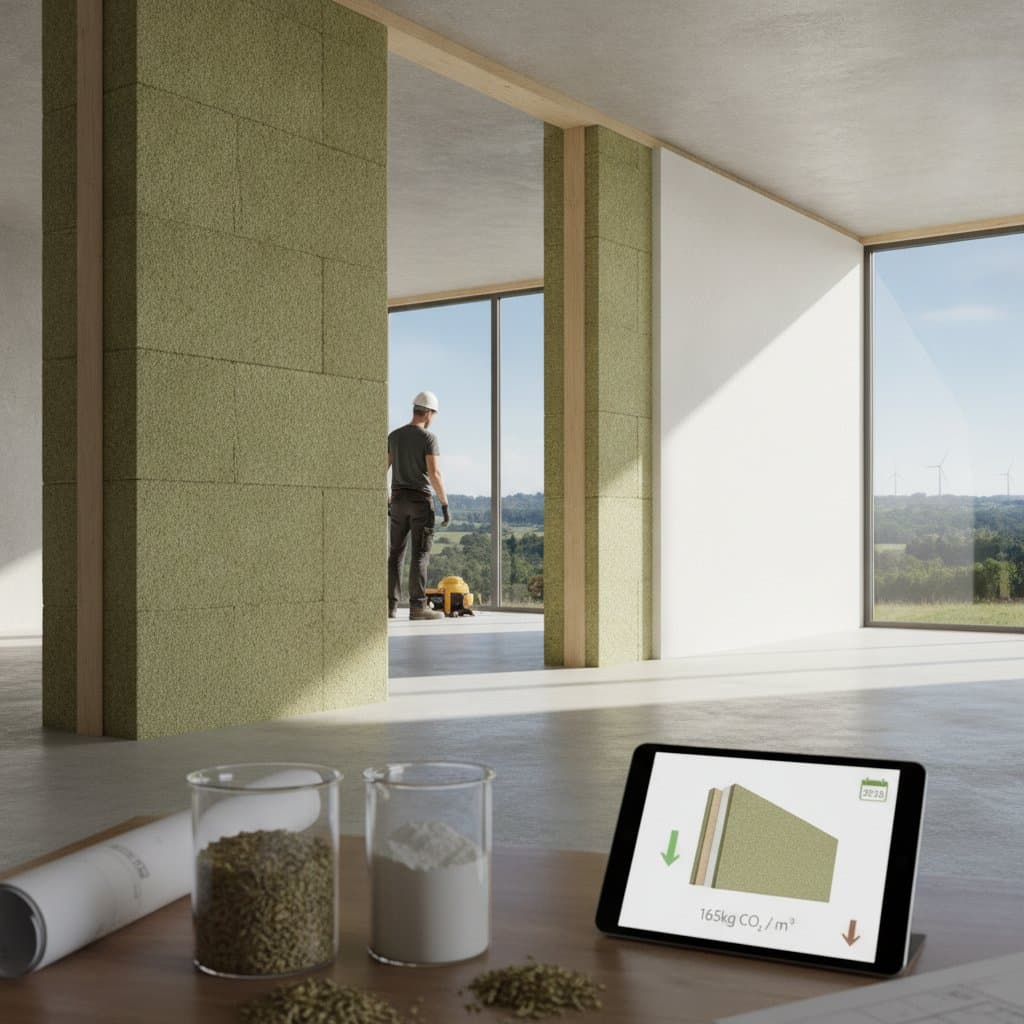
Hempcrete turns buildings into carbon sinks. This hemp and lime composite sequesters more CO2 than it emits, regulates indoor conditions, and offers long service life with full recyclability.
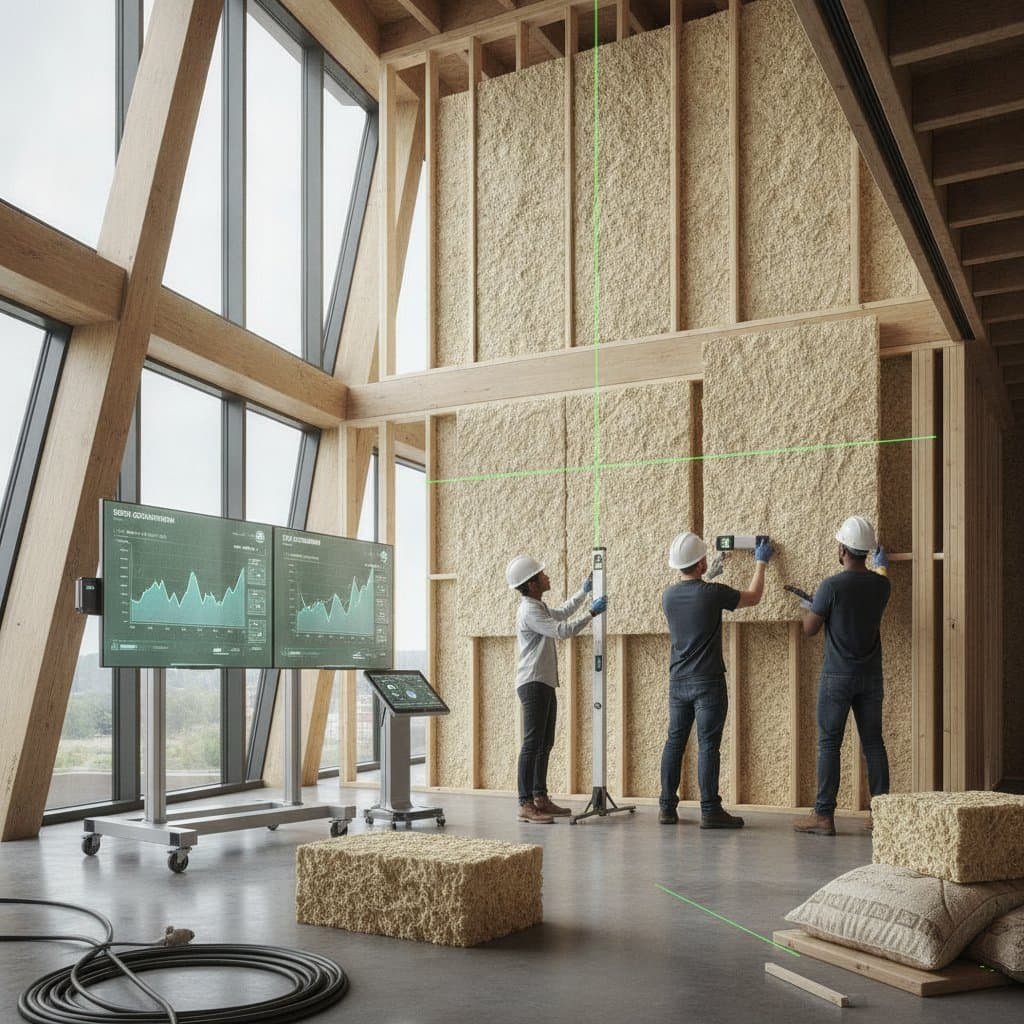
Mycelium insulation redefines sustainable construction with biodegradable, fire-resistant performance grown from fungi. It delivers up to 25 percent energy savings and lower carbon emissions.
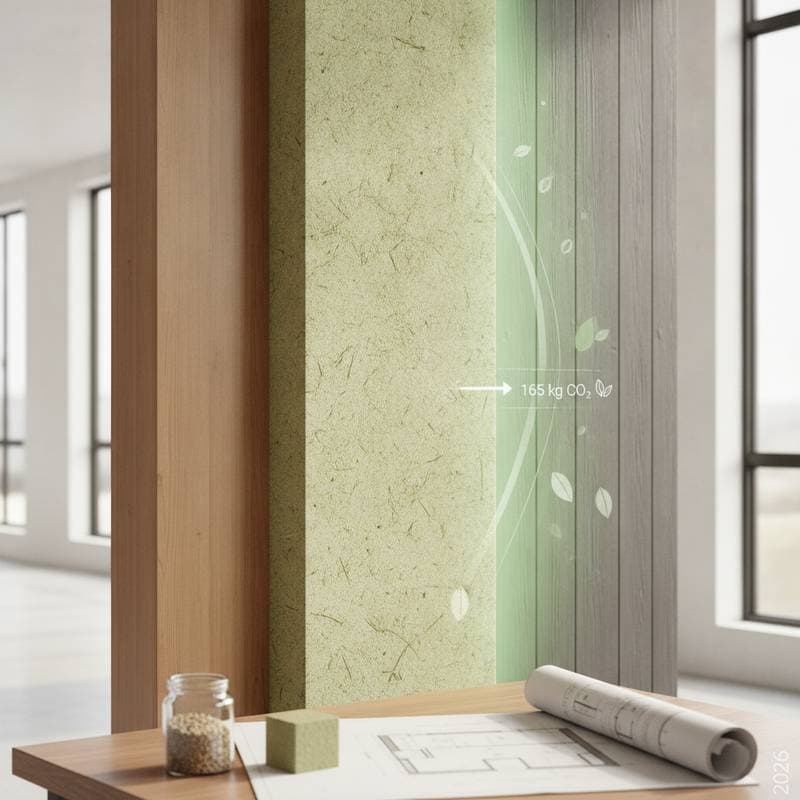
Hempcrete combines hemp hurds, lime, and water to create breathable walls that store carbon, reduce energy demand, and maintain steady indoor comfort when installed with proper curing and detailing.
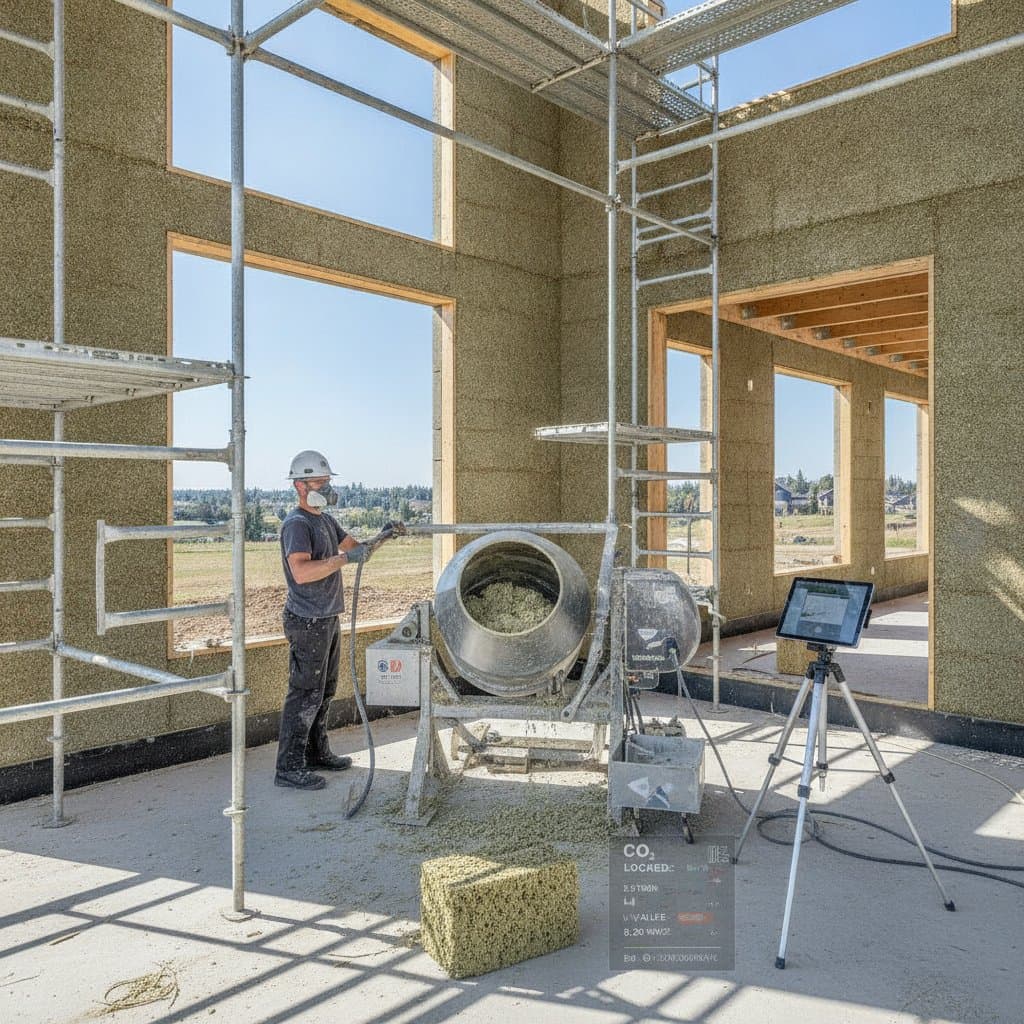
Hempcrete delivers carbon storing breathable insulation made from hemp, lime, and water. It improves comfort, cuts long term energy use, and supports net zero goals.
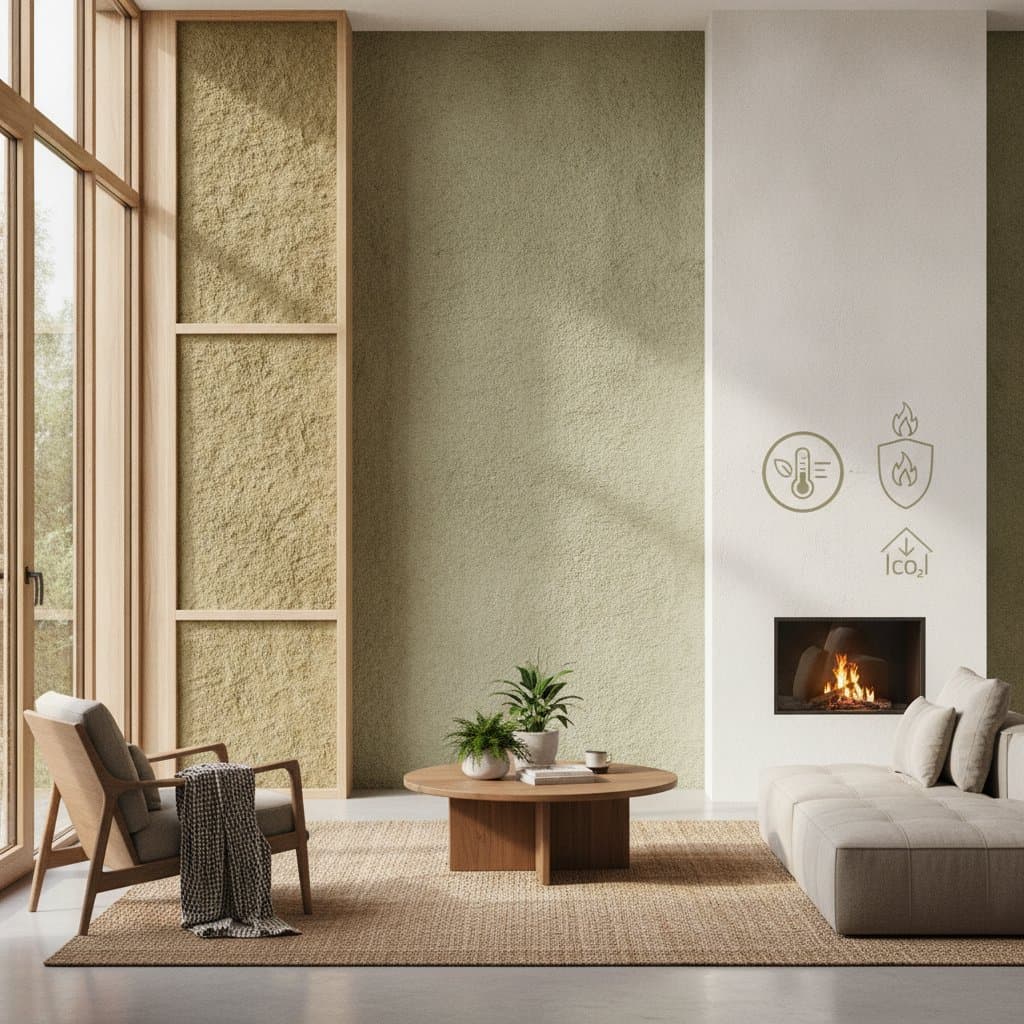
Hempcrete provides breathable insulation that resists fire, stores carbon, and reduces energy needs by up to 40 percent while supporting healthier indoor environments.
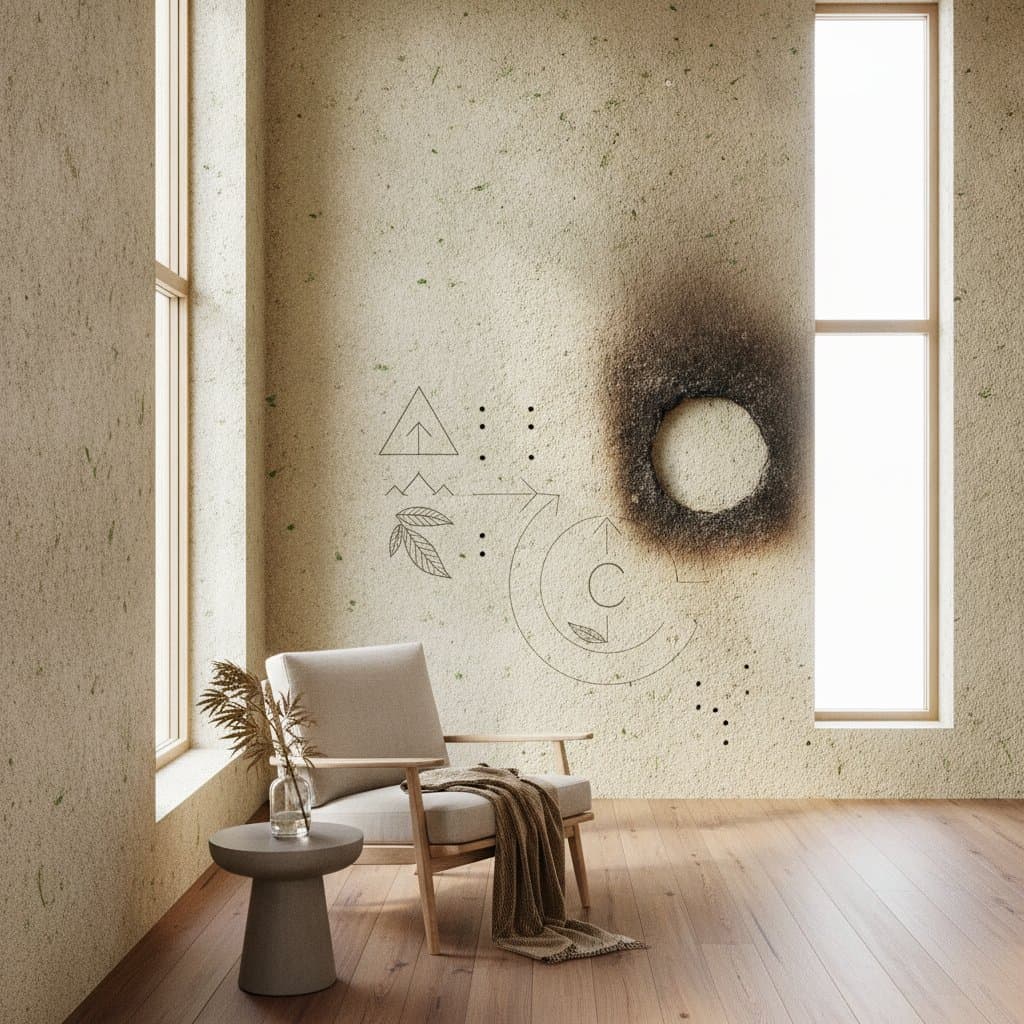
Hempcrete redefines green construction through fire resistance, carbon storage, and natural insulation. Made from hemp, lime, and water, it delivers durability, comfort, and reduced energy use for eco-conscious projects.
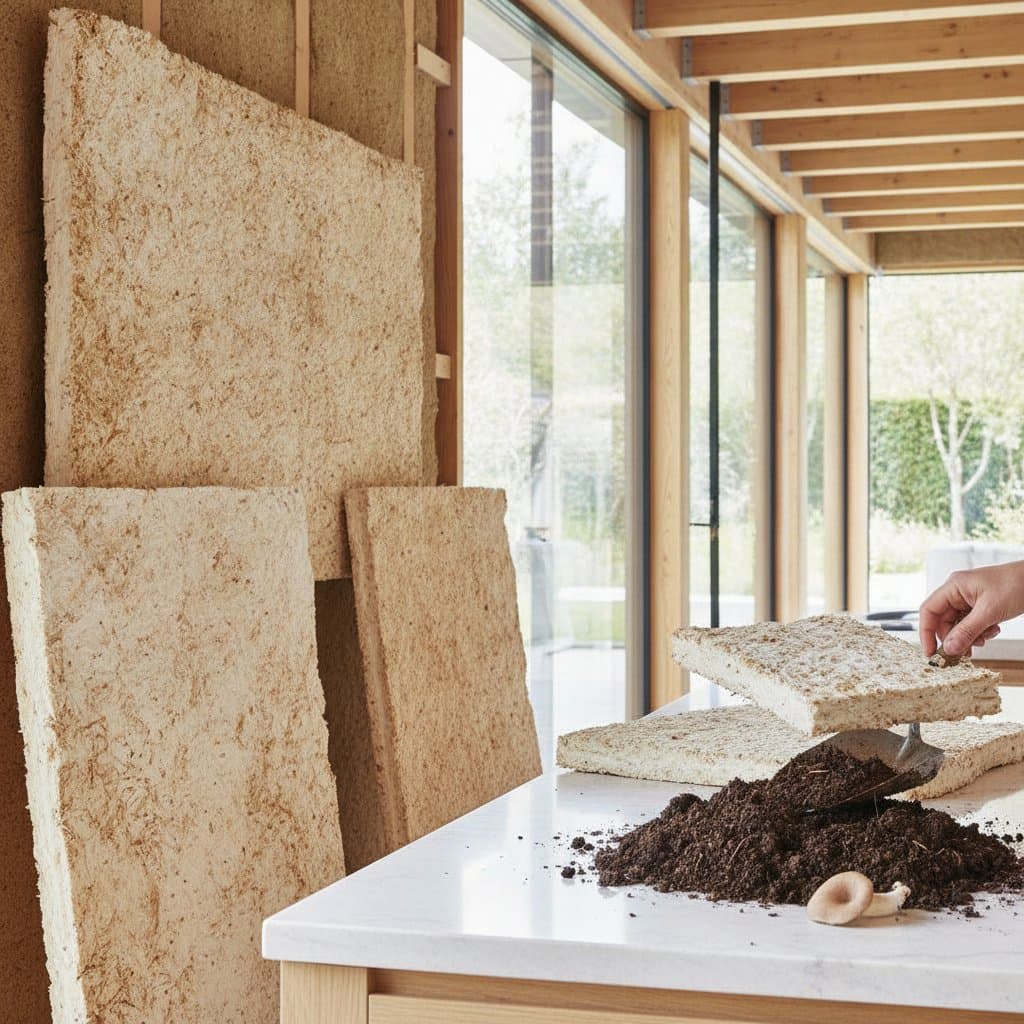
Mycelium insulation grown from mushroom roots provides a renewable, compostable option that matches conventional thermal performance while cutting embodied energy and supporting local production.
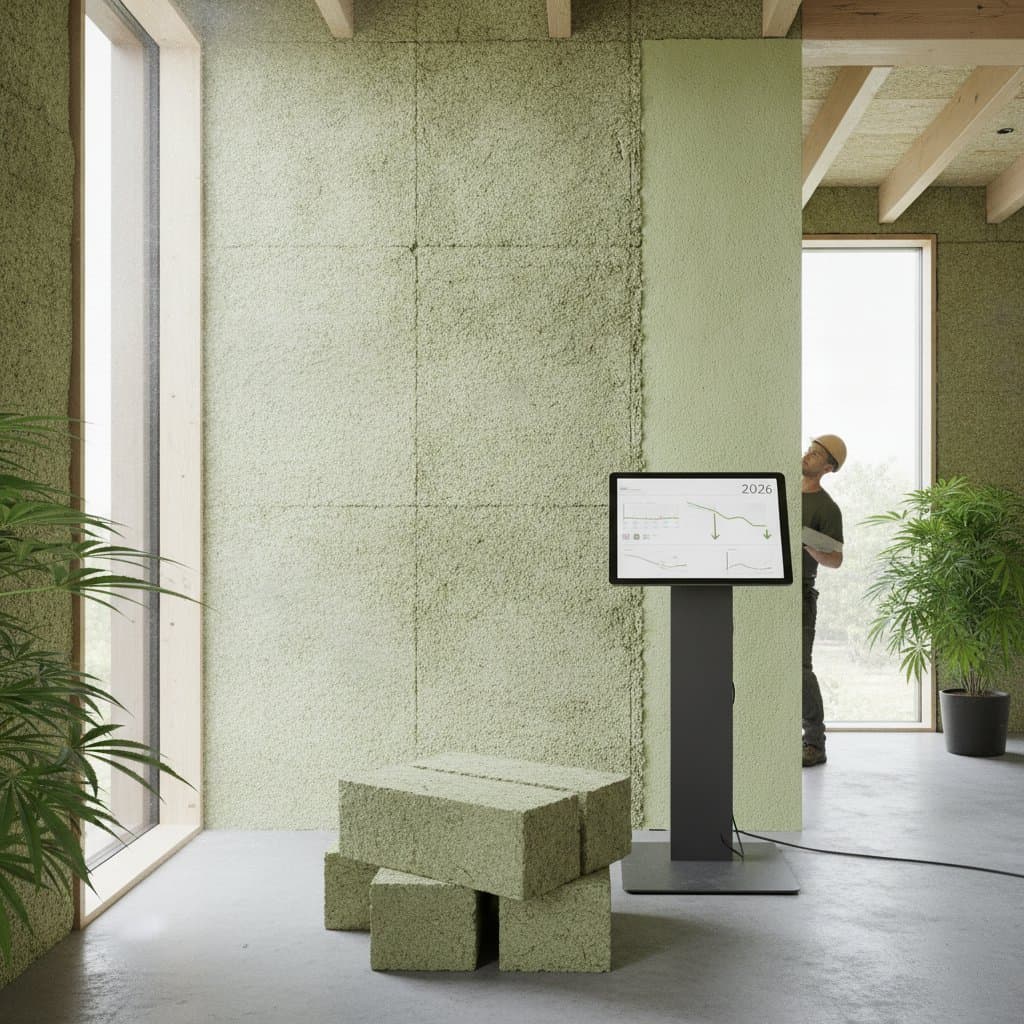
Hempcrete blends hemp, lime, and water into breathable insulation that stores more carbon than it emits while lowering long-term energy costs.
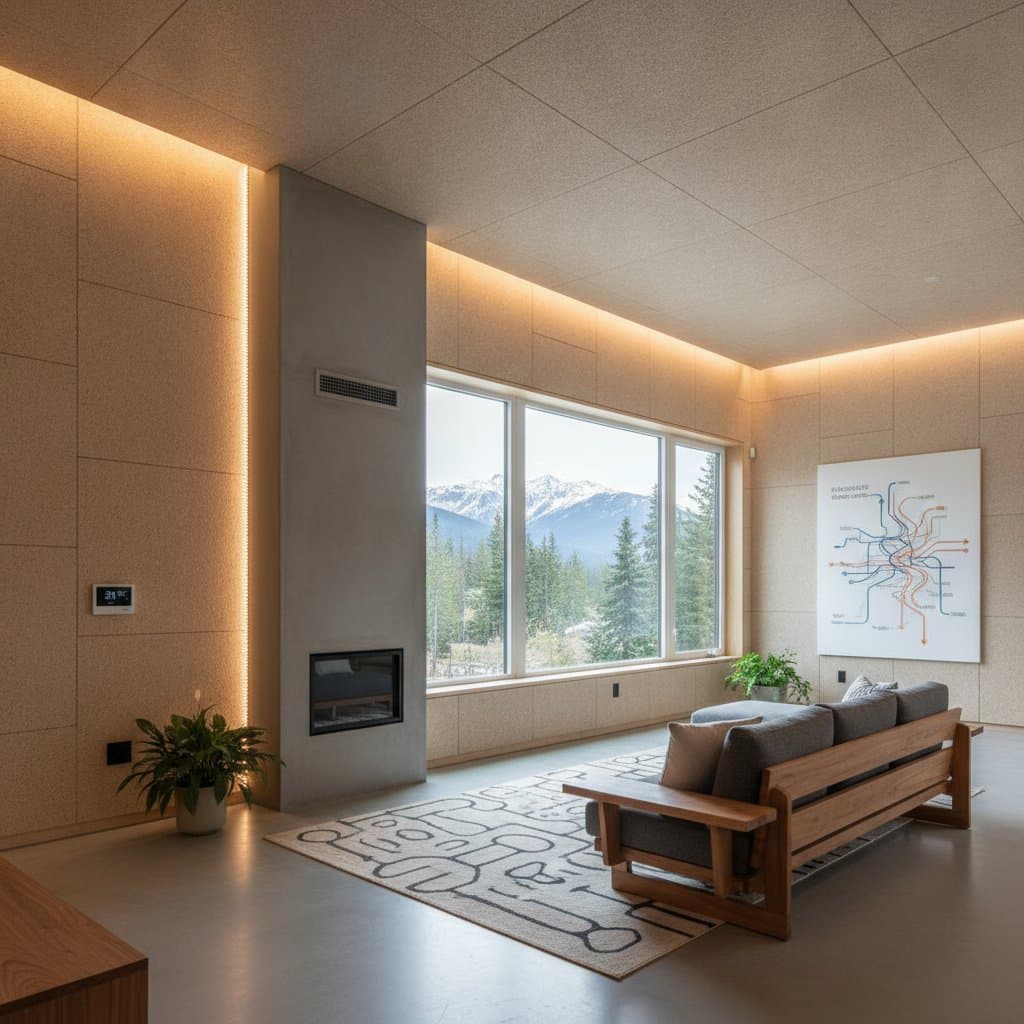
Phase-change materials store and release heat to maintain stable indoor temperatures. Integrated into walls or ceilings, they cut heating and cooling needs by up to 25 percent while supporting passive design and lowering emissions.
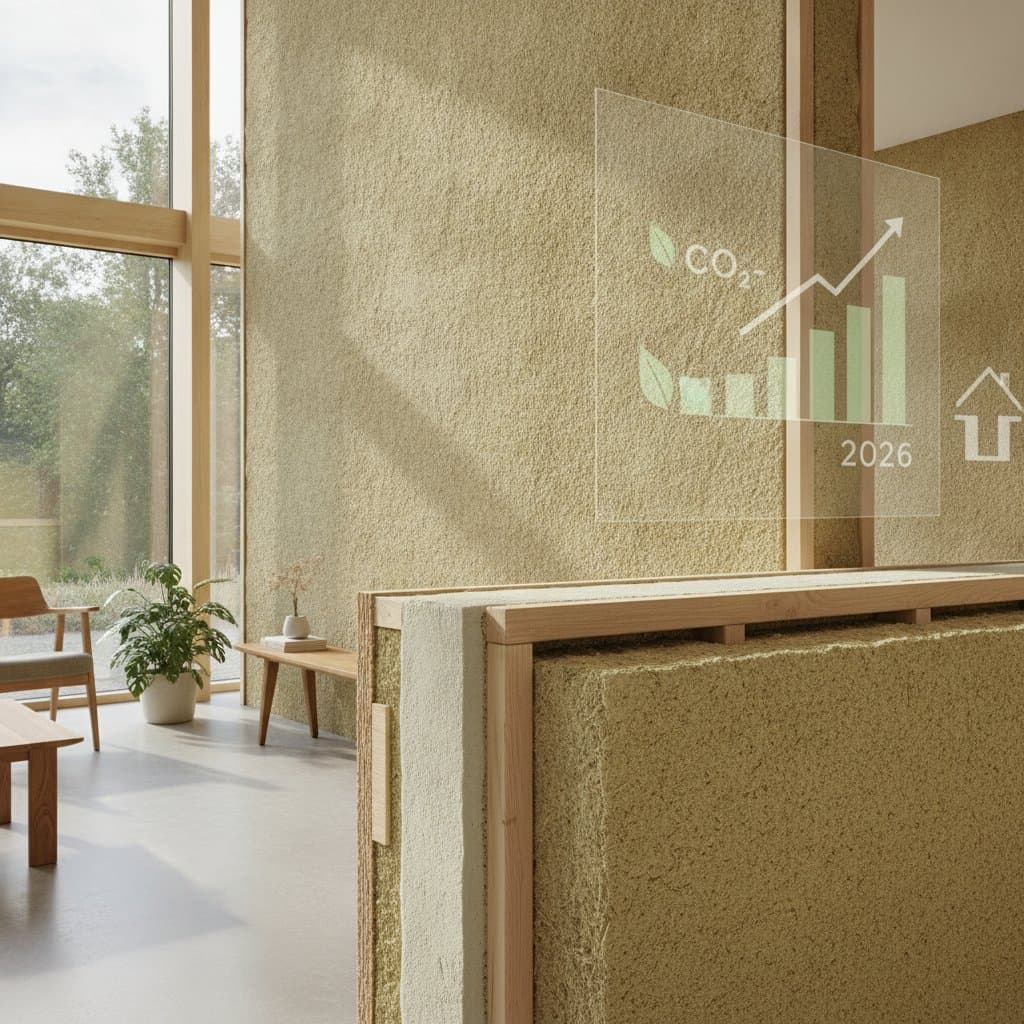
Hempcrete combines hemp, lime, and water into walls that store carbon, balance temperature and humidity, and support lower emission homes.
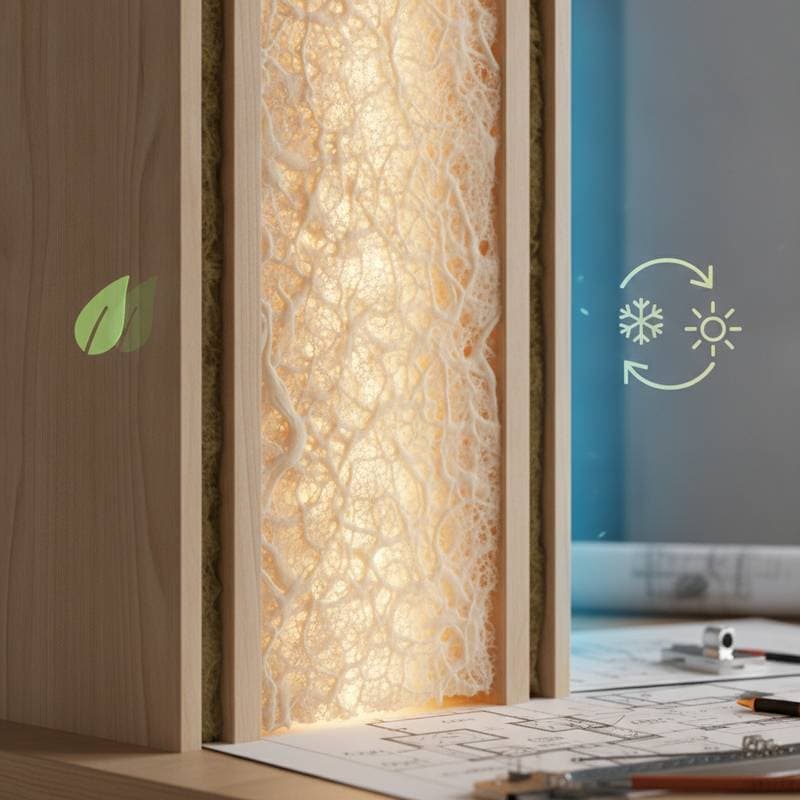
Mycelium insulation is redefining sustainable construction by turning fungal roots into high-performance, compostable panels. It delivers strong thermal efficiency, healthier indoor air, and lower lifecycle costs. With rapid technological advances and proven durability, this bio-based material offers homeowners a realistic, carbon-smart alternative to conventional insulation.
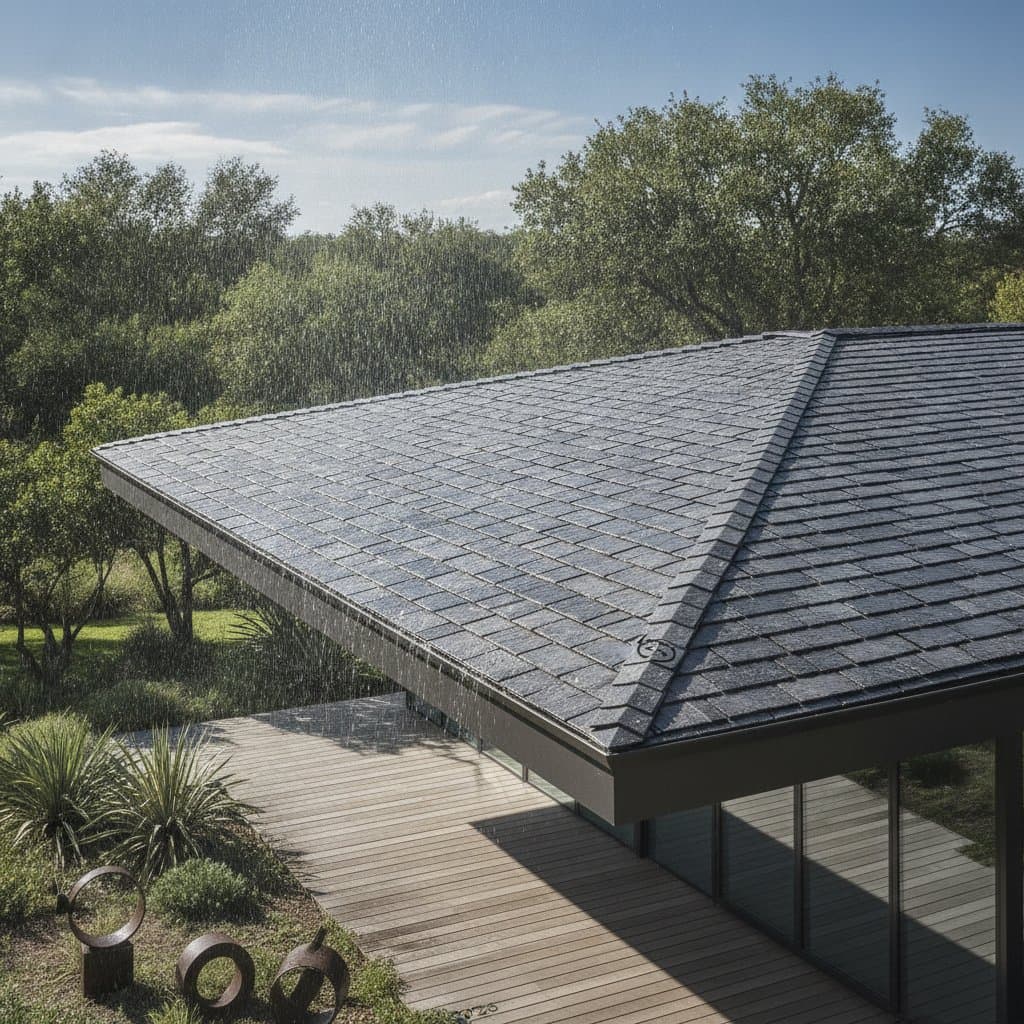
Recycled plastic roofing combines storm resistance with long service life while diverting plastic waste from landfills. Panels made from reclaimed materials match or exceed metal performance in extreme weather without added maintenance demands.
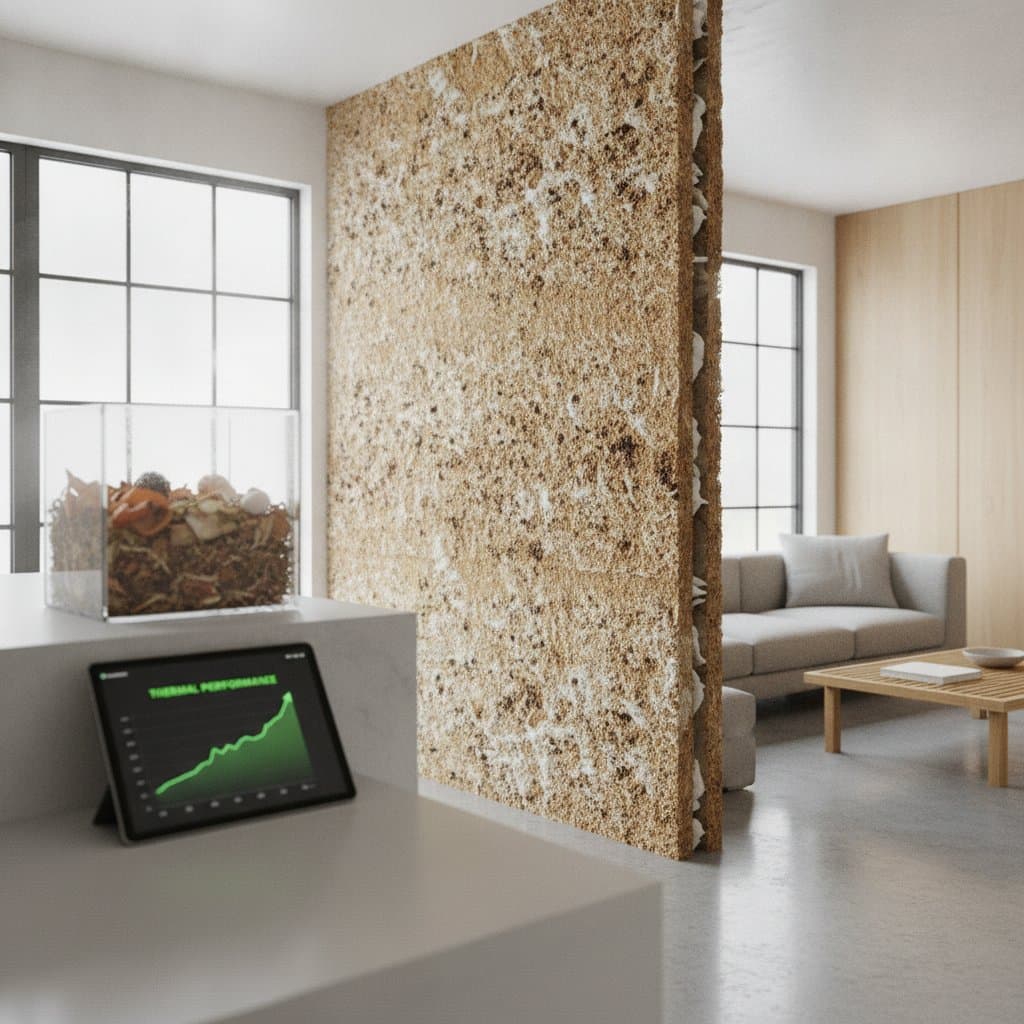
Mycelium insulation grows from fungal networks on agricultural waste. The resulting panels offer thermal performance near fiberglass levels while remaining compostable, non-toxic, and inexpensive to produce at home.
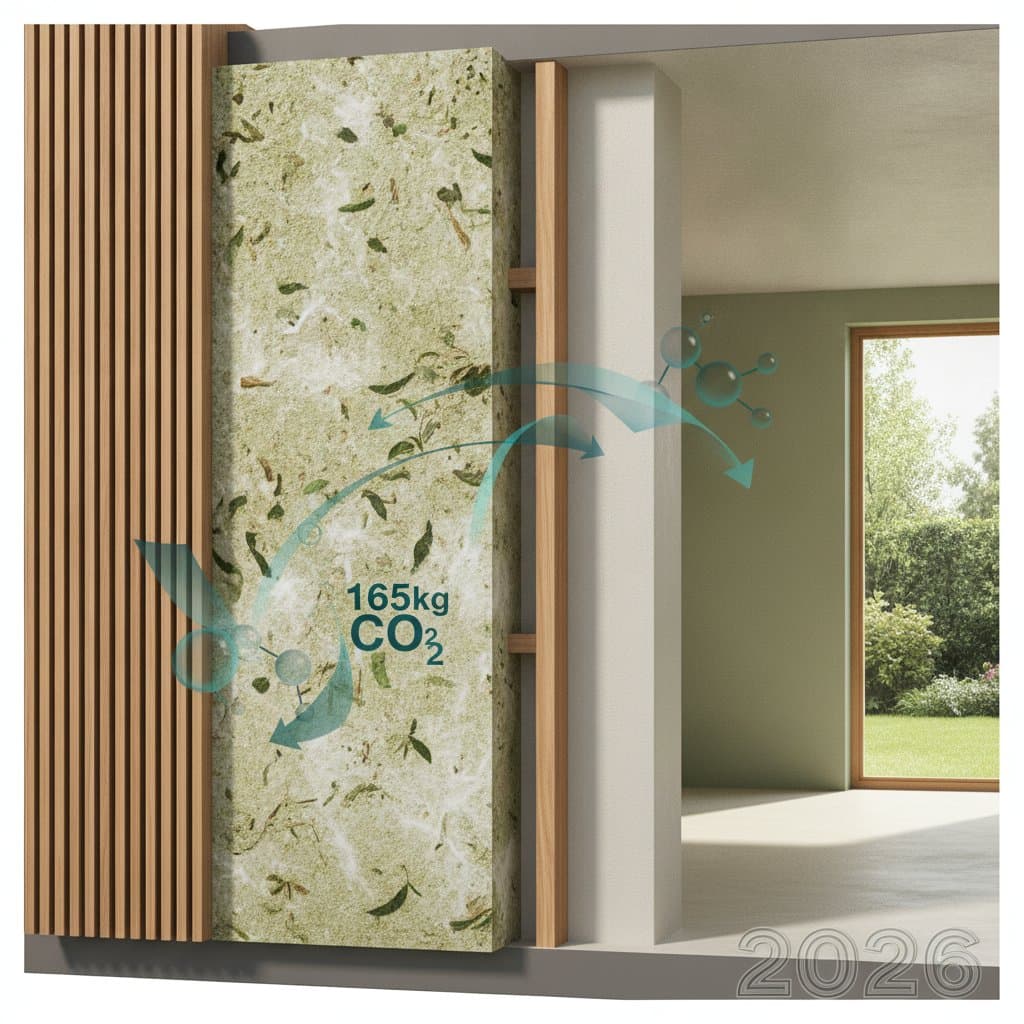
Hempcrete walls absorb carbon dioxide while providing durable, breathable insulation. Learn how this plant-based material reduces energy use and supports lower-emission construction.
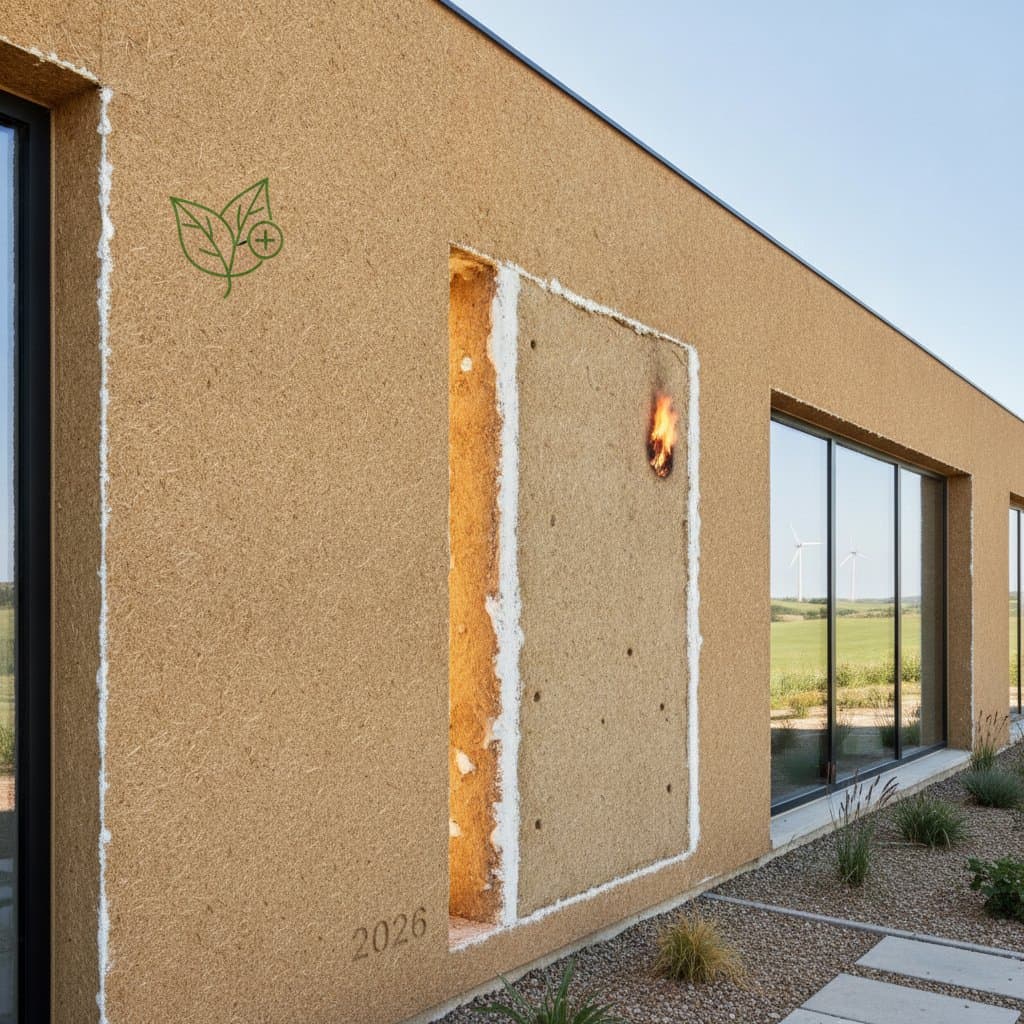
Hempcrete walls combine fire resistance, breathability, and carbon storage. Made from hemp, lime, and water, they deliver durable performance that meets modern green building needs.
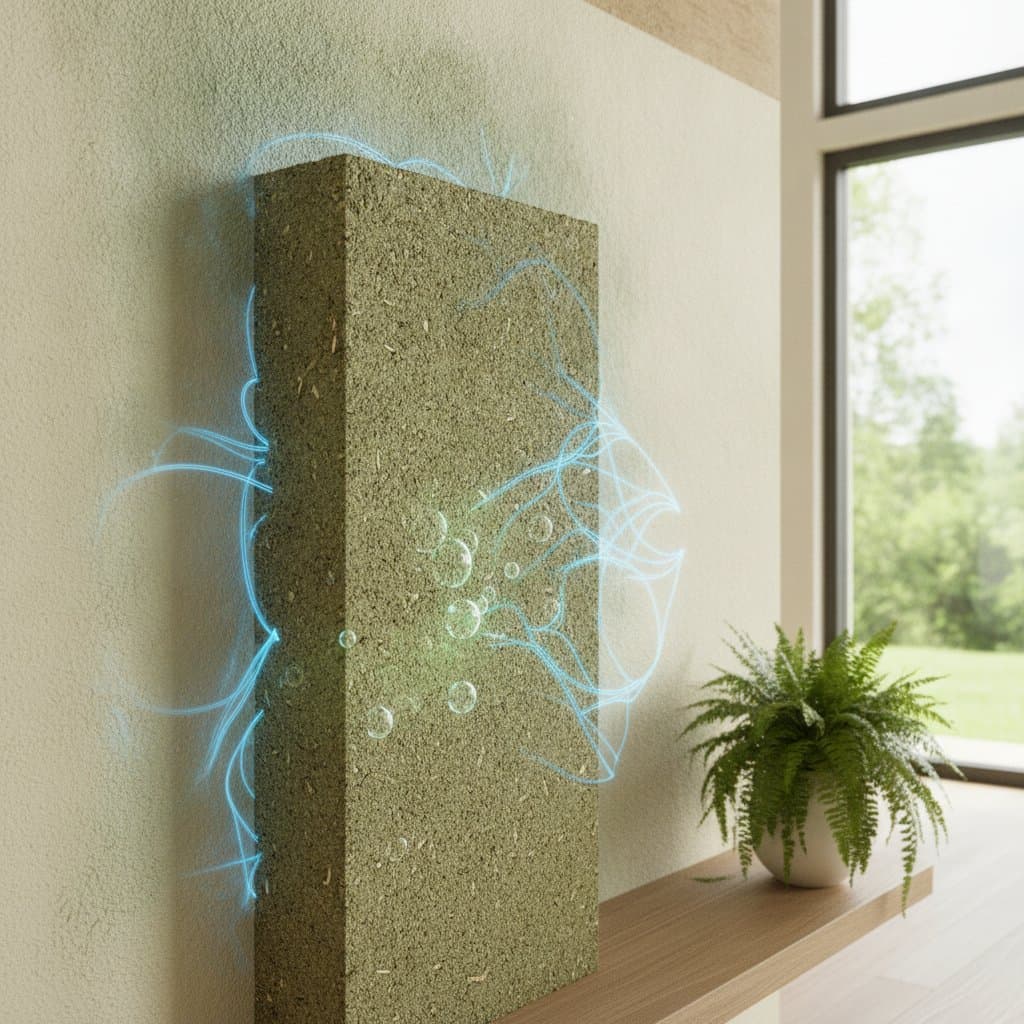
Hempcrete transforms walls into carbon-absorbing systems that regulate humidity, improve air quality, and reduce energy costs while supporting durable construction.
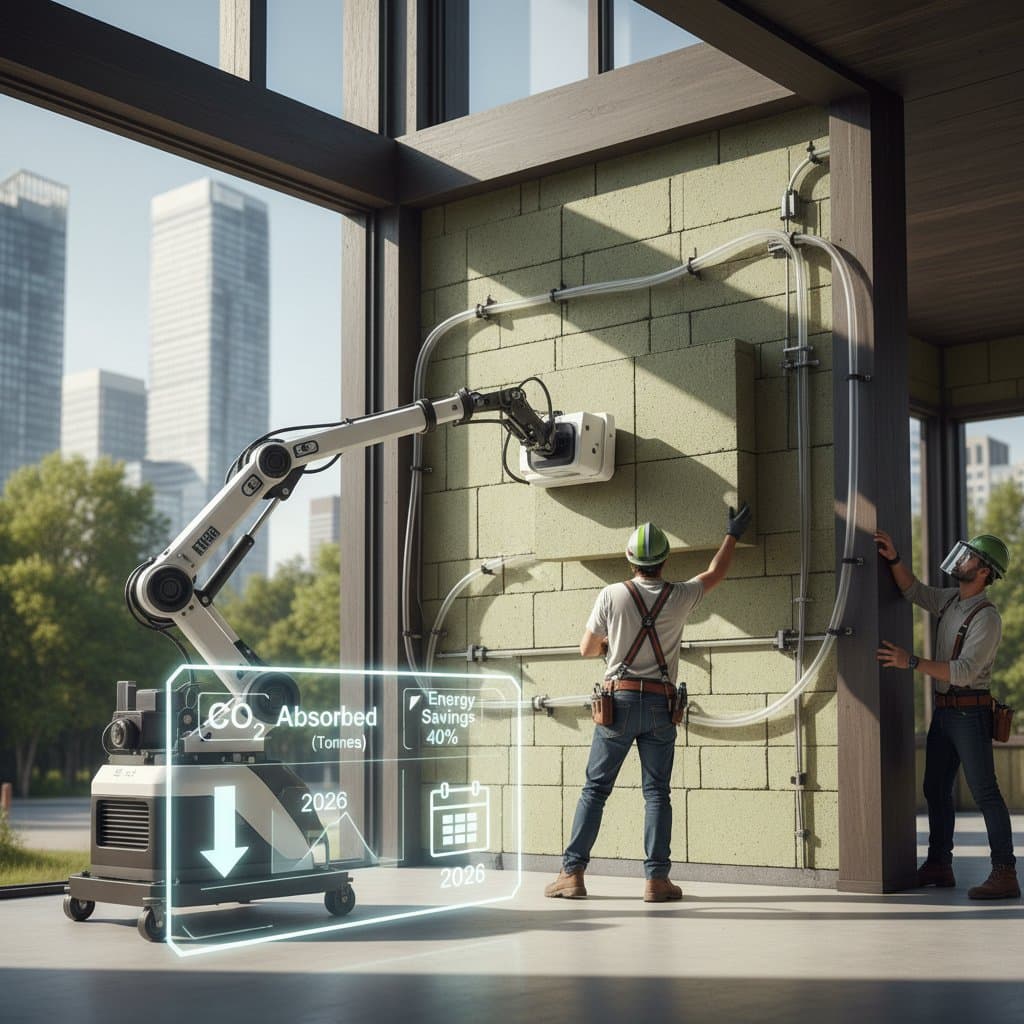
Hempcrete turns walls into carbon sinks that lower energy use, improve air quality, and extend building life. Discover the costs, construction steps, and financing options that make this bio based material practical for 2026 projects.
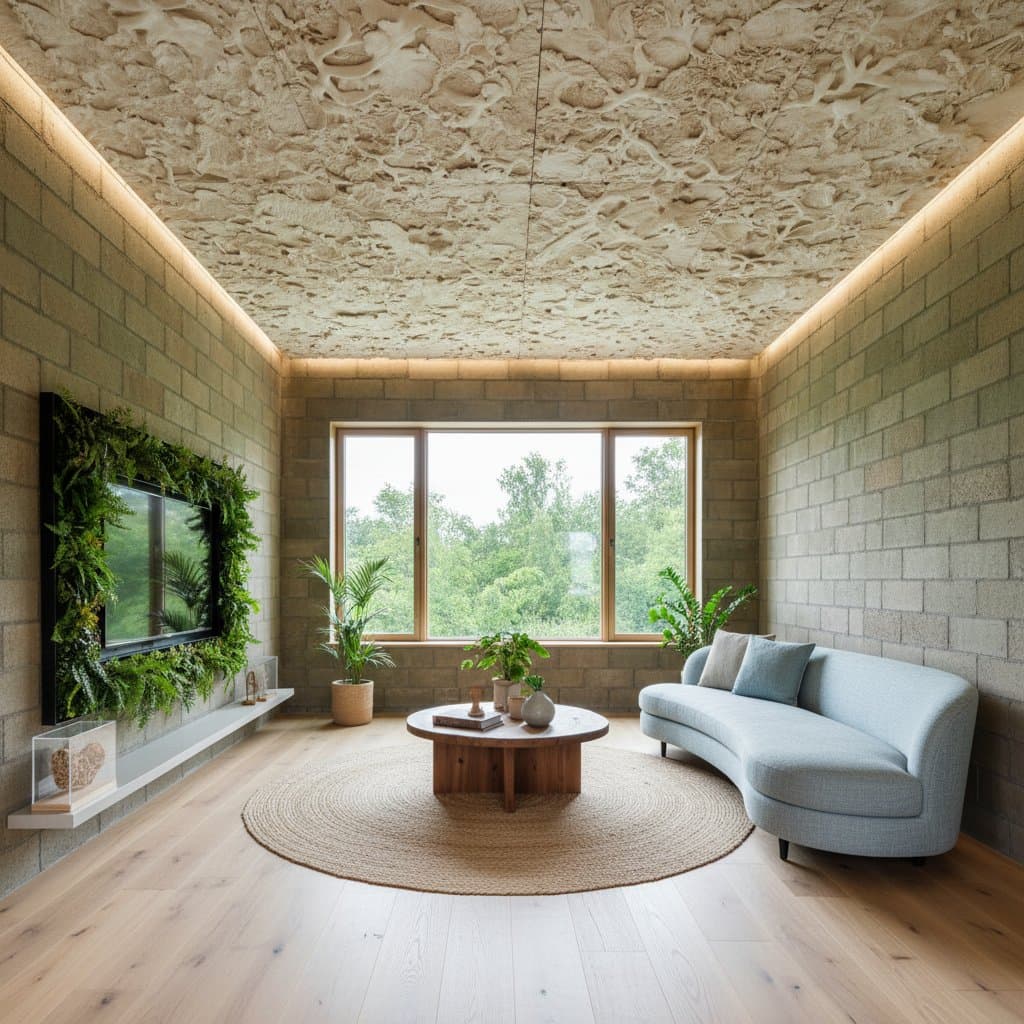
Mycelium and hemp materials offer renewable low carbon options that regulate temperature, manage moisture, and support healthier indoor environments while lowering long term ownership costs.