Key Points
- Recycled ocean plastic flooring stands out as a sustainable building material that combines innovation with environmental restoration.
- This material reduces marine waste, lowers carbon emissions, and provides durable, attractive finishes for homes and businesses.
- Understanding the collection, processing, and installation methods helps homeowners and builders make informed, eco-friendly decisions.
- Proper installation, sourcing from reliable suppliers, and maintenance ensure long-term performance and environmental benefits.
A New Wave in Sustainable Design
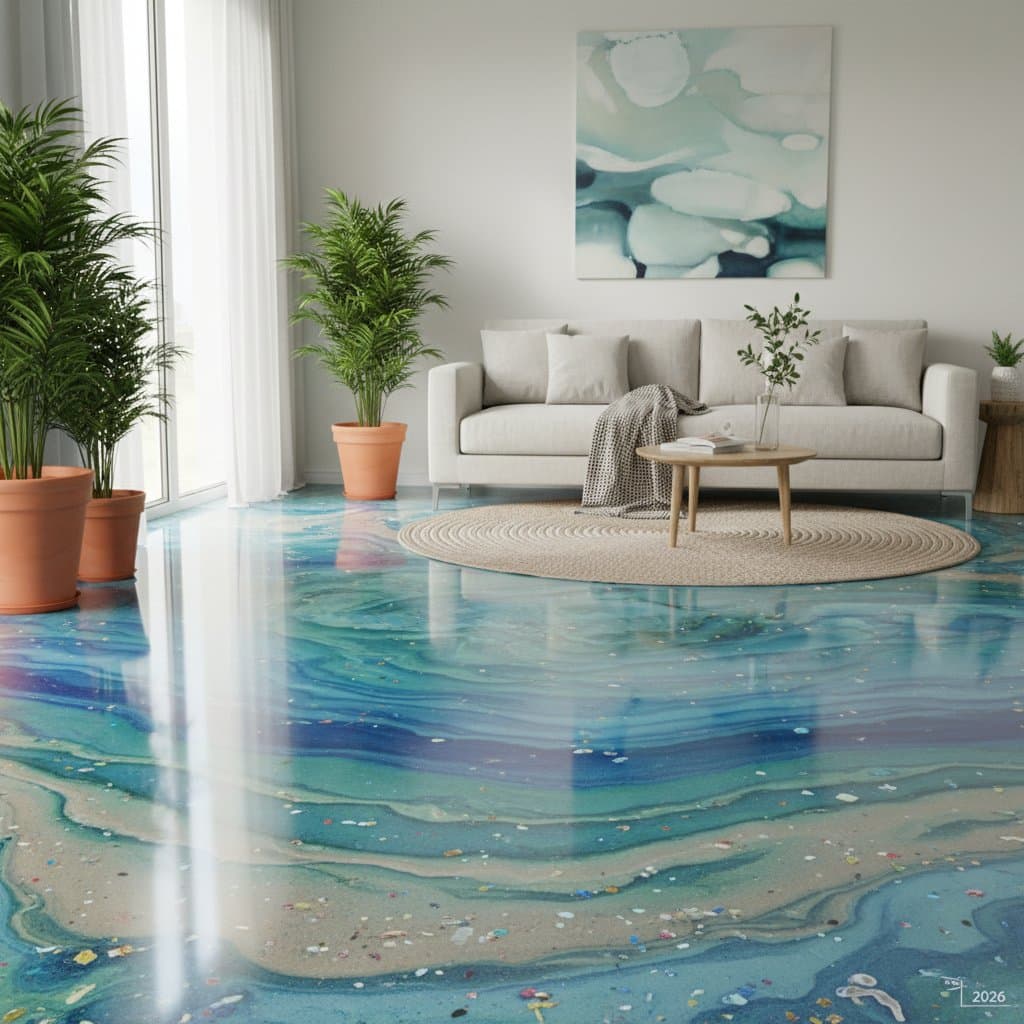
Picture walking across a sleek, modern floor that mimics polished stone or fine hardwood, yet consists of material once floating in the ocean. Many homeowners want to integrate sustainability into their lives. They seek to reduce waste and protect marine ecosystems, but often struggle to find practical options. Recycled ocean plastic flooring offers a solution. It transforms ocean cleanup into usable, visually appealing products.
For those facing rising material costs or worries about resource depletion, this option delivers a proactive answer. It supports a healthier planet while providing a surface that withstands daily wear. The process is simple but powerful: collect plastic debris from the ocean, process it carefully, and turn it into flooring that serves a purpose.
The Problem Beneath the Surface
Ocean plastic pollution represents one of the most pressing environmental issues today. Enormous amounts of plastic waste enter rivers, coasts, and open waters, threatening wildlife and entering food chains. Traditional flooring materials such as vinyl and laminate often rely on new plastics or petroleum-based products, which contribute to this cycle.
The issue grows more severe in coastal areas with high humidity, where salt air and moisture accelerate material degradation. Older flooring with harmful adhesives or microplastic components can leach into the environment. Experience in the field shows that these materials consume significant energy in production and pose challenges for disposal. Homeowners and builders need a clean alternative that meets performance needs without harming the planet.
The Sustainable Solution Rising from the Ocean
Recycled ocean plastic flooring takes discarded marine plastics, such as fishing nets, bottles, and packaging, and turns them into composite materials. These form tiles, planks, or flexible sheets suitable for various applications.
As a green building specialist, this flooring represents more than a product; it forms part of an ethical design system. Every square foot removes waste from the ocean, reduces demand for virgin plastic, and lowers embodied carbon, which includes all greenhouse gases produced during manufacturing.
Success depends on choosing certified suppliers. Many manufacturers partner with beach cleanup programs to collect and verify reclaimed materials. Some track the origin of each batch, offering full traceability for eco-conscious buyers.
How Recycled Ocean Plastic Flooring is Made
Creating these eco-friendly surfaces involves precise steps that blend advanced technology with environmental responsibility.
-
Collection and Sorting: Teams gather plastic waste from beaches, harbors, and remote ocean areas. They clean the items, sort by plastic type, and prepare them for processing.
-
Shredding and Pelletizing: Machines break the plastics into small flakes and melt them into uniform pellets. These pellets become the base for recycled compounds.
-
Compounding: Workers mix pellets with natural additives, stabilizers, and pigments to improve strength, color, and UV resistance.
-
Molding or Extrusion: The compound shapes into tiles through molding or into planks through extrusion, imitating wood or stone textures.
-
Finishing: A final polish or texture application adds slip resistance, ease of cleaning, and aesthetic appeal.
The result is a tough, water-resistant product ideal for kitchens, bathrooms, and coastal homes, where ordinary flooring might warp or fade.
Expert Tips to Boost Your Home's Eco-Efficiency
Draw on lessons from real projects to get the most from this innovative flooring.
-
Moisture Testing: Check subfloors for moisture before installation. Even water-resistant floors need a stable base to prevent warping.
-
Low-VOC Adhesives: Choose adhesives that release few volatile organic compounds to maintain high indoor air quality.
-
Underlayment Choice: Use recycled felt or cork underlay to improve insulation and sound absorption.
-
Maintenance Routine: Sweep regularly and use mild, eco-friendly cleaners to preserve the surface and prevent scratches.
-
Color Selection: Pick light colors to reflect more natural light, reducing the need for artificial lighting and saving energy.
These practices extend the flooring's life and strengthen your commitment to sustainability.
Practical Considerations for Homeowners and Builders
Before installation, consider the broader implications of choosing recycled ocean plastic flooring.
Cost and Return on Investment
Prices typically range from $4 to $8 per square foot, depending on the finish and any natural fiber additions. While more expensive upfront than basic vinyl, the long-term value often exceeds the cost. Resistance to water damage, fading, and cracks reduces repair and replacement expenses. Over a decade, savings can total 20 to 30 percent compared to lower-quality synthetics that wear out sooner.
Environmental Impact
Installing 1,000 square feet diverts hundreds of pounds of plastic from water systems. Production uses far less energy than making new PVC. For those pursuing LEED or WELL certifications, this material qualifies for points in categories like recycled content, regional materials, and innovative design.
Installation Timeframe
Most types use interlocking or click systems for quick setup. Professional crews can cover an average home in two to three days, depending on prep work. DIY works for small spaces, but experts recommend hiring for large or uneven areas to ensure proper alignment and sealing.
Aesthetic Flexibility
Designers appreciate the variety of styles available. Choices include driftwood patterns that capture a beach feel or sleek, industrial looks for modern interiors. The surfaces replicate wood grain without cutting down trees.
Comparing Recycled Ocean Plastic to Other Sustainable Materials
Other options like bamboo, cork, or reclaimed wood deserve consideration, but recycled ocean plastic offers unique advantages.
-
Moisture Resistance: It outperforms bamboo or cork in damp environments.
-
Durability: It handles heavy foot traffic like high-end vinyl, without using new plastics.
-
Maintenance: Cleaning proves easier than with porous natural materials.
-
Recycling Loop: At the end of its life, it can be recycled again, creating a closed loop.
Projects often benefit from hybrids, such as combining recycled ocean plastic with reclaimed wood fibers for added strength and warmth.
Safety and Indoor Health Benefits
Safety forms a key part of responsible design. Recycled ocean plastic flooring avoids toxins like phthalates, formaldehyde, and heavy metals. It meets strict standards for indoor air quality, making it suitable for homes with allergy sufferers or respiratory issues.
Subtle surface texturing improves traction to reduce slips in wet areas. Verify compliance with local codes on slip resistance, especially for commercial or public spaces.
Steps to Integrate Ocean Plastic Flooring into Your Project
Recycled ocean plastic flooring delivers dual benefits: environmental recovery and modern style. Every installation tells a story of transformation, turning waste into lasting features. This approach goes beyond trends; it advances circular building practices.
Connect with local suppliers who prioritize verified recyclables. Ask for documentation on the ocean plastic sources. This transparency builds trust and confirms your role in ocean cleanup.
To explore options, reach out to certified green building experts for free consultations and quotes. They can pair this flooring with upgrades like energy-efficient lighting or better ventilation to create balanced, sustainable spaces.
Frequently Asked Questions
Q: How durable is recycled ocean plastic flooring compared to traditional vinyl or laminate?
A: High-quality recycled ocean plastic flooring lasts 15 to 25 years with proper care. It resists moisture, impacts, and scratches better than many laminates and standard vinyls.
Q: Can this flooring be used in commercial spaces?
A: Yes, it performs well in offices, restaurants, and retail stores. Select versions rated for heavy use and certified for commercial wear resistance.
Q: How do I clean and maintain recycled plastic flooring?
A: Use gentle, eco-friendly cleaners with a soft cloth or mop. Avoid abrasive tools or harsh chemicals that could dull or damage the surface.
Q: Are there any installation challenges I should expect?
A: Click-lock systems make installation straightforward, but a level subfloor is essential. Professionals achieve the best results in large or uneven areas.
Q: Does choosing this flooring really make a difference for the environment?
A: Yes. Programs remove plastics from the ocean and cut demand for new materials. Widespread use significantly reduces marine pollution and emissions over time.