Recycled Plastic Shingles Deliver Decades of Reliable Protection
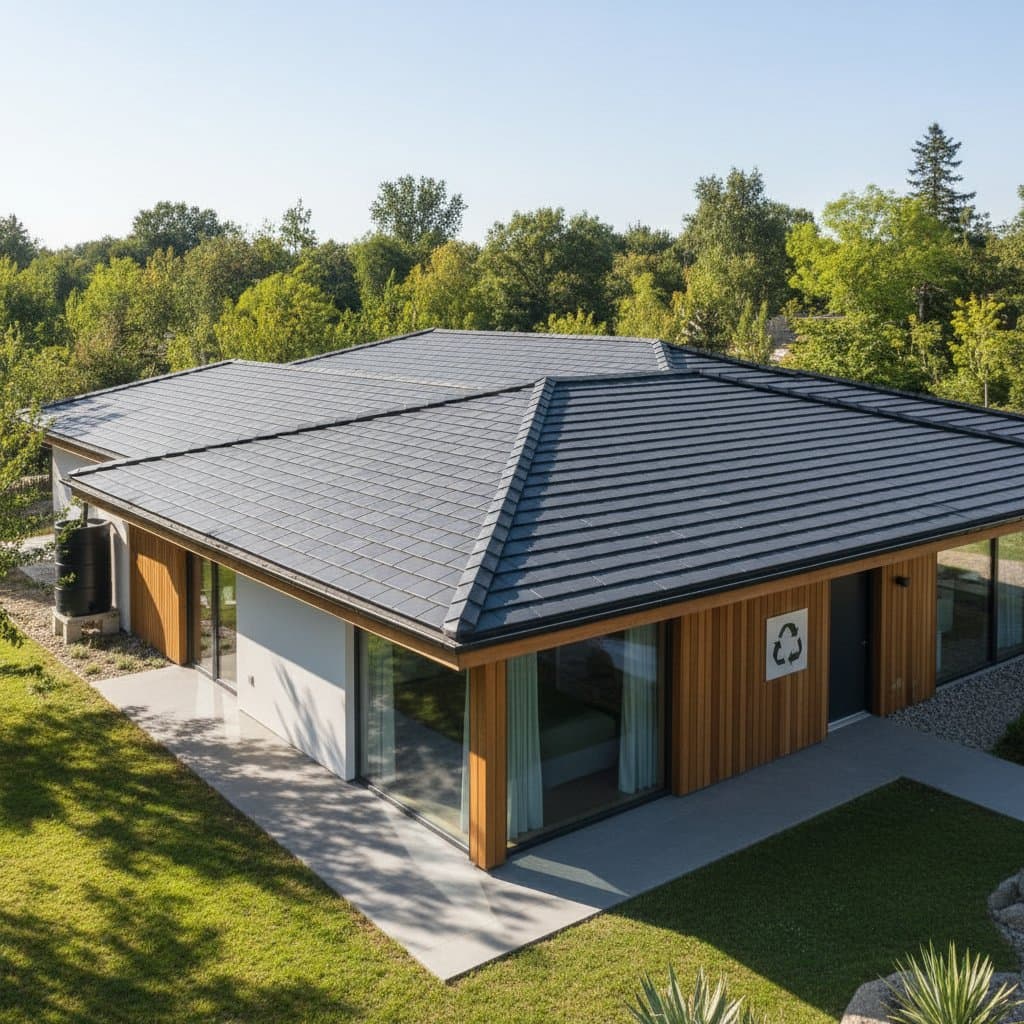
Recycled plastic shingles offer a practical alternative to traditional roofing options. These materials combine extended service life with reduced environmental impact. Homeowners gain durability without excessive weight or expense.
Core Advantages at a Glance
- Service life reaches 50 years with routine inspections only.
- Production diverts post-consumer plastics from landfills.
- Installation expenses drop 20 to 30 percent versus slate or tile.
- Low weight simplifies handling and reduces roof load.
- Reflective surfaces lower peak temperatures by up to 15 percent.
Importance of Shifting Away from Conventional Roofing
Asphalt shingles generate substantial landfill waste each year. Production depends on petroleum resources that contribute to ongoing extraction. Recycled plastic shingles convert bottles, bags, and packaging into weather-resistant panels. The process cuts demand for virgin petroleum products while handling temperature extremes and storm exposure effectively.
Recycling one ton of plastic avoids consumption of more than 16 barrels of oil equivalent. Roofing applications extend this benefit by locking the material into long-term use rather than short-cycle disposal.
Formulation Behind Extended Durability
Manufacturers combine high-density polyethylene and polypropylene with ultraviolet stabilizers. The blend is molded to replicate the appearance of wood, slate, or clay. Resulting shingles resist cracking and warping across wide temperature ranges. Warranties frequently cover 50 years, matching premium materials while weighing far less.
Performance Comparison
| Roofing Type | Average Lifespan | Weight (per sq. ft.) | Cost (per sq. ft.) | Maintenance Level |
|---|---|---|---|---|
| Asphalt Shingles | 20 years | 2.5 lbs | $3 - $5 | Moderate |
| Metal Roofing | 40+ years | 1.5 lbs | $8 - $12 | Low |
| Slate Tiles | 75+ years | 8 lbs | $15 - $25 | Low |
| Recycled Plastic Shingles | 50 years | 1 lb | $6 - $9 | Low |
Lightweight construction reduces structural demands and trims labor expenses by 10 to 15 percent during installation.
Energy Performance and Moisture Resistance
Reflective coatings limit heat absorption and can reduce summer cooling loads by up to 10 percent. Cooler attics protect insulation and ventilation components over time. Water resistance also limits mold growth in humid or coastal settings, extending functional life.
Installation Practices That Maximize Results
Lightweight panels often install directly over existing roofing, avoiding tear-off and disposal steps. Interlocking edges accelerate placement by 25 to 30 percent. Professional crews achieve full warranty compliance and proper ventilation integration.
Installation Errors to Prevent
- Omitting underlayment allows condensation to form beneath the surface.
- Incorrect fastener selection or spacing creates stress points.
- Inadequate airflow leads to heat buildup and shortened material life.
Evaluating Long-Term Returns
Higher initial costs recover through lower maintenance, energy savings, and deferred replacement. Homeowners typically realize 70 to 80 percent return over the roof lifecycle. Municipal recycling growth and builder preferences support continued adoption for both residential and commercial projects.
Selecting the Right Product for Your Project
Compare color stability ratings and wind-load certifications before purchase. Verify compatibility with local building codes and ventilation requirements. Professional assessment confirms structural suitability and optimal layout for drainage.