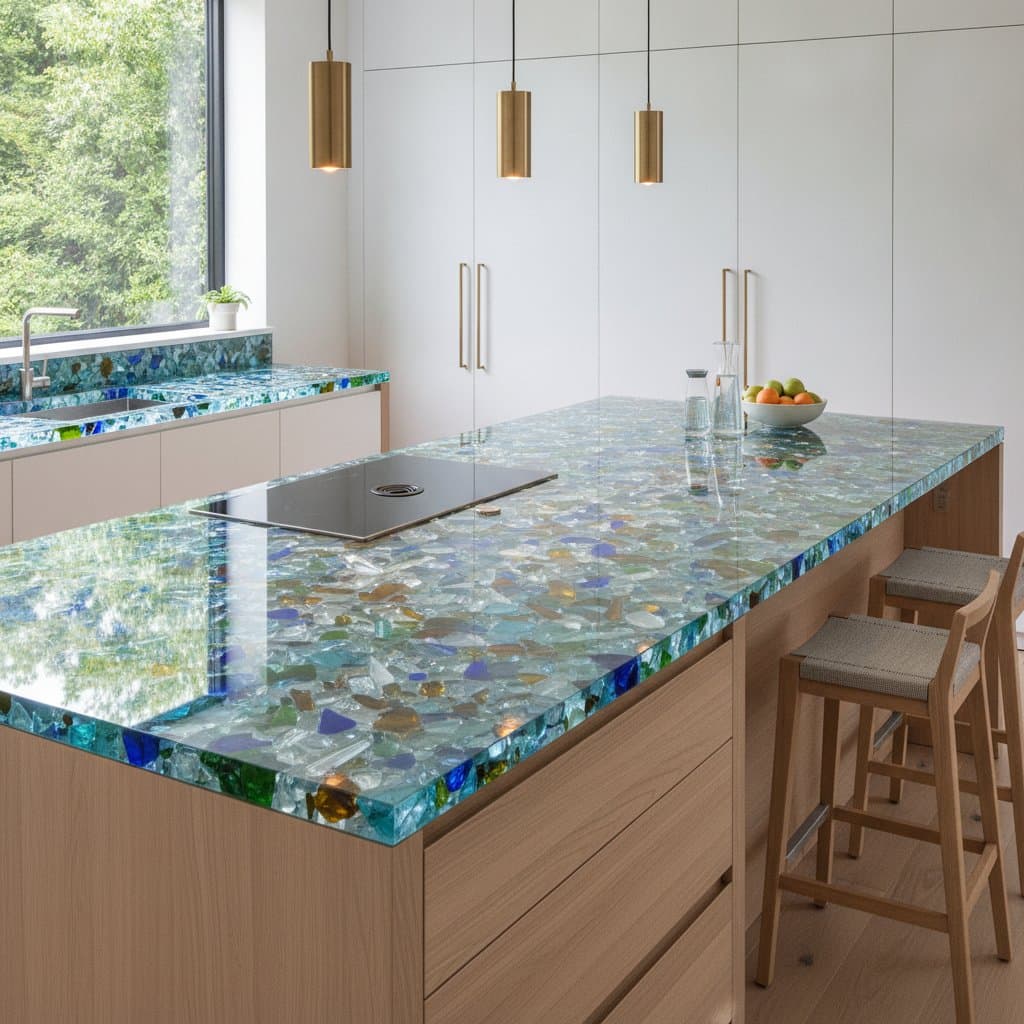
Key Points
- Recycled glass countertops combine modern style with genuine sustainability.
- They offer durability comparable to natural stone but with a unique, colorful aesthetic.
- Homeowners can expect a wide cost range based on brand, resin type, and recycled content percentage.
- Proper sealing, installation, and maintenance maximize lifespan and appearance.
- Long-term value comes from energy savings, reduced waste, and increased home resale appeal.
The Allure of Turning Trash into Treasure
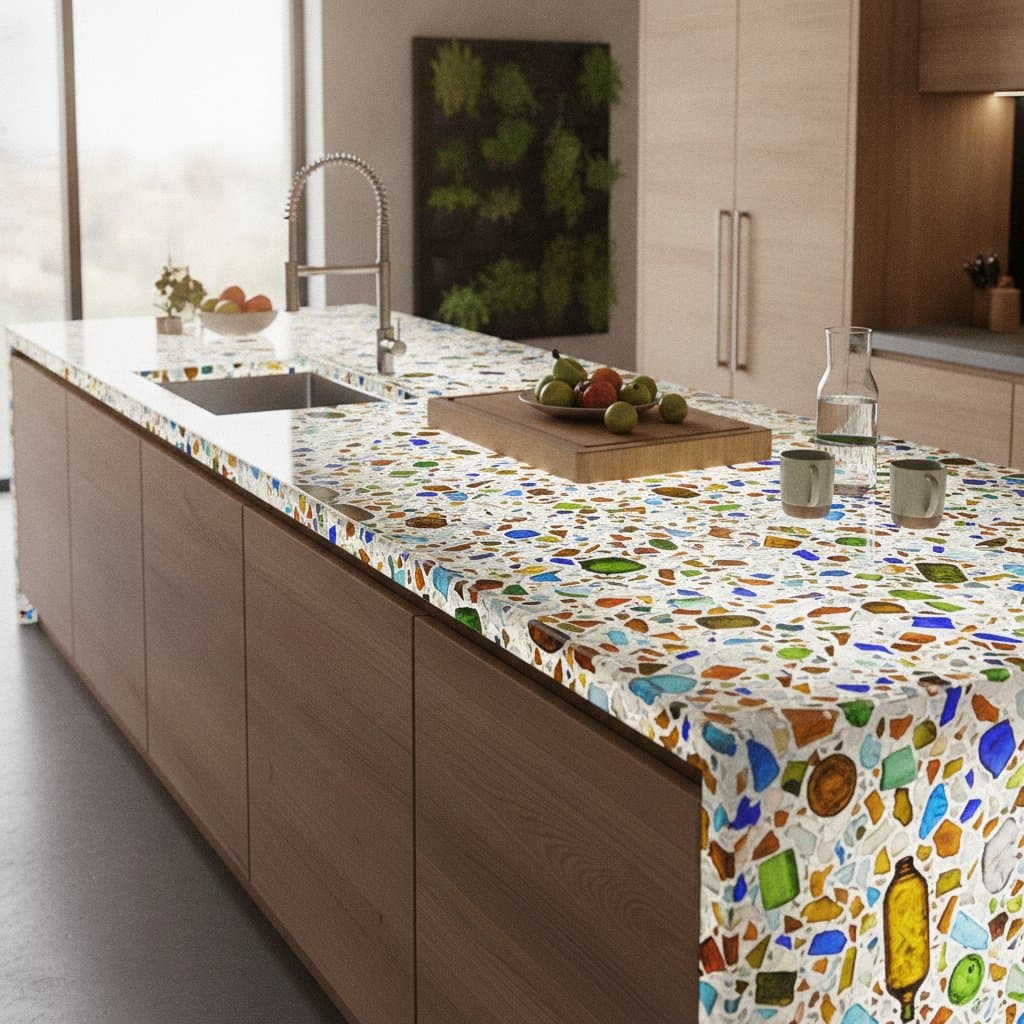
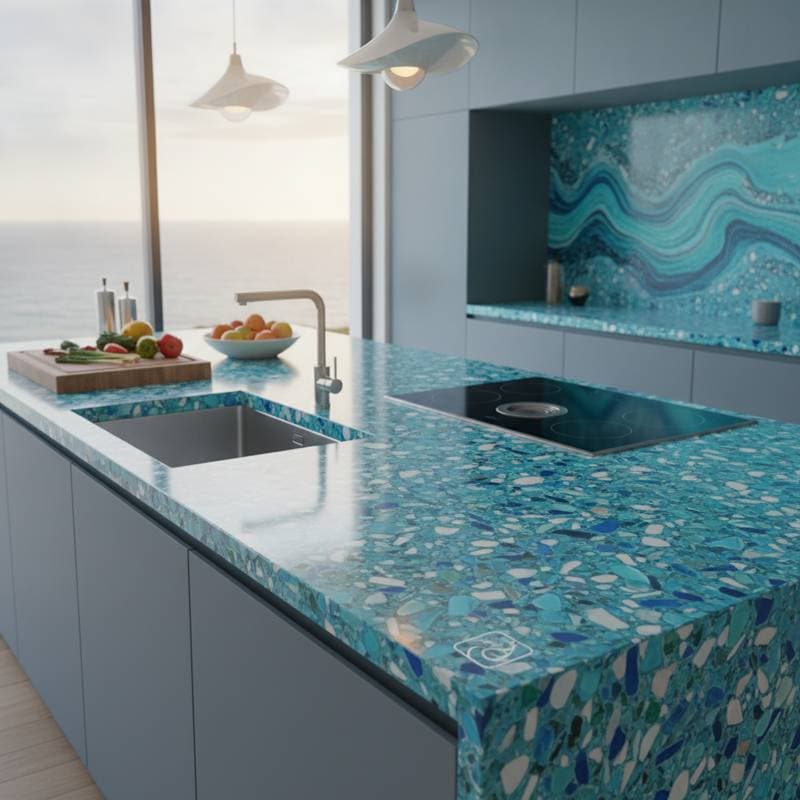
Picture your kitchen on a sunny morning. Light bounces across the countertop and catches tiny flecks of color from crushed bottles and reclaimed glass. It feels modern, artistic, and just a little bit luxurious. That surface used to be waste, but now it serves as the centerpiece of your kitchen. This is the beauty of recycled glass countertops, a sustainable design choice that transforms discarded materials into durable, functional art.
Homeowners increasingly seek eco-friendly choices that still look stunning. Recycled glass countertops deliver on both fronts. They marry sustainability with sophistication and create a surface that tells a story of renewal every time you set down your coffee mug.
Why Recycled Glass Countertops Matter
A kitchen remodel ranks among the most valuable investments you can make in your home. It is where daily life happens and where design meets durability. Choosing recycled glass countertops supports environmental responsibility while enhancing style and home value.
From a financial perspective these countertops offer competitive returns. While they can cost more upfront than laminate or basic tile, their resilience, low maintenance, and unique appearance often justify the expense. Environmentally they reduce landfill waste, conserve natural stone resources, and often require less energy to produce than quarried materials. Practically they are easy to clean, resistant to stains, and highly customizable in color and pattern.
Key Considerations for Planning
Before jumping into installation it helps to understand how recycled glass countertops are made and what factors influence their performance.
Composition and Construction
Most recycled glass countertops consist of crushed glass fragments held together by either a cement-based or resin-based binder. Each type behaves differently.
- Cement-based surfaces feel more like concrete, offer a natural matte finish, and provide excellent heat resistance. They may need occasional sealing to prevent staining.
- Resin-based surfaces are smoother and glossier, often require less maintenance, but offer slightly lower heat tolerance.
The glass itself can come from post-consumer sources like bottles and windows or from post-industrial waste such as manufacturing remnants. The higher the recycled content, the greener the product.
Installation and Fabrication
Like quartz or granite, recycled glass countertops are fabricated to fit your specific layout. Precision cutting ensures accurate fits around sinks, corners, and appliances. Professional installation is recommended due to the weight and brittleness of the material. Improper handling can lead to cracks, especially at thin edges or unsupported spans.
Cost Breakdown and ROI Analysis
Prices vary widely based on quality, brand, region, and installation complexity. Expect a general range between $60 and $150 per square foot, including fabrication and installation. Resin-based materials tend to fall on the lower end, while cement-based or custom designs can reach higher premiums.
Here is a simplified breakdown.
- Budget installations run $60 to $85 per square foot and typically use pre-fabricated slabs with minimal customization.
- Mid-range installations cost $90 to $120 per square foot and offer custom colors, patterns, and moderate recycled content.
- High-end installations reach $125 to $150 per square foot or more and are often artisan-crafted with intricate glass blends or unique binders.
Long term, durability and easy maintenance offset the cost. Many homeowners recover 50 to 70 percent of the initial investment when selling, especially in markets that value sustainable design.
Design and Layout Ideas
Recycled glass countertops come in a variety of looks, from soft neutrals to bold, jewel-toned mosaics. The design options are nearly endless and allow you to create a kitchen that feels both personal and environmentally conscious.
Color and Pattern
- Monochrome blends appear subtle and modern, ideal for minimalist kitchens or those with strong architectural lines.
- Mixed glass chips incorporate different shades for a mosaic effect that adds dimension and energy.
- Translucent or backlit options from some manufacturers offer semi-transparent slabs that can be illuminated from below, creating a dramatic focal point.
Edge Profiles and Finishes
Select an edge style that complements your cabinetry and hardware. Polished edges feel modern, while beveled or rounded profiles add softness. Finishes range from glossy to matte, with matte absorbing light for a more organic feel.
Integrating with Other Materials
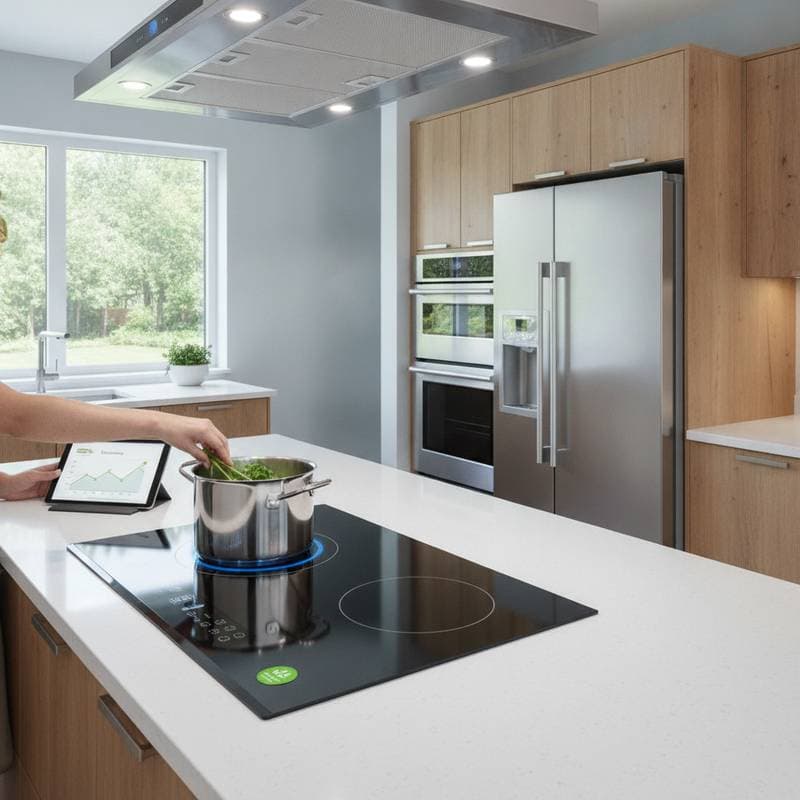
Recycled glass pairs beautifully with bamboo cabinetry, stainless steel appliances, or reclaimed wood shelving. The reflective quality of glass can visually enlarge smaller kitchens by bouncing light to create a sense of openness.
Factors Influencing the Project
Durability and Maintenance
Recycled glass countertops are tough, but they are not indestructible. Cement-based versions can stain if not sealed properly, while resin-based types may scratch under heavy abrasion. Regular sealing for cement types and gentle cleaning help preserve their beauty.
Use mild soap and water for daily cleaning and avoid harsh chemicals or abrasive pads. For resin surfaces skip placing hot pots directly from the stove, as extreme heat can cause discoloration.
Environmental Certifications
When evaluating brands look for certifications that confirm sustainable sourcing and manufacturing practices. Many products meet GreenGuard or Cradle to Cradle standards, which verify low emissions and responsible material use. Some even qualify for LEED points in green building projects and contribute to overall property sustainability goals.
Regional and Market Factors
Local availability, labor costs, and manufacturing proximity can influence total project pricing. Choosing a supplier that sources or fabricates nearby reduces transportation emissions and sometimes shortens lead times.
Sustainable Features and Efficiency Gains
Recycled glass countertops contribute to a home sustainability profile in several ways.
- Waste reduction diverts tons of glass from landfills and gives new life to materials that would otherwise be discarded.
- Reduced mining impact means less dependence on quarrying natural stone, which preserves ecosystems and reduces carbon emissions.
- Long lifespan means that with proper care these countertops can last decades and minimize replacement frequency.
- Improved indoor air quality results when many products contain low or zero volatile organic compounds.
From an energy-efficiency standpoint these surfaces indirectly help by reflecting light and reducing the need for artificial illumination. In bright kitchens this subtle gain can slightly lower energy use over time.
Expert Validation and Actionable Takeaways
Professionals in sustainable design often recommend recycled glass countertops as a practical balance between artistry and responsibility. Fabricators appreciate their versatility, while designers value their range of colors unavailable in natural stone. The key is proper installation and realistic expectations about maintenance.
Homeowners considering this upgrade should inspect samples in person before ordering to verify color accuracy and texture, confirm recycled content percentage to ensure environmental claims are genuine, budget for sealing and professional installation rather than DIY fitting, and plan for maintenance appropriate to the binder type used in the chosen product.
Frequently Asked Questions
Are recycled glass countertops as durable as granite?
They are comparable in strength but behave differently. Granite is more heat resistant, while recycled glass resists etching and staining better when sealed correctly. Both materials can last for decades with routine care.
Can I cut directly on recycled glass countertops?
It is not recommended. While the surface is hard, cutting directly can scratch or dull knives. Use a cutting board to protect both your tools and the countertop finish.
Do recycled glass countertops need sealing?
Cement-based versions require periodic sealing to maintain stain resistance. Resin-based versions usually do not need sealing but benefit from prompt spill cleanup.
How eco-friendly are they really?
They divert substantial glass waste from landfills, reduce demand for quarried stone, and often earn certifications for low emissions. Higher recycled content percentages increase their environmental benefit.
Can recycled glass countertops be repaired if chipped?
Minor chips can often be filled with matching resin or cement compounds by a professional fabricator. Severe damage may require section replacement.
Enjoying Your New Space
To keep them looking their best wipe spills promptly to avoid staining, especially with cement-based binders. Use trivets under hot cookware. Re-seal when water no longer beads on the surface. Embrace the natural variations that make each panel unique.