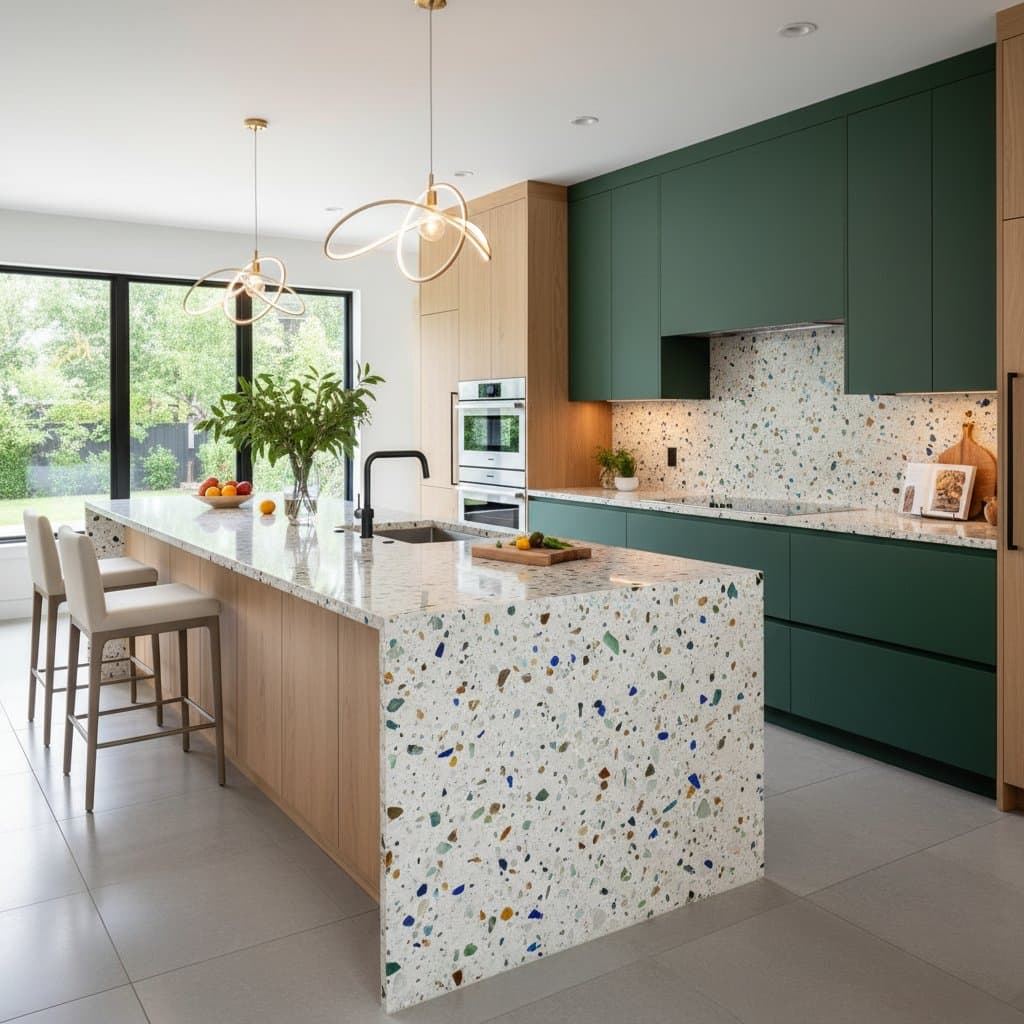
Why Recycled Glass Countertops Matter
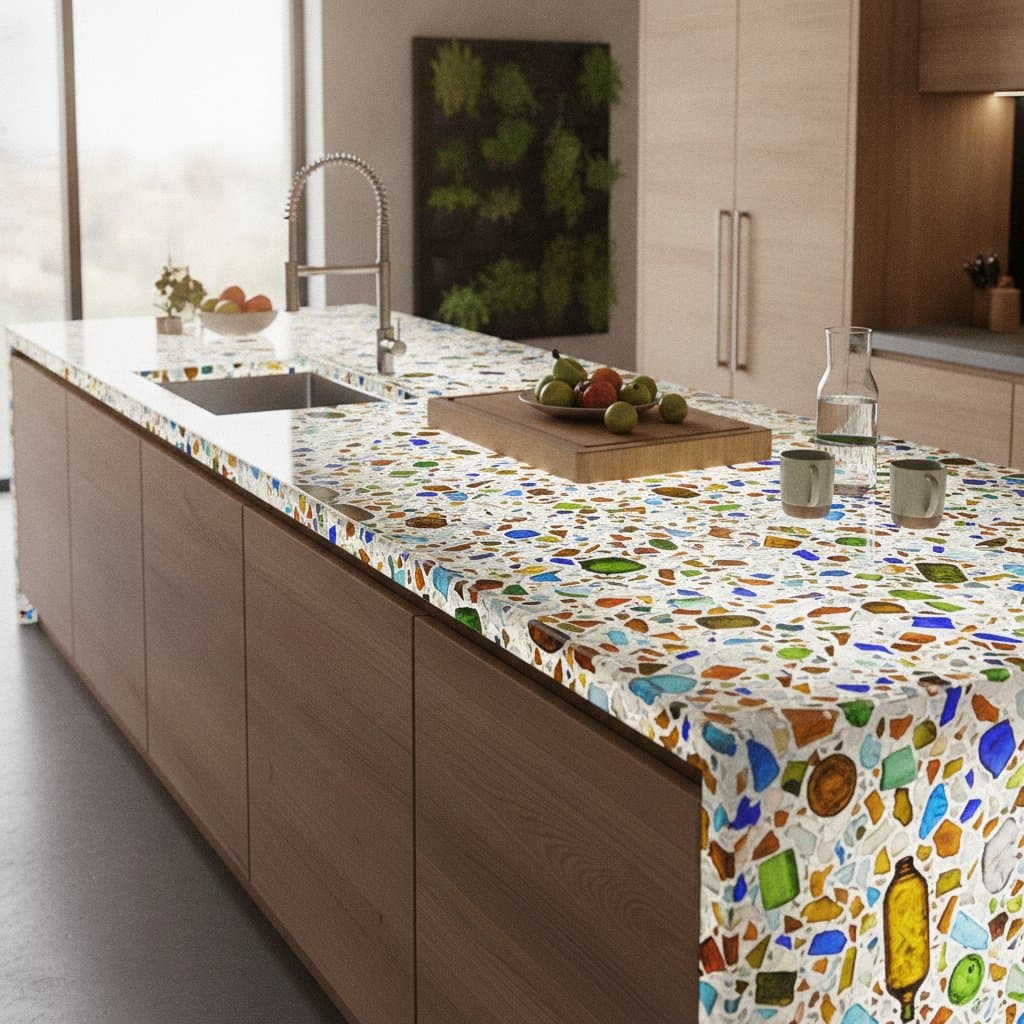
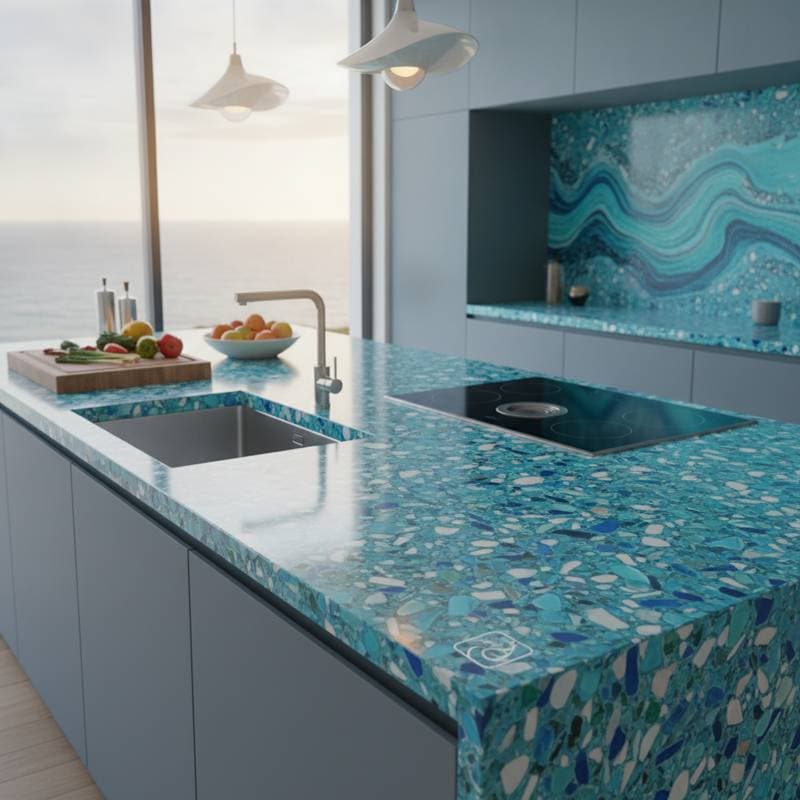
Choosing building materials today involves more than color and texture. It requires attention to values, efficiency, and long-term performance. Recycled glass countertops align with this approach by combining visual appeal with practical benefits.
Financially, these surfaces represent a considered investment. Installed costs typically range from 60 to 120 dollars per square foot. Premium custom options may exceed 150 dollars per square foot. Many homeowners recover 50 to 70 percent of the expense through increased property value, especially in markets where buyers prioritize sustainable upgrades.
Environmentally, the advantages stand out. Most products incorporate 70 to 85 percent post-consumer glass. This practice diverts material from landfills and lowers demand for new quarrying. Some producers further reduce impact by selecting regional glass sources and low-emission binders.
Practically, the material performs well in daily use. When properly sealed, the nonporous surface resists stains and scratches more effectively than marble. It suits busy households that need both durability and style.
Cost Breakdown and Return on Investment
Recycled glass countertops occupy the mid to upper price range among countertop materials. Three tiers help clarify options.
Budget installations fall between 60 and 80 dollars per square foot. These use prefabricated slabs in standard colors with limited customization. They work well for smaller kitchens or secondary areas such as laundry rooms.
Midrange selections cost 80 to 110 dollars per square foot. They offer custom color blends, improved binder quality, and a choice of polished or matte finishes.
High-end projects range from 110 to 150 dollars per square foot. These include artisanal designs, hand-poured slabs, or embedded decorative elements along with extensive edge and color options.
Return varies with local demand and installation quality. Strong environmental credentials often increase buyer interest during resale.
Sustainable Features and Efficiency Gains
Sustainability extends beyond recycled content. Manufacturers frequently source waste glass locally to cut transportation emissions. Production methods may also conserve water and energy.
Durability reduces replacement frequency and associated environmental costs over time. The nonporous finish limits bacterial growth and decreases reliance on harsh cleaners, supporting better indoor air quality.
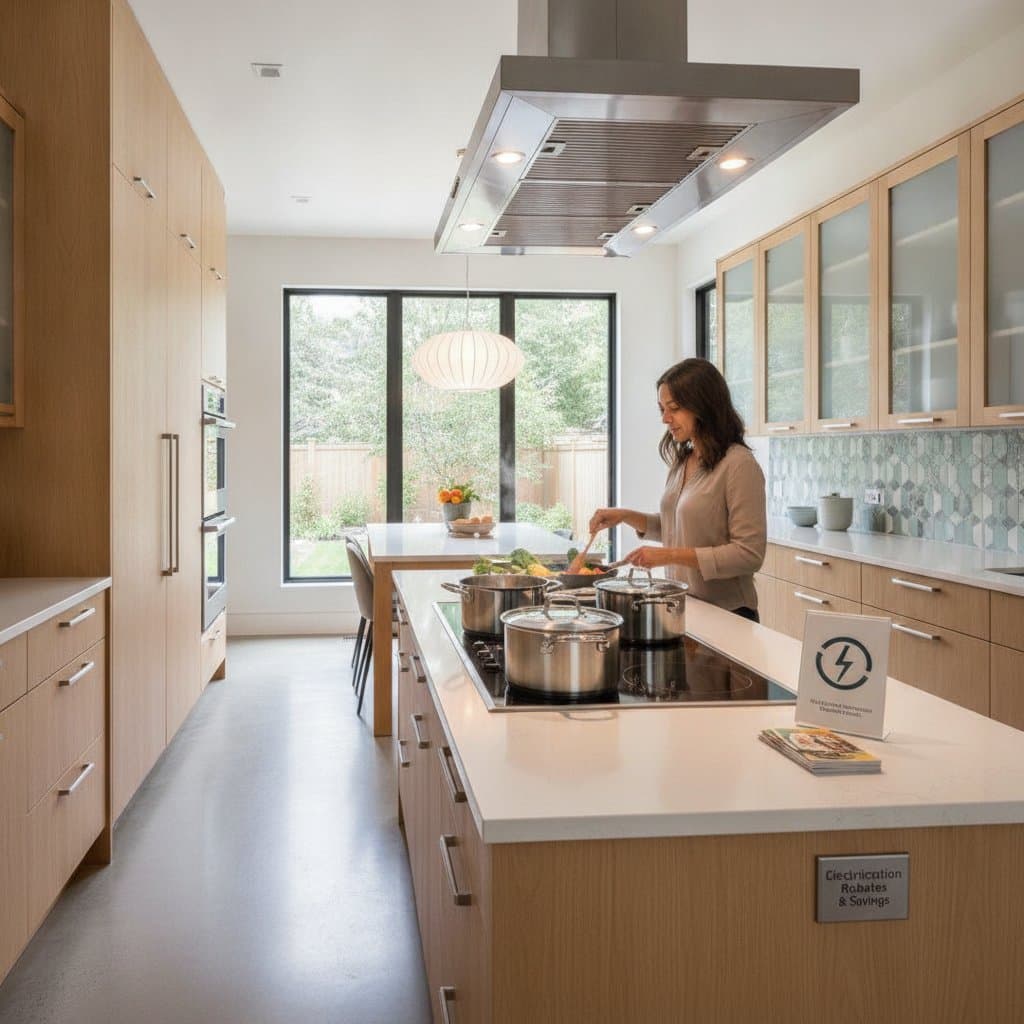
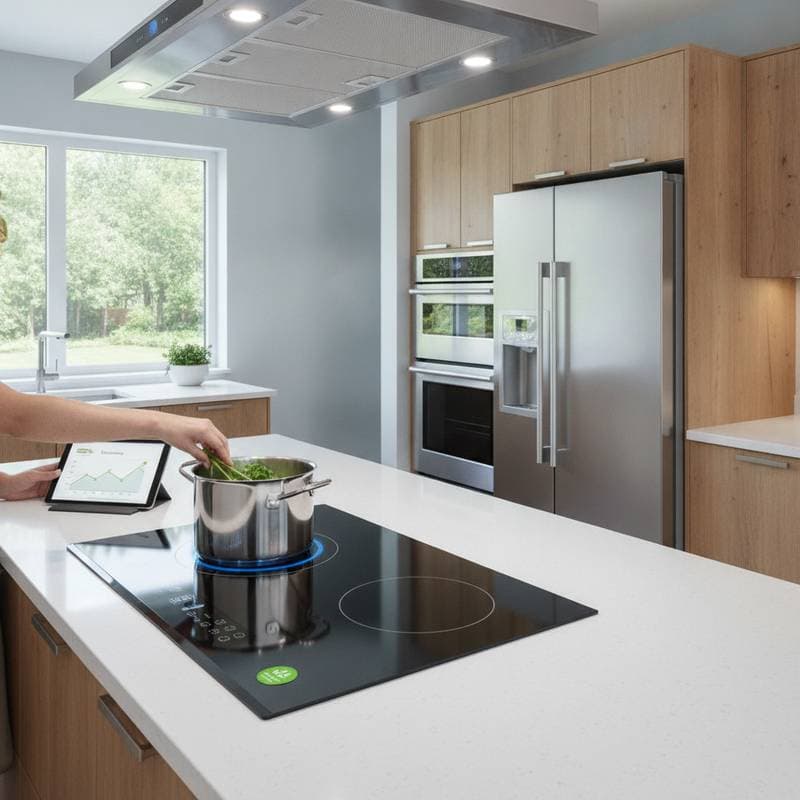
When combined with energy-efficient appliances, LED lighting, and low-flow fixtures, the countertop contributes to a kitchen that maintains sustainable performance throughout daily operation.
Common Questions About Recycled Glass Countertops
Are recycled glass countertops heatproof? They withstand normal kitchen temperatures. Direct contact with very hot cookware can cause cracking. Trivets remain the recommended precaution.
Do they stain easily? Resin-based versions provide strong stain resistance. Cement-based surfaces require consistent sealing to preserve protection.
Can they be repaired if chipped? Minor chips accept color-matched resin filler. Larger damage may call for professional resurfacing.
Are there color limitations? Manufacturers blend glass fragments from varied sources. This process supports nearly any color combination.
Do they emit VOCs? Quality products use low- or no-VOC binders. Request certification documents to confirm emission levels.
Planning Your Installation
Successful projects begin with accurate measurements and careful slab selection. Work with fabricators experienced in recycled glass to ensure proper sealing and edge detailing. Schedule routine maintenance checks to preserve the surface finish and performance over many years.