Key Points
- Algae panels convert sunlight and carbon dioxide into renewable energy through advanced living biofilm technology.
- These systems power residential spaces, purify surrounding air, and produce biomass suitable for fuel applications.
- Early implementers gain advantages in energy efficiency, reduced carbon emissions, and enhanced architectural aesthetics.
- Professional installation combined with regular maintenance ensures optimal performance and extended durability.
Envision a Bioactive Facade Energizing Your Residence
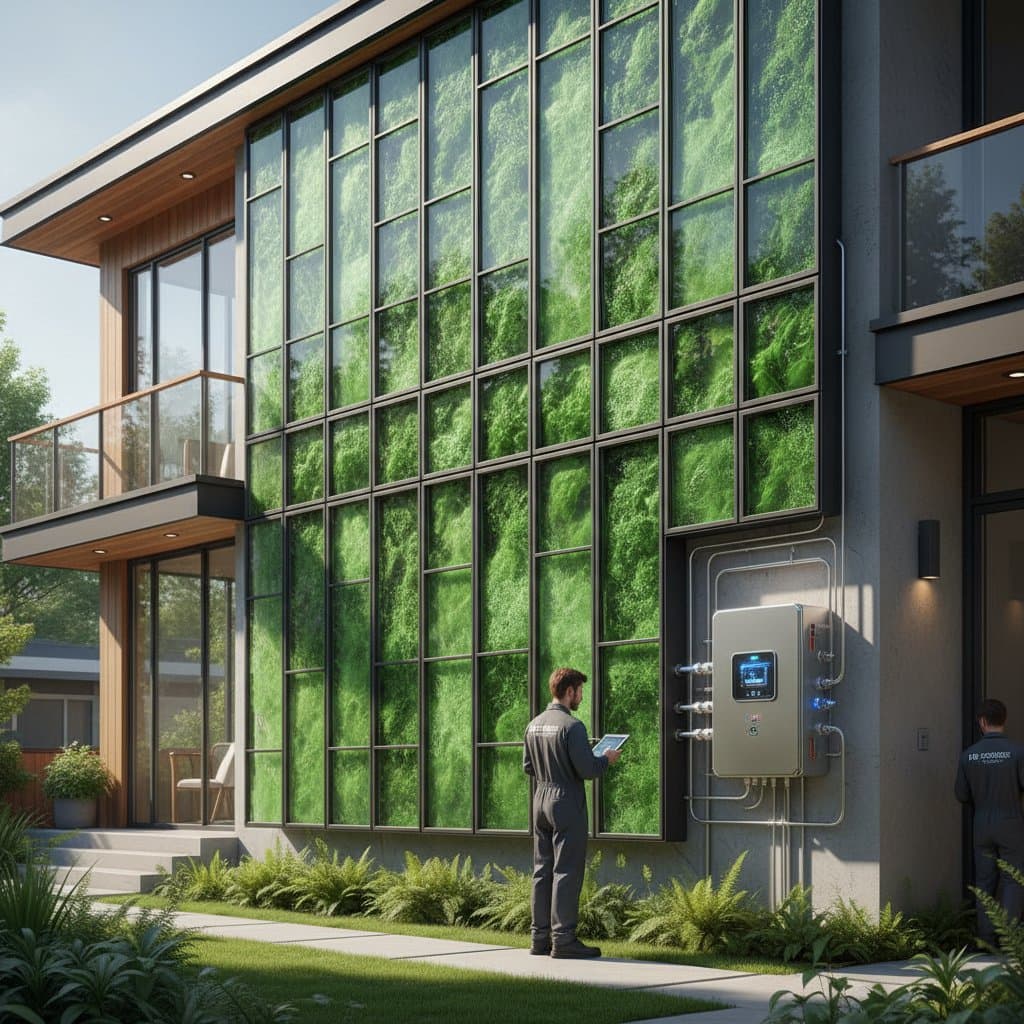
As a specialist in green building practices, I have observed the transition of cutting-edge materials from experimental stages to practical residential applications. Few innovations capture my attention like algae panels. Envision a transparent wall surface alive with lush green microalgae, silently generating renewable energy and cleansing the air enveloping your home. For individuals pursuing an upgrade that merges visual elegance, technological prowess, and environmental harmony, algae panels represent a compelling choice for future investments.
Escalating energy expenses, increasing carbon outputs, and constraints on space for traditional solar installations compel homeowners to explore alternative approaches. Algae panels address these issues by fusing biological processes with architectural design. They process sunlight and carbon dioxide to yield oxygen and biomass, delivering both energy production and ecological advantages directly from building surfaces.
Exploring the Capabilities of Algae Panels
These dynamic installations feature microalgae held within water-based bioreactors. When sunlight strikes the panels, the process of photosynthesis transforms carbon dioxide into oxygen and foundational elements for biofuels. An integrated filtration mechanism collects the biomass, which undergoes processing into biogas or nutrient-rich compost. Additionally, the panels function as shading elements, enhancing indoor thermal regulation by mitigating heat gain.
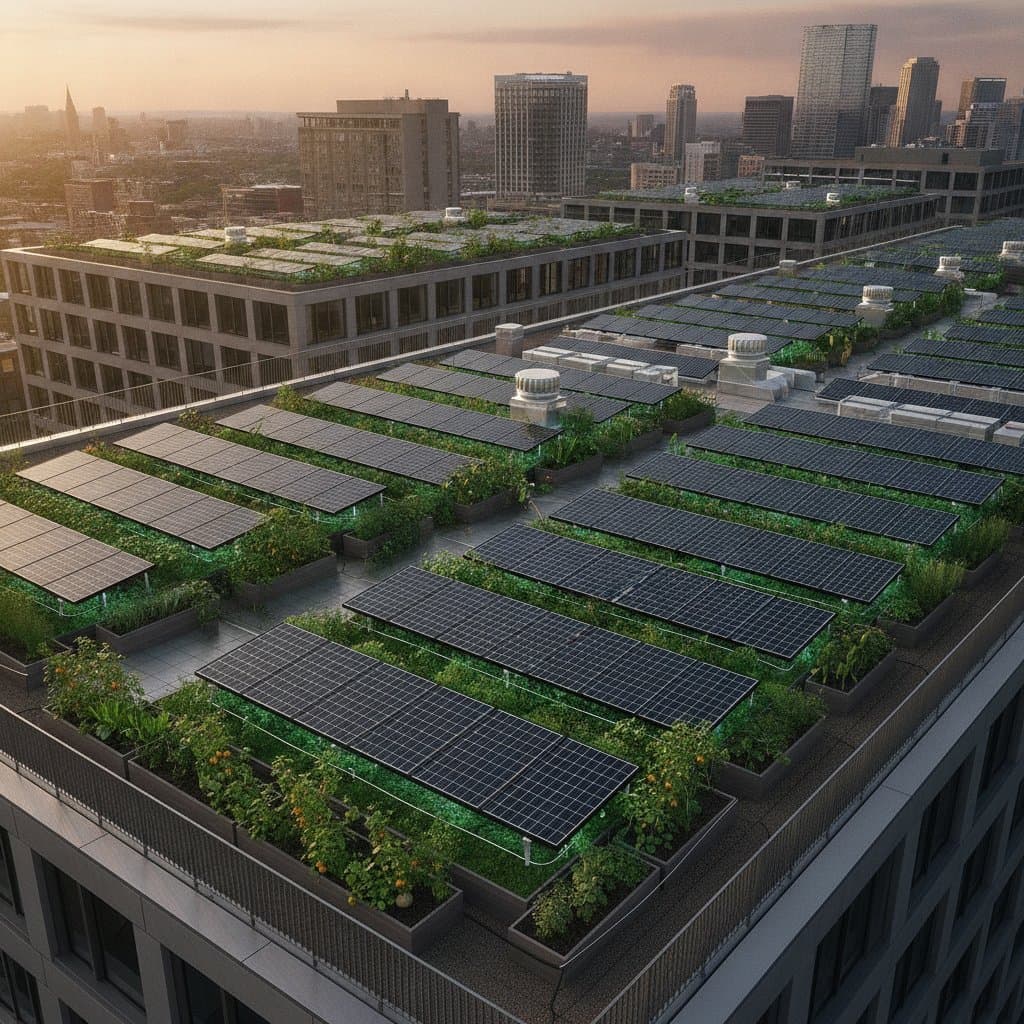
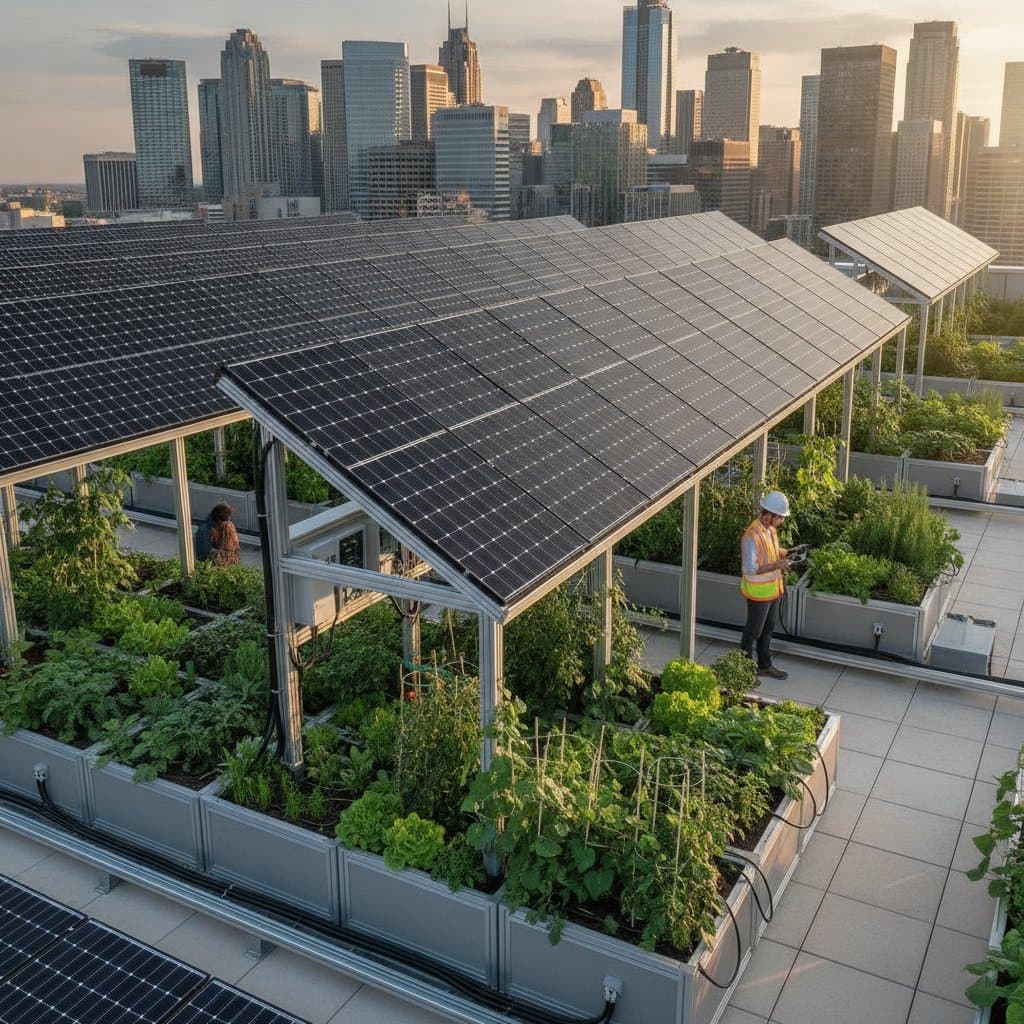
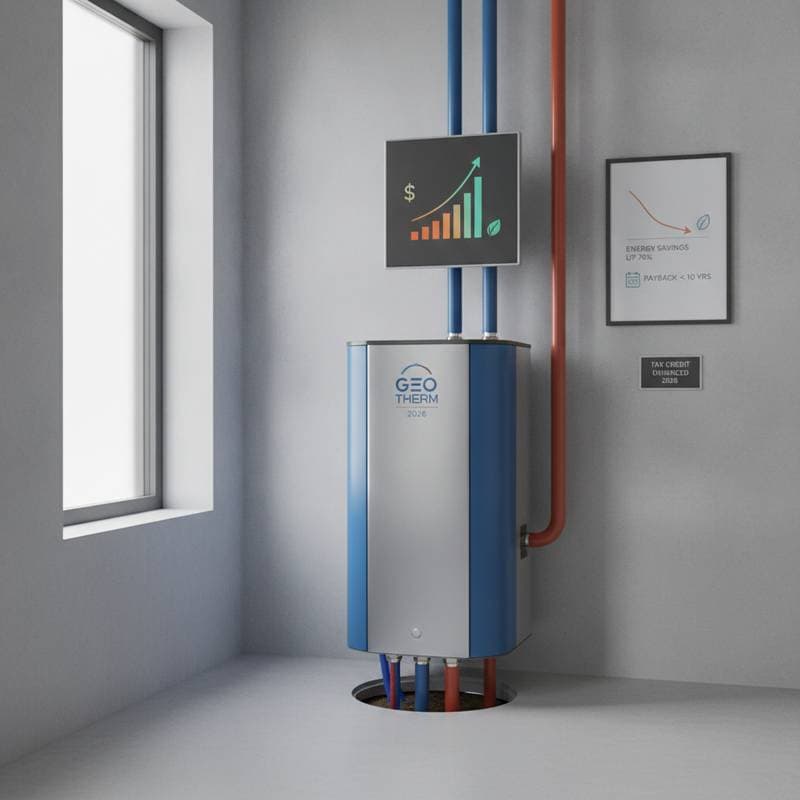
Drawing from extensive experience in sustainable construction, I note that initial prototypes have demonstrated reductions in overall building energy consumption by as much as 30 percent. When combined with photovoltaic arrays or ground-source heat systems, algae panels contribute to a comprehensive renewable energy framework for properties.
Essential Steps for Integrating Algae Panels
- Evaluate building orientation and solar access. Walls facing south receive the most consistent sunlight, promoting robust algae proliferation.
- Engage a qualified sustainable building engineer. Modifications to the structure might be necessary to accommodate the weight of water-laden panels.
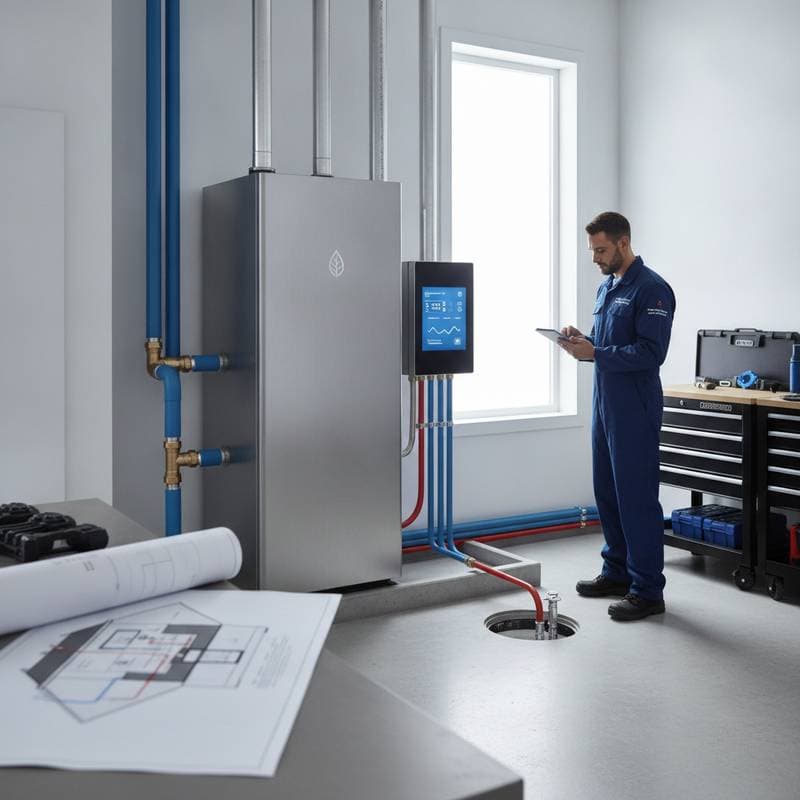
- Design plumbing and electrical integrations. The setup demands circulating water lines, carbon dioxide supply, and biomass extraction pathways.
- Choose appropriate microalgae varieties. Different strains exhibit varying growth speeds and resilience to temperature fluctuations, aligning with regional climates.
- Establish regular upkeep protocols. Periodic cleaning removes excess biofilm and preserves panel clarity to support maximum photosynthetic efficiency.
Advantages Extending Past Energy Output
- Air quality enhancement: Algae actively capture carbon dioxide and emit oxygen, elevating both interior and exterior atmospheres.
- Temperature control: As natural insulators, the panels reduce reliance on air conditioning by providing shade in hotter seasons.
- Aesthetic dynamism: The facade evolves in hue and vibrancy with algal growth, forming a fluid and captivating exterior.
- Community resource contribution: Harvested biomass supports local initiatives in composting or biofuel development.
Key Factors for Residential Adoption
Costs for installation fluctuate considerably, generally spanning $8,000 to $15,000 for modest home configurations. Although initial expenditures surpass those of conventional solar setups, algae panels yield diverse benefits, including power generation, climate moderation, and usable byproducts. Upkeep involves approximately a few hours monthly, with annual professional inspections verifying fluid levels and algal vitality.
From my perspective as a green building authority, I advise incorporating intelligent monitoring applications. Such tools enable real-time oversight of energy production and biomass accumulation, optimizing both ecological impacts and economic gains.
Advancing Residential Sustainability
Consider a residence that harmonizes with natural rhythms, yielding clean energy and fresh oxygen while exemplifying progressive design principles. Algae panels transcend conceptual stages; they embody the evolution of bioactive materials that unite form and function. Initiate the process by consulting a certified sustainable construction expert via established networks to assess compatibility and customize installations. Through expert support, your dwelling can embrace the subtle yet potent force of biological innovation.