#materials

Articles tagged with materials

Featured image for Mushroom Insulation Outperforms Foam Without the Waste

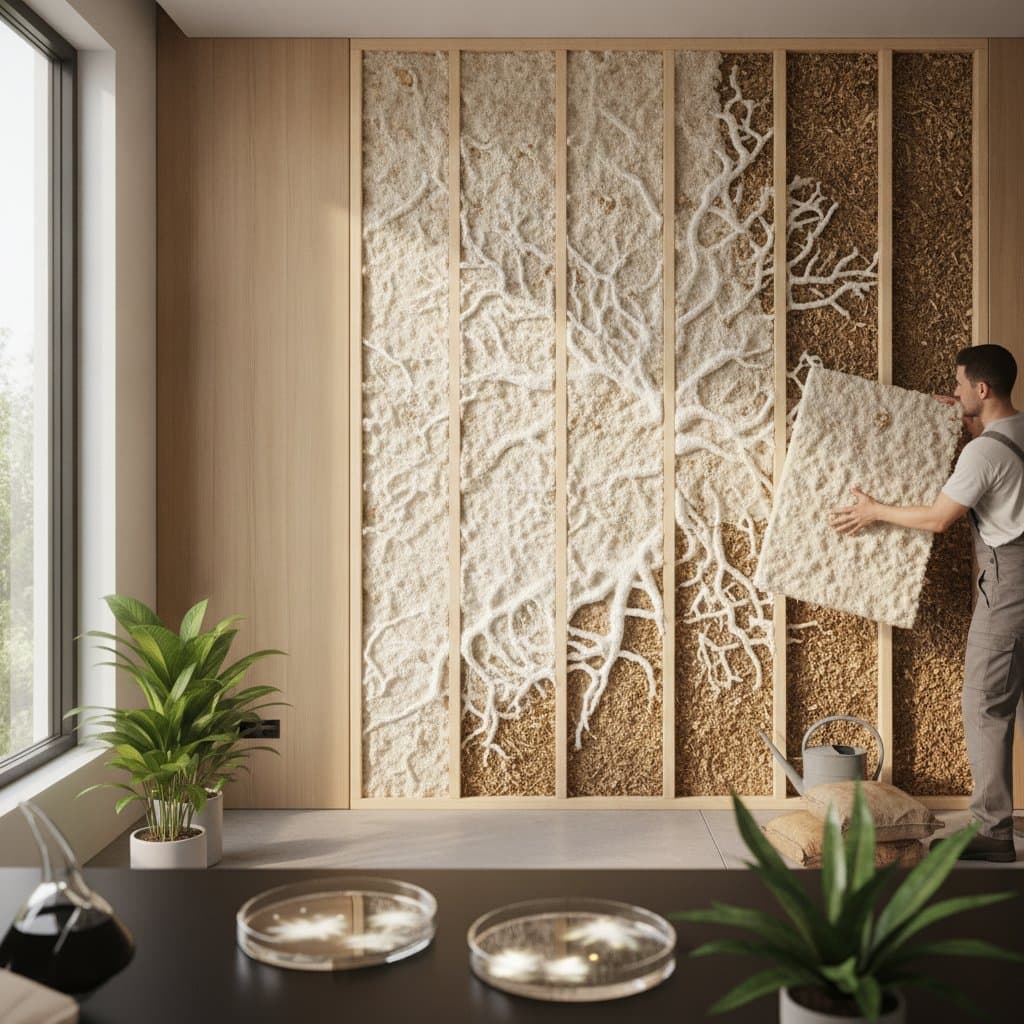
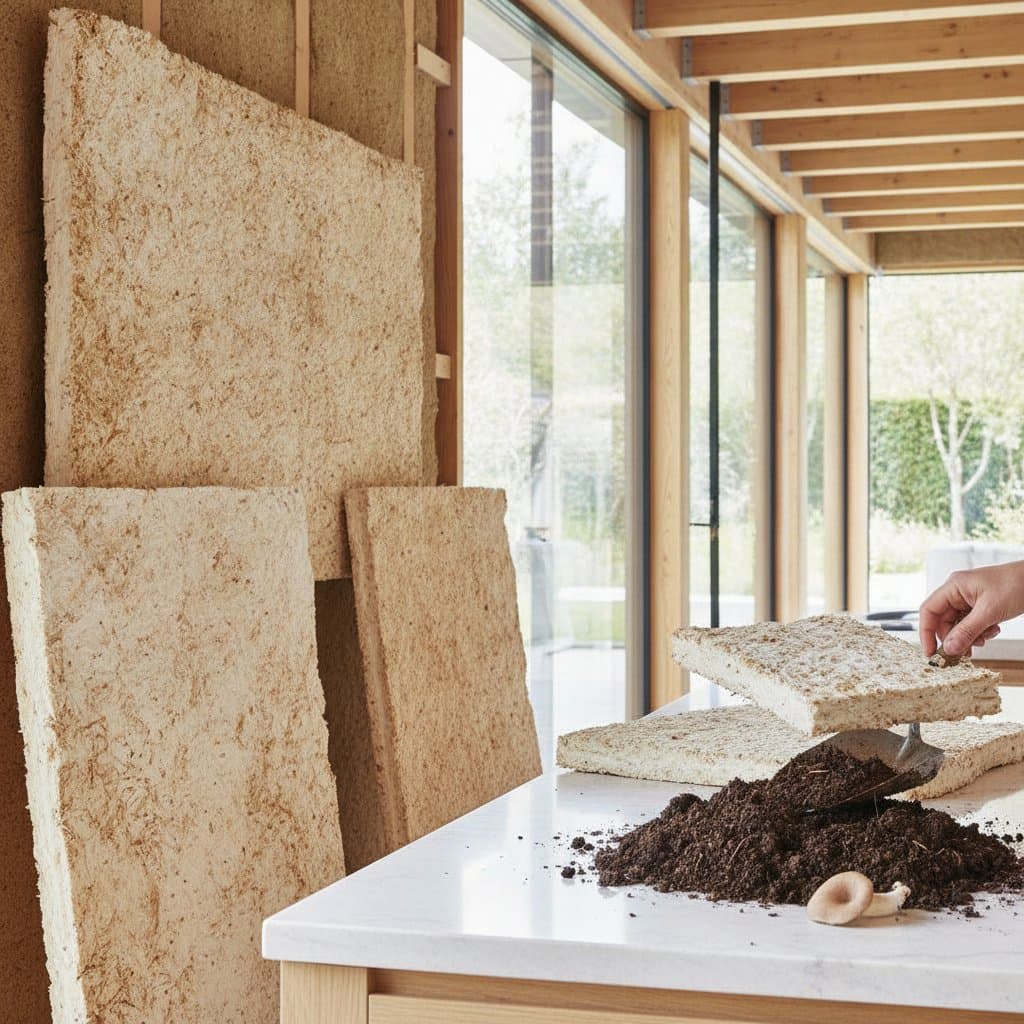
Mushroom Insulation Outperforms Foam Without the Waste

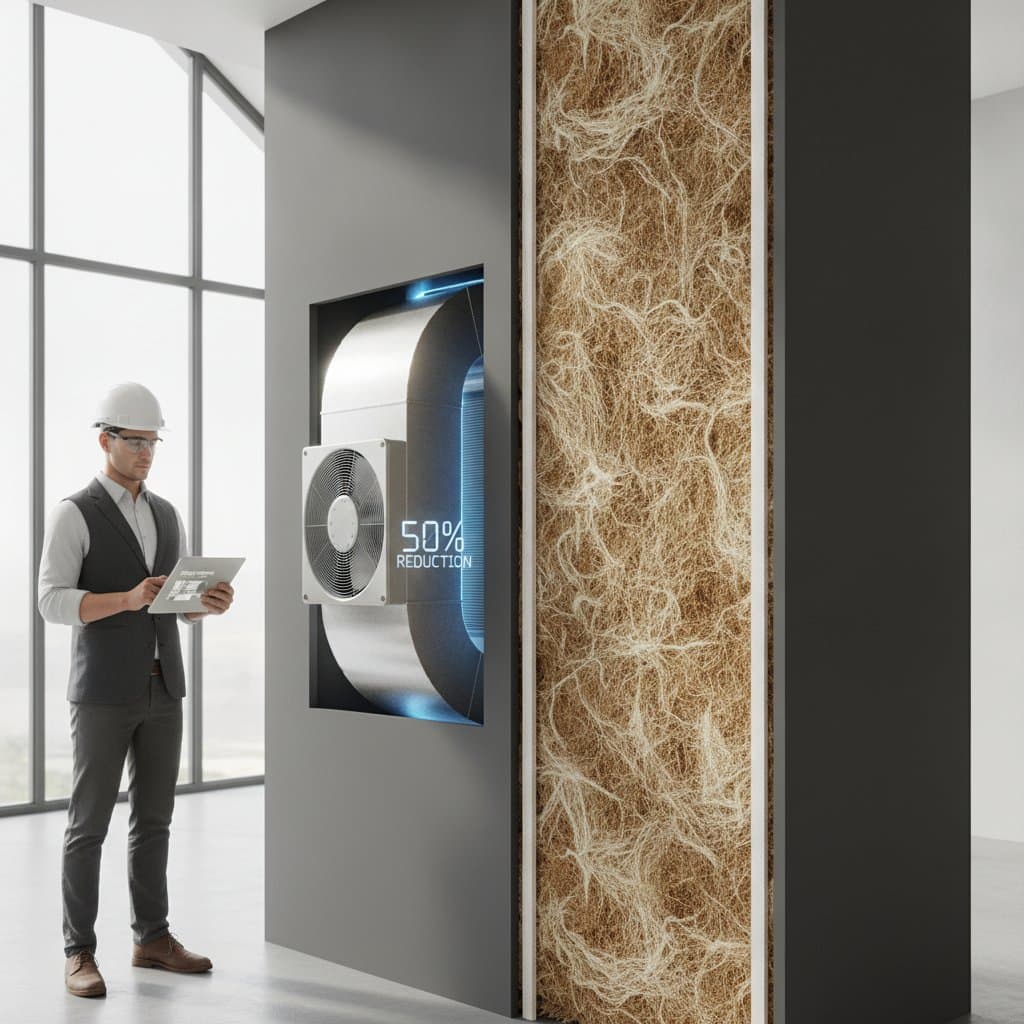
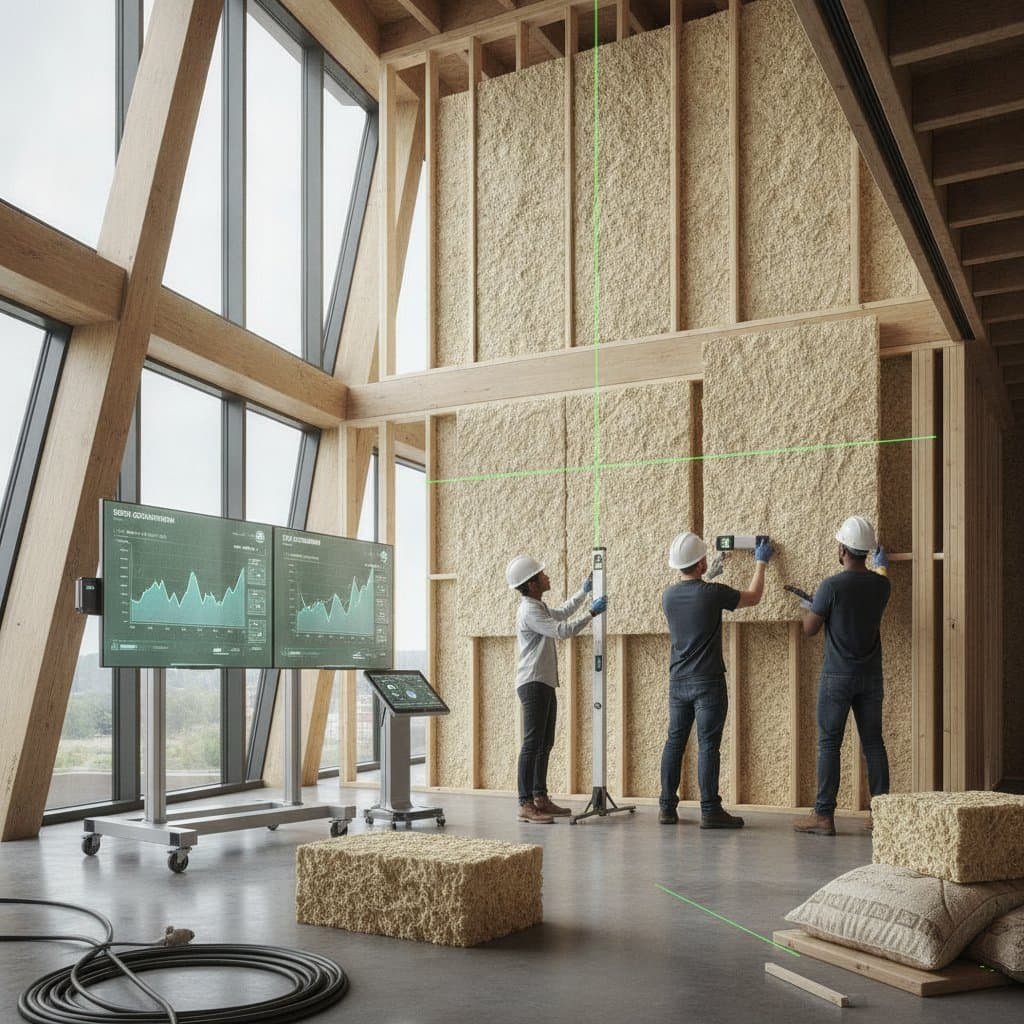
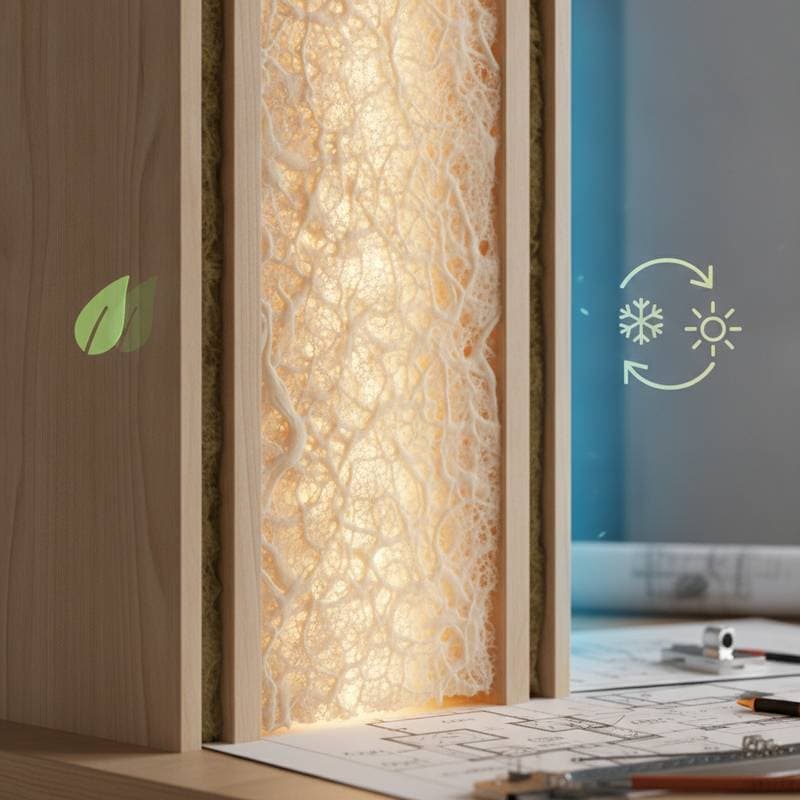
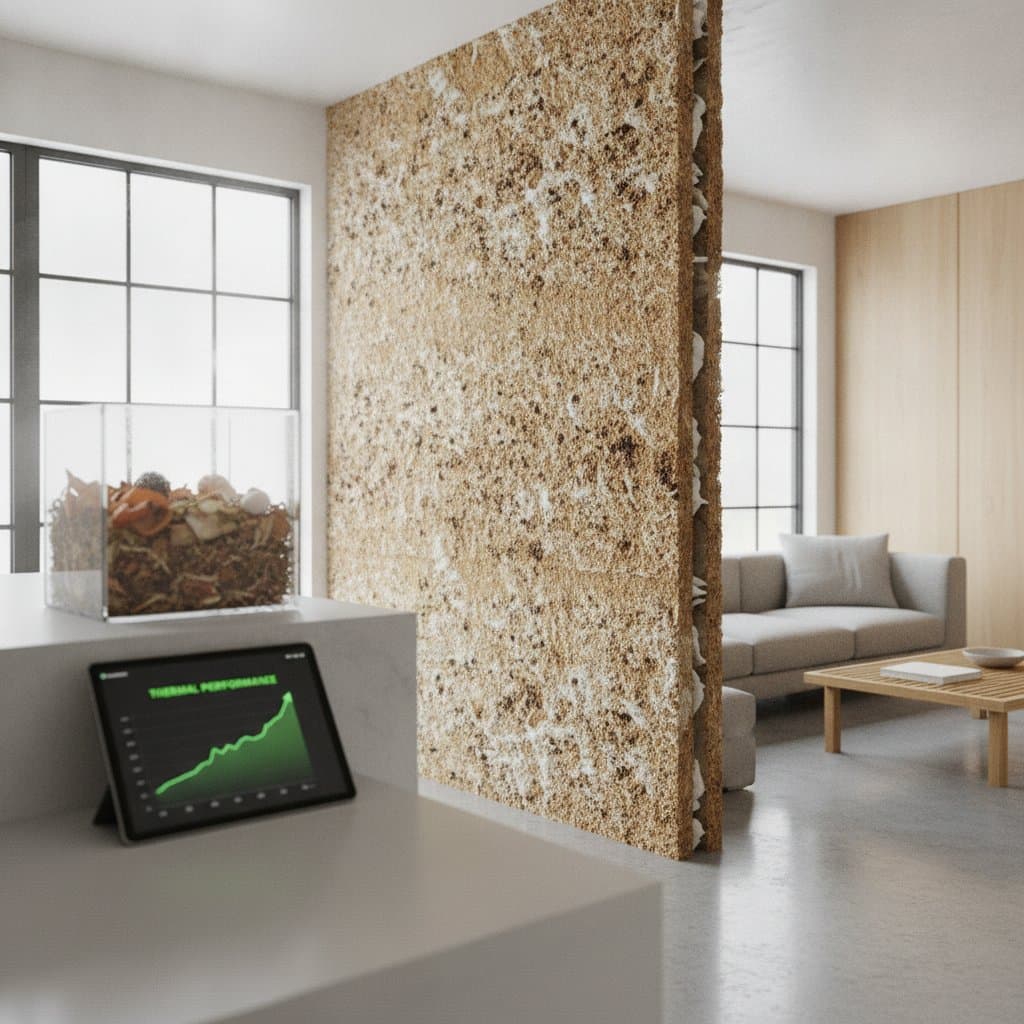
Mycelium insulation, derived from fungal networks and agricultural waste, revolutionizes sustainable building. This lightweight, fully biodegradable material matches the thermal and acoustic efficiency of synthetic foams while minimizing carbon emissions. It delivers toxin-free performance, positioning it as a vital option for healthier, greener residential construction.

5 min read
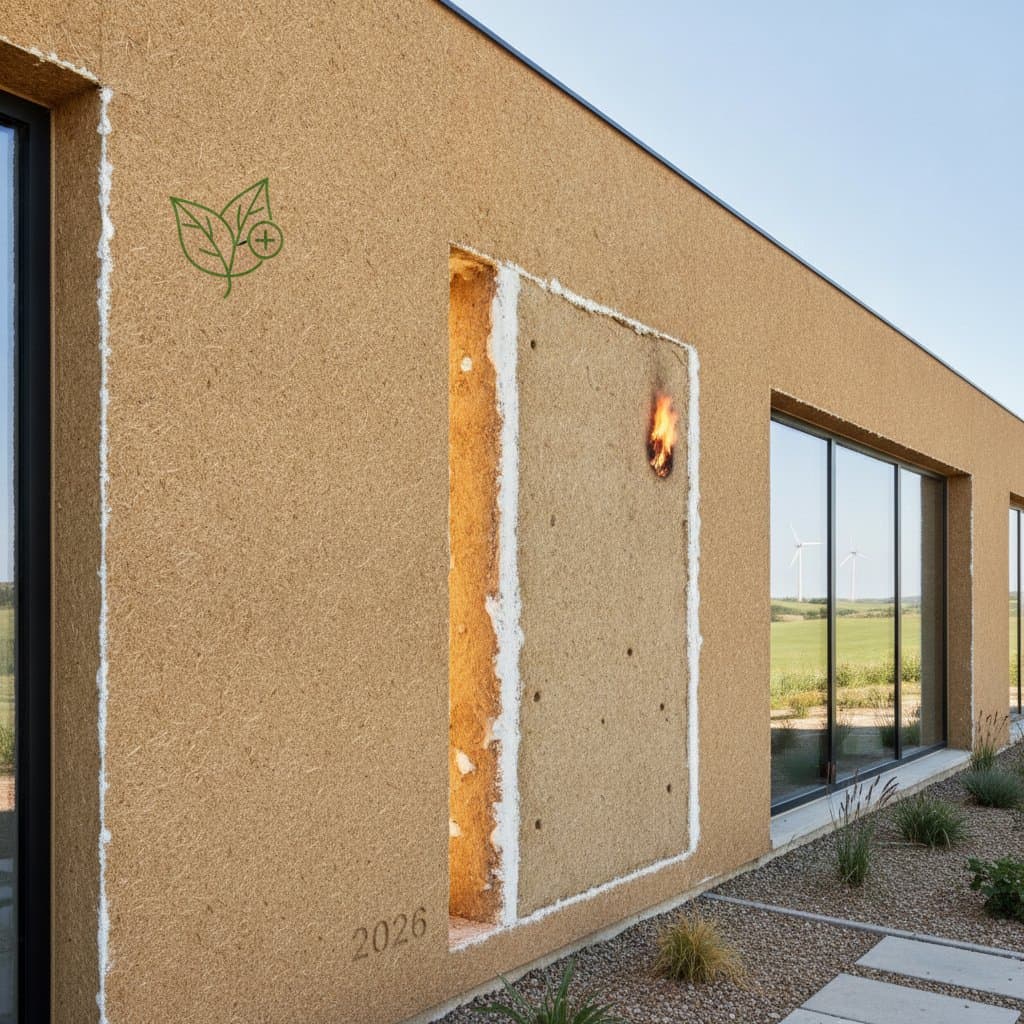
Featured image for Hempcrete Locks 165kg Carbon Per Cubic Meter in Walls

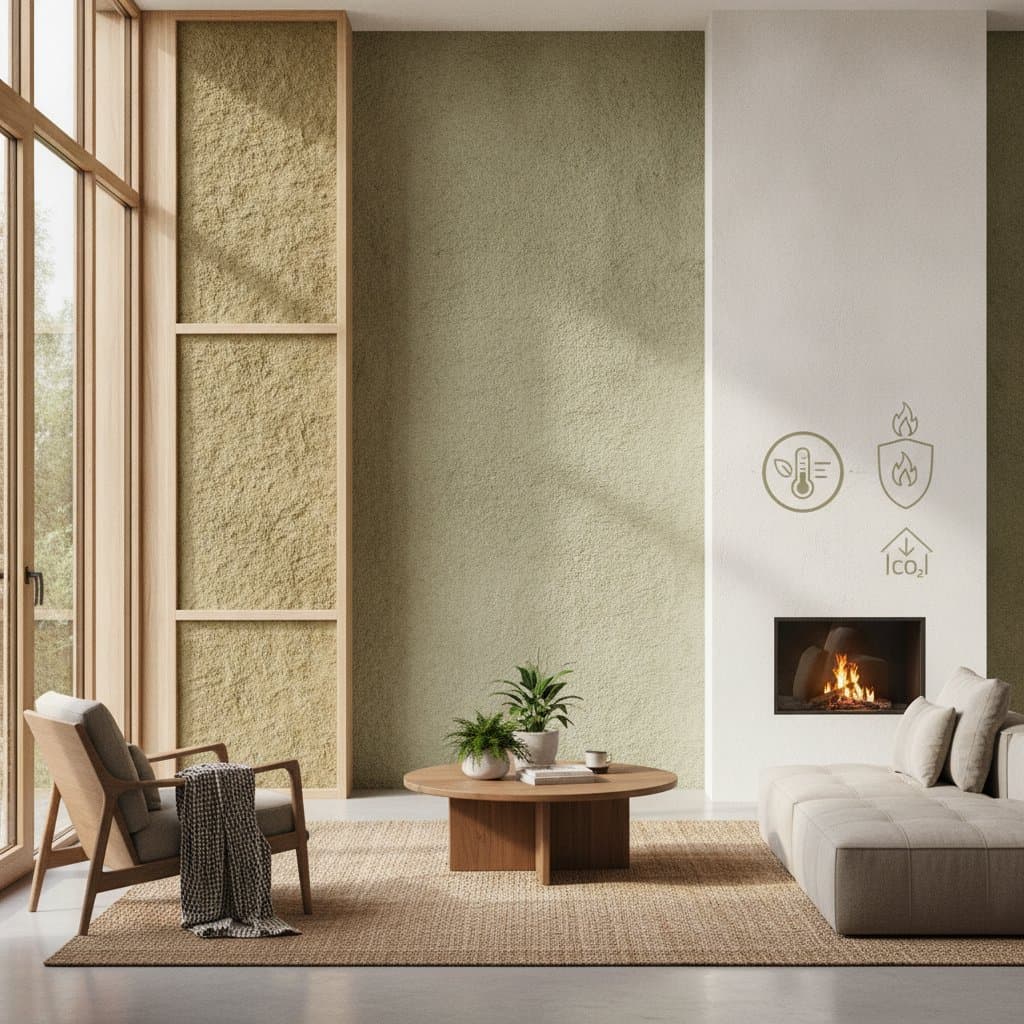
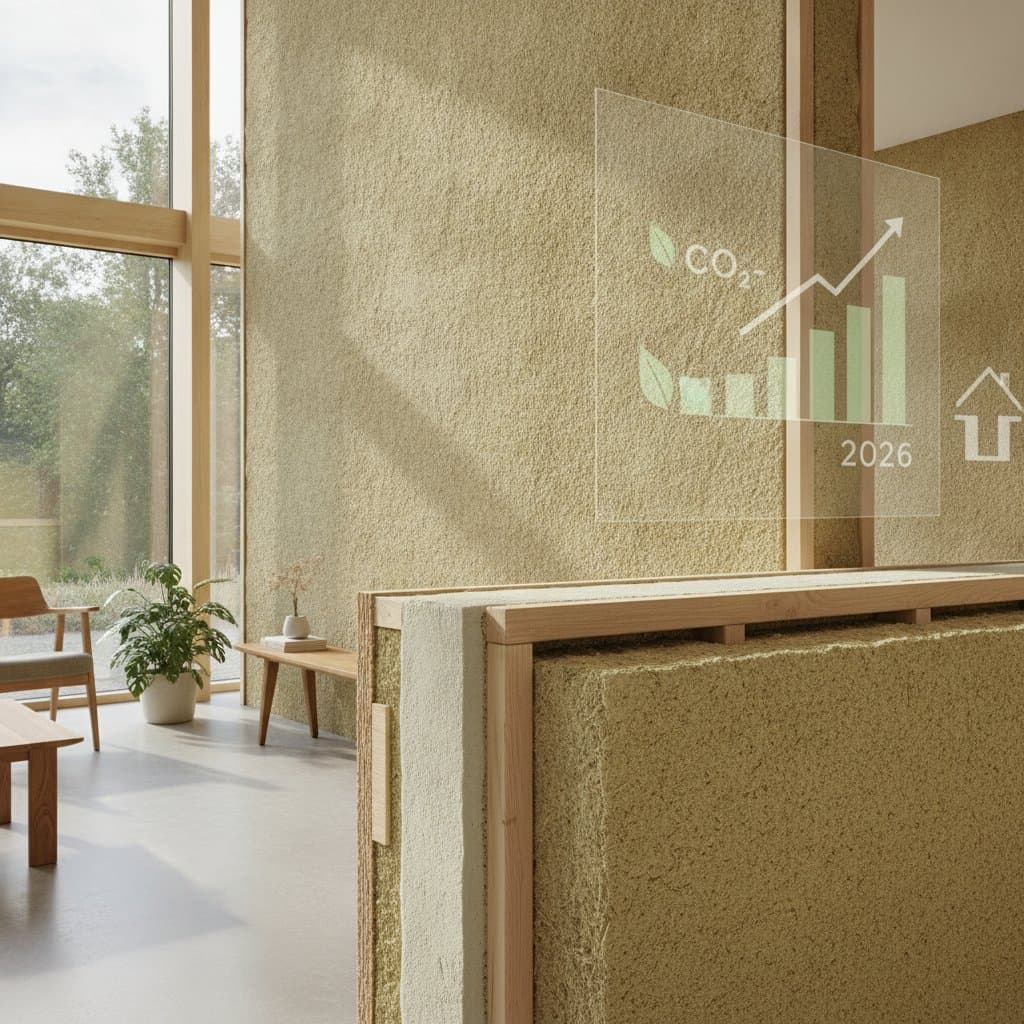
Hempcrete Locks 165kg Carbon Per Cubic Meter in Walls

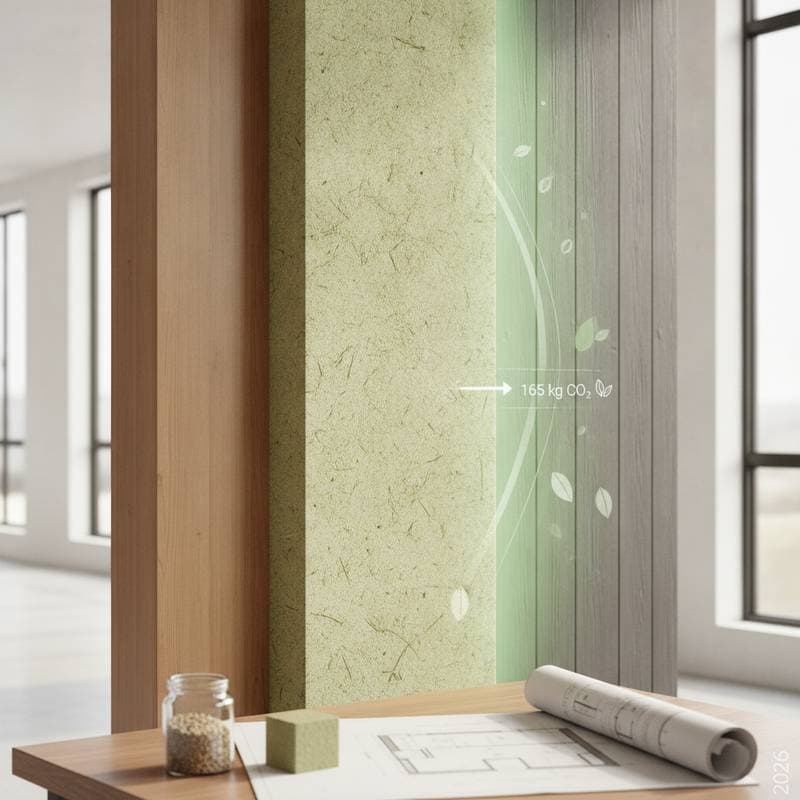
Hempcrete revolutionizes eco-friendly building by sequestering carbon, moderating indoor conditions, and lowering energy costs. Composed of hemp, lime, and water, this carbon-negative substance breathes, endures, and aligns with emerging regulations. Practical techniques position hempcrete to deliver widespread carbon-capturing, efficient residences by 2026, redefining planetary construction.

5 min read
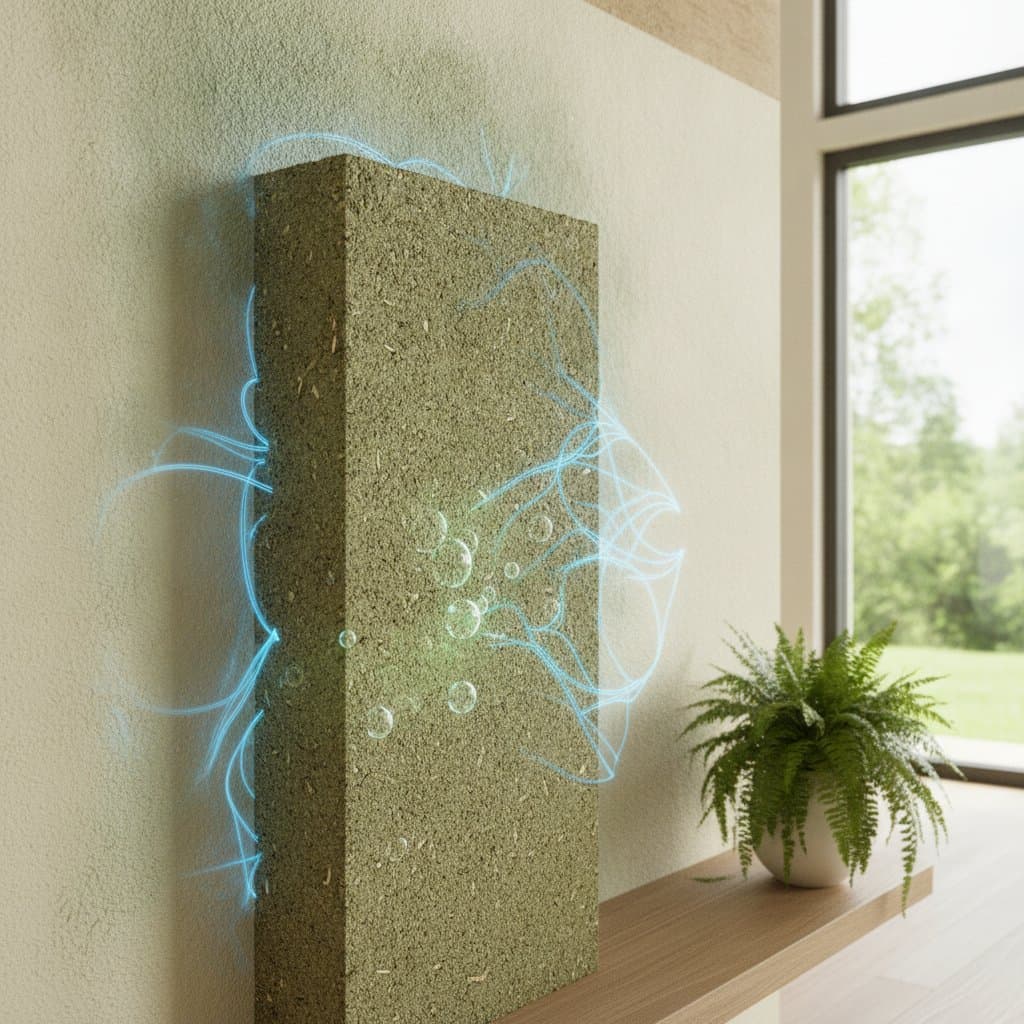
Featured image for Mycelium Insulation: Living Walls That Balance Climate

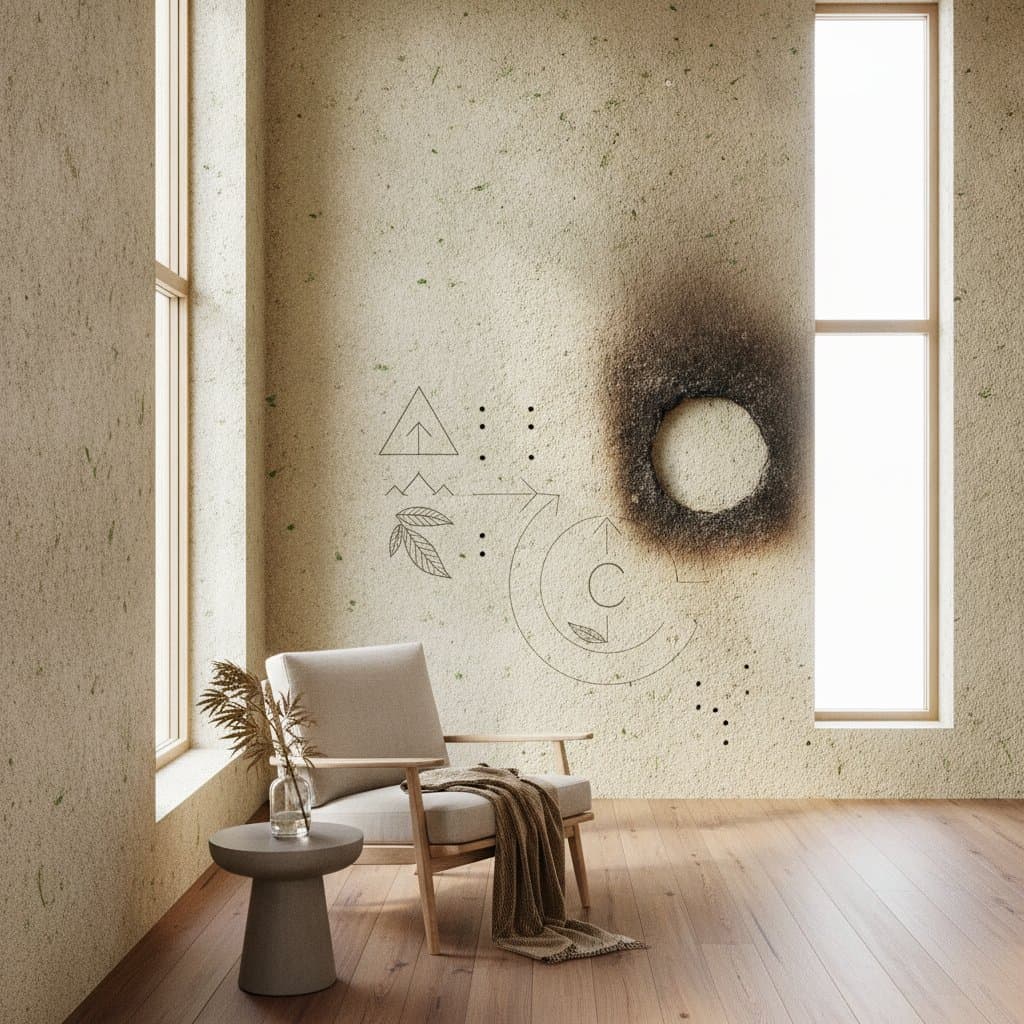
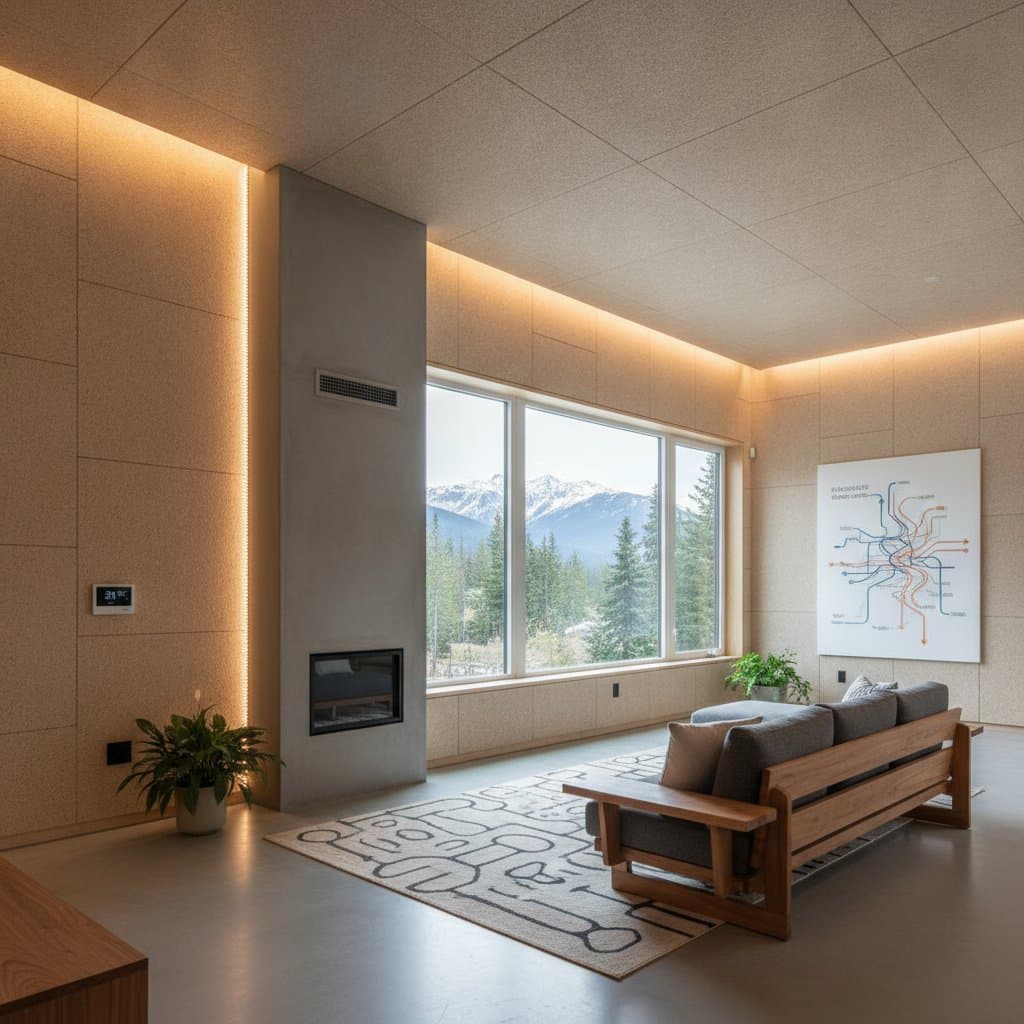
Mycelium Insulation: Living Walls That Balance Climate

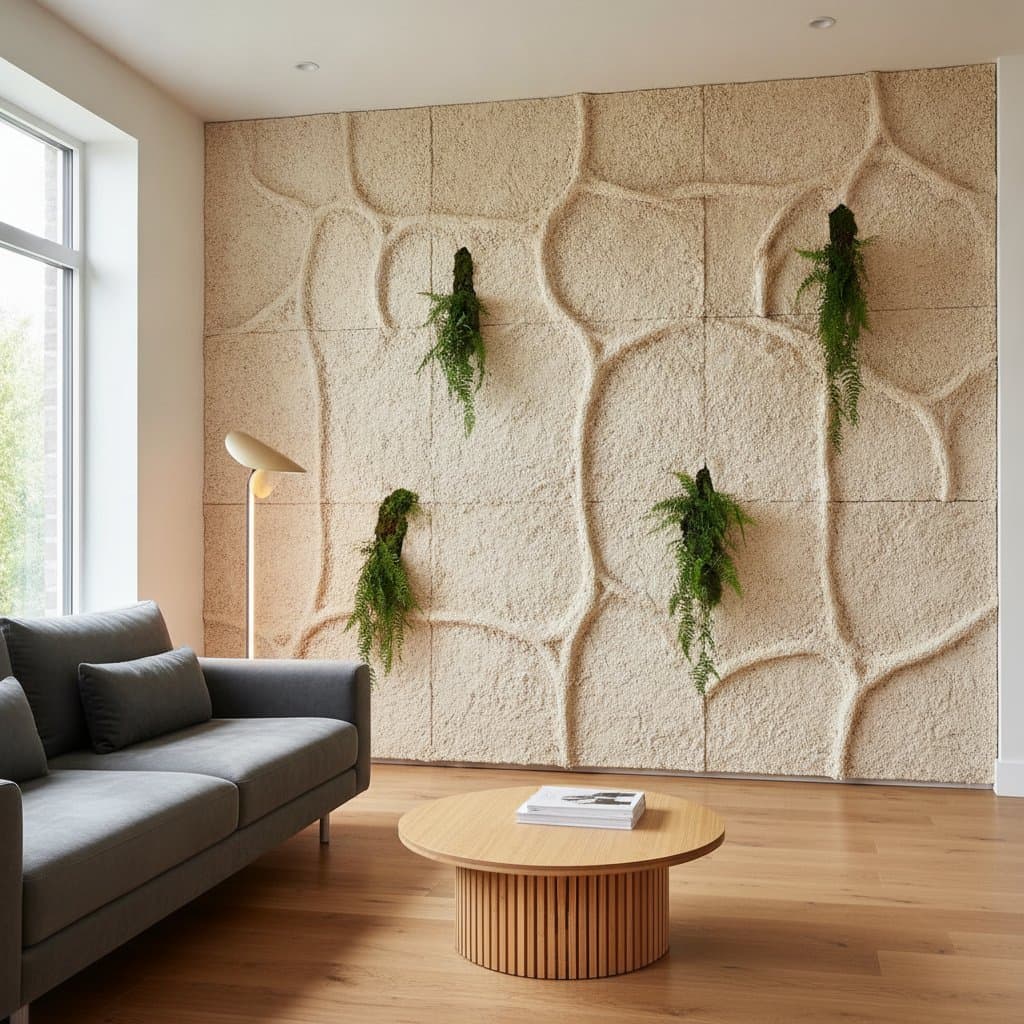
Mycelium insulation transforms sustainable building practices through its biodegradable, fire-resistant, and efficient design. Derived from natural fibers, this material enhances indoor air quality, lowers embodied carbon, and boosts energy savings. With declining costs and rising adoption, it provides a viable route to regenerative, environmentally responsible living.

5 min read
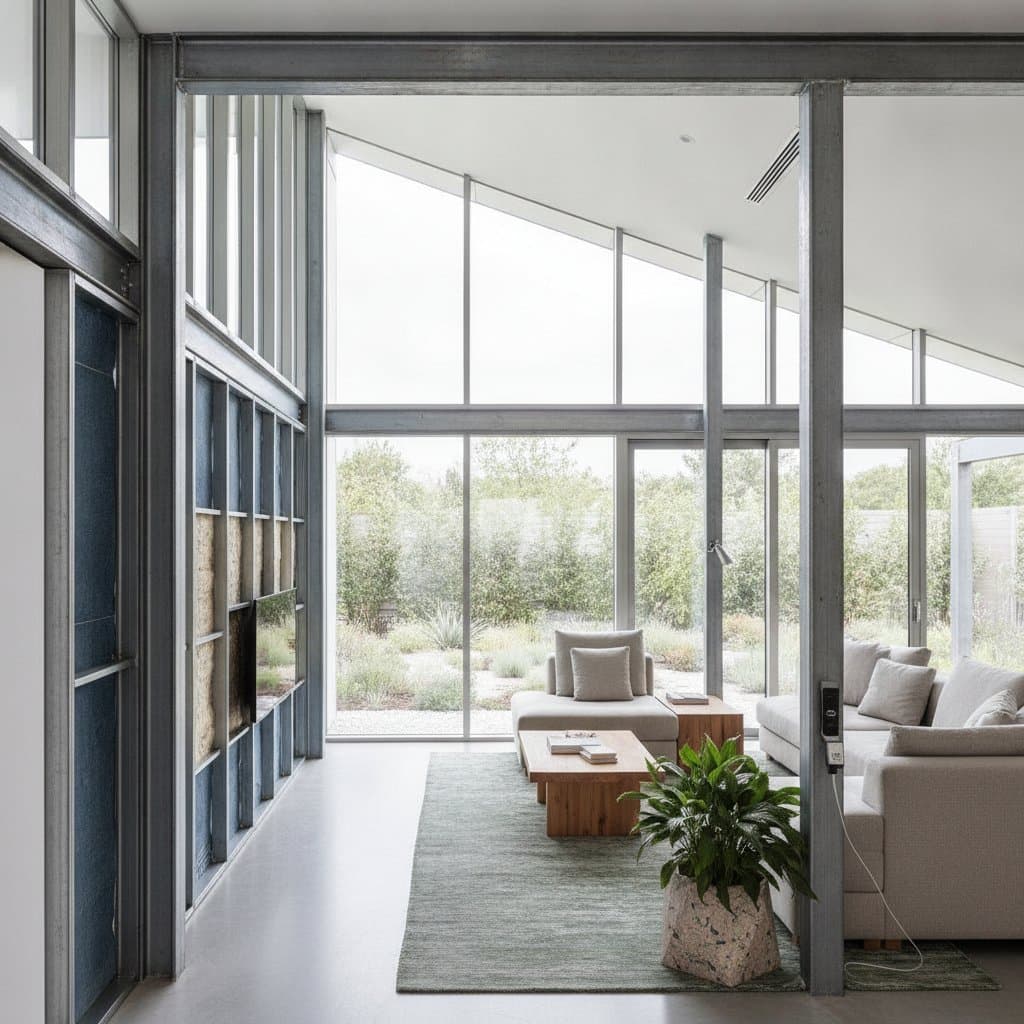
Featured image for Mushroom Insulation Grows Inside Your Walls Naturally

Mushroom Insulation Grows Inside Your Walls Naturally

Mycelium-derived mushroom insulation transforms sustainable building by growing directly into walls as a biodegradable, fire-resistant material. This innovation delivers energy savings and carbon sequestration over time. Despite higher upfront costs, it promotes zero-waste practices and integrates seamlessly into contemporary designs, paving the way for self-sustaining homes by 2026.

5 min read
Featured image for Mushroom Insulation Grows Into Sustainable Homes

Mushroom Insulation Grows Into Sustainable Homes

Mushroom insulation, derived from mycelium, revolutionizes eco-friendly building with superior thermal properties, reduced carbon footprint, and inherent fire resistance. This material elevates indoor air quality, minimizes waste, and provides enduring cost savings. As production advances, it ensures sustainable, resilient, and accessible comfort for homes starting in 2026.

5 min read
Featured image for Mushroom Insulation Grows Stronger Than Foam

Mushroom Insulation Grows Stronger Than Foam

Mushroom insulation, cultivated from mycelium, reshapes sustainable home design in 2026. This material delivers robust thermal performance, inherent fire resistance, and complete biodegradability, serving as a superior natural option to fiberglass and foam. Although initial costs exceed those of traditional insulators, long-term energy savings, improved indoor air quality, and environmentally sound disposal position it as a wise investment for forward-thinking homeowners.

5 min read
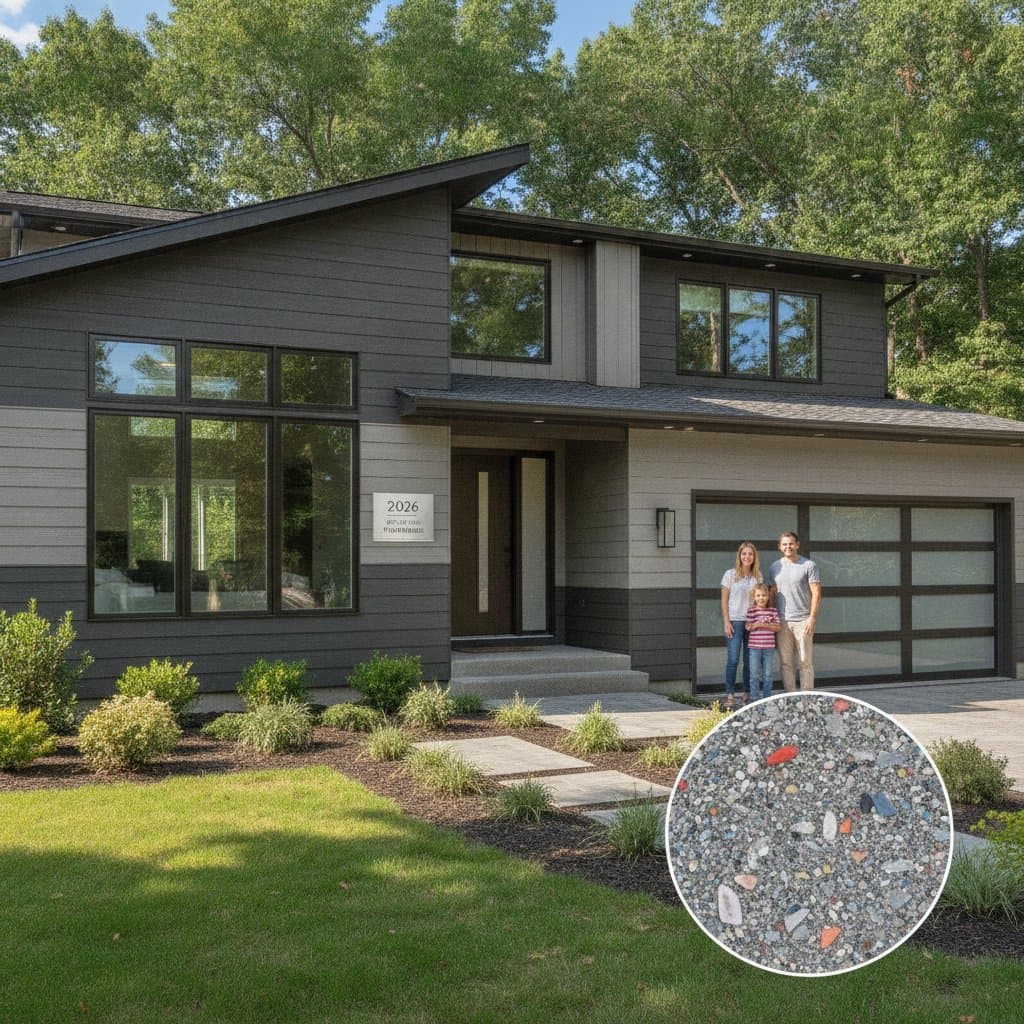
Featured image for Ocean Waste Becomes Durable Kitchen Countertops

Ocean Waste Becomes Durable Kitchen Countertops

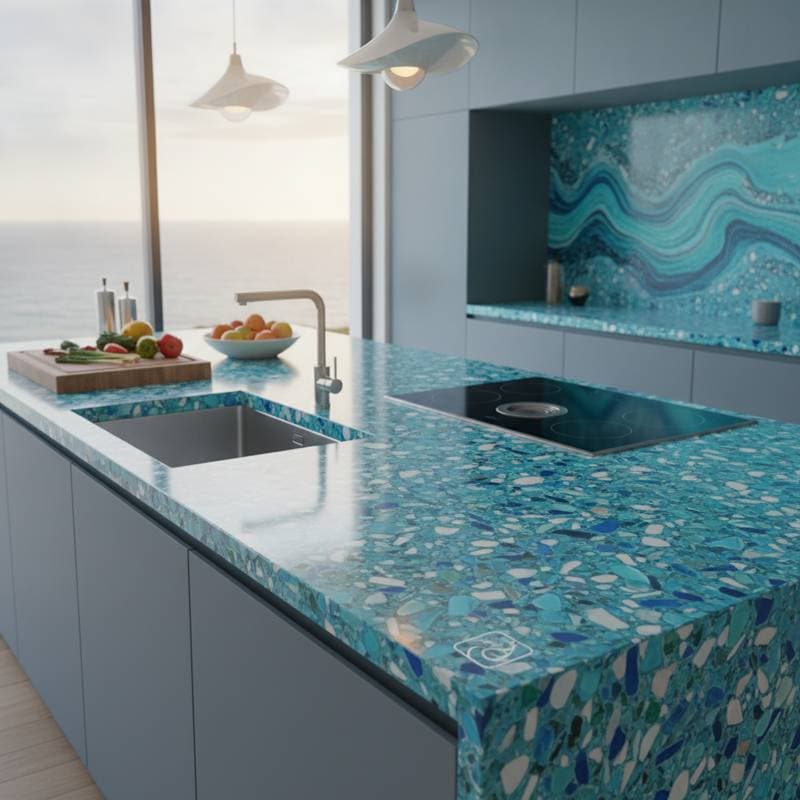
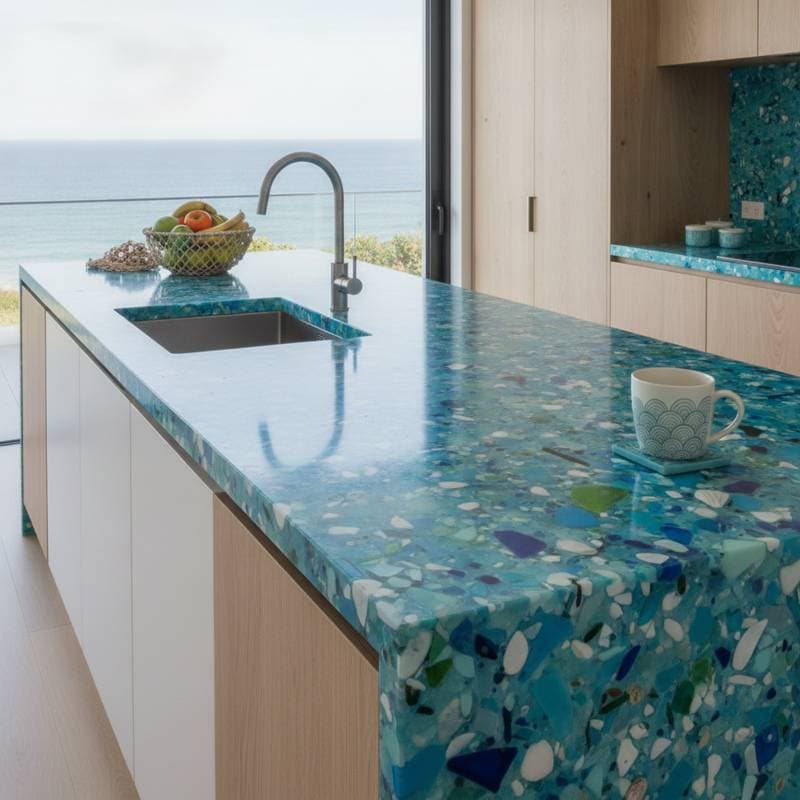
Ocean plastic countertops repurpose marine debris into robust, elegant surfaces comparable to granite or quartz. Each installation rescues hundreds of bottles from oceans, providing heat resistance, simple care, and sustainable elegance. Cost-effective, adaptable, and environmentally sound, they enhance modern designs while aiding ocean conservation and material reuse.

6 min read
Featured image for Mycelium Insulation Delivers Quiet Comfort Without Chemicals

Mycelium Insulation Delivers Quiet Comfort Without Chemicals

Mycelium insulation, derived from fungal roots, transforms sustainable building practices. It delivers inherent fire resistance, superior thermal efficiency, and complete compostability. Production costs decline rapidly, yielding cleaner air, reduced expenses, and minimized environmental impact. By 2026, this biological material may redefine residential comfort, performance, and ecological stewardship.

4 min read
Featured image for Mushroom Insulation Grows Itself in Days Using Farm Waste

Mushroom Insulation Grows Itself in Days Using Farm Waste

Mycelium insulation, derived from mushroom roots, emerges as a transformative force in home construction by 2026. This carbon-negative, compostable, fire-resistant, and energy-efficient material delivers healthier and more sustainable living spaces. With declining production costs and validated performance, homeowners and builders alike embrace its ability to elevate comfort, property value, and environmental accountability.

6 min read
Featured image for Mushroom Insulation Grows Homes from Agricultural Waste

Mushroom Insulation Grows Homes from Agricultural Waste

Mycelium insulation, cultivated from the root-like structures of mushrooms on agricultural waste, transforms sustainable homebuilding. This renewable material sequesters carbon, provides inherent fire resistance, absorbs sound effectively, and delivers energy savings comparable to conventional options. With declining costs and enhanced durability, mycelium positions itself as a key element in creating resilient, environmentally conscious residences.

5 min read
Featured image for Ocean Waste Becomes Durable Kitchen Countertops

Ocean Waste Becomes Durable Kitchen Countertops

Ocean plastic countertops repurpose marine litter into robust, refined kitchen surfaces that compete with granite in durability while minimizing ecological harm. Made from recovered plastics and additives, they deliver resilience, appeal, and green value. Through verified origins, expert fitting, and thoughtful styling, owners turn pollution into practical elegance and purposeful conservation.

6 min read
Featured image for Hempcrete Cuts Carbon While Fireproofing Your Home

Hempcrete Cuts Carbon While Fireproofing Your Home

Hempcrete revolutionizes sustainable building through its fire-resistant, carbon-sequestering properties derived from hemp, lime, and water. Although initial expenses exceed those of conventional options, it provides enduring energy efficiency, structural resilience, and superior indoor air quality. This material suits environmentally aware homeowners who prioritize moisture regulation, fire safety, and sustained thermal performance, demonstrating the viability of eco-friendly construction.

5 min read