Key Points
- Geothermal HVAC systems cost approximately half as much as they did a few years ago, enhancing accessibility for environmentally conscious homes.
- Innovations in drilling technology, enhanced loop materials, and broader installer availability contribute to these substantial price decreases.
- Installed systems reduce heating and cooling expenses by up to 70 percent, with energy credits and regional incentives amplifying overall value.
- Professionally installed units offer equipment lifespans of 25 years or longer and underground loops enduring up to 100 years.
- Evaluate site specifics, including soil composition and local regulations, prior to pursuing a geothermal retrofit or incorporation into new construction.
Why Homeowners Are Taking Notice
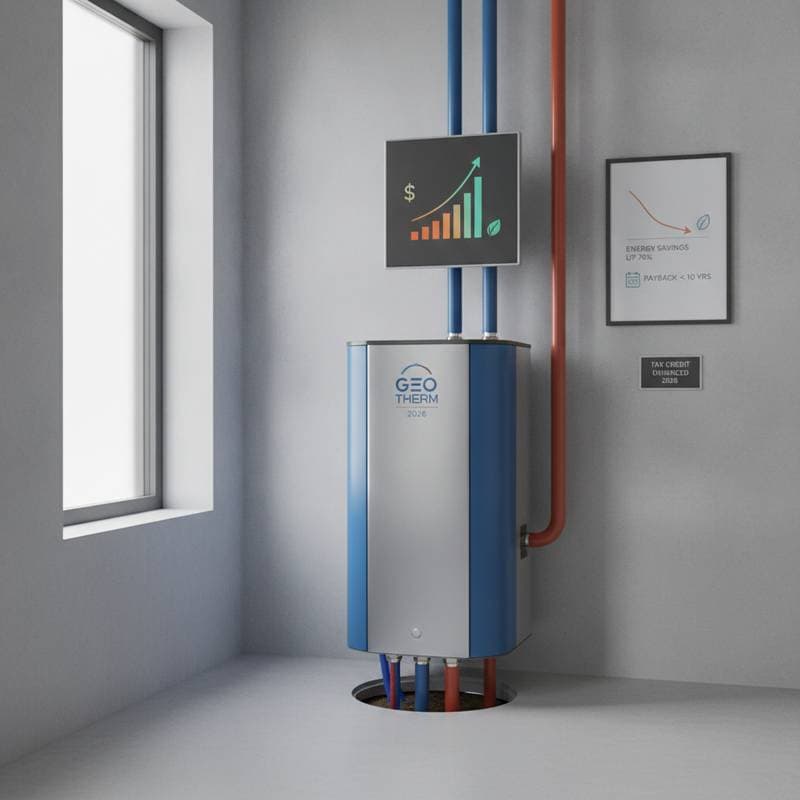
Initial expenses for geothermal HVAC systems previously spanned $30,000 to $45,000 for a typical residence. Recent advancements, such as efficient drilling rigs, streamlined loop designs, and optimized heat pump production, have reduced this range to $15,000 to $25,000 prior to incentives. Considering energy reductions of 40 to 70 percent, the time to recoup the investment has decreased significantly.
This trend aligns with heightened focus on energy reliability. Rising utility rates and variable weather patterns underscore the appeal of geothermal stability. These systems leverage consistent subsurface temperatures of 50 to 60 degrees Fahrenheit throughout the year for efficient heating and cooling. Such a reliable energy foundation protects against fluctuations in seasonal demands and electrical grid pressures.
Expert Tips to Boost Your Home’s Eco-Efficiency
-
Conduct a professional site analysis.
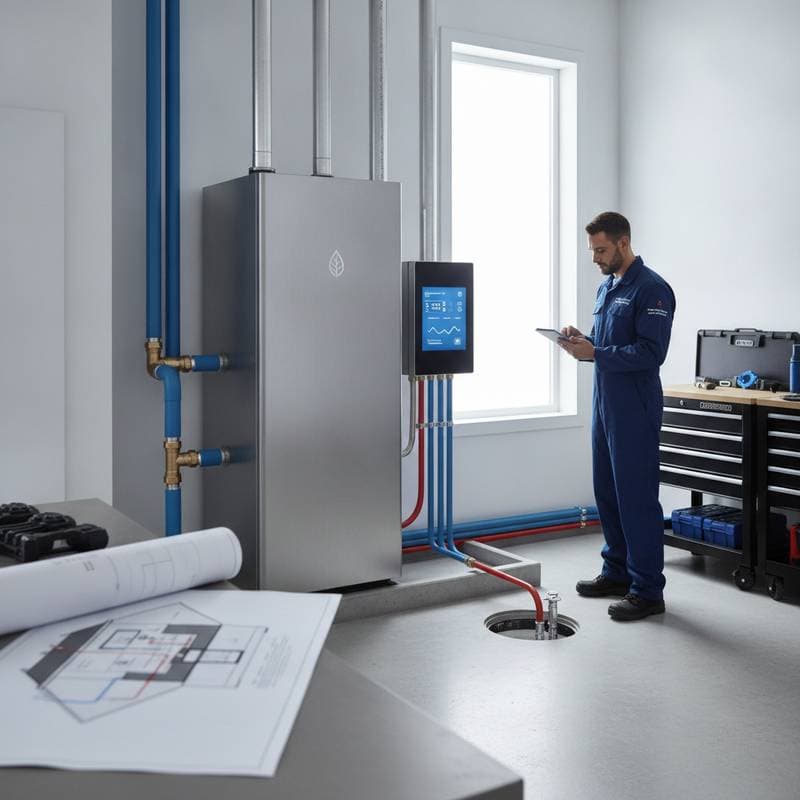
Factors like soil type, water presence, and land availability determine the suitability of horizontal versus vertical loops. Vertical configurations suit compact urban spaces, whereas horizontal layouts prove advantageous on expansive rural sites. -
Integrate geothermal with radiant heating or zoning.
Pairing geothermal units with radiant flooring or zoned controls optimizes performance. This setup enables precise temperature adjustments per room, easing the burden on the primary system. -
Use high-performance insulation.
Insulation functions as a barrier against thermal loss. Enhancing attic and wall barriers before installation can shrink system requirements by 10 to 20 percent, thereby lowering expenses. -
Pair with renewable electricity.
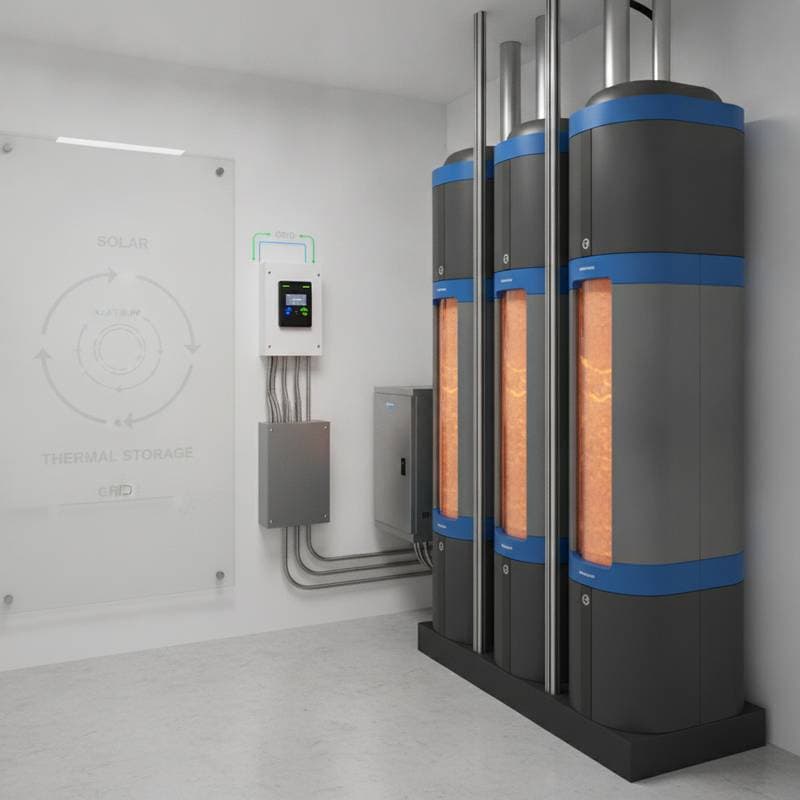
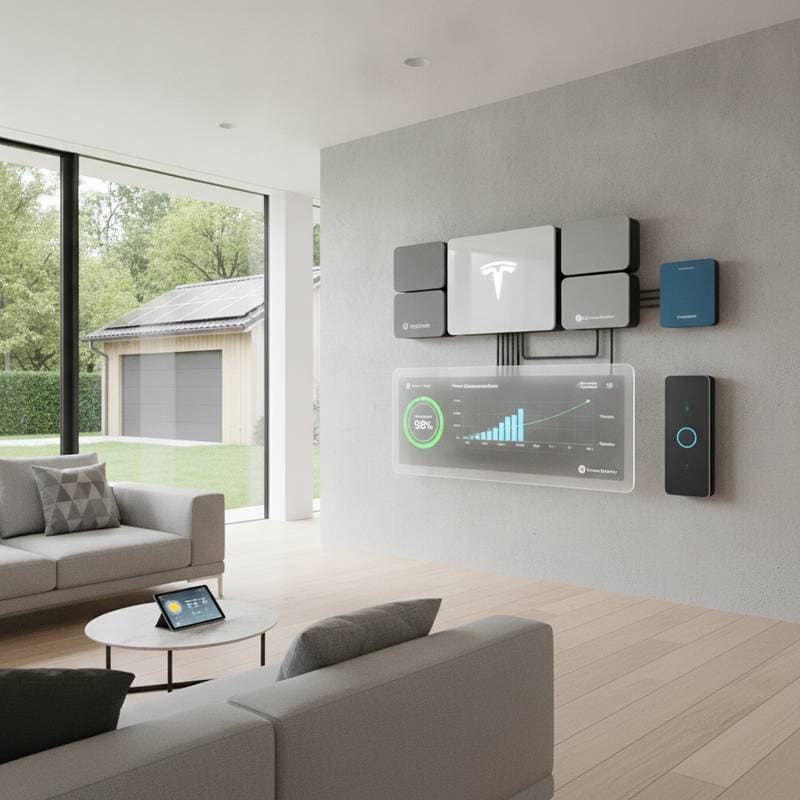
Operating geothermal heat pumps alongside solar arrays supports near-zero net energy use. Certain projects generate sufficient solar output to cover the full electricity needs of the system. -
Schedule preventive maintenance.
Although geothermal setups demand little routine care, yearly checks on heat exchangers and filters sustain optimal operation. Proper upkeep extends loop durability to approach a century.
Practical Considerations for Long-Term Value
Budget Planning:
Even with lowered prices, prudent financial planning proves essential. Select mid-tier components backed by established reliability. Anticipate a return on investment within 7 to 10 years via reduced energy outlays, with faster returns in regions experiencing intense heating or cooling needs due to climate extremes.
Environmental Impact:
Geothermal installations cut greenhouse gas outputs by as much as 60 percent compared to traditional HVAC options. Free from combustion processes, these systems maintain superior indoor air quality, supporting better health outcomes for occupants.
Timeline and Process:
Most projects span one to two weeks, influenced by drilling demands. Obtain necessary permits in advance, and confirm your contractor possesses expertise in loop engineering and site-specific geology.
Compliance and Incentives:
Numerous areas provide rebates or tax benefits that offset 25 to 40 percent of expenses. Green building initiatives often award credits toward certifications like LEED. Consult your municipal planning department or dedicated resource hubs to pinpoint applicable programs.
Making It Happen: Partnering with the Right Expert
Success hinges on choosing an installer versed in regional geology, hydrology, and regulatory requirements. Inquire about credentials from bodies like the International Ground Source Heat Pump Association or comparable entities. Demand detailed simulations to verify the design aligns with your home's thermal profile.
Through itsacoolerplanet.com, homeowners gain access to screened geothermal specialists focused on eco-upgrades and fresh builds. These professionals manage loop planning through to unit procurement. A vetted partnership guarantees peak efficiency, comfort, and cost recovery.
For those inclined toward self-directed efforts, compact geothermal packages appear on the market, yet comprehensive setups necessitate certified experts for excavation and fluid management. Precision in execution safeguards safety and endurance, rendering expert involvement indispensable.
Frequently Asked Questions
Q: How long does a geothermal HVAC system last?
A: The interior heat pump endures 20 to 25 years under normal conditions, while ground loops operate effectively for 75 to 100 years with routine care. This extended service positions geothermal among the most robust HVAC choices.
Securing Sustainable Comfort and Savings
Embracing geothermal HVAC elevates home efficiency while fortifying against escalating energy costs. By prioritizing informed planning and expert collaboration, homeowners realize enduring financial and ecological gains. This upgrade not only enhances daily living but also contributes to broader environmental stewardship.