Key Principles of Rooftop Agrivoltaics
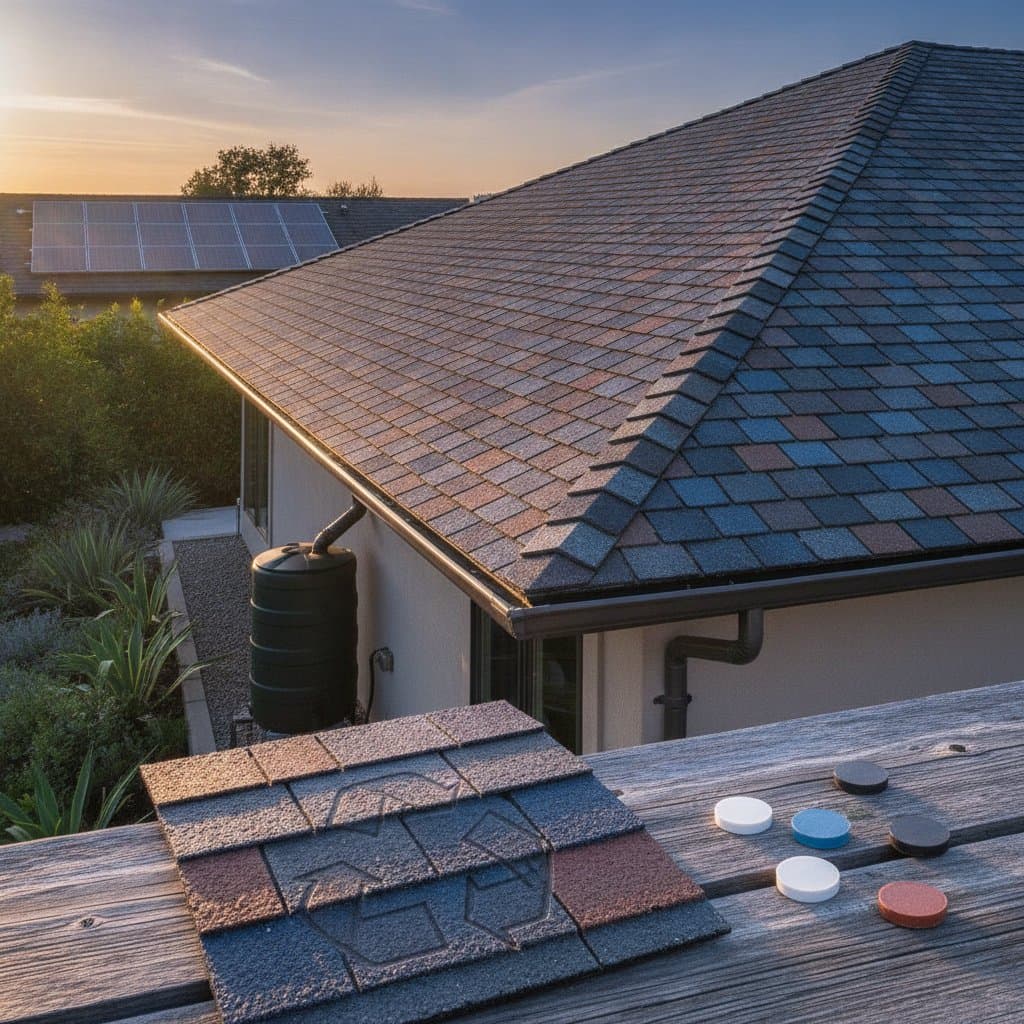
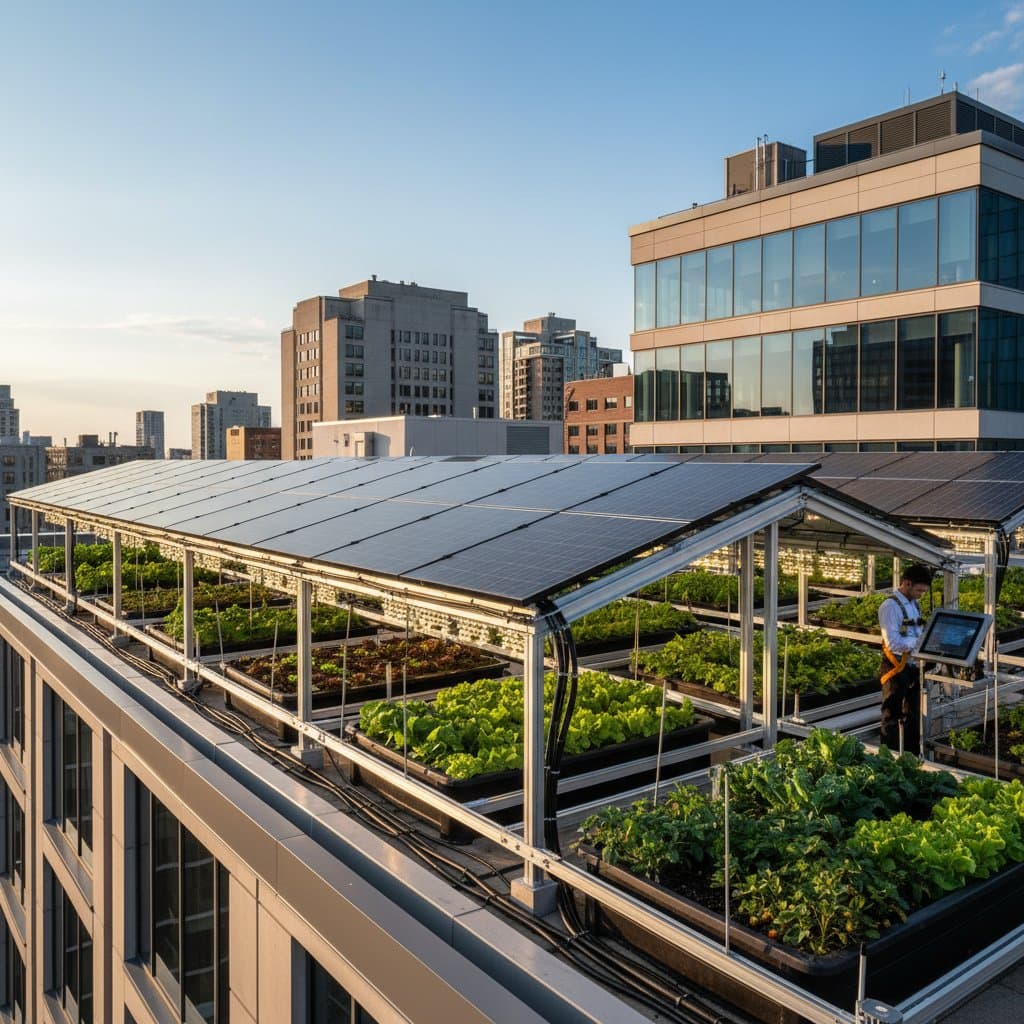
Rooftop agrivoltaic systems integrate solar panels with elevated garden beds to optimize both energy production and food cultivation on the same surface. This approach maximizes limited urban space by allowing panels to capture sunlight while providing dappled shade for shade-tolerant plants below. Homeowners achieve dual benefits: reliable renewable energy and a steady supply of fresh herbs, leafy greens, or compact vegetables.
These systems typically reduce household energy expenses by 30 to 60 percent, depending on panel capacity and local sunlight. Yields vary by design, but a well-planned setup can produce 10 to 20 pounds of produce per square foot each year. Success requires careful consideration of roof load capacity, efficient irrigation methods, and plant varieties suited to regional climates and structural constraints.
Initial investments range from moderate to substantial, yet they often recoup through energy rebates, reduced utility payments, and garden productivity within 7 to 12 years. Professional engineering ensures the installation meets safety standards, withstands weather, and complies with local regulations for both electrical and horticultural elements.
Benefits for Homeowners
Transforming a rooftop into an agrivoltaic asset turns idle space into a source of financial and ecological value. Solar components can cover 50 to 100 percent of a home's electricity demands, slashing monthly bills and fostering energy autonomy. Meanwhile, the garden layer supplies nutrient-dense foods, potentially offsetting 500 to 1,000 dollars annually in grocery expenses for items like basil, kale, or cherry tomatoes.
Properties equipped with such features attract premium prices from buyers prioritizing sustainability; research indicates increases of 5 to 10 percent in market value. Environmentally, the setup improves air quality through plant filtration, enhances building insulation, and mitigates urban heat islands by cooling roof surfaces up to 20 degrees Fahrenheit.
The synergy between elements amplifies performance: solar panels offer protective shade that prevents crop wilting during peak heat, while vegetation cools the panels beneath, boosting their output by 5 to 15 percent. This mutual enhancement creates a resilient, low-maintenance ecosystem tailored to modern living.
Investment and Return on Investment
Implementing a rooftop agrivoltaic system entails costs across solar hardware, structural modifications, planting infrastructure, and professional services. For a typical residential roof of 1,000 square feet, expect the following breakdowns:
- Solar panels, mounting racks, and inverters: 10,000 to 25,000 dollars
- Roof reinforcements, waterproofing, and drainage: 3,000 to 10,000 dollars
- Raised planters, lightweight soil mixes, and automated irrigation: 2,000 to 8,000 dollars
- Design consultations, labor, and permitting: 2,000 to 6,000 dollars
Overall, projects span 17,000 to 45,000 dollars, scaled to roof size and ambitions. Federal and state incentives, such as the Investment Tax Credit, can reduce upfront costs by 30 percent. The solar array alone recovers its value in 6 to 10 years via bill reductions and net metering credits.
Garden returns accrue through harvested produce, which cuts reliance on store-bought organics and enhances meal quality. Combined, these elements yield compounded savings, alongside non-financial gains like reduced carbon footprints and heightened self-reliance. Track metrics from day one to adjust for optimal results.
Environmental and Efficiency Advantages
Agrivoltaic rooftops advance sustainability by conserving resources and supporting biodiversity. Vegetation layers regulate temperatures, dropping roof heat by 10 to 30 degrees and easing air conditioning demands by up to 25 percent. This passive cooling extends equipment life and lowers operational costs.
Rain gardens and permeable soils capture stormwater, retaining up to 50 percent more water than bare roofs and minimizing flood risks for neighborhoods. The dual system curbs carbon emissions: solar displaces fossil fuels, while local food production eliminates transport-related pollution equivalent to hundreds of miles driven annually.
Incorporating pollinator-friendly plants like lavender or chives bolsters local wildlife, creating micro-habitats in concrete landscapes. Pairing with complementary measures, such as energy-efficient windows or greywater recycling, can elevate whole-home efficiency by 20 to 40 percent, positioning the property as a model of resilience.
Common Questions
How do solar panels and plants coexist under shared sunlight?
Panels mount 3 to 6 feet above the roof surface, angled to permit diffused light penetration. Select crops like lettuce, spinach, or mint that flourish in 40 to 70 percent shade, allowing both technologies to operate at peak without competition.
Is DIY installation feasible?
Garden elements like soil filling or basic planting suit skilled individuals, but solar wiring, structural bolstering, and integration demand certified experts. Improper execution risks leaks, electrical hazards, or code violations that inflate future repairs.
Could plants harm the underlying roof?
Proper engineering prevents damage through robust membranes, root-repelling liners, and sloped drainage channels. Far from detrimental, the green cover shields against ultraviolet exposure and thermal cycling, potentially doubling roof longevity to 40 years or more.
What maintenance does the system require?
Dedicate time weekly to pruning, fertilizing, and monitoring irrigation, akin to ground-level gardening. Clean panels quarterly to remove debris, and arrange biannual professional audits for wiring integrity and plant health. Automation tools simplify routines for busy schedules.
Which crops suit this environment best?
Prioritize shallow-rooted options: arugula, chives, radishes, or bush beans thrive in lightweight media with minimal depth. Steer clear of thirsty or heavy plants like potatoes; focus on high-yield varieties that align with partial shade and container constraints.
Steps to Implement Your System
Begin with a professional roof assessment to evaluate load-bearing capacity, orientation, and sunlight hours, ideally using tools like solar pathfinders. Engage a multidisciplinary team: a structural engineer for reinforcements, a solar specialist for panel layout, and a horticulturist for crop planning.
Allocate space strategically, perhaps dedicating 60 percent to panels and 40 percent to gardens, based on energy goals and family needs. Secure permits early, factoring in zoning rules for green roofs and renewable installations.
For a low-risk entry, pilot with modular kits: position lightweight troughs beneath existing panels or add trellises for vertical growth. Monitor soil moisture, panel output, and harvest volumes via apps to inform expansions.
Realizing Long-Term Value
Once operational, an agrivoltaic roof delivers ongoing rewards beyond savings. Families enjoy hyper-local, pesticide-free meals that foster healthier habits and community connections through shared harvests. Energy metrics reveal tangible progress toward net-zero living, inspiring further upgrades.
Over time, the setup appreciates as climate priorities rise, securing financial equity and ecological legacy. Homeowners report enhanced well-being from tangible contributions to planetary health, proving that innovative roofs redefine prosperity in sustainable terms.