Passive House Design: Achieving 80% Energy Savings Despite Elevated Construction Costs
Understanding Passive House Principles
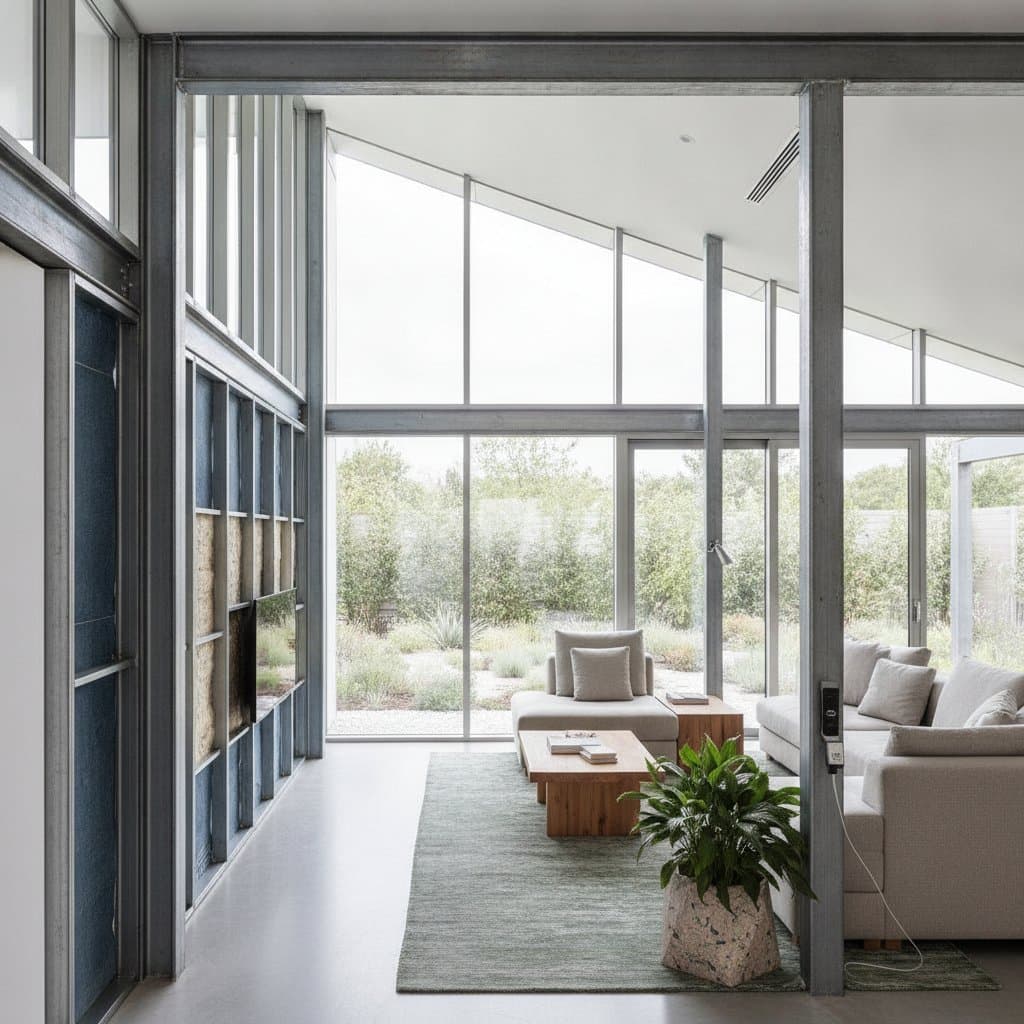
Passive House represents a rigorous standard for energy-efficient building design. This approach emphasizes superior insulation, airtight construction, and advanced ventilation systems to minimize heating and cooling demands. Originating in Germany during the 1990s, the concept has gained global traction as a blueprint for sustainable architecture.
Buildings certified under Passive House guidelines consume up to 90% less energy for heating compared to conventional structures. The standard requires that annual space heating demand does not exceed 15 kilowatt-hours per square meter. Such precision engineering ensures homes maintain stable indoor temperatures year-round with minimal mechanical intervention.
Key Benefits of Passive House Living
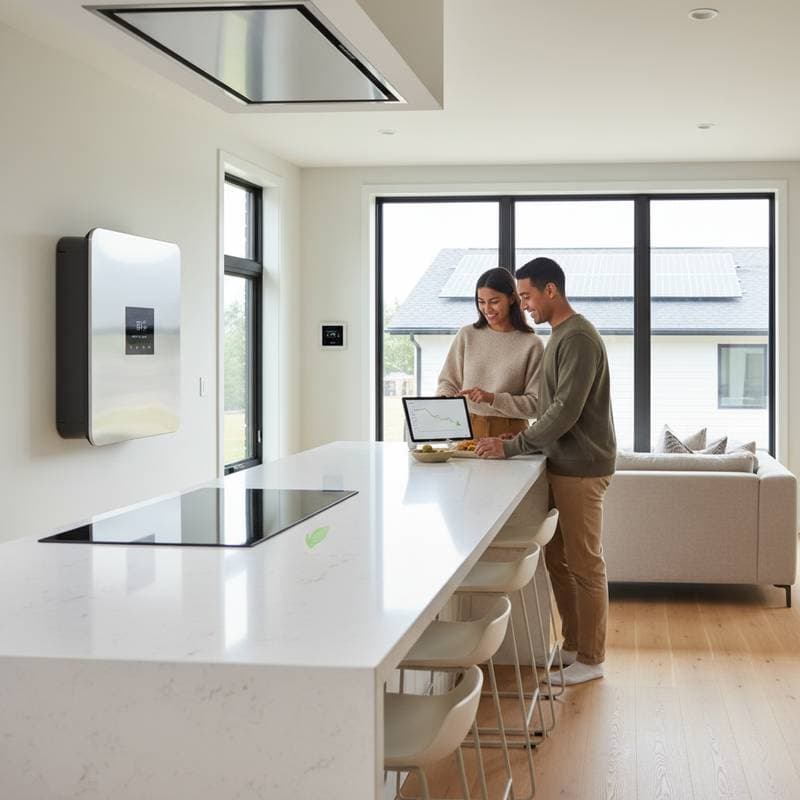
One primary advantage lies in substantial energy bill reductions. Homeowners often report savings of 80% or more on heating and cooling costs, translating to hundreds of dollars annually depending on local energy rates and climate. These efficiencies stem from the building envelope's ability to retain heat in winter and block it in summer.
Comfort emerges as another compelling benefit. Passive Houses eliminate drafts and cold spots, fostering even temperatures throughout the space. High-quality ventilation systems, such as heat-recovery units, deliver fresh air while filtering out pollutants, allergens, and noise. Residents experience quieter, healthier environments that support better sleep and overall well-being.
Health improvements extend beyond air quality. The airtight design reduces moisture buildup, preventing mold growth and associated respiratory issues. In regions with extreme weather, these homes provide a resilient shelter that withstands storms and temperature swings without compromising indoor conditions.
Navigating the Upfront Investment
Construction costs for Passive Houses typically range 5% to 20% higher than standard builds, depending on location and project scale. Factors such as premium insulation materials, specialized windows, and certified labor contribute to this premium. For a 2,000-square-foot home, expect an additional $10,000 to $40,000 over conventional pricing.
Despite the initial outlay, long-term financial returns justify the investment. Payback periods vary from 5 to 15 years, influenced by energy prices and incentives. In areas with rising utility rates, savings accelerate, often yielding a net positive return within a decade. Moreover, enhanced property values add to the economic appeal, as energy-efficient homes command premiums in resale markets.
Adapting Passive House to Diverse Climates and Budgets
The versatility of Passive House design suits various environments, from cold northern latitudes to humid tropics. In cooler climates, thick walls and triple-glazed windows dominate the strategy. Warmer regions prioritize shading devices and reflective surfaces to combat heat gain.
Budget-conscious builders can incorporate Passive House elements incrementally. Start with airtight sealing and insulation upgrades in existing homes, which yield 30% to 50% energy reductions without full reconstruction. New builds benefit from integrated planning, where architects optimize layouts for natural light and airflow.
Certification through organizations like the Passive House Institute provides verification and access to resources. While full certification involves modeling and testing, partial adherence still delivers meaningful efficiencies.
Practical Steps to Implement Passive House Design
Begin by consulting certified Passive House designers or consultants early in the planning phase. They assess site conditions, orientation, and local codes to tailor the design. Tools like energy modeling software predict performance and identify optimizations.
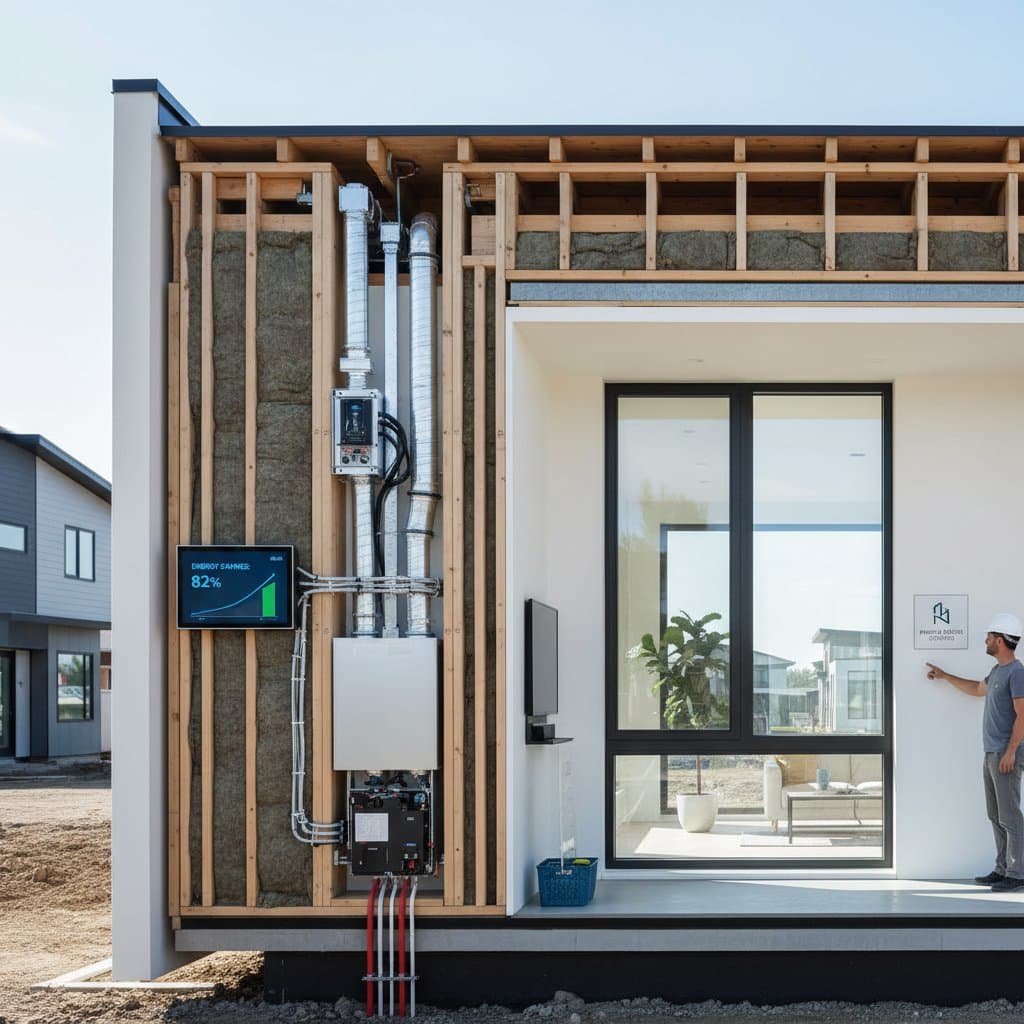
Select materials that meet or exceed standard requirements. Use rigid foam insulation for walls and roofs, and opt for windows with U-values below 0.8 W/m²K. Ensure the building envelope achieves airtightness below 0.6 air changes per hour at 50 Pascals pressure.
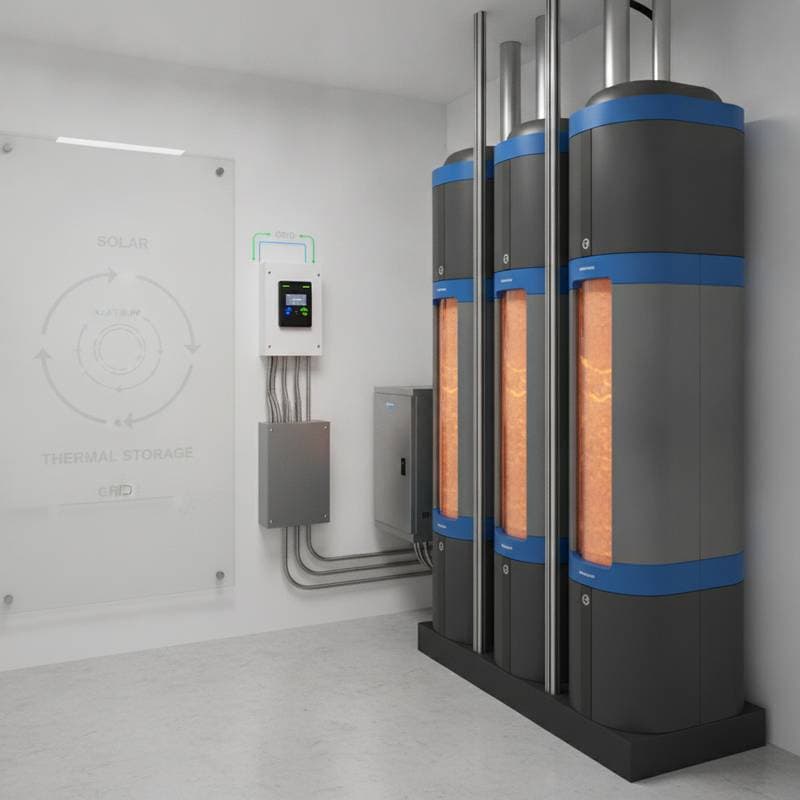
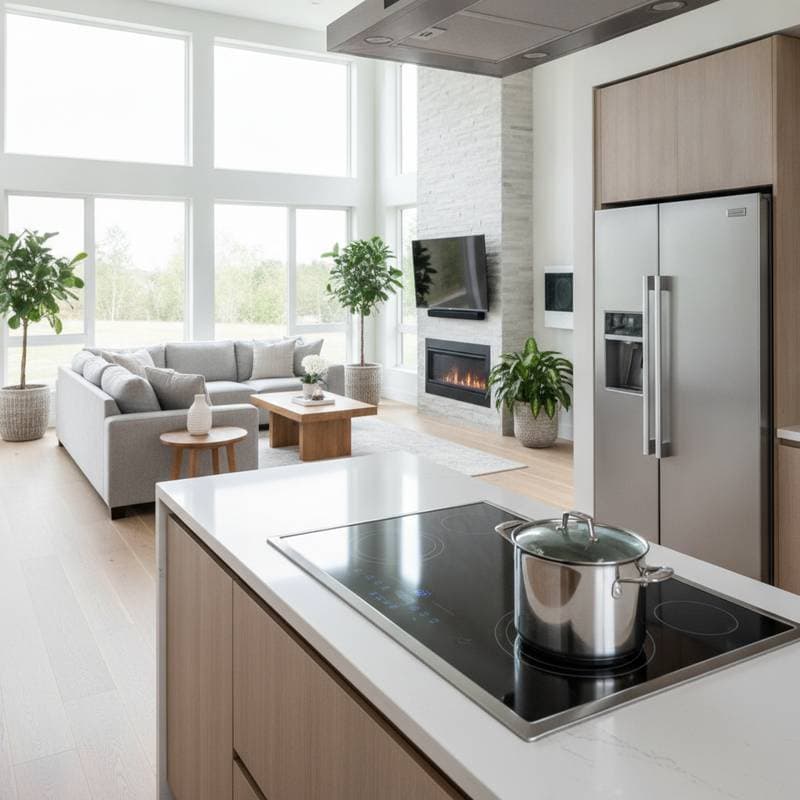
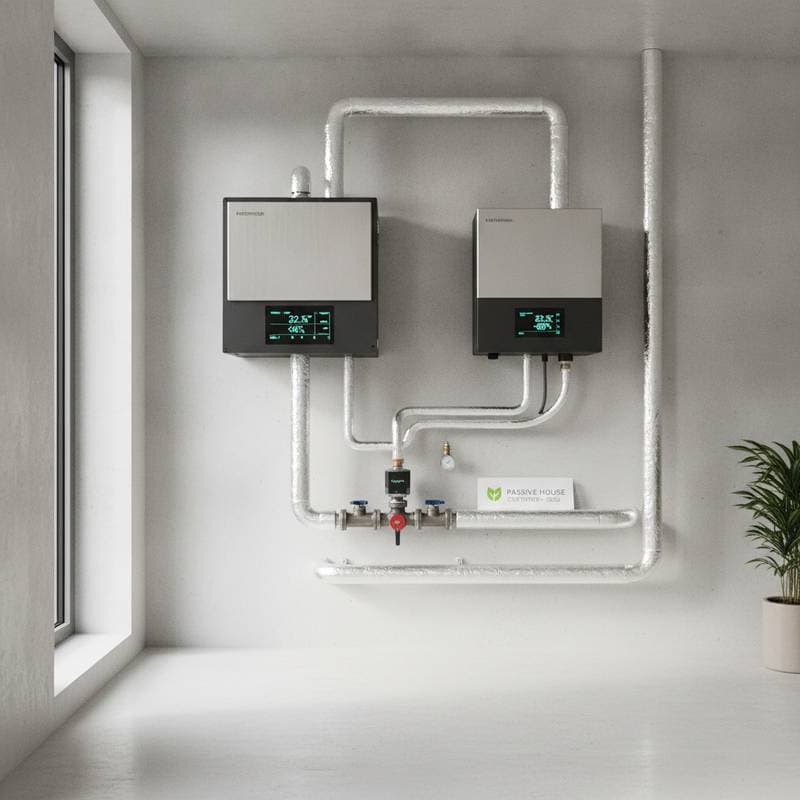
Incorporate mechanical systems judiciously. A balanced ventilation system with heat recovery maintains air quality while recapturing 75% to 95% of exhaust heat. Minimize active heating through passive solar gain and internal heat sources like appliances and occupants.
- Conduct a site energy audit to baseline current performance.
- Develop a detailed design plan with cost estimates.
- Secure building permits and align with local incentives.
- Oversee construction with quality checks at key stages.
- Perform blower door tests to validate airtightness.
- Monitor post-occupancy energy use for fine-tuning.
Exploring Financing and Incentives
Numerous programs ease the financial burden of Passive House projects. Government rebates, such as those under energy efficiency initiatives, offset material costs. Low-interest loans from green banks target sustainable builds, often with terms that align with projected savings.
Tax credits in many jurisdictions reward certified energy-efficient homes. For instance, programs like the U.S. Inflation Reduction Act provide deductions for insulation and renewable integrations. Explore utility-sponsored financing that ties repayments to verified energy reductions.
Private options include mortgages specialized for green homes, which offer favorable rates due to lower risk profiles. Builders may bundle Passive House features into standard packages, spreading costs over time. Early engagement with financial advisors ensures alignment with personal budgets and timelines.
Realizing Long-Term Value in Sustainable Homes
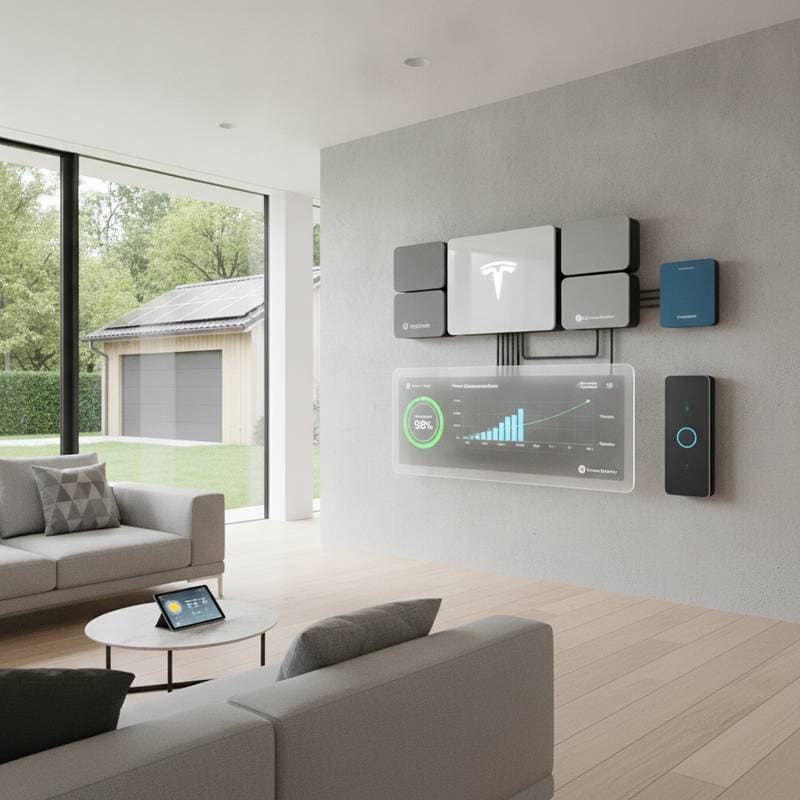
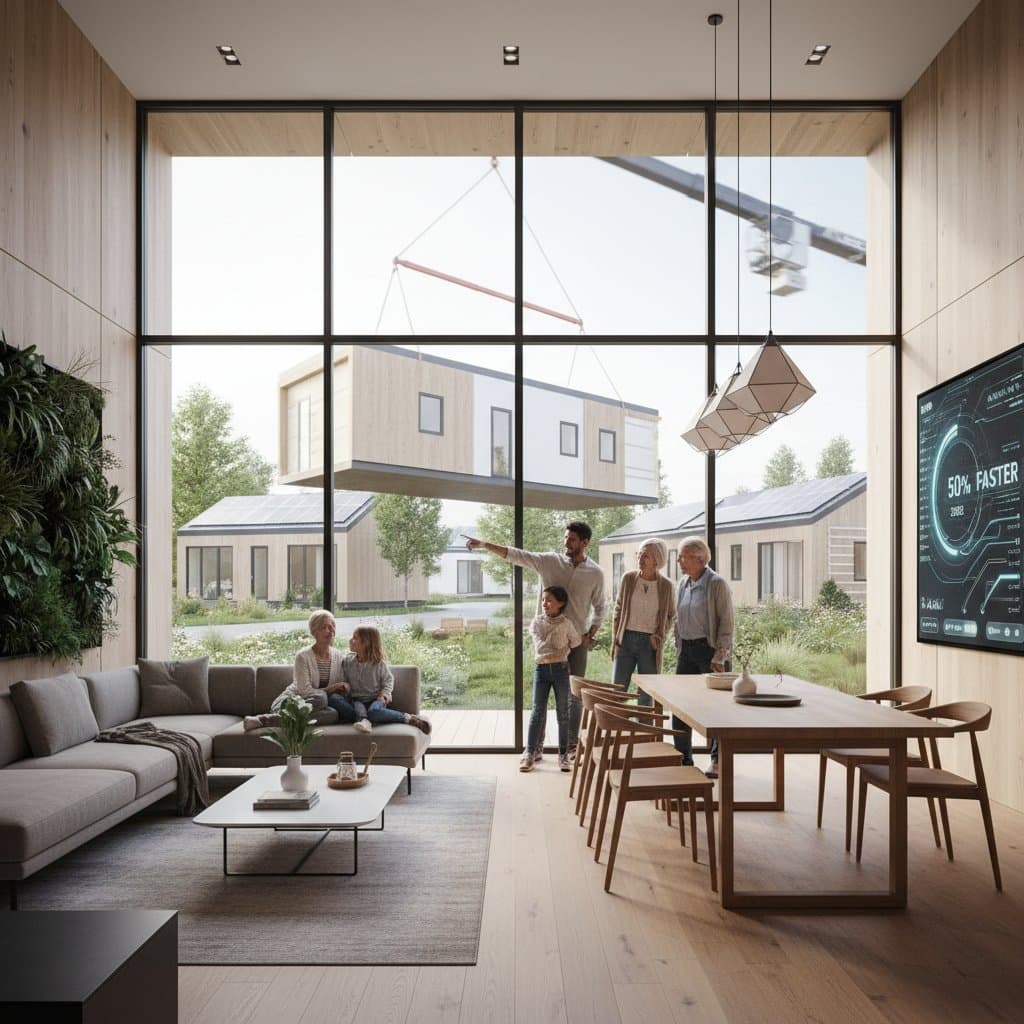
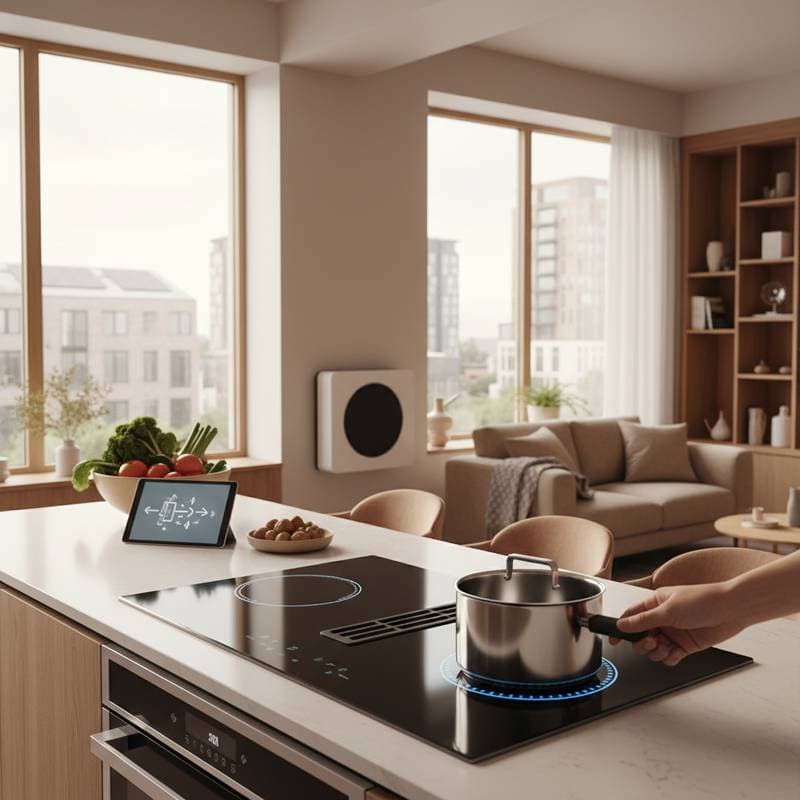
Passive House design positions homeowners for a resilient future amid climate challenges and volatile energy markets. By 2026, as regulations tighten and technologies advance, these homes will integrate seamlessly with smart grids and renewables. The combination of comfort, savings, and environmental stewardship creates enduring value.
Investing in Passive House today means securing a legacy of efficiency and well-being. With thoughtful planning, the path to this standard becomes accessible, transforming higher build costs into strategic assets for generations.