Greywater Heat Recovery Saves Up to $800 a Year
When you take a hot shower, most of the heat goes down the drain. The warm water that once felt luxurious becomes wasted energy as it disappears into your plumbing. Greywater heat recovery systems capture that lost energy, recycle it, and use it to preheat incoming cold water. The result is lower utility bills, reduced environmental impact, and a more efficient home. Many households can save as much as $800 a year by installing one of these systems.
Key Benefits
- Greywater heat recovery can cut water heating energy use by 25 to 60 percent.
- Typical savings range from $400 to $800 annually for multi person households.
- Installations often pay for themselves within three to five years.
- Systems require minimal maintenance and can last for decades.
- These units work with showers, washing machines, and dishwashers.
Savings and Return on Investment
Field studies from utilities and energy research organizations show that households using greywater heat recovery typically see hot water energy reductions between 25 and 60 percent. The range depends on household size, shower duration, and water heater type.
Financial Impact by Household Size
| Household Size | Annual Savings | Payback Period | Estimated Cost Installed |
|---|---|---|---|
| 1 to 2 people | $150 to $300 | 6 to 8 years | $700 to $900 |
| 3 to 4 people | $400 to $600 | 4 to 6 years | $800 to $1200 |
| 5 or more people | $600 to $800 | 3 to 5 years | $900 to $1400 |
These numbers assume average shower patterns and standard water heating costs. Families with multiple daily showers or teenagers taking long showers will see faster returns.
Once installed, the system continues to generate savings for decades. Many units last 20 years or more with almost no maintenance. This means long term cost reductions that extend well beyond the payback period.
Efficiency Comparison
Water heating typically represents 15 to 25 percent of a home energy use. Even high efficiency water heaters lose heat down the drain every day. By recovering that energy, a greywater system effectively boosts the performance of an existing heater. A standard electric heater might deliver 90 percent efficiency, but paired with a drain water heat recovery unit, overall efficiency can reach an equivalent of 130 percent output.
Installation and System Options
Installing a greywater heat recovery system is less complicated than many homeowners expect. The technology is passive, so it integrates easily into existing plumbing. Placement matters for achieving top performance.
Optimal Placement
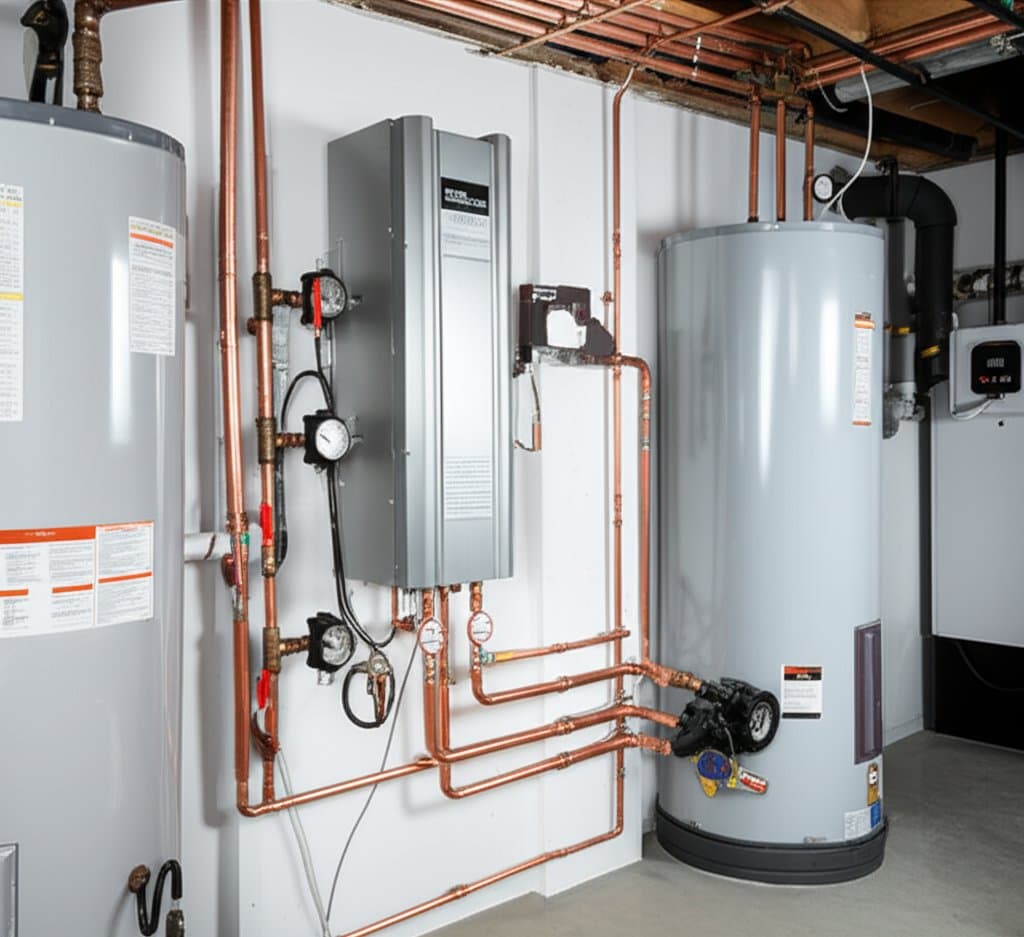
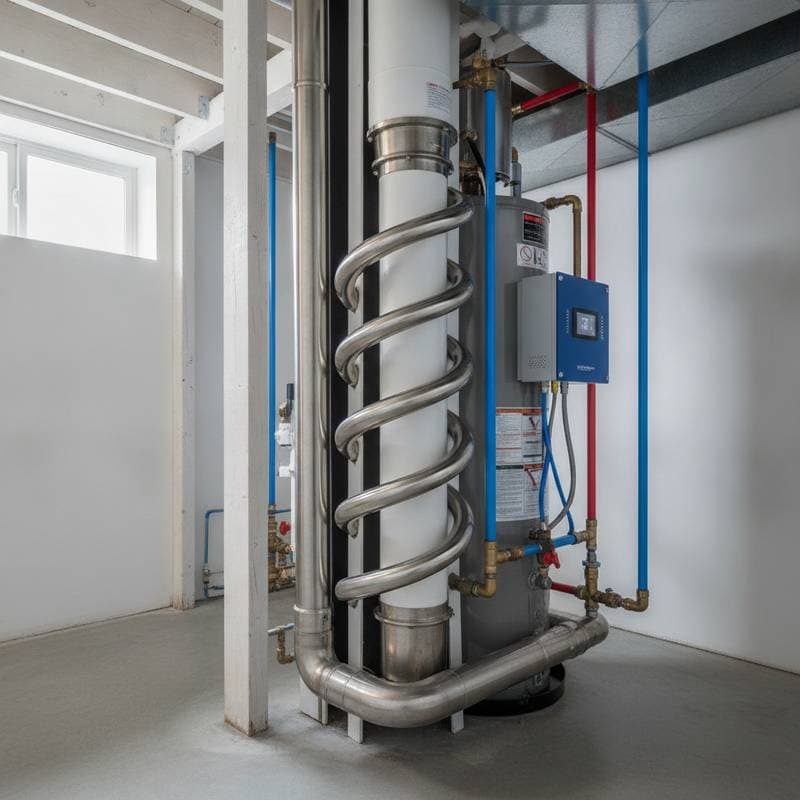
The device installs vertically on the main drainpipe that carries shower wastewater. Because it relies on gravity flow, vertical orientation ensures maximum surface contact between warm water and the heat exchanger wall. For homes with basement access, the installation is straightforward. Multi story homes or slab foundations may require creative routing or slightly higher installation costs.
Professional Installation
While some experienced do it yourselfers can install these systems, most homeowners choose professional installation to ensure proper sealing and code compliance. Licensed plumbers can usually complete the job within a few hours. Costs vary depending on pipe accessibility and model type.
Maintenance Requirements
Once installed, a drain water heat recovery unit operates without filters or moving parts. There is no need for regular cleaning, and the copper or stainless steel materials resist corrosion. Occasional inspection during plumbing maintenance is sufficient. Many manufacturers offer warranties of 10 years or longer.
Combining Systems for Greater Efficiency
Greywater heat recovery delivers impressive savings on its own. The benefits multiply when paired with other energy efficient technologies.
Integration with Tankless Heaters
Tankless or on demand water heaters benefit because they rely on constant flow rates. Preheated water allows them to operate more efficiently and prevents overloading during simultaneous use. This combination reduces both energy consumption and system wear.
Solar and Heat Pump Compatibility
For homes using solar thermal collectors, greywater recovery complements renewable energy production. On cloudy days or when solar output is low, the system still recovers heat from used water. Heat pump water heaters also improve when incoming water is warmer. The reduced temperature lift means faster recovery times and lower electricity use.
Common Questions Answered
Properly installed systems do not reduce water pressure. The heat exchanger supports full flow operation, and pressure drops remain minimal. The design ensures total separation between greywater and potable water. Heat transfer occurs through solid metal rather than mixing. Systems meet recognized plumbing standards.
These units perform well in cold climates. The colder the incoming water, the greater the temperature difference and the more energy recovered. Many of the highest savings occur in regions with cold groundwater. Retrofits can be more challenging in slab on grade homes, but horizontal models or partial recovery units still provide benefits at slightly reduced efficiency.
Performance in Practice
Research from energy agencies and building science institutions shows consistent performance across housing types. In side by side tests, homes with drain water heat recovery systems used up to 40 percent less energy for water heating. Apartment buildings with shared shower drains achieved even higher percentages due to continuous water flow.
Homeowners who track energy bills often report noticeable reductions within the first month. One family of five using a 60 inch vertical unit recorded monthly savings of around $60.
Next Steps for Homeowners
Assess your plumbing layout to identify whether your shower drain is accessible from a basement or utility room. Consult a licensed plumber for an estimate and to confirm compatibility with your existing water heater. Select a model that matches your household shower frequency and drain diameter. Most installations take less than half a day. Track your energy usage before and after to measure the difference.
Over time, lower bills and steadier hot water performance become noticeable. Families seeking sustainable improvements that also make economic sense find this upgrade delivers clear results. The technology is proven, the savings are measurable, and the comfort benefits appear right away.