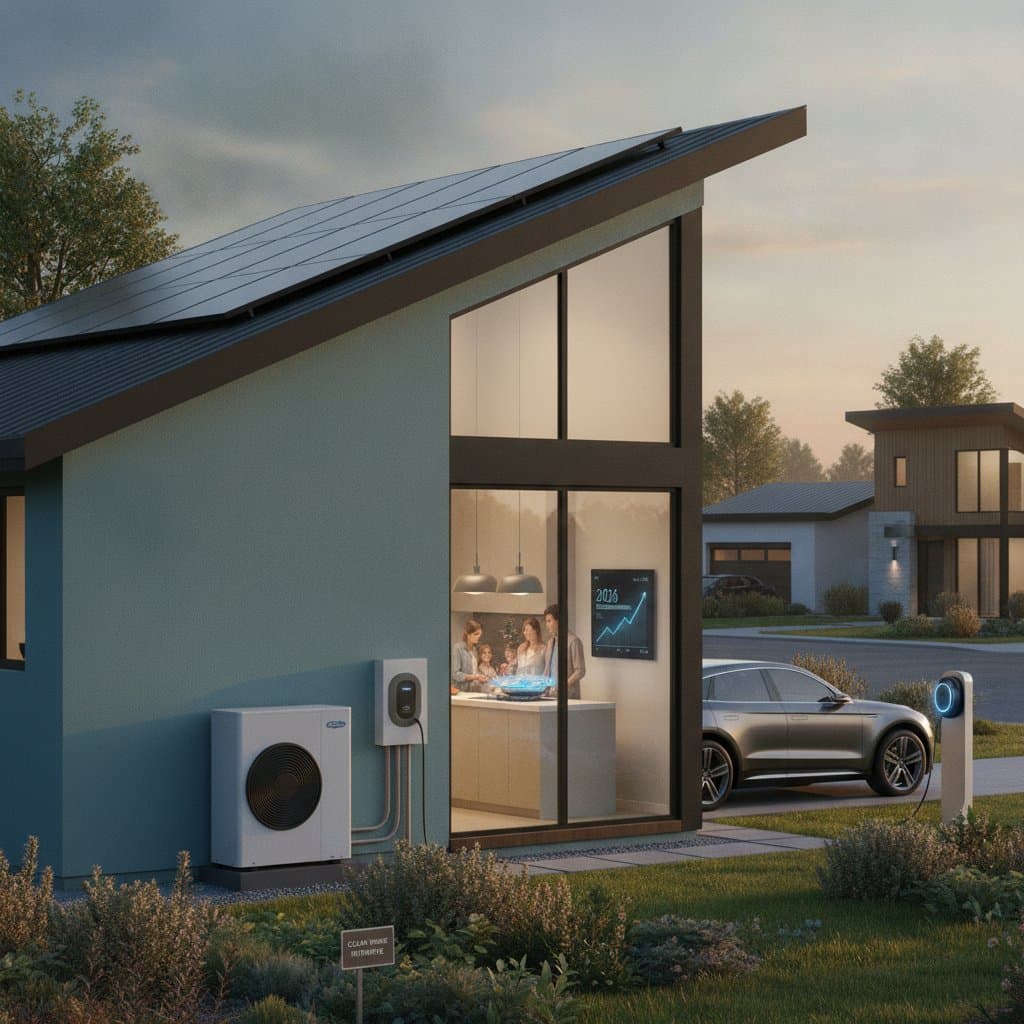
Tax Credits Finally Make Heat Pumps Affordable
Federal tax credits now offset large portions of heat pump, induction, and EV charger costs. Strategic planning and layered incentives make whole-home electrification financially realistic.
Loading...
Articles tagged with retrofit
Federal tax credits now offset large portions of heat pump, induction, and EV charger costs. Strategic planning and layered incentives make whole-home electrification financially realistic.
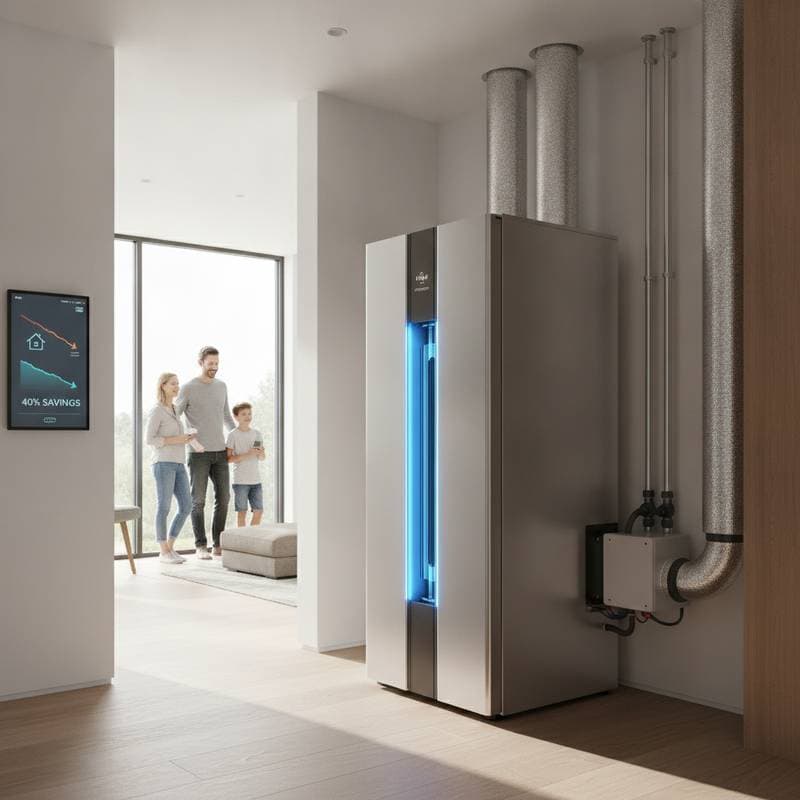
Thermal battery retrofits store heat or coolness to cut energy bills by up to 40 percent. Compatible with existing HVAC systems they deliver steady comfort lower costs and environmental benefits through smart design rebates and expert installation.
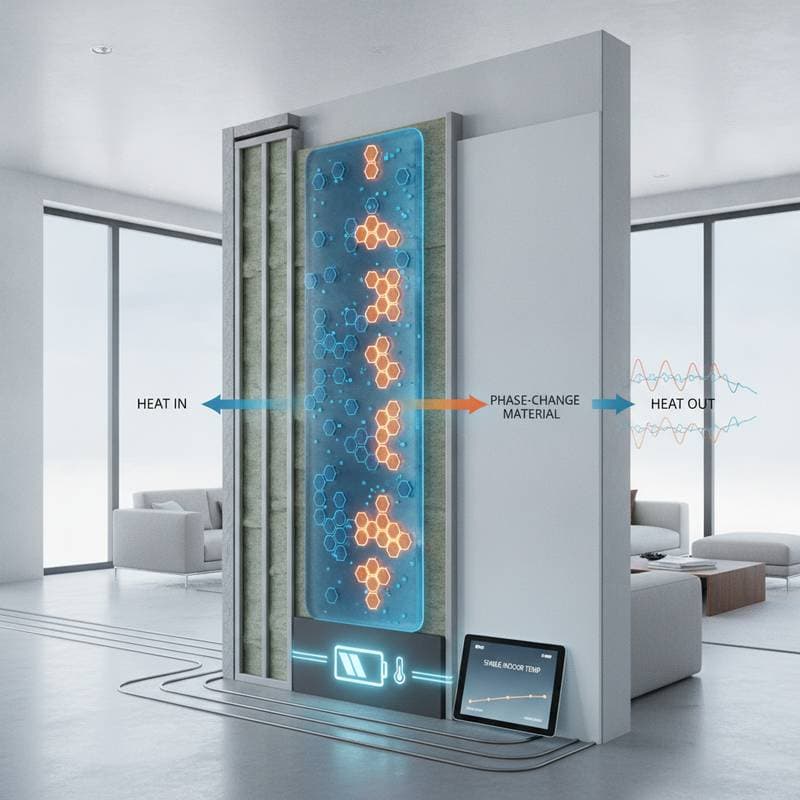
Phase-change materials absorb and release heat to maintain steady indoor temperatures. Integrated into walls, ceilings, or floors, they lower energy use and improve long-term building performance.
Induction retrofits deliver faster cooking and substantial rebates that reduce upfront costs. Improved efficiency, lower bills, and better indoor air quality allow most homeowners to reach payback within three to seven years when projects are planned carefully.
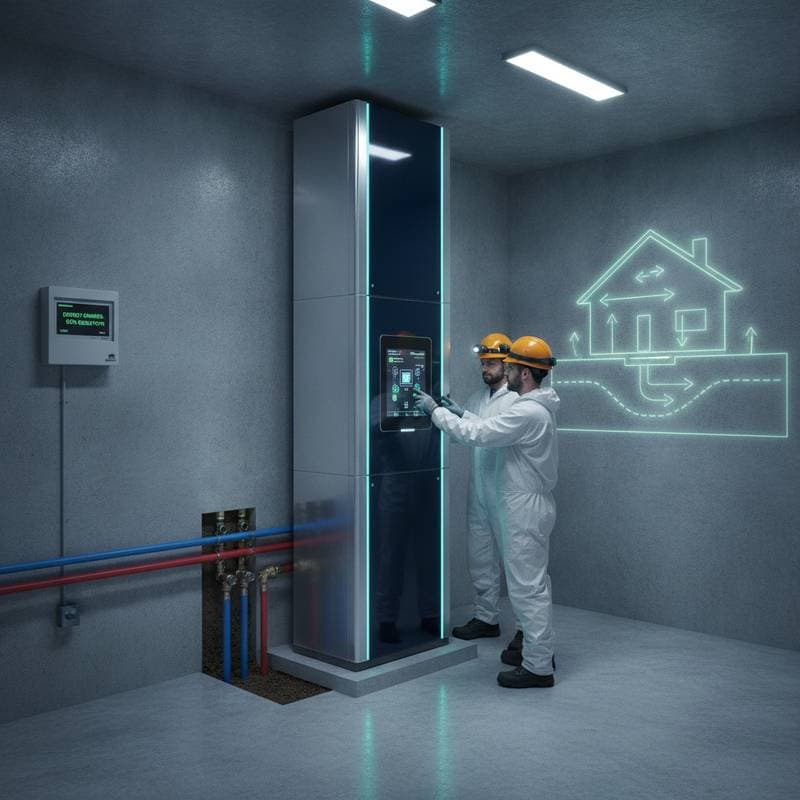
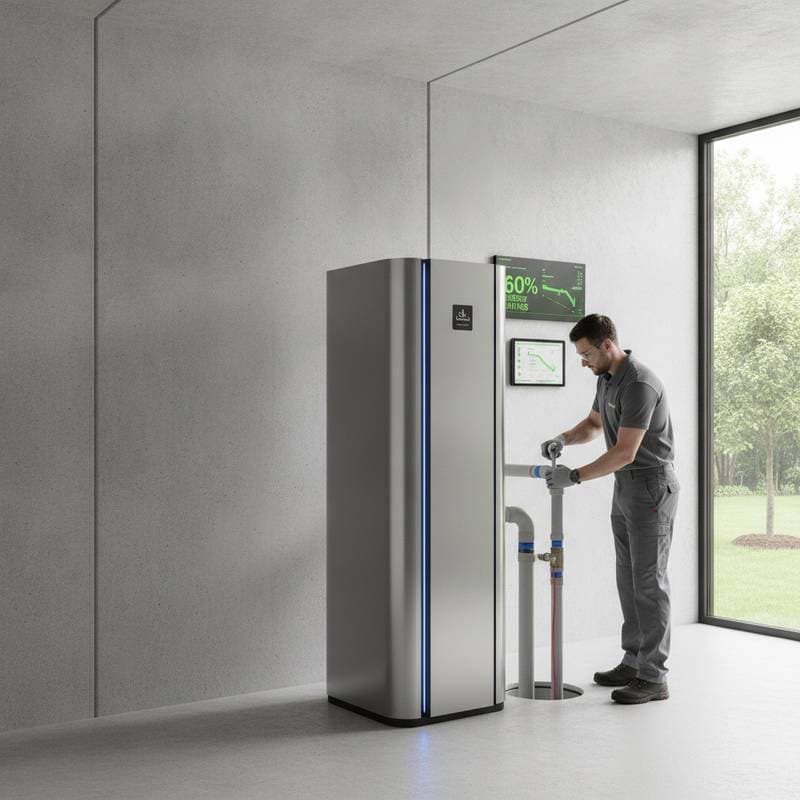
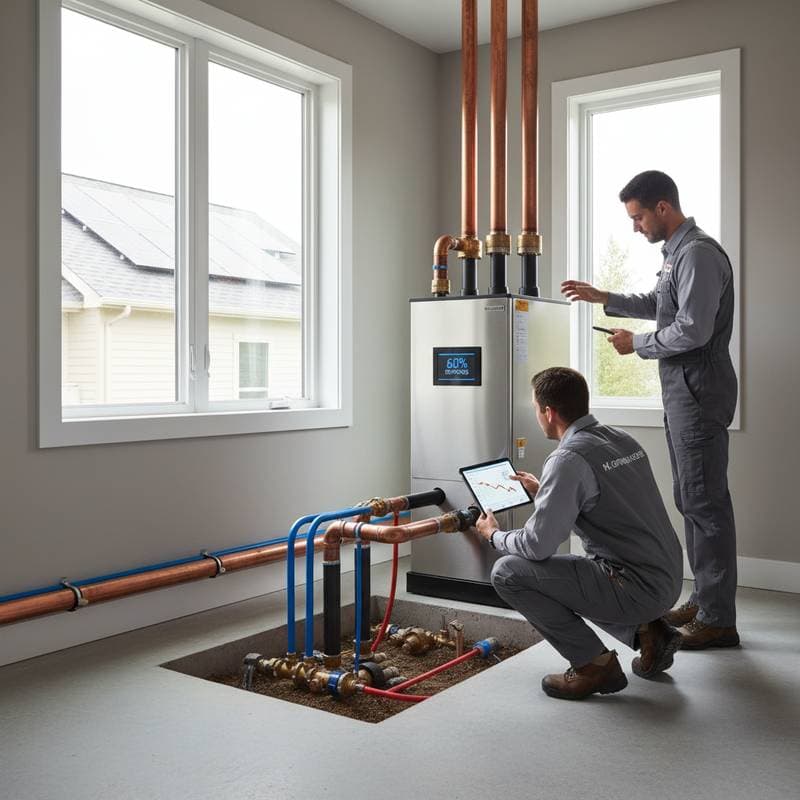
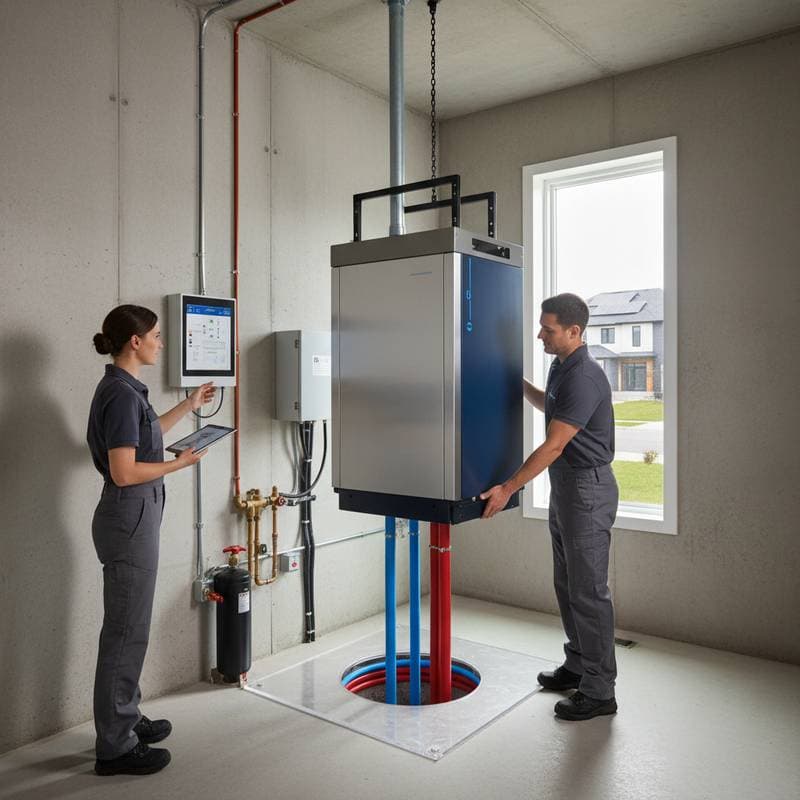
Geothermal HVAC retrofits tap into stable ground temperatures for efficient heating and cooling. Installation costs range from 18000 to 35000 dollars. Homeowners can reduce utility bills by up to 65 percent, increase property value, and recover costs within a decade.
A geothermal HVAC retrofit can cut heating and cooling costs by up to 60 percent while improving comfort and lowering emissions. This guide covers design steps, financing, and maintenance practices that make the upgrade practical in 2026.
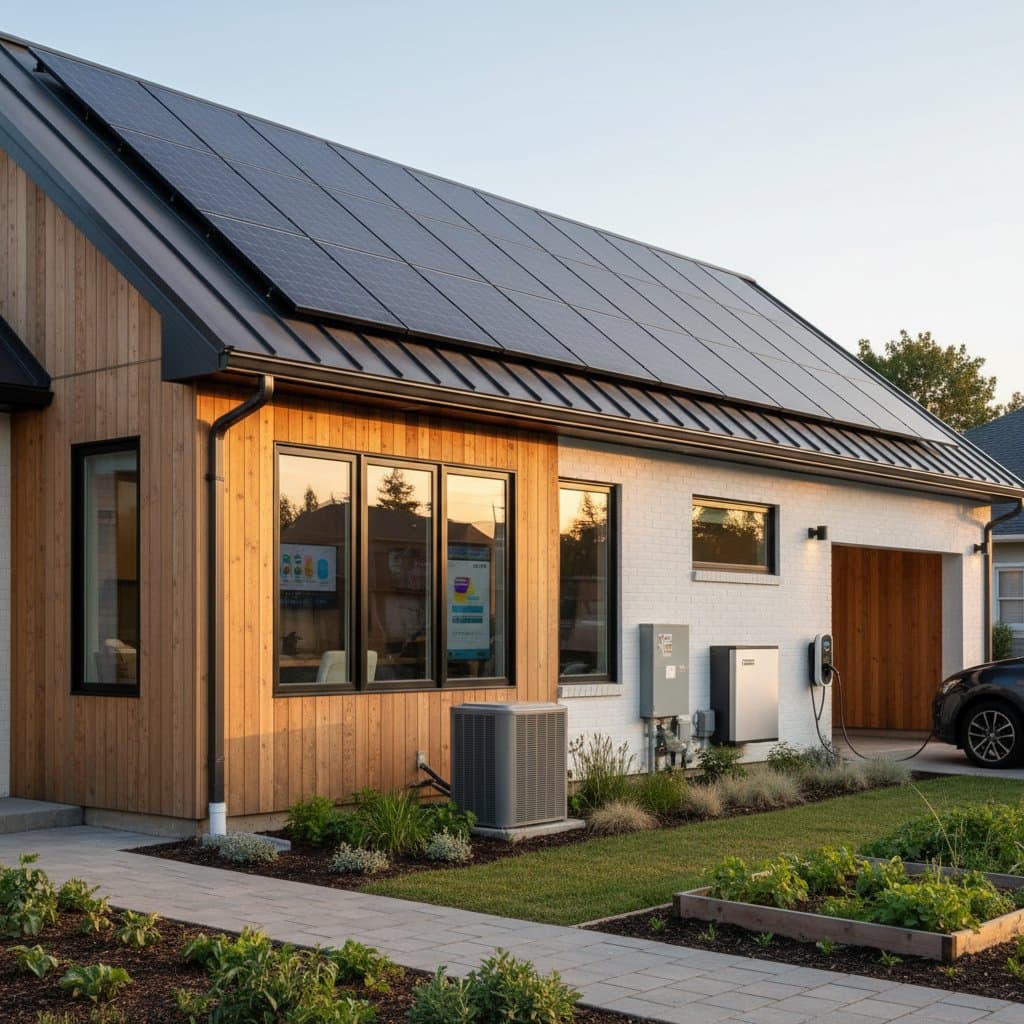
True net-zero performance requires more than solar panels. Airtight construction, deep efficiency upgrades, and coordinated electrification cut energy use, raise comfort, and increase long-term home value.
Geothermal retrofits enhance home comfort and efficiency by harnessing the earth's stable temperatures to reduce energy costs by up to 60 percent. Through careful design, soil evaluation, and available incentives, installing a ground-source heat pump provides enduring savings, dependability, and environmental benefits, positioning it as a wise choice for homeowners pursuing sustainable energy options.
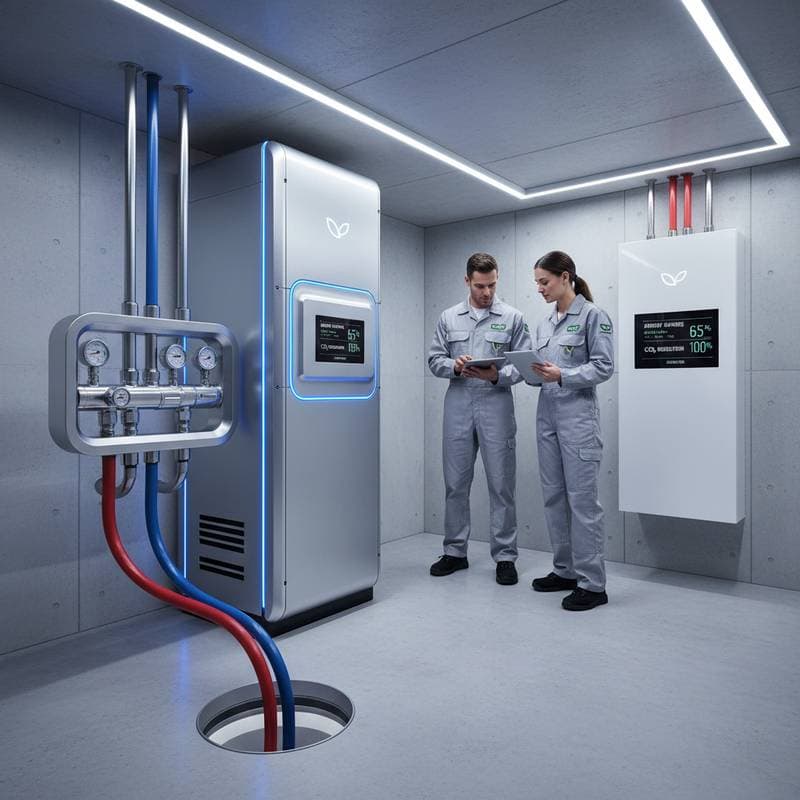
Geothermal retrofitting revolutionizes homes by leveraging earth's steady temperatures for efficient heating and cooling. Achieve up to 65% savings on bills, increase property value, and cut emissions significantly, positioning this upgrade as essential for forward-thinking homeowners in 2026.
Learn how geothermal retrofits lower energy bills up to 70%, enhance home comfort, and cut emissions. This guide covers costs, installation steps, payback periods, and key incentives to make your home more efficient with earth's renewable energy.
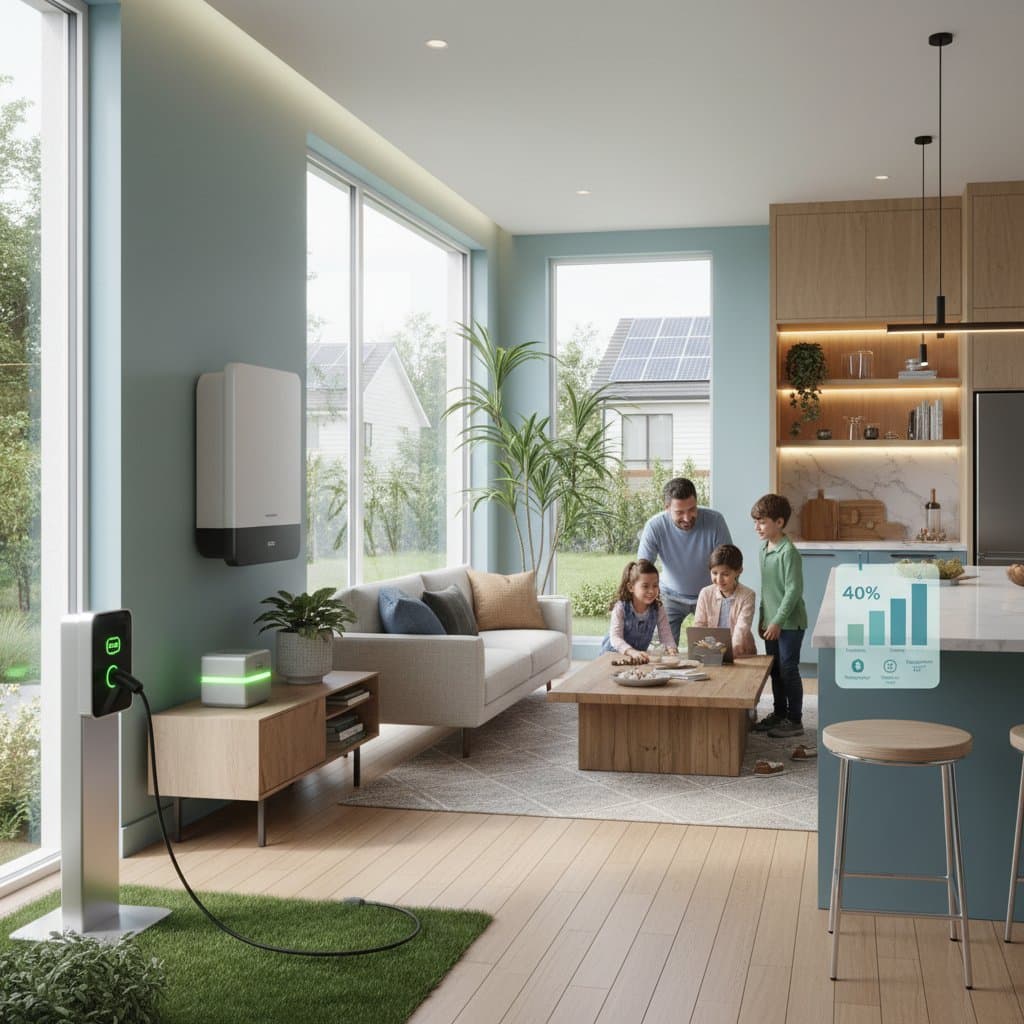
Explore 2026 tax credits that make home electrification affordable. Stack federal, state, and utility rebates for 40% savings, higher property values, and emission cuts via heat pumps, solar, and more—turning green upgrades into profitable investments.
Geothermal retrofits revolutionize home comfort and efficiency by harnessing stable underground temperatures to lower energy costs by up to 70 percent. Through meticulous design, soil evaluation, and available incentives, homeowners secure enduring savings, environmental benefits, and energy autonomy. Learn the essentials of planning, funding, and integrating these systems as a strategic investment for 2026.
Electrify your home in 2026 to create a cleaner, quieter, and more efficient living space. Learn how strategic planning, incremental upgrades, and advanced technologies reduce energy costs, improve comfort, and secure long-term savings through low-maintenance, emission-free systems.
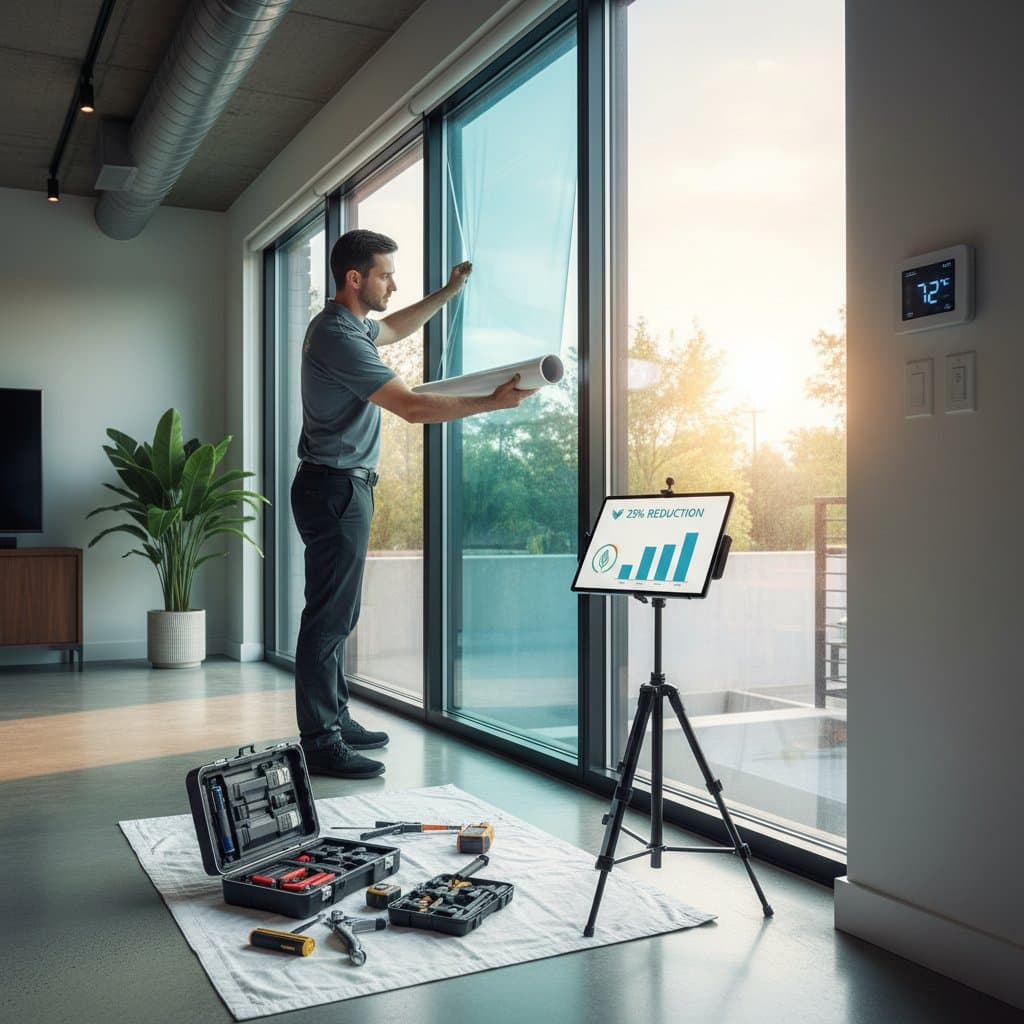
Achieve up to 25 percent savings on cooling costs through window film retrofits. These innovative solutions block solar heat, shield against UV rays, and prolong HVAC system durability, all while preserving window integrity. Easy to apply and cost-effective, they deliver lasting improvements in energy use, indoor comfort, and home equity.
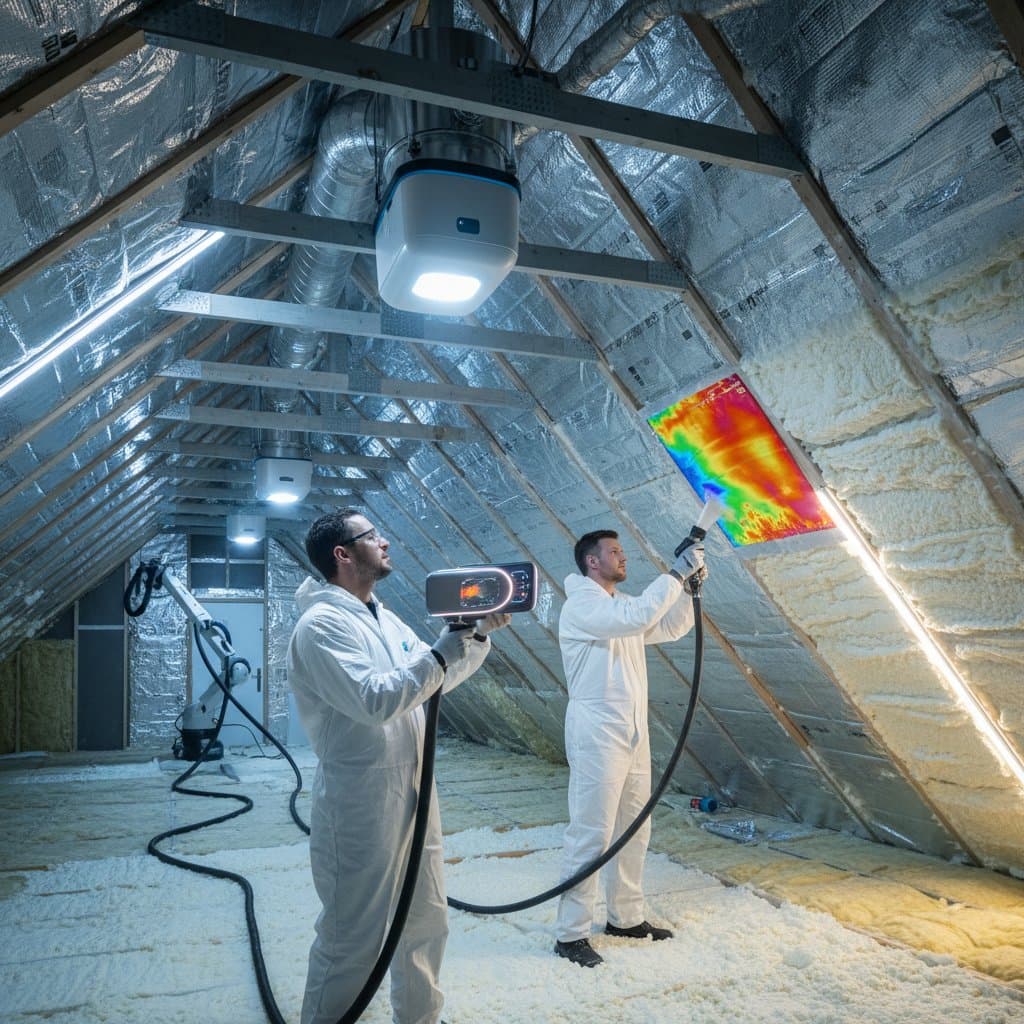
In 2025, attics represent a prime opportunity to lower energy costs. Options such as spray foam insulation, hybrid systems, reflective barriers, and smart ventilation can reduce bills by up to 30 percent. Rebates and quick payback periods make these upgrades a wise choice for comfort, savings, and environmental benefits.
Window film retrofits deliver up to 25 percent savings on cooling costs in 2025, providing an efficient, economical route to enhanced comfort and environmental responsibility. Optimal film choices, expert installation, and synergy with eco-upgrades yield cooler spaces, bill reductions, ultraviolet defense, and positive ecological effects.
Heat pump retrofits reduce energy bills by up to 60 percent, enhance comfort levels, and lower emissions, while qualifying for significant rebates and tax credits. Options from air-source to geothermal systems, combined with intelligent design and professional installation, deliver peak efficiency, rapid payback periods, and a serene, healthier living space prepared for a renewable energy era.
Explore methods to reduce home heat loss by up to 67 percent without the need for new windows. This guide covers proven retrofit approaches, including gap sealing, low-E films, and interior storm inserts, to enhance comfort, lower energy expenses, and improve overall efficiency. Turn standard windows into effective insulators for sustained warmth and financial benefits.
Retrofit window inserts lower heating expenses by up to 25 percent through superior insulation and draft elimination, all while preserving existing windows. These cost-effective, environmentally sound solutions install easily, enhance home comfort, and offer swift payback for energy-conscious homeowners.
Overhead in your attic awaits a major opportunity for energy savings. Strategic retrofits can reduce heating and cooling expenses by half, improve living comfort, and elevate home worth. Gain insights into insulation options, air sealing methods, and ventilation solutions for superior returns, eco-benefits, and enduring efficiency into 2025 and further.