Key Points
- Recycled ocean plastic tiles redefine sustainable bathroom design by integrating environmental recovery with contemporary aesthetics.
- Homeowners benefit from long-term cost savings due to the tiles' durability, low maintenance requirements, and potential increases in resale value.
- These tiles provide a practical method to decrease marine waste while delivering high-end finishes that rival traditional materials.
- Proper installation techniques, adherence to certification standards, and maintenance routines guarantee sustained performance and ethical sourcing.
Envisioning Sustainable Bathrooms
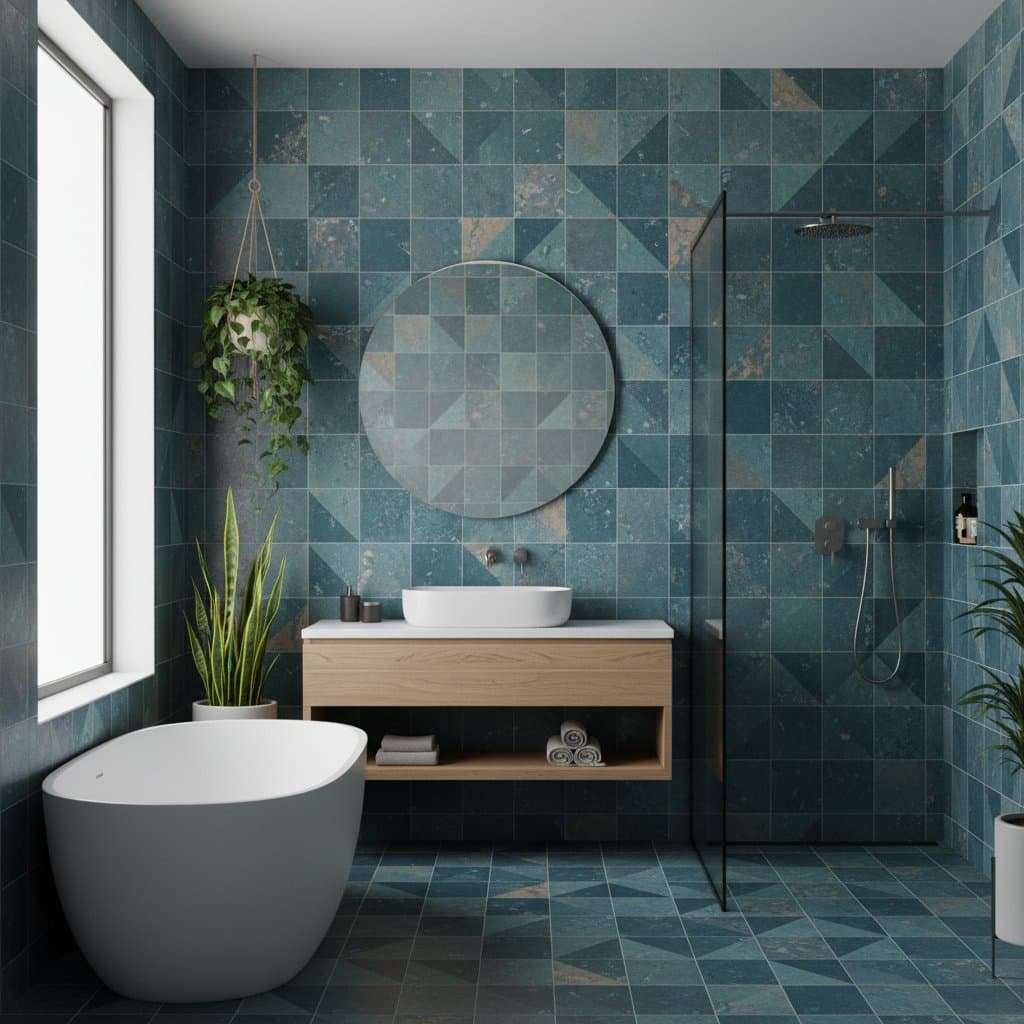
Imagine starting your day with a shower enclosed by smooth, colorful tiles recovered from ocean depths. These surfaces narrate a tale of reclamation and renewal. Recycled ocean plastic tiles now make this scenario a reality, turning bathrooms into embodiments of environmental stewardship, skilled craftsmanship, and evolving design principles.
Homeowners seeking impactful ways to minimize waste and embrace sustainable options find these tiles ideal. They blend functionality with elegance, showing that ecological advancement can feel immediate, physical, and upscale.
The Significance of Recycled Ocean Plastic Tiles
Ocean plastic pollution stands as a prominent environmental issue today. Vast quantities of discarded bottles, packaging pieces, and fishing gear enter worldwide seas each year. Plastics retrieved from these waters, previously viewed as mere trash, now transform into robust, attractive tile products.
Environmentally, every square foot of such tile equates to a tangible decrease in marine debris. Economically, these tiles represent a sound investment. They withstand moisture damage, color loss, and fractures, which lowers expenses for future repairs. Homeowners appreciate how these choices align personal principles with reliable performance and visual appeal.
The Process of Creating Recycled Ocean Plastic Tiles
The production of recycled ocean plastic tiles involves a precise method that combines waste collection with sophisticated fabrication. Collection starts with ocean cleanup efforts that gather assorted plastics from shorelines and open seas. Following sorting, thorough cleaning, and shredding, the plastics melt at controlled temperatures to achieve consistent texture and durability.
Producers frequently mix high-density polyethylene and polypropylene, among the most reliable plastics, to form the core material. They add pigments and minerals to improve color retention and surface toughness. This yields lightweight, impermeable tiles that replicate the look of ceramic or stone, but with a reduced environmental impact compared to extraction and high-heat firing.
Rigorous testing for slip resistance, tensile strength, and water absorption confirms reliability. Numerous companies pursue independent certifications that confirm the proportion of recycled content, promoting trust and accountability.
Essential Technical Benefits
- Moisture Resistance: Impermeable surfaces inhibit mold and mildew, vital in steamy bathroom settings.
- Weight and Installation Ease: Lighter than stone or ceramic, these tiles facilitate simpler transport and fitting.
- Thermal Stability: Treated recycled plastics hold shape amid temperature fluctuations.
- Design Versatility: Options include matte, glossy, or textured surfaces, with colors from natural or recycled sources.
Evaluating Cost, Performance, and Overall Value
Initial expenses for recycled ocean plastic tiles align with mid-tier ceramic and upper-end porcelain ranges. A typical bathroom update may incur 15 to 30 percent more in installation than basic ceramic, yet yields returns via lower upkeep and prolonged service life.
Assess cost-effectiveness through these elements:
- Durability: Tiles preserve appearance and structure for decades, cutting down on replacements.
- Energy Efficiency: Insulation qualities aid in maintaining steady bathroom temperatures, easing heating needs.
- Market Appeal: Eco-materials enhance property desirability, with certified green homes attracting premium offers from buyers.
Strategic use of recycled tiles in renovations can elevate perceived home value by 5 to 10 percent for environmentally aware purchasers, varying by location.
Exploring Design Options
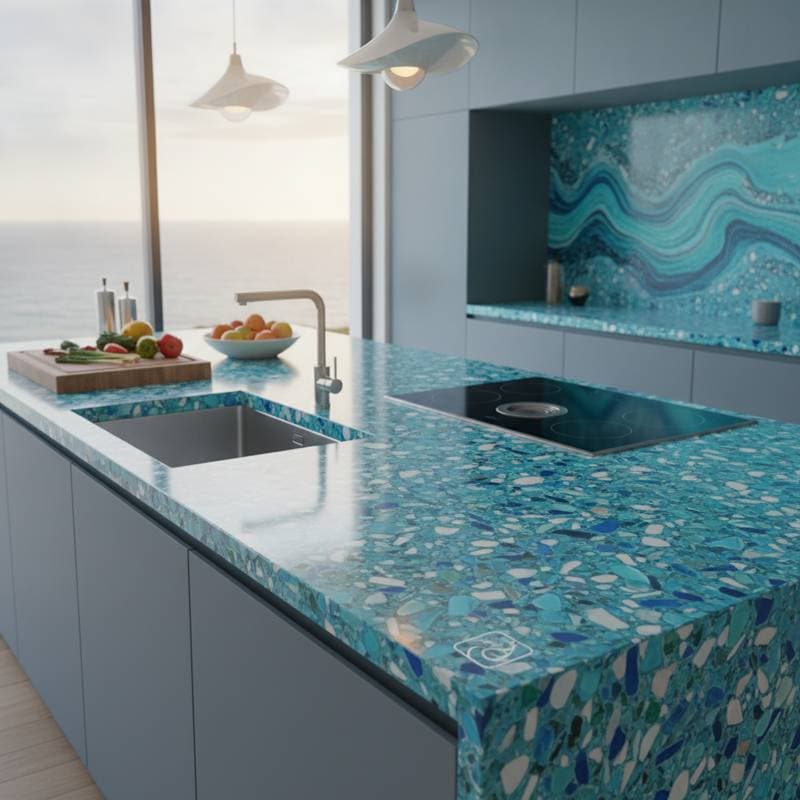
Recycled ocean plastic tiles adapt to diverse styles, from serene coastal themes to sleek urban minimalism. Fabricators process plastics to produce veined patterns resembling marble, speckled terrazzo looks, or light-diffusing translucent effects.
Trending Design Styles
- Coastal Serenity: Gentle blues, whites, and beige tones capture seaside tranquility, echoing the tiles' marine roots.
- Industrial Luxe: Rich charcoals or matte blacks deliver refined contrast, suited to modern urban interiors.
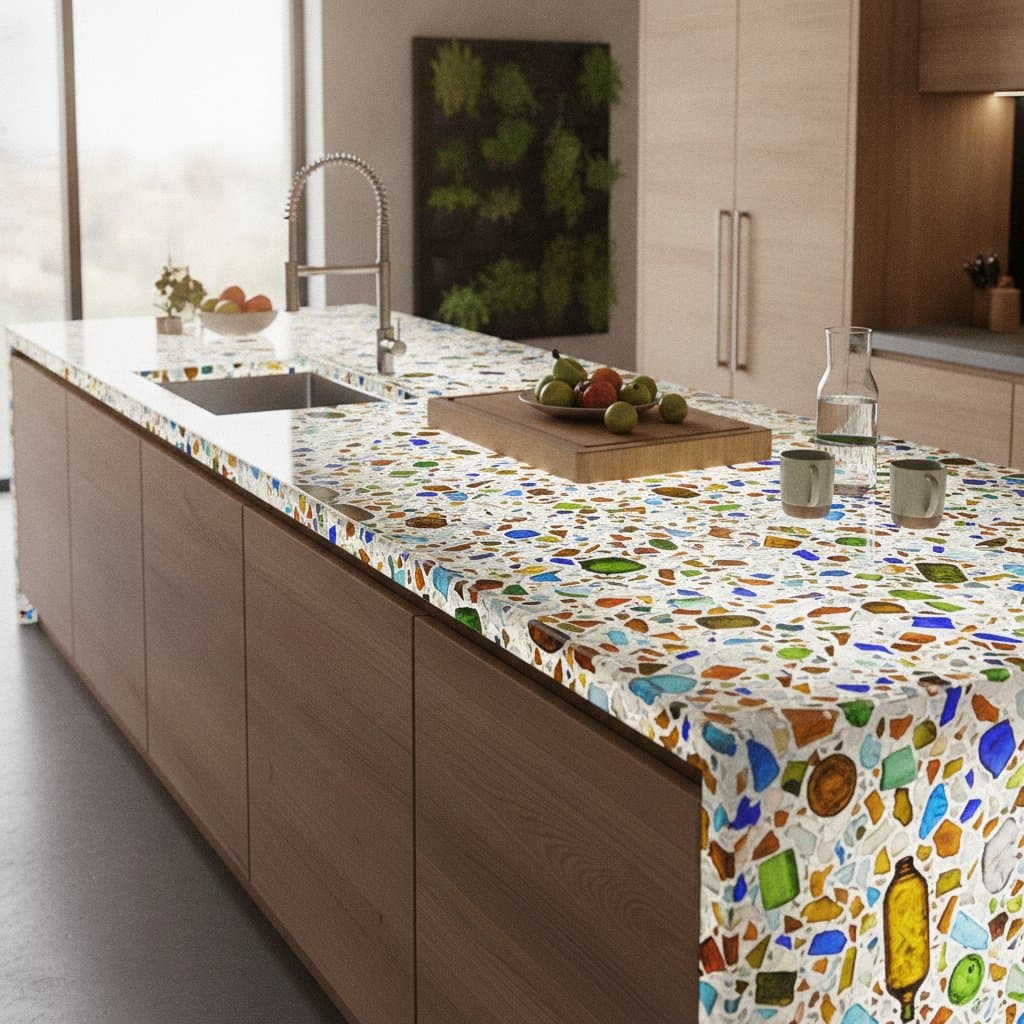
- Vibrant Mosaic: Colorful recycled bits set in clear resin form lively, artistic displays.
Their light weight and cuttability enable intricate layouts like herringbone, offset bricks, or geometric mosaics. Combine with salvaged wood cabinets or water-saving fixtures to amplify the eco-theme throughout the space.
Environmental and Community Contributions
Beyond aesthetics, each tile embodies a sequence of beneficial actions, from cleanup teams to local economies and conscientious producers. Selecting verified ocean plastic products supports circular systems that reuse resources.
Experts stress that genuine sustainability encompasses more than composition. It involves fair labor, equitable trade, and clear supply paths. Endorsements from established eco-groups confirm that plastics come from authentic ocean recoveries, not rerouted factory scraps.
Key Advantages
- Waste Reduction: Producing one thousand square feet of tile diverts hundreds of pounds from ocean habitats.
- Lower Emissions: Processes use far less energy than ceramic production, potentially slashing carbon by up to 60 percent.
- Local Empowerment: Cleanup programs often hire regional workers, bolstering coastal livelihoods and awareness.
Practical Installation and Care
Recycled ocean plastic tiles handle easily, but precise fitting secures longevity and uniformity. Prepare the base like for ceramic: ensure it levels flat, cleans thoroughly, and dries completely. Use adhesives modified with polymers, designed for nonporous substrates.
Plastics expand modestly with heat, so allow gaps and choose flexible grouts. Experts suggest epoxy or urethane options that flex without breaking.
Care requires minimal effort. Clean with gentle detergent and a soft cloth. Steer clear of abrasives or strong chemicals to protect the surface. No sealing proves necessary, unlike absorbent stone, which trims ongoing expenses.
Routine Care Guide
- Clean surfaces weekly using pH-balanced solutions.
- Check grout lines regularly for integrity and dirt buildup.
- Keep direct high heat away from tiles.
- Return scraps or flawed pieces to recycling drives when feasible.
Answering Frequent Concerns
Are these tiles suitable for indoor applications?
Yes. Manufacturing cleans, sterilizes, and stabilizes the plastics. They comply with indoor air standards and release few volatile substances.
Do they work in showers or damp zones?
Yes. Nonporous qualities suit wet areas perfectly. Seal joints adequately to uphold water resistance.
How do they stack up against ceramic for longevity?
They endure cracks and impacts better thanks to pliability, though scratches occur more readily from rough use. In typical home bathrooms, differences remain small over time.
Will colors fade or change?
Premium versions use UV-stable pigments for lasting hues. Direct sun might prompt minor shifts after years, akin to conventional tiles.
Can they recycle again post-use?
Yes. Grind and remanufacture them into fresh items, perpetuating the loop.
Trends in Sustainable Building
Eco-materials have shifted from specialty items to standard choices. Buyers now prioritize green features in homes. Professionals in construction and renovation see sustainable options as key differentiators in crowded markets.
Recycled ocean plastic tiles align seamlessly with this evolution. They fuse creative design with moral manufacturing. As interest grows, supply improves, costs ease, and varieties multiply.
Professionals in commercial spaces, like hotels and stores, adopt these tiles, indicating lasting popularity. Homeowners gain from wider access, broader palettes, and skilled local fitters.
Steps to Implement Recycled Ocean Plastic Tiles
Begin your project with research on trusted providers who document sourcing and production. Seek proof of recycled content and guarantees. Test samples in different lights to confirm shades and textures.
In planning finances, account for gains from less maintenance and longer durability. Engage installers experienced in composites for optimal adhesive and grout choices. Balance visuals and feels when mixing materials to avoid monotony.
For phased updates, apply tiles to one accent wall or shower area to highlight their narrative and style. Every placement signals dedication to ocean health and mindful habits.
Sustainable bathrooms transcend mere preservation. They craft environments of rebirth, strength, and contemporary allure. Opting for these tiles asserts guardianship, where opulence and duty unite seamlessly in daily spaces.