The Everyday Water Challenge in Home Remodeling
Home remodeling projects typically focus on aesthetics and functionality, such as updated kitchens or spacious bathrooms. However, these upgrades often overlook a significant resource: the water wasted from daily activities. Showers, sinks, and washing machines produce greywater, which consists of lightly used water without sewage contamination. Directing this water to sewers represents a lost chance for savings and sustainability.
In residential settings, water usage stands out as an overlooked expense. Professional greywater recycling systems address this by capturing and repurposing water, potentially reducing overall household consumption by 50 percent. This approach transforms standard remodels into efficient, forward-thinking investments.
Financial and Environmental Advantages of Greywater Recycling
Municipal water treatment and delivery incur substantial costs, which households bear through utility bills. Diverting greywater from sewers decreases charges for both incoming water and wastewater removal. Local rates vary, but savings often reach several hundred dollars annually for average families.
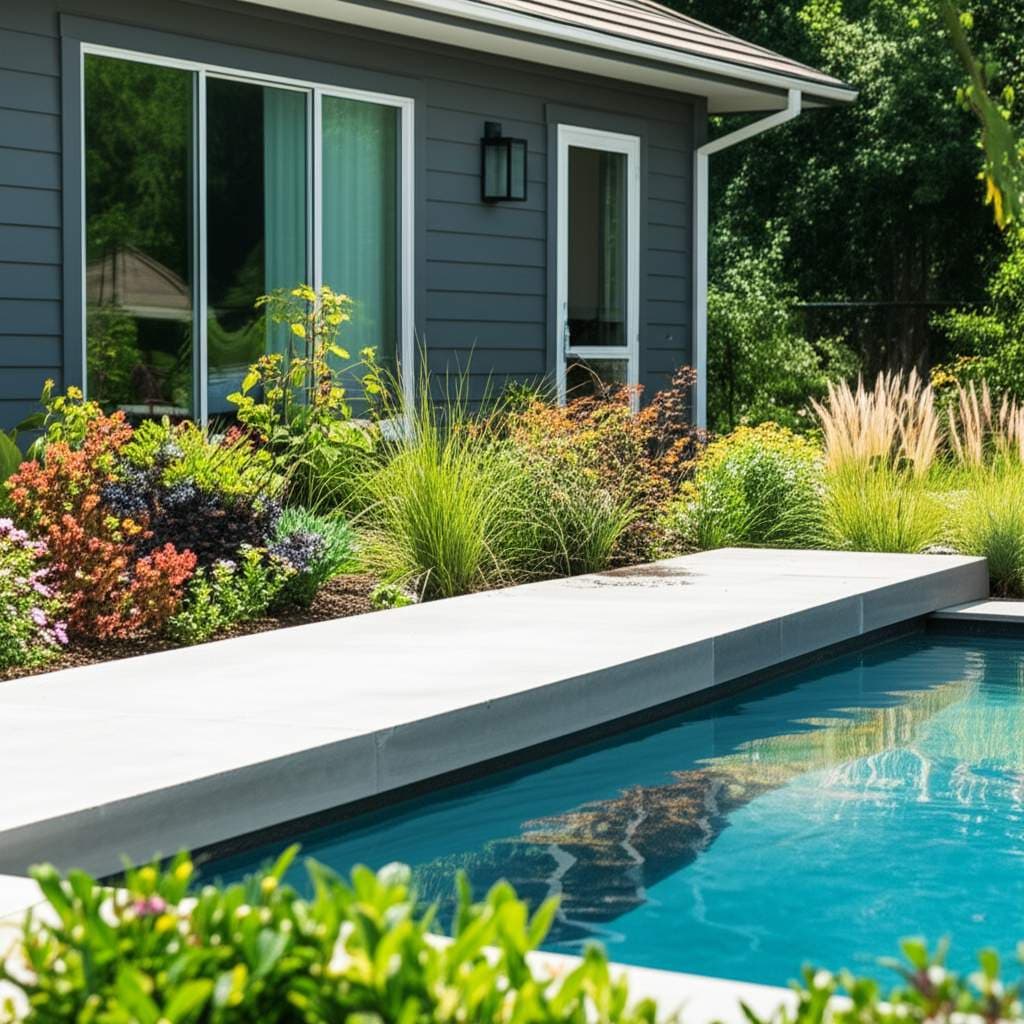
Environmentally, greywater reuse eases the load on municipal facilities, preserves freshwater sources, and maintains vibrant landscapes in arid conditions. Builders incorporating these systems appeal to eco-conscious buyers, elevating home resale value. Pairing greywater with energy-saving appliances and native plants amplifies these gains.
How Greywater Systems Function
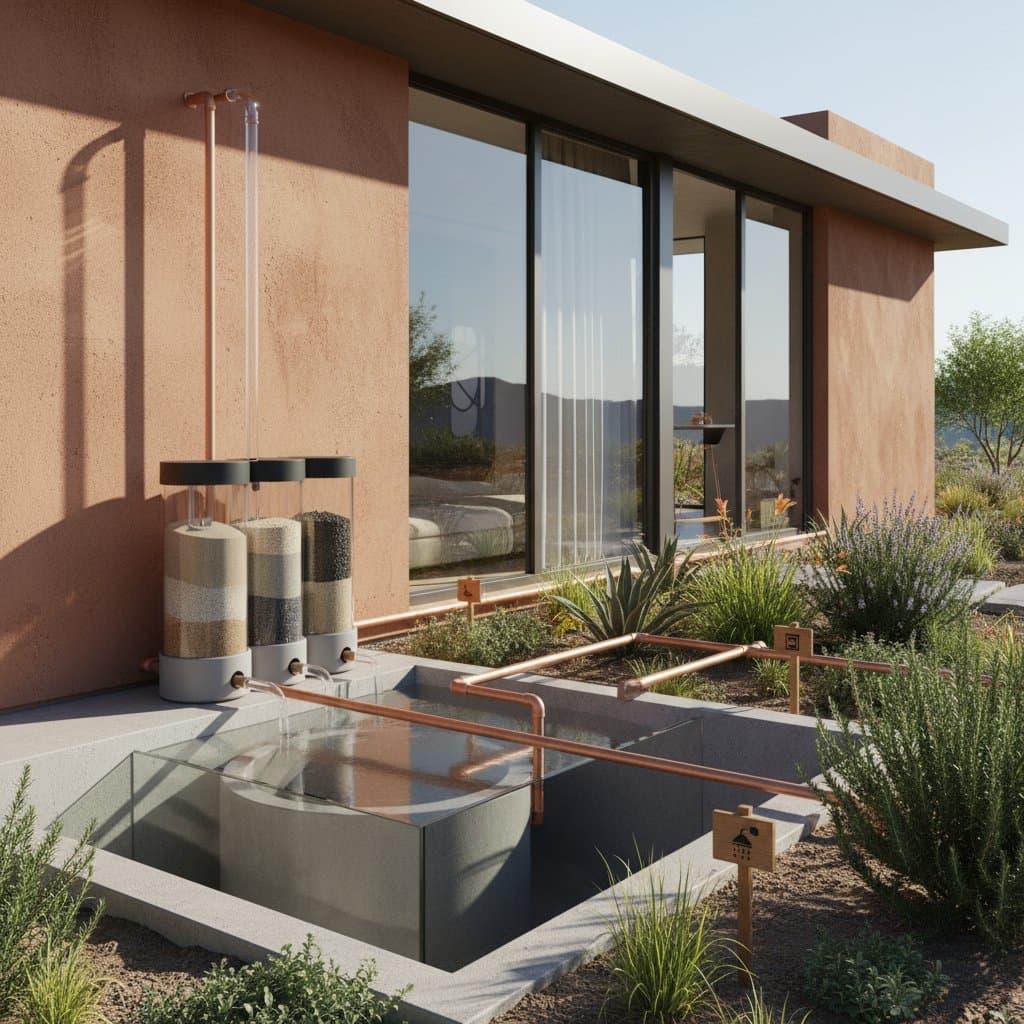
Greywater systems operate via a simple, reliable process. Plumbing captures water from sources like showers, bathtubs, and laundry before it joins the main sewer line. Initial filtration removes debris such as lint and hair, followed by disinfection to prepare the water for non-potable applications like toilet flushing or outdoor irrigation.
Essential System Components
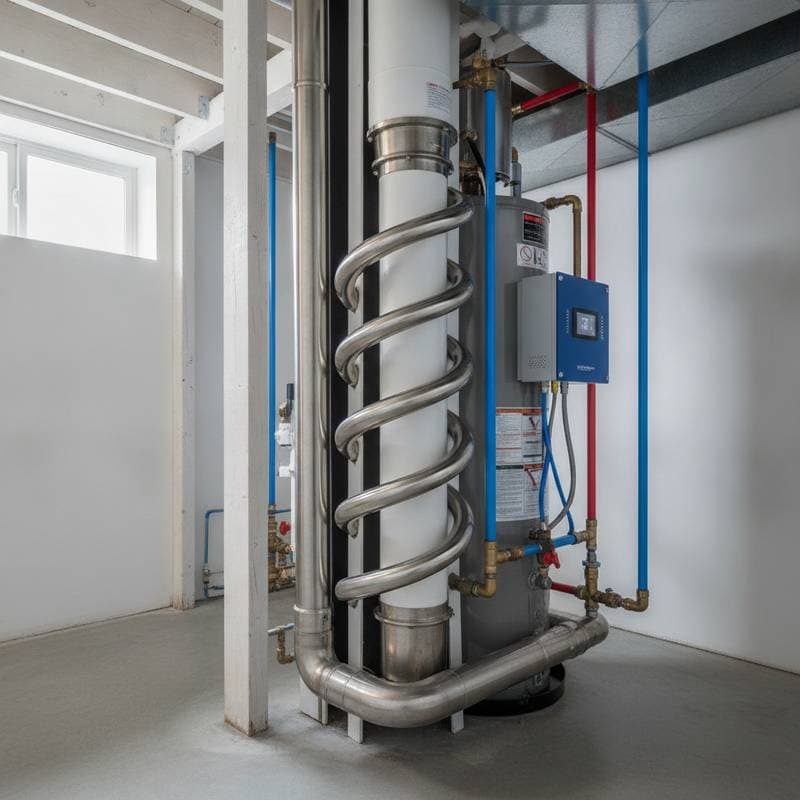
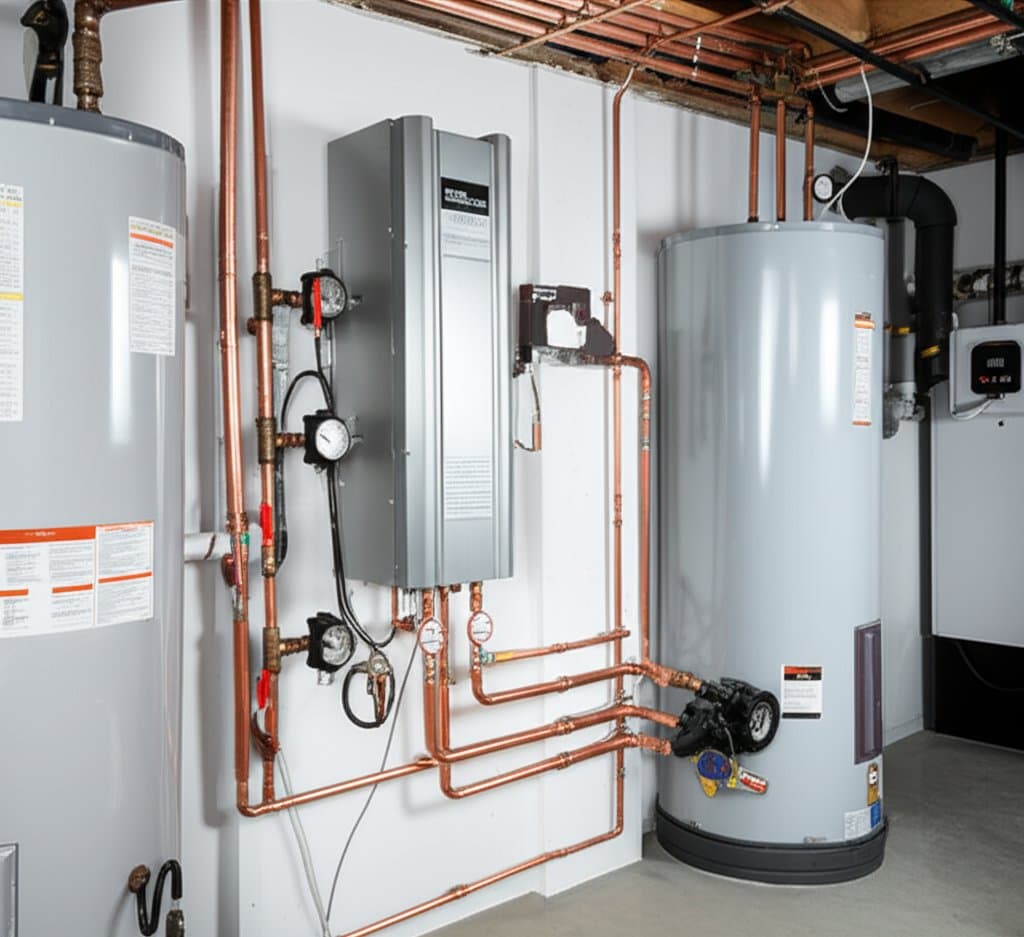
- Collection lines: Dedicated pipes that isolate greywater from sewage to maintain hygiene.
- Filtration unit: Screens and settles solids to avoid blockages and maintain water quality.
- Storage tank: Securely holds processed water for immediate or delayed use.
- Distribution pump: Delivers water efficiently to end points, such as irrigation zones or fixtures.
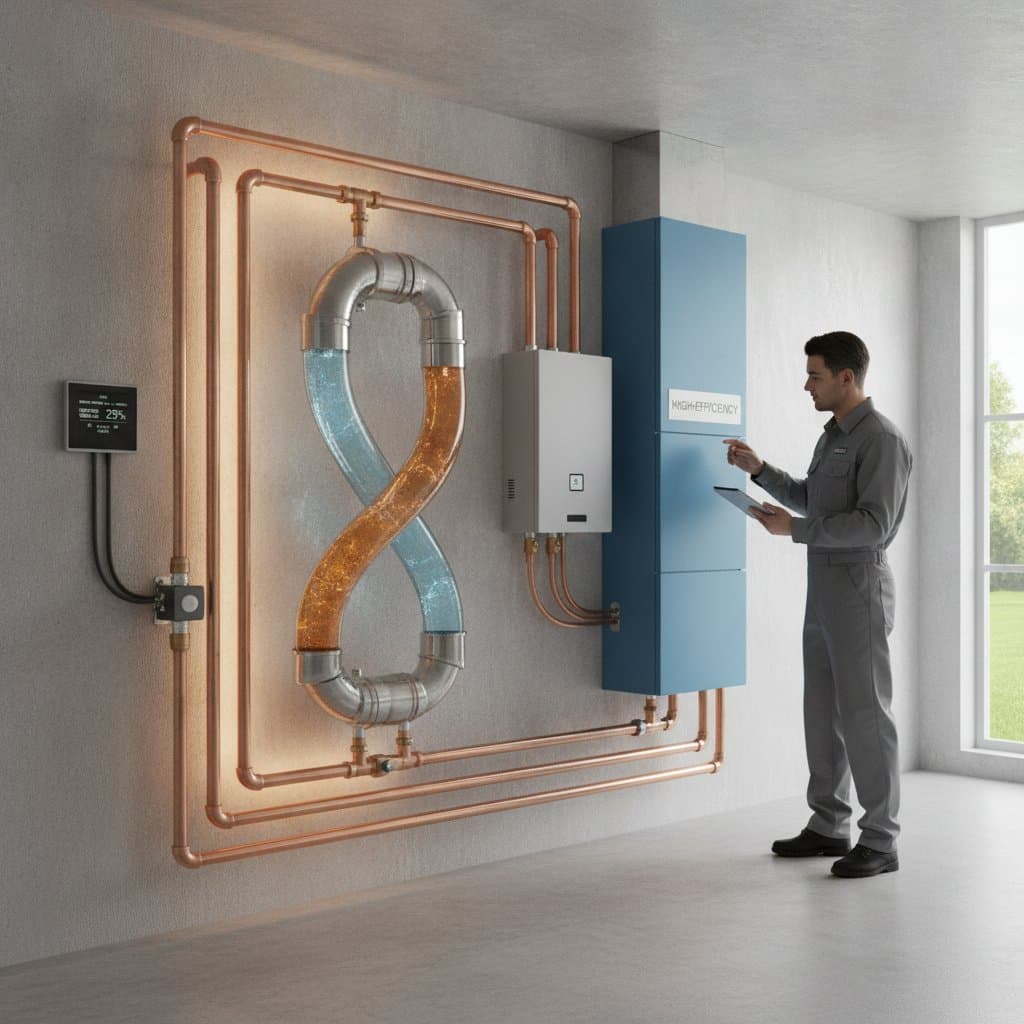
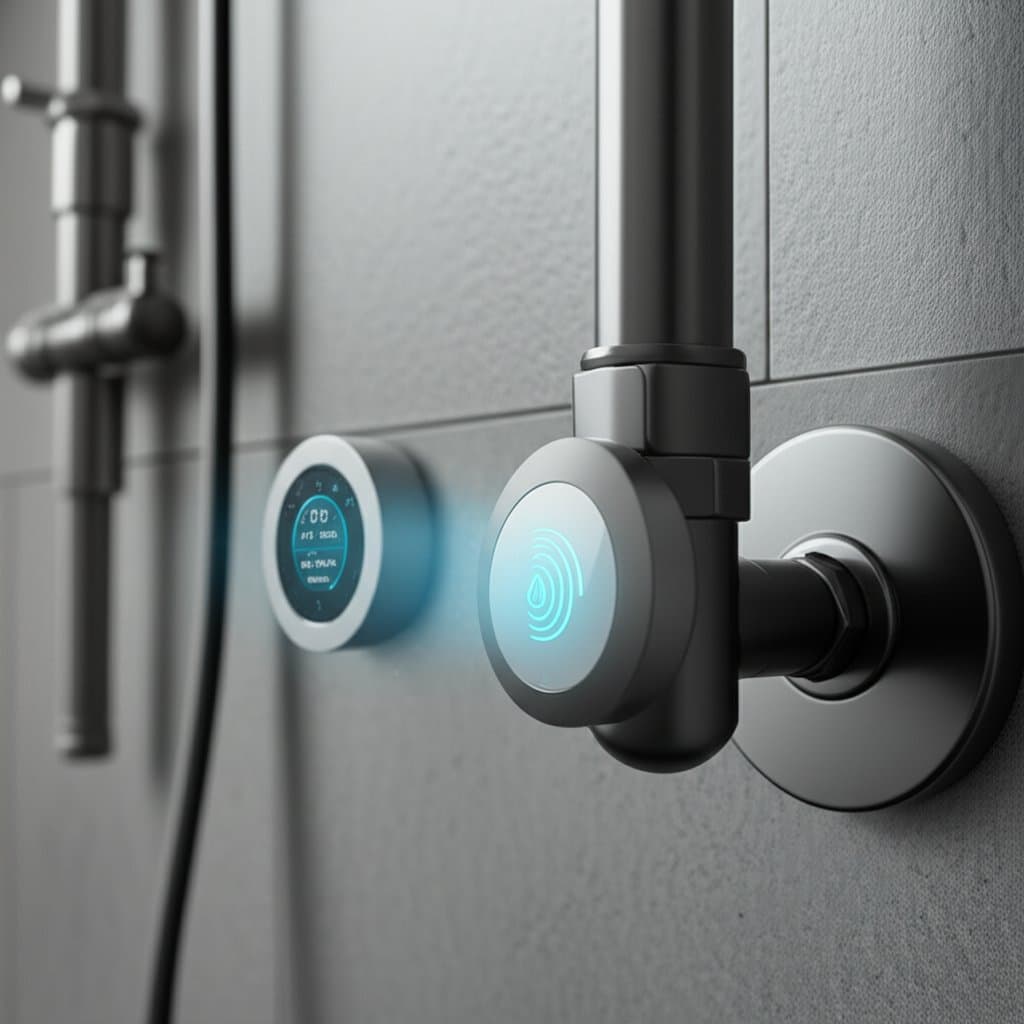
Options range from compact units for one area, like a laundry room, to comprehensive whole-home setups ideal for remodels. Modern systems include sensors for real-time monitoring of water purity and volume, which simplifies upkeep and ensures reliability.
Installation Costs, Efficiency, and Return on Investment
A straightforward laundry-to-irrigation setup might cost between $2,000 and $5,000, depending on materials and labor. Whole-home installations can range from $10,000 to $20,000 or more, influenced by home size and complexity. Efficiency typically yields 30 to 50 percent reductions in water bills, with payback periods of three to seven years based on usage patterns and regional pricing.
Combining greywater with low-flow showerheads, faucets, and permeable paving enhances overall performance. Long-term, these systems build resilience against water rationing, safeguarding home equity. Many areas offer rebates up to 50 percent of costs through utility programs or green building incentives, accelerating financial recovery.
Ensuring Health, Safety, and Compliance
Properly engineered greywater systems pose no health risks. Separation from drinking water supplies remains paramount, achieved through distinct piping and safeguards. Local regulations often mandate visible labels on lines, backflow preventers, and documented maintenance schedules.
Engage licensed plumbers versed in greywater standards for installation. Regular tasks include replacing filters every three to six months and inspecting tanks annually to sustain performance. For landscape use, employ drip or subsurface irrigation to minimize human or crop exposure. In toilet applications, UV treatment or chlorination aligns greywater quality with public reclaimed water benchmarks.
Selecting the Appropriate System Size
Assess your home's needs before committing. A basic retrofit, such as rerouting washing machine output to garden beds, suits modest budgets and yields quick wins. Extensive remodels or additions provide opportunities for scalable designs, like modular plumbing that accommodates future expansions.
Consider factors such as family size, yard area, and water rates. Start small if uncertain; many systems allow upgrades without major disruptions. Align the choice with your commitment to sustainability, ensuring the setup delivers proportional benefits.
Steps to Integrate Greywater into Your Remodel
Begin by tracking your household water habits over a week, noting volumes from high-use sources like laundry and bathing. Calculate potential savings using online tools from water authorities, then define reuse targets, such as 40 percent diversion for irrigation.
Consult a sustainable design specialist to review site plans, soil conditions, and code compliance. Obtain permits early to avoid delays. During construction, prioritize accessible access points for future servicing.
Beyond personal gains, greywater adoption contributes to regional water stability. Each conserved gallon reduces demand on shared resources, fostering community-wide resilience and stewardship.