Hempcrete: A Carbon-Sequestering Insulation for Sustainable Building
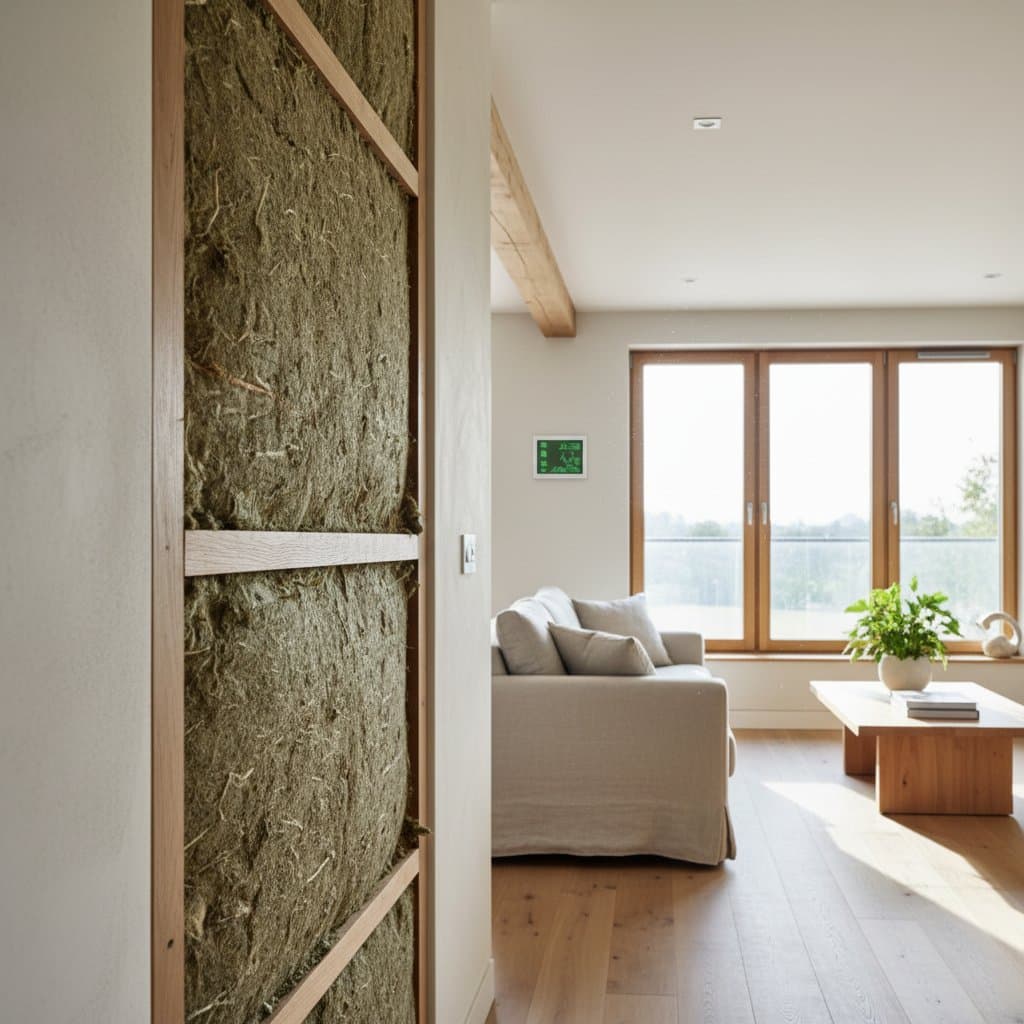
Hempcrete offers a bio-based alternative to conventional insulation. This material combines the woody core of the hemp plant with lime and water to form a lightweight composite. It functions as a carbon sink while providing thermal regulation and moisture control in buildings.
Performance Characteristics
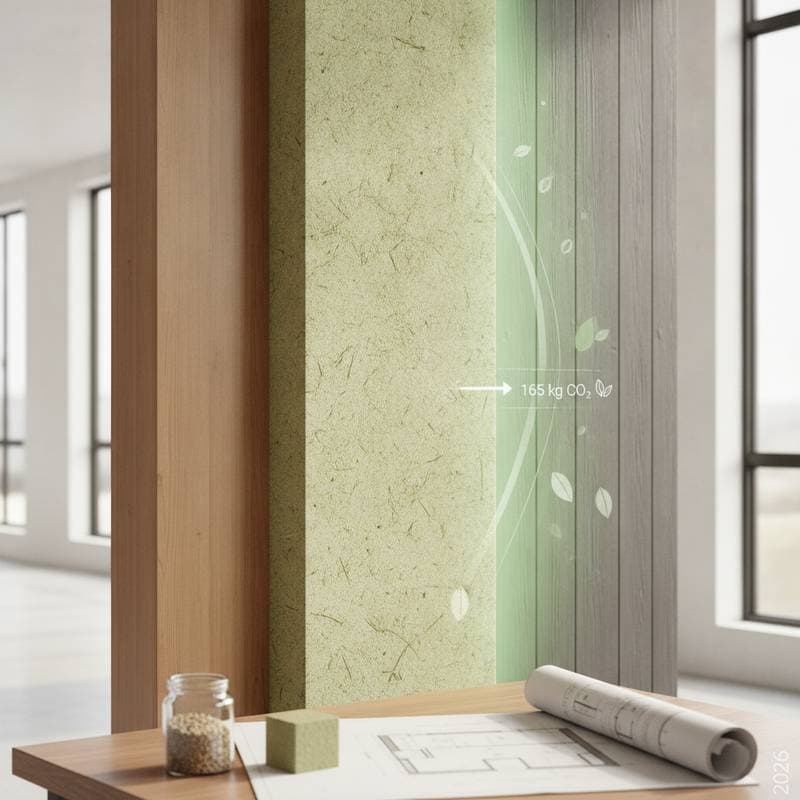
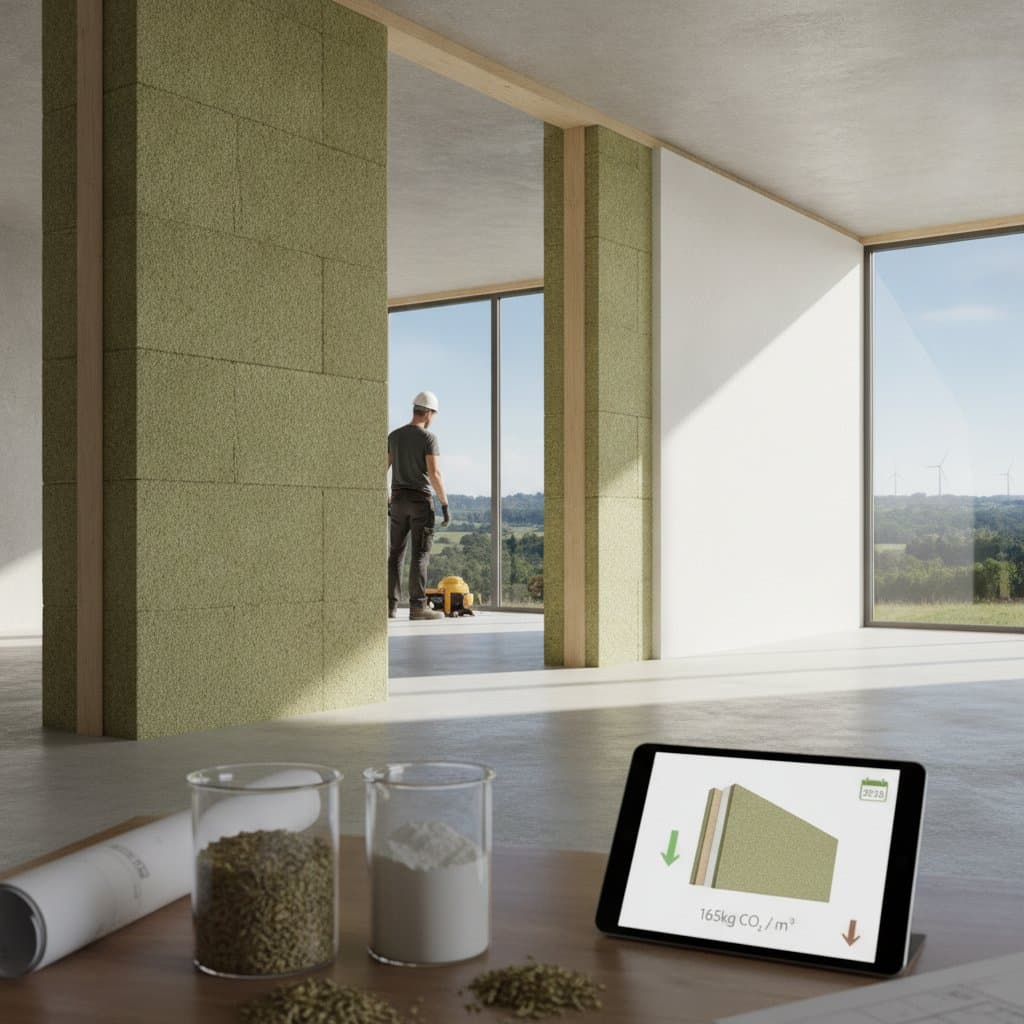
- Hempcrete sequesters up to 165 kilograms of CO2 per cubic meter during its life cycle.
- Installation costs exceed those of traditional insulation by 15 to 25 percent, yet energy savings and durability offset expenses over time.
- Hemp cultivation requires minimal water and no pesticides, which supports rapid crop cycles.
- The lime and hemp matrix delivers strong thermal and acoustic performance along with natural humidity regulation.
- Structures built with hempcrete endure for centuries and allow full recycling at end of life.
Composition and Carbon Capture Process
Hempcrete forms through mixing hemp hurd with a lime binder and water. The mixture serves as non-load-bearing infill within wood or steel frames. Carbon removal occurs in two phases. The hemp plant captures CO2 during growth. The lime binder continues absorption through gradual carbonation as it hardens.
Production analysis shows emissions near 110 kilograms of CO2 per cubic meter against sequestration levels that reach 275 kilograms. This balance creates a net negative carbon profile uncommon among building materials.
Comparison with Standard Insulation Options
Synthetic insulations such as fiberglass and polystyrene carry high embodied carbon from fossil fuel origins. Hempcrete instead draws from agricultural sources and mineral binders. The following table outlines key differences.
| Property | Hempcrete | Fiberglass | Polystyrene Foam |
|---|---|---|---|
| Thermal Resistance (R-value per inch) | 2.1 to 2.5 | 3.0 to 3.7 | 3.5 to 4.0 |
| Embodied Carbon | Negative | High | Very High |
| Vapor Permeability | High | Low | Low |
| Fire Resistance | Excellent | Moderate | Poor |
| Recyclability | 100 percent | Limited | None |
Lower R-value per inch is offset by breathability that reduces condensation risks and improves overall building efficiency.
Practical Applications and Project Economics
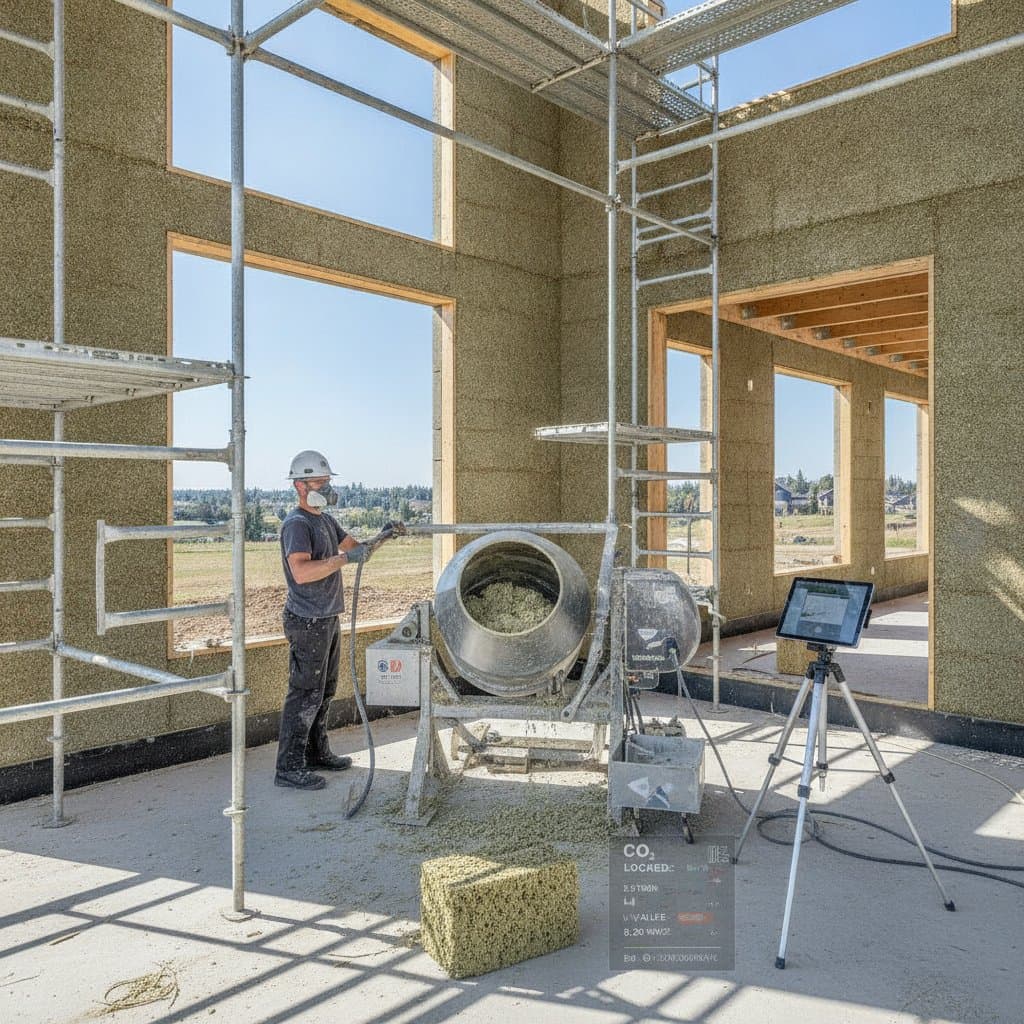
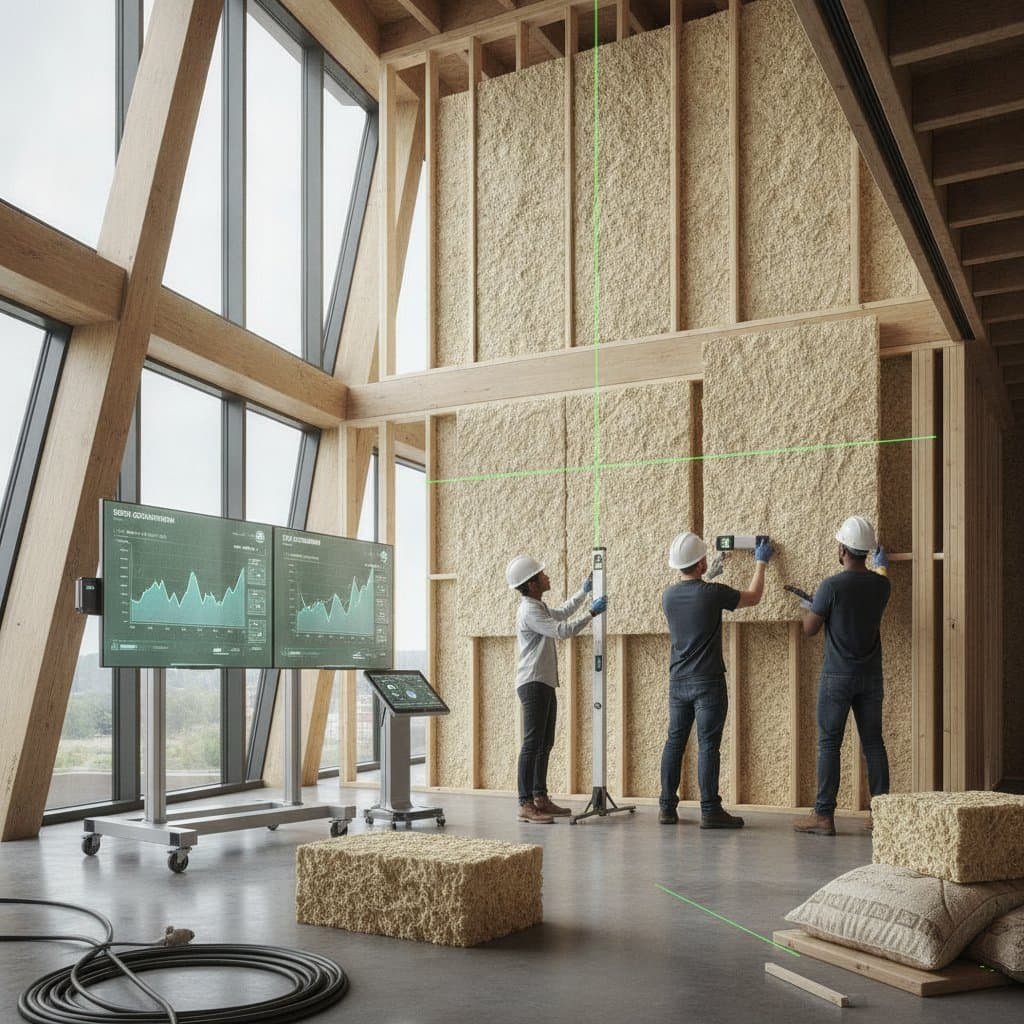
Builders apply hempcrete as wall infill or roof insulation in homes and small commercial buildings. A project using 300 cubic meters sequesters nearly 50 tons of CO2. Installation proceeds by spray or hand casting without specialized protective equipment.
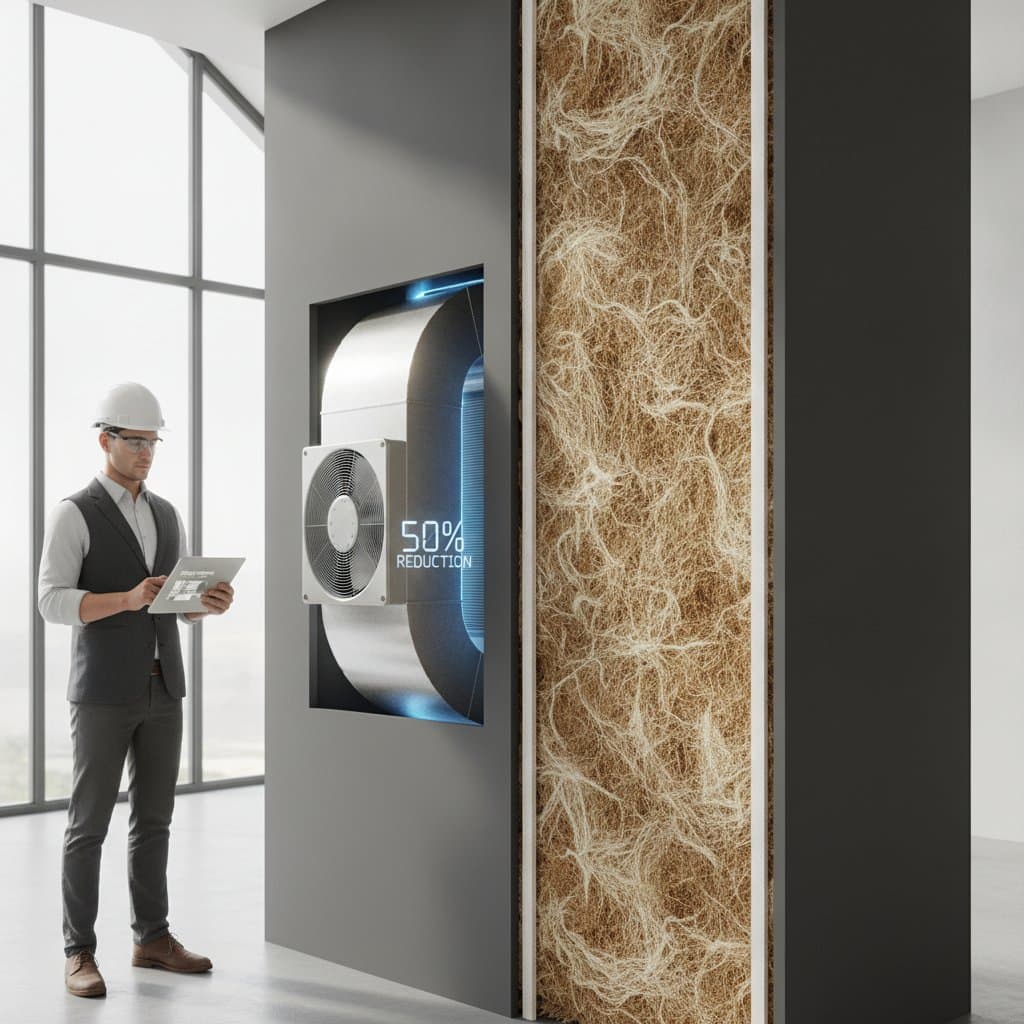
Long-term returns arise from several sources. Heating and cooling expenses drop 30 to 50 percent. Resistance to fire, mold, and pests lowers maintenance needs. Carbon credit programs and insurance discounts further improve financial outcomes. Market growth exceeds 15 percent annually as supply chains expand.
Addressing Adoption Challenges
Standardized building codes remain limited in many areas. Processed hemp hurd supply also lags behind demand. Solutions include policy updates for code recognition, expanded training programs in trade schools, and regional processing centers that cut transport distances.
Selecting Hempcrete for New or Retrofit Work
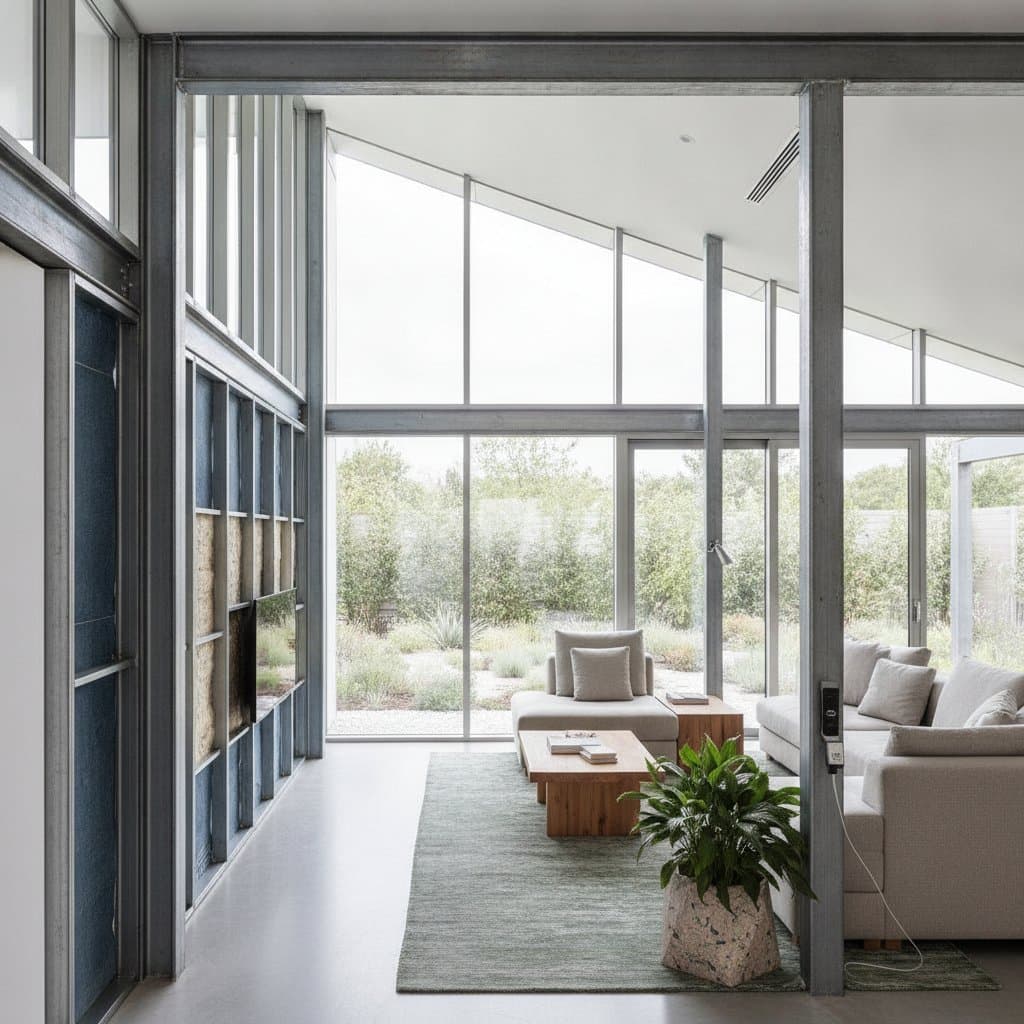
Confirm that the project allows non-load-bearing infill. Engage a certified installer familiar with local requirements. Specify consistent hemp hurd particle size and a dedicated lime binder. Allow several weeks for curing before applying breathable finishes.
Retrofit projects benefit from internal wall or roof applications that enhance efficiency without structural changes.
Implementing Hempcrete in Carbon-Conscious Design
Hempcrete supports a shift toward materials that actively reduce atmospheric carbon. Its agricultural origin, durable service life, and benign end-of-life profile align with circular construction principles. Developers and homeowners gain both environmental and operational advantages through informed material selection.