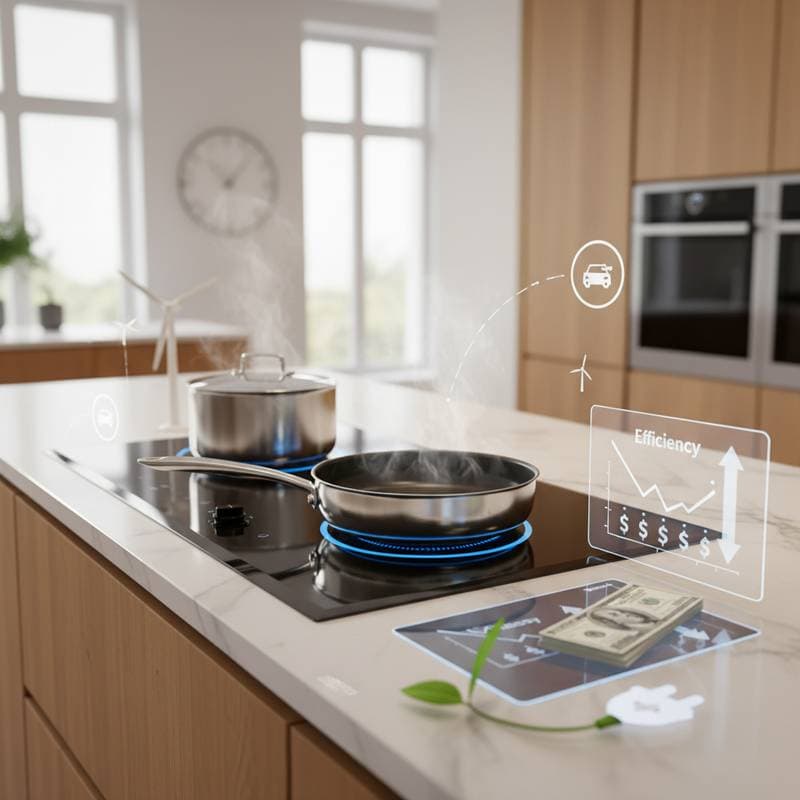
Electric Appliances Cut Home Energy Costs 30 Percent
Replace gas systems with efficient electric appliances to lower energy bills by up to 30 percent. Discover targeted upgrades, realistic costs, and steps that improve comfort and reduce emissions.
Loading...
Articles tagged with cooking
Replace gas systems with efficient electric appliances to lower energy bills by up to 30 percent. Discover targeted upgrades, realistic costs, and steps that improve comfort and reduce emissions.
Induction retrofits deliver faster cooking and substantial rebates that reduce upfront costs. Improved efficiency, lower bills, and better indoor air quality allow most homeowners to reach payback within three to seven years when projects are planned carefully.
Switching from gas to electric cooking delivers cleaner air, lower utility bills, and future-ready homes. Induction boosts efficiency while cutting pollution. Planning ahead secures rebates and long-term savings for sustainable kitchens.
Federal tax credits now make all-electric home upgrades affordable. Homeowners can reduce upfront costs by up to half on heat pumps, water heaters, and cooktops while achieving lower utility bills and improved comfort.
Homeowners are rapidly trading gas for electric living, drawn by lower bills, cleaner air, and modern comfort. From efficient heat pumps to induction cooktops, electric systems deliver high performance and health benefits while cutting emissions. Incentives, technology advances, and sustainability goals make the electric home revolution both practical and inevitable.
Upgrade your residence to an energy-smart sanctuary through targeted electrification of essential systems. Options such as heat pump water heaters and induction cooktops, combined with thoughtful planning, deliver cost reductions, elevated comfort, and superior air quality. Discover how to leverage incentives, sustainable designs, and strategic enhancements to safeguard your home against future energy challenges while minimizing emissions and securing enduring financial benefits.
Transition away from gas to save significantly. Explore how heat pumps, induction cooktops, and efficient water heaters can reduce energy costs by up to 60 percent. Gain insights into incentives, planning strategies, and design approaches that render all-electric living affordable, secure, and aesthetically pleasing.
Unlock savings with 2026 home electrification incentives. This guide details tax credits and rebates for heat pumps, induction cooking, and more, helping you plan upgrades that lower costs, improve efficiency, and reduce environmental impact.
Replacing gas appliances with electric options lowers energy bills, increases comfort levels, and purifies indoor air. Emerging rebates and technologies like heat pumps and induction cooking enable up to 25 percent annual savings and lower emissions. Explore electrifying your residence by 2026 for sustainable, cost-effective, and resilient home living.
Electrifying your home by 2026 reduces energy bills by up to 40 percent, enhances indoor air quality, and increases property value. Upgrades such as heat pumps and induction cooktops, supported by available rebates, make the process affordable. Plan upgrades strategically to future-proof your living space and enjoy efficient, cleaner operations for the long term.
Transitioning from gas to electric appliances can reduce household energy expenses by up to 60 percent, while enhancing comfort, safety, and indoor air quality. Heat pumps, induction cooktops, and incentive programs drive this shift, providing swift savings and enduring benefits that secure homes against rising energy costs and promote efficient, sustainable living.
Transitioning to an all-electric home lowers utility bills by up to 50 percent, improves indoor comfort, and raises property value. Efficient technologies like heat pumps and induction cooktops surpass gas alternatives in performance and air quality. Incentives, gradual upgrades, and renewable energy integration make a sustainable, resilient home achievable by 2026.
All-electric homes reduce energy bills significantly, enhance indoor air quality, and prepare households for a sustainable future. Efficient heat pumps, induction cooking, and solar integration provide superior comfort, safety, and long-term savings. This guide outlines practical steps, available incentives, and expert advice to electrify your home effectively.
More than 50 cities now limit new gas connections, accelerating the move to all-electric residences. Electrification via induction stoves, heat pumps, and solar setups slashes emissions, boosts health, and trims expenses. Discover expert strategies and incentives to modernize your home sustainably.
Uncover how 2026 home electrification credits lower installation expenses and energy costs while enhancing comfort and sustainability. Identify qualifying upgrades, strategies to combine rebates for peak savings, and the advantages of efficient electric systems for improved air quality, decreased expenses, and increased home value.
Electrify your home by 2026 for enhanced safety, superior efficiency, and long-term savings. Upgrade to heat pumps, induction cooktops, and electric dryers to lower costs, improve comfort, and increase property value in the shift toward all-electric living.
Gas bans drive the move to all-electric homes, delivering cleaner air, reduced costs, and elevated property values. Advanced heat pumps, induction stoves, and smart technologies exceed gas in performance and safety. Early action captures rebates, sidesteps shortages, and prepares homes for an eco-friendly, self-reliant tomorrow.
Induction cooking revolutionizes kitchens by delivering faster, cleaner, and safer cooking while helping households save up to $800 each year. This technology heats cookware directly for superior efficiency, better air quality, and minimal maintenance. With affordable models and rapid payback, induction offers a wise choice for enhanced comfort, sustainability, and home value.
Transitioning from gas to electric appliances decreases energy expenses, improves indoor air quality, and supports lower carbon emissions. Through strategic upgrades, incentives, and efficient technologies such as heat pumps and induction cooktops, homeowners achieve savings, increased property value, and long-term energy resilience while contributing to a sustainable future.
Transitioning from gas to electric systems in the home can reduce energy costs by up to 60 percent. Efficient options such as heat pumps, induction cooking, and strategic planning provide greater comfort, improved air quality, and substantial savings over time. Electrification represents a practical and affordable approach that yields financial, environmental, and health advantages, reshaping contemporary home living.