Key Points
- Replacing gas appliances with electric alternatives can lower household fuel costs by up to 60 percent.
- Induction cooktops, electric heat pumps, and advanced electric water heaters provide superior efficiency and user comfort.
- Rebates, incentives, and financing options make these upgrades feasible across various budgets.
- Long-term benefits increase as energy prices fluctuate and electric technologies advance in reliability and performance.
The Burden of Gas Dependency
Rising energy bills strain many households. Reliance on gas ties families to volatile prices and outdated infrastructure, resulting in elevated maintenance expenses and higher carbon emissions. Fortunately, a viable alternative offers substantial relief. Electrifying the home cuts utility costs and minimizes environmental harm.
Electric technologies have advanced significantly. They now match or exceed gas systems in comfort, efficiency, and initial costs. This transition supports sustainability goals and prudent financial decisions. Strategic implementation yields returns on investment within initial billing periods.
Financial Benefits of Electrification
Electrifying the home functions as an efficiency overhaul. Each kilowatt-hour powering an electric heat pump or induction cooktop generates more effective energy than equivalent gas appliances. Heat pumps, for example, reach efficiencies over 300 percent, delivering three units of heat per unit of electricity used. Gas furnaces typically achieve 80 to 95 percent efficiency.
These efficiencies produce real savings. Full electrification of heating, water heating, and cooking reduces gas expenses by 50 to 60 percent. Partial upgrades, like replacing a gas stove with an induction model or installing an electric water heater, deliver savings in the first billing cycle.
Electric systems also demand less maintenance. They avoid gas line checks and venting requirements, which impose ongoing costs on conventional setups.
Induction Cooking: Precision and Purity
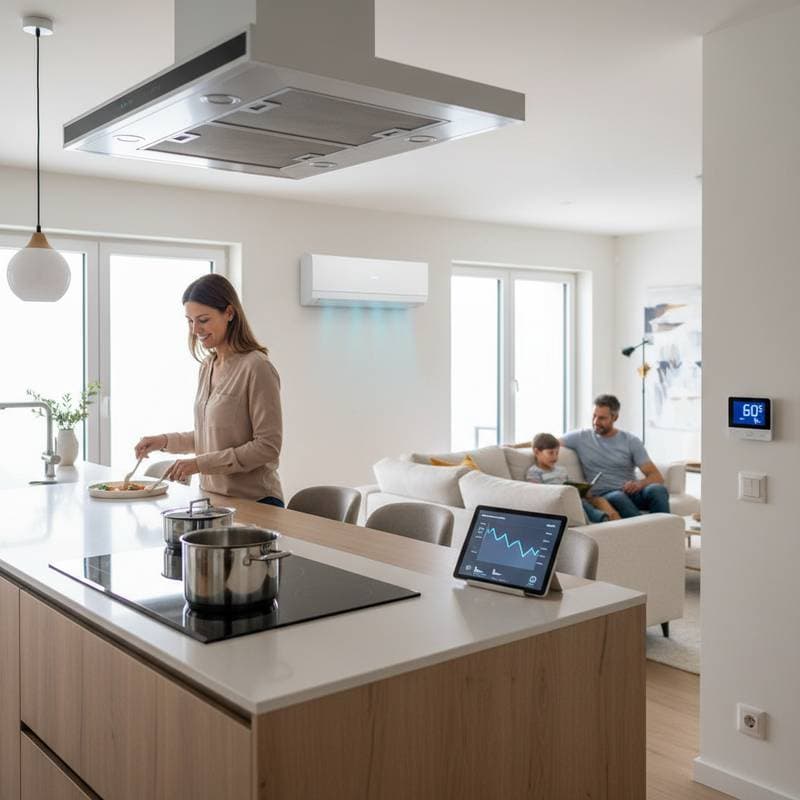
The kitchen serves as an ideal starting point for electrification. Induction cooktops offer exact temperature regulation, quick heating, and better air quality. Gas stoves emit nitrogen dioxide and pollutants, whereas induction maintains cleaner, cooler kitchens.
Induction units convert 85 to 90 percent of energy directly into cookware heat. Gas stoves manage only 35 to 40 percent efficiency. This gap leads to reduced energy use and less strain on cooling systems over time.
Compatibility concerns prove minimal. Most stainless steel or cast iron cookware suits induction surfaces. For necessary replacements, the energy savings and health gains offset upfront costs quickly.
Action Step: Test a portable induction burner to gauge performance before installing a full cooktop. This trial frequently persuades experienced cooks to embrace electric options.
Efficient Electric Heating and Cooling
Heating and cooling consume the majority of home energy. Heat pumps transform electric HVAC capabilities. Rather than converting electricity to heat, heat pumps relocate ambient heat, using less power for greater output.
Cold-climate models operate effectively in subzero temperatures, suiting diverse locations. In summer, they cool with enhanced dehumidification beyond standard units.
Replacing a gas furnace and air conditioner with a high-efficiency heat pump cuts annual costs by 40 to 60 percent. Pairing with better insulation and smart thermostats amplifies these reductions.
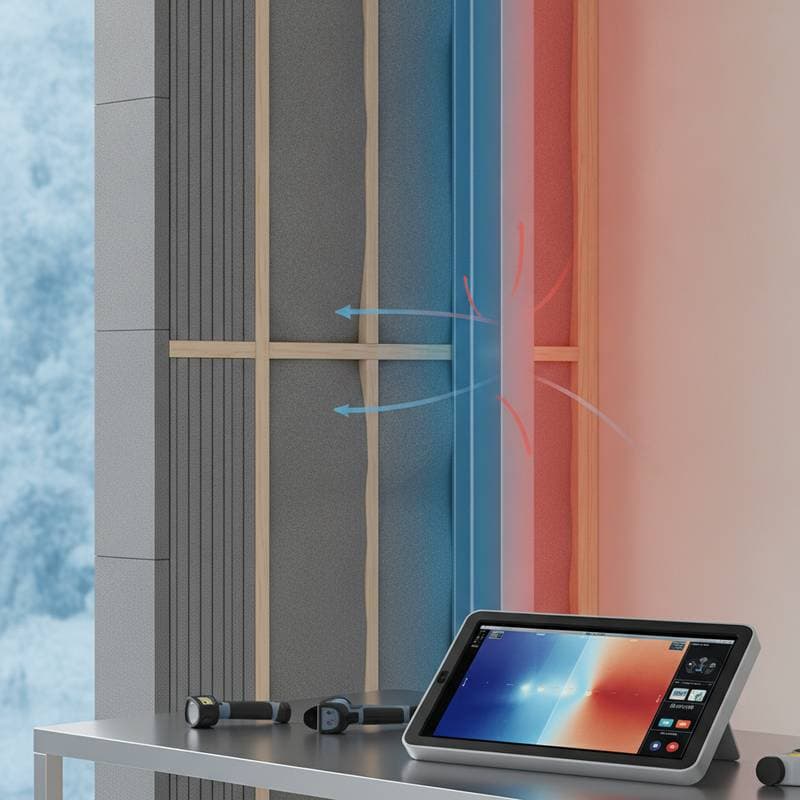
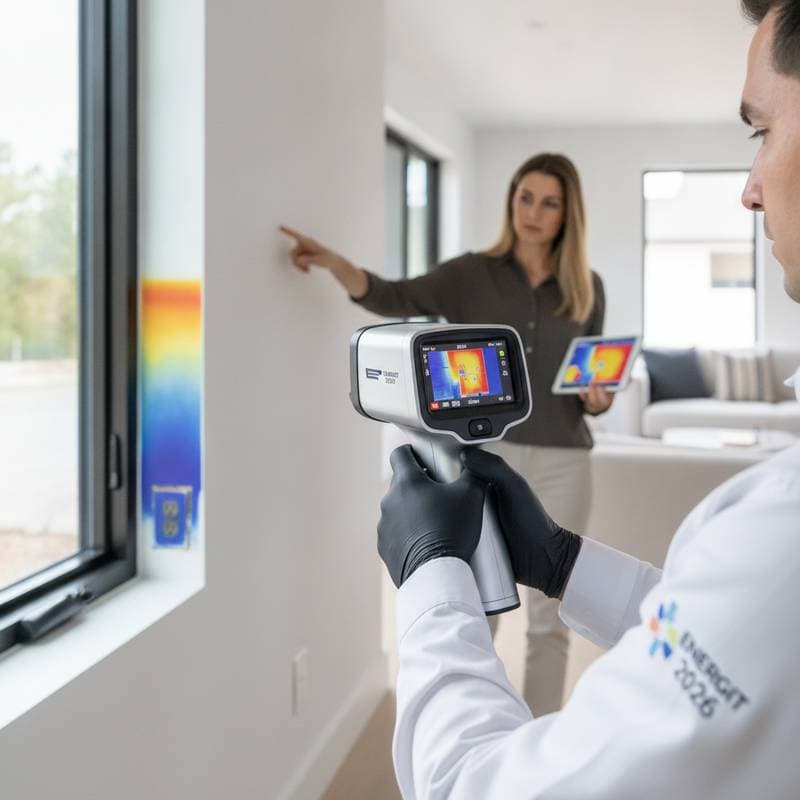
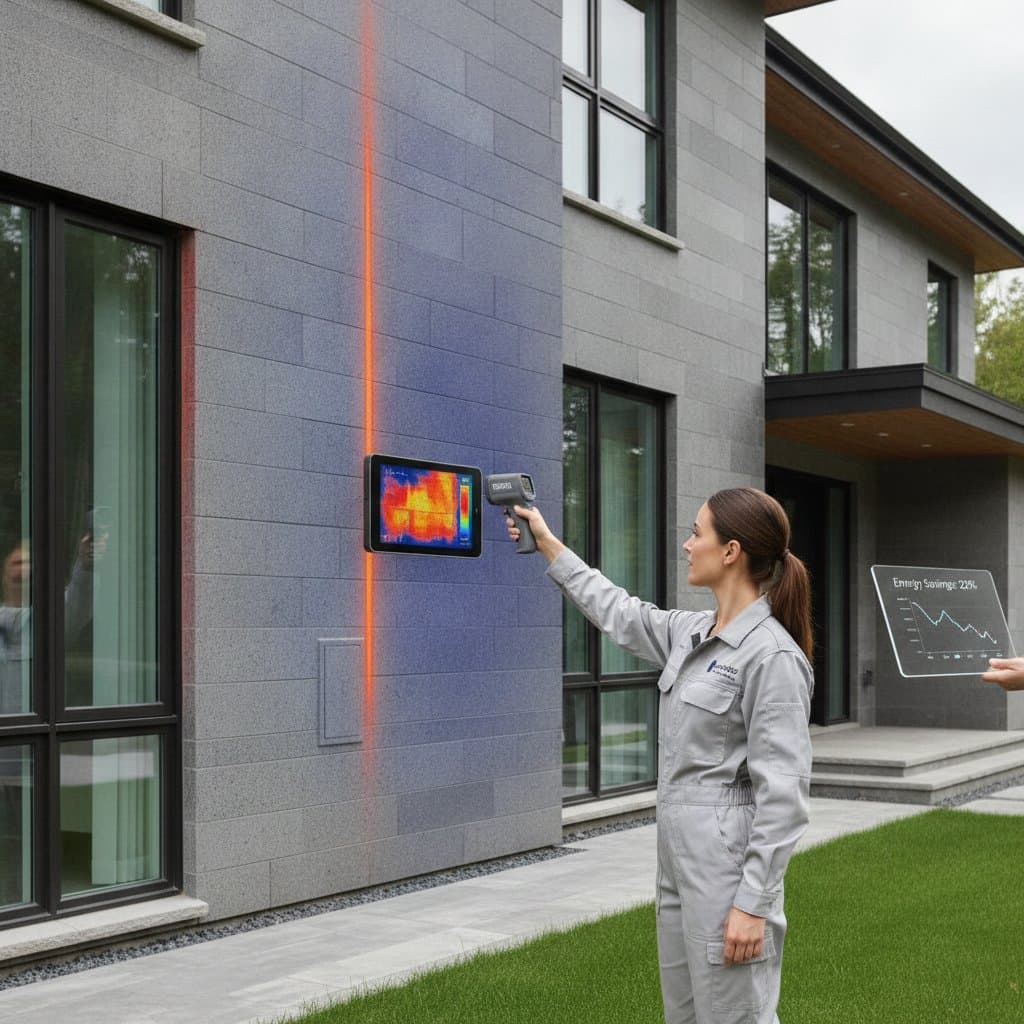
Action Step: Schedule a professional home energy audit prior to upgrades. It reveals insulation issues, duct inefficiencies, and optimal system sizes to maximize returns.
Opportunities in Water Heating and Laundry
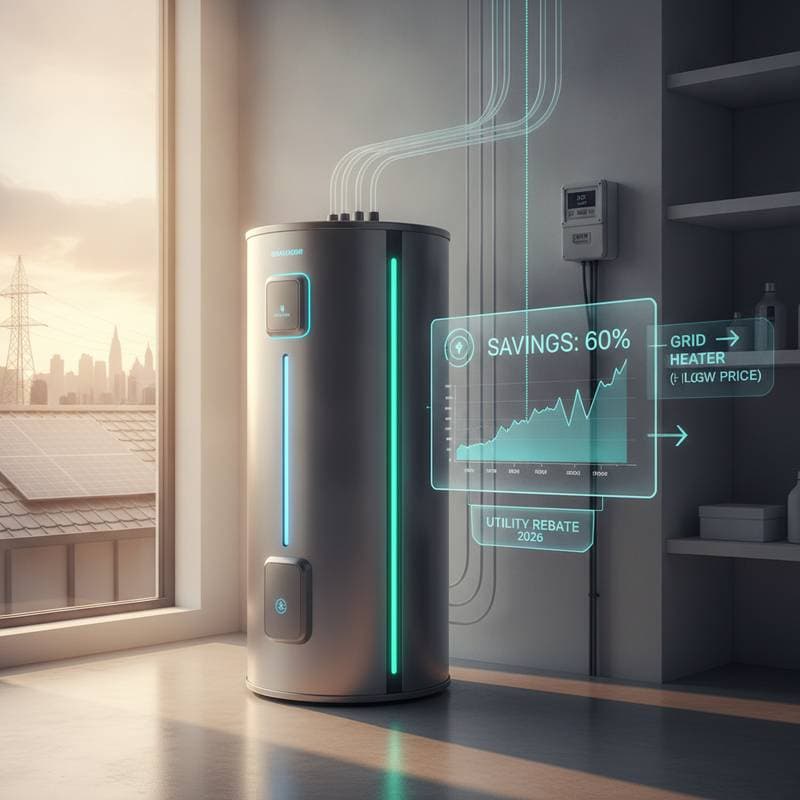
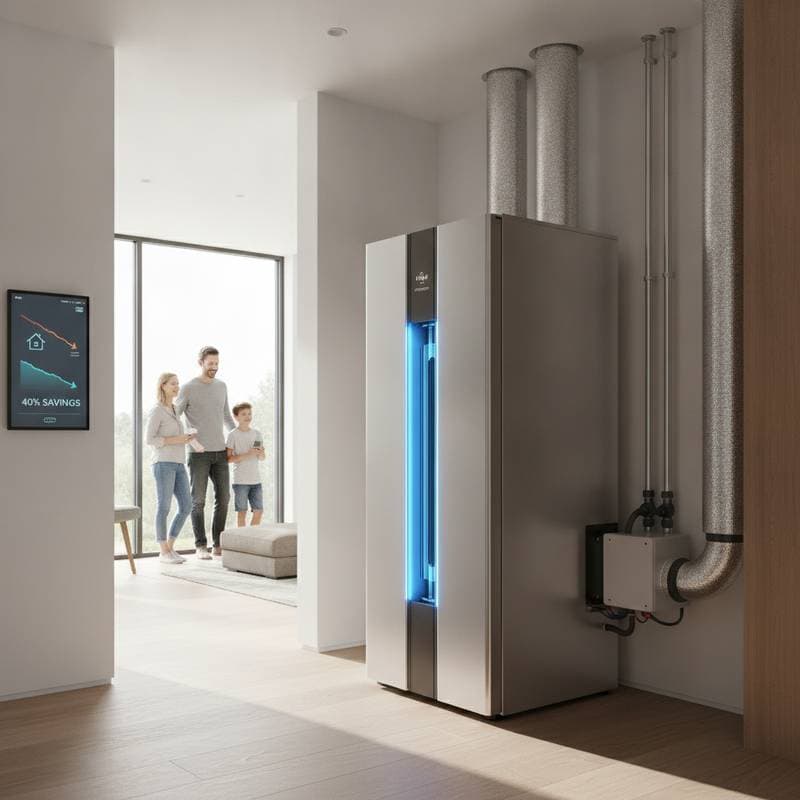
Water heating comprises 15 to 20 percent of energy use. Heat pump water heaters produce hot water using about one-third the energy of gas models. Integration with solar panels or smart timers allows operation during low-cost periods, cutting expenses further.
Heat pump dryers recycle air rather than exhausting it, improving efficiency and comfort in laundry spaces.
Action Step: Evaluate total ownership costs when selecting water heaters or dryers, not just upfront prices. Efficient electric units recoup premiums in two to four years via bill reductions.
Navigating Incentives and Financing
Incentives enhance electrification appeal. Local programs provide rebates for heat pumps, induction cooktops, and electric water heaters, covering 20 to 40 percent of expenses. Utilities often offer low-interest loans or bill-based repayments for gradual investment.
These upgrades boost property values. All-electric or fossil-free homes draw eco-aware buyers, improving marketability amid shifting energy trends.
Action Step: Contact local utilities and certified contractors for current programs. Installers maintain current details on evolving incentives.
Gains in Health, Safety, and Comfort
Electrification extends beyond finances. Indoor gas burning degrades air quality and raises respiratory risks. Electric appliances remove carbon monoxide, nitrogen dioxide, and hydrocarbon exposure.
Maintenance simplifies with no flames, leaks, or pilots. Systems run quietly, maintain even temperatures, and foster pristine interiors.
Action Step: Target gas stoves and unvented heaters first if health matters most. Air improvements occur instantly and can be quantified.
Securing Future Energy Resilience
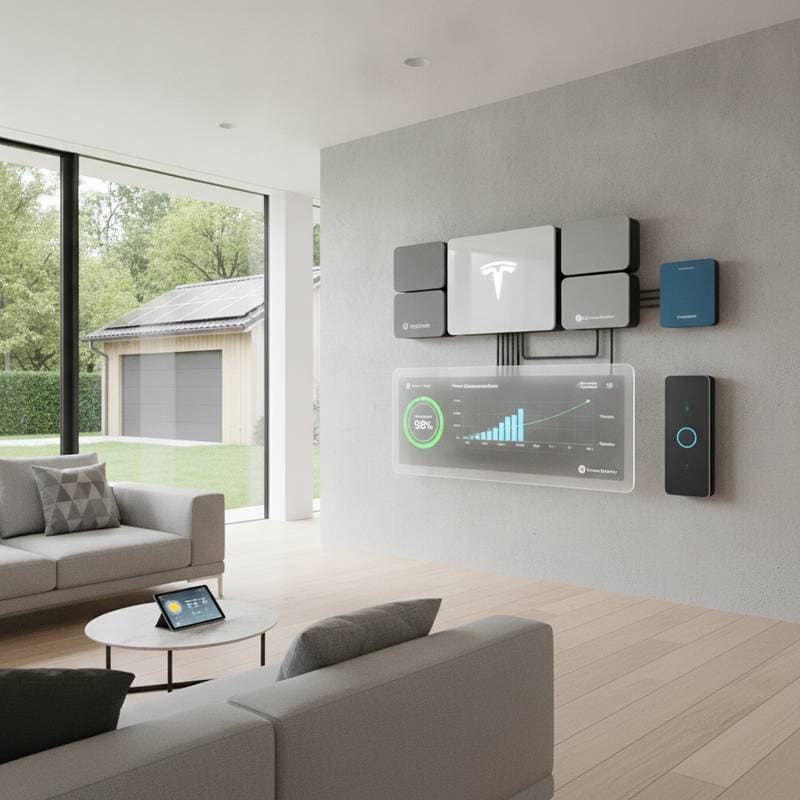
Energy landscapes shift toward renewables. Electric systems align with cleaner grids, solar integration, and battery storage.
Forward-thinking all-electric setups enable smart energy management. Automated tools optimize usage during off-peak times, building toward independence and outage resistance.
Steps to Electrify Your Home
Electrification proceeds incrementally. Homeowners often prioritize simple, high-impact changes.
- Install an induction cooktop in place of the gas stove.
- Switch to a heat pump water heater.
- Update HVAC to a high-efficiency heat pump.
- Improve insulation, seal air leaks, and upgrade electrical panels.
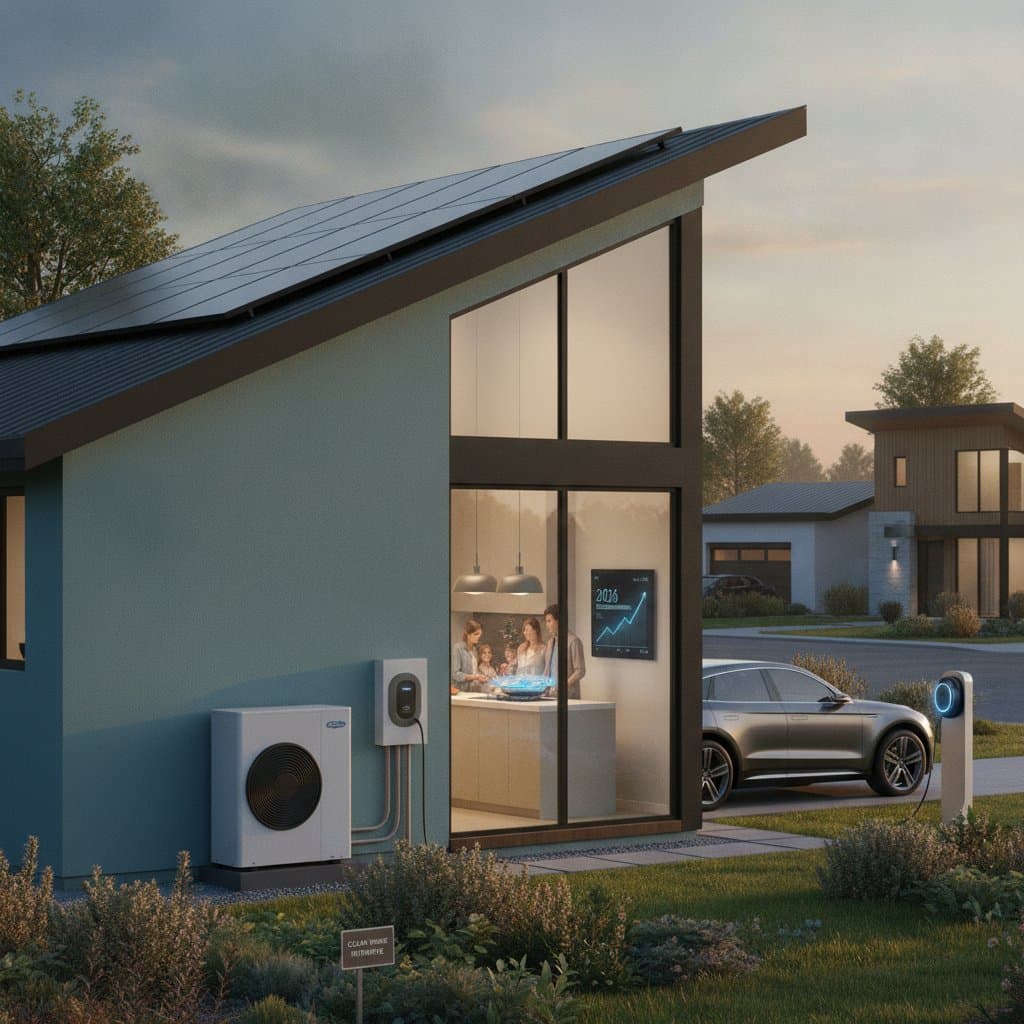
- Incorporate solar panels or batteries as budgets allow.
This approach balances environmental stewardship with economic gains. Careful planning, incentive use, and expert collaboration halve operating costs, yielding healthier, durable homes equipped for tomorrow's energy demands.