Key Points
- Modular green construction accelerates home expansions with minimal waste, often finishing projects in one-quarter the time of traditional methods.
- Prefabricated modules achieve superior energy efficiency and reduced long-term costs via precise materials and factory manufacturing.
- Sustainable additions yield returns through lower utility expenses, increased property values, and decreased maintenance requirements.
- Selecting appropriate designs, builders, and financing secures a resilient, adaptable, and eco-friendly expansion suited to diverse properties and climates.
When Expansion Meets Sustainability
Imagine a family outgrowing their home yet attached to their neighborhood, trees, and sunlight. They dread months of construction noise, dust, and delays. A modular green addition provides an efficient solution. Fabricated off-site in controlled environments, these units arrive nearly complete for installation in weeks, preserving time, reducing disruption, and limiting environmental effects while upholding design quality and livability.
This method suits various needs, from home offices to in-law suites or additional stories. It combines engineering precision with sustainable principles, yielding structures that excel in performance, affordability, and versatility over years.
Why Modular Green Builds Matter
Site-built additions often squander materials, demand heavy labor, and suffer weather interruptions. Modular approaches resolve these challenges through indoor fabrication with digital precision, cutting errors and waste. Components assemble under stable conditions before quick on-site placement.
Financial benefits stand out clearly:
- Rapid timelines: Completion occurs 30 to 50 percent faster than standard builds.
- Stable expenses: Factory processes curb labor variability and material shortages.
- **Energy ** Certified modules surpass codes in insulation and sealing.
- Minimal disturbance: Brief on-site work limits noise, waste, and community impact.
Homeowners gain tangible advantages in speed, resource use, and ecological benefits.
Understanding Modular Construction Basics
Modular builds differ from mobile homes; they form permanent, engineered home sections. Materials match or exceed conventional standards, such as structural steel, engineered wood, and advanced insulation.
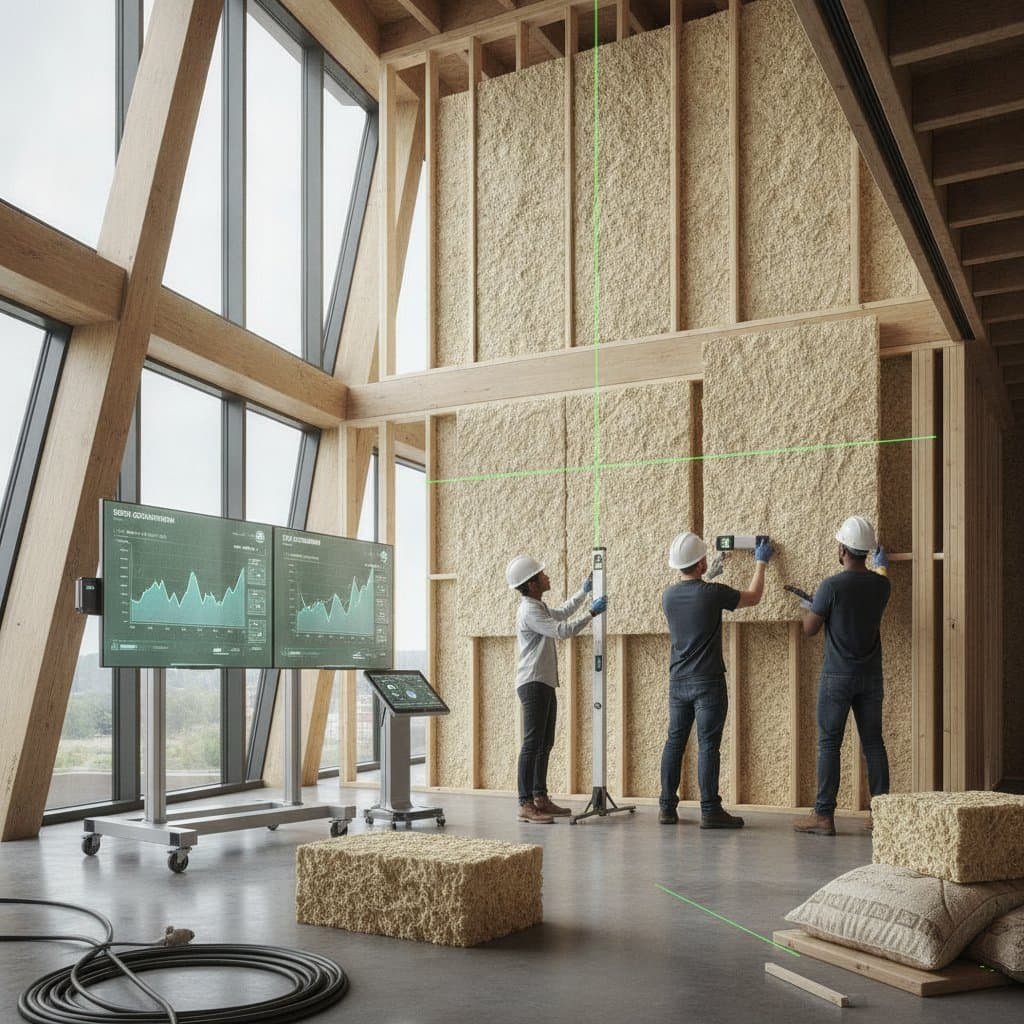
Building Information Modeling coordinates systems precisely. Plumbing, electrical, heating, ventilation, air conditioning, and finishes install in-factory. On-site, contractors connect modules, seal joints, and complete finishes for a unified result.
Essential traits include:
- Structural strength: Units endure transport, often surpassing local codes.
- Superior sealing: Factory precision prevents air infiltration and heat loss.
- Versatile scaling: Options span compact studios to extensive room additions.
This method guarantees uniform quality and reliable outcomes.
Sustainable Materials and Smart Systems
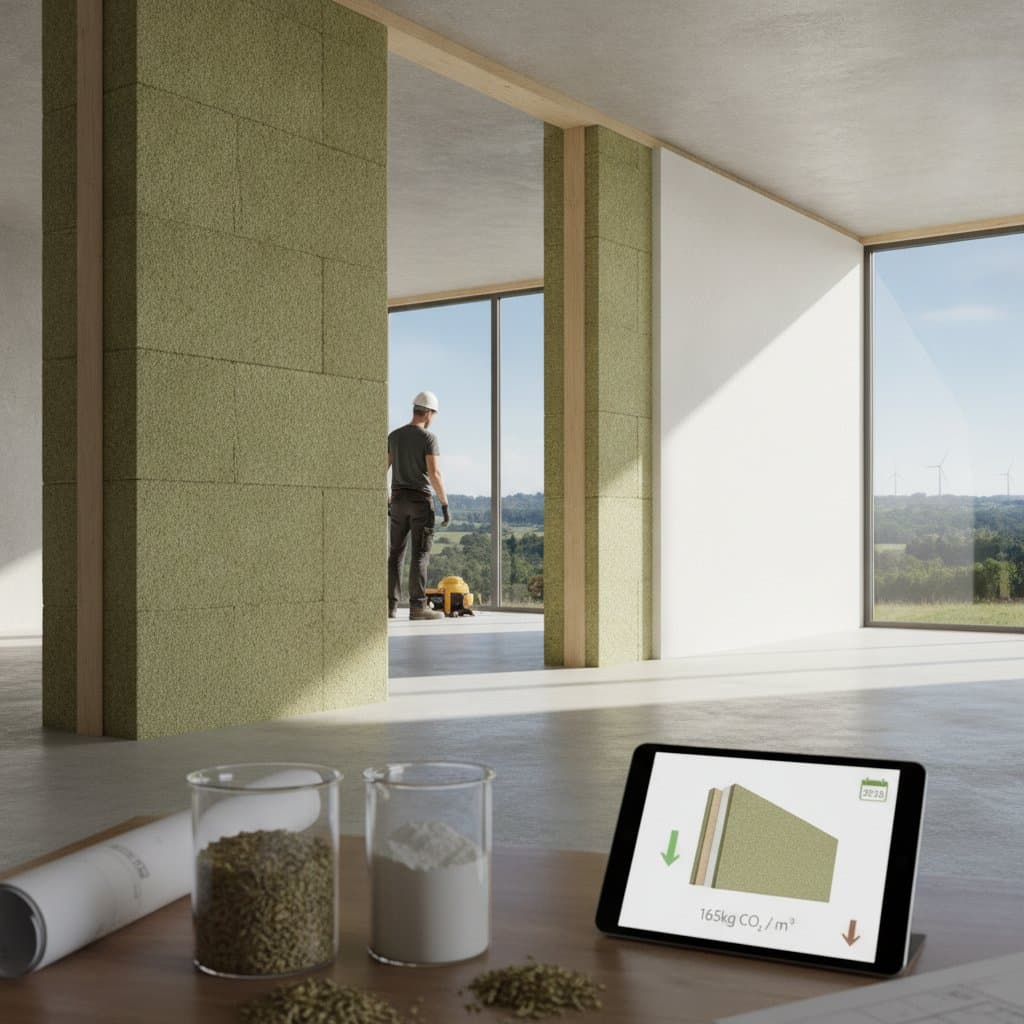
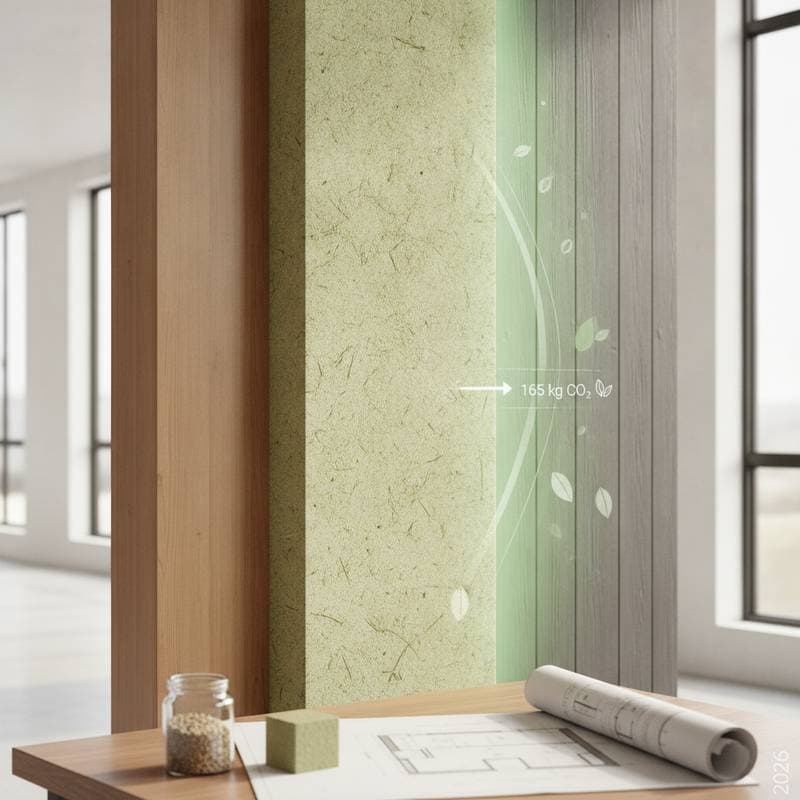
Modular green construction excels in resource efficiency beyond timelines. Factories employ exact cuts and recycling to nearly eliminate waste. Suppliers often provide certified sustainable wood, recycled metals, and low-emission finishes.
Integrated energy features outperform field installations. Typical elements encompass:
- Efficient glazing: Windows and doors sustain comfort across seasons.
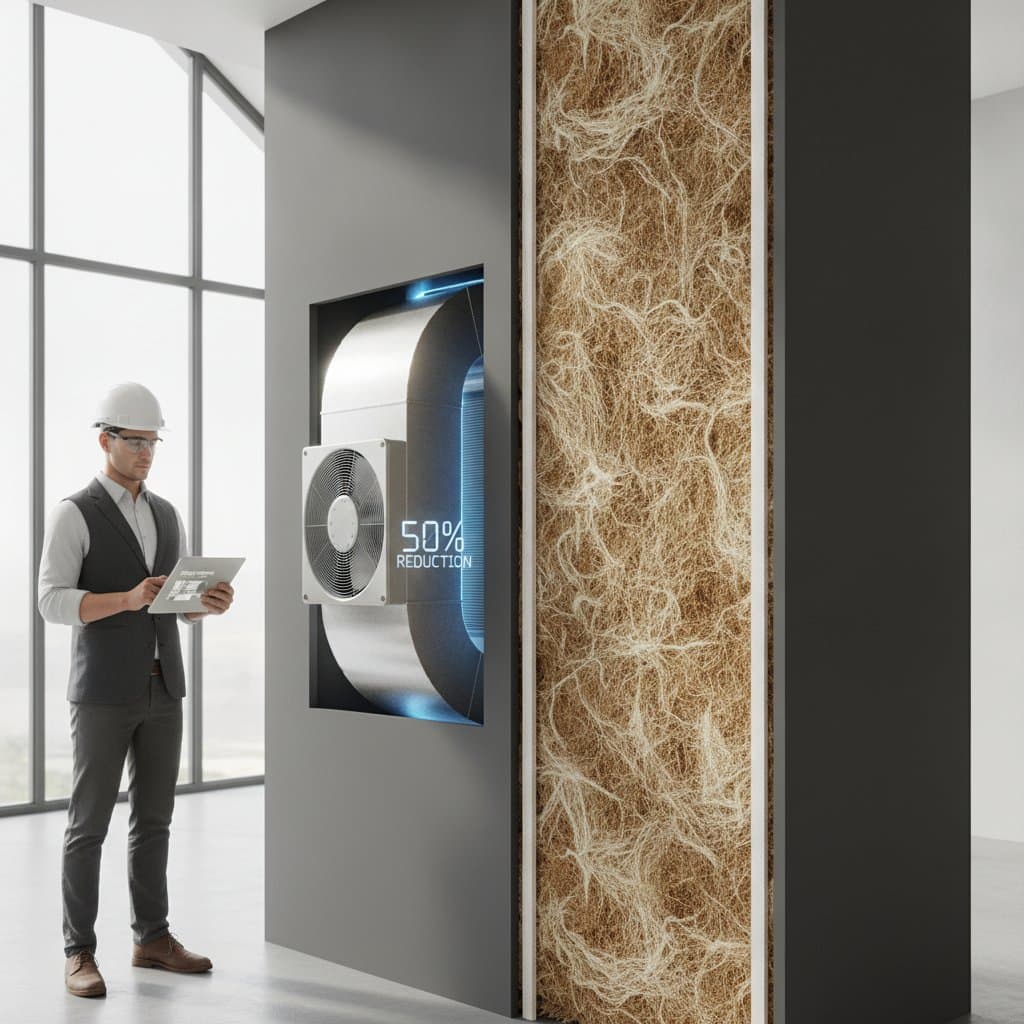
- Enhanced walls: Insulation reaches R-values 20 to 30 percent above norms.
- Renewable integration: Wiring supports solar or geothermal additions seamlessly.
- Advanced airflow: Systems control air quality, humidity, and irritants.
Such elements foster healthier, more economical living spaces.
Cost, ROI, and Financial Planning
Modular additions typically cost 10 to 20 percent less than site-built equivalents, thanks to lower labor and duration. A 400-square-foot project, for instance, saves substantially compared to traditional approaches.
Investment returns hinge on location, savings, and buyer preferences. Expect:
- Utility reductions: Lower energy demands cut bills by 20 to 40 percent yearly.
- Upkeep decreases: Robust builds minimize repairs over decades.
- Value increases: Eco-features command 3 to 8 percent resale premiums.
Funding parallels standard loans: equity lines, refinancing, or green-specific options. Lenders favor predictable modular schedules for streamlined processes.
Design Flexibility and Aesthetic Integration
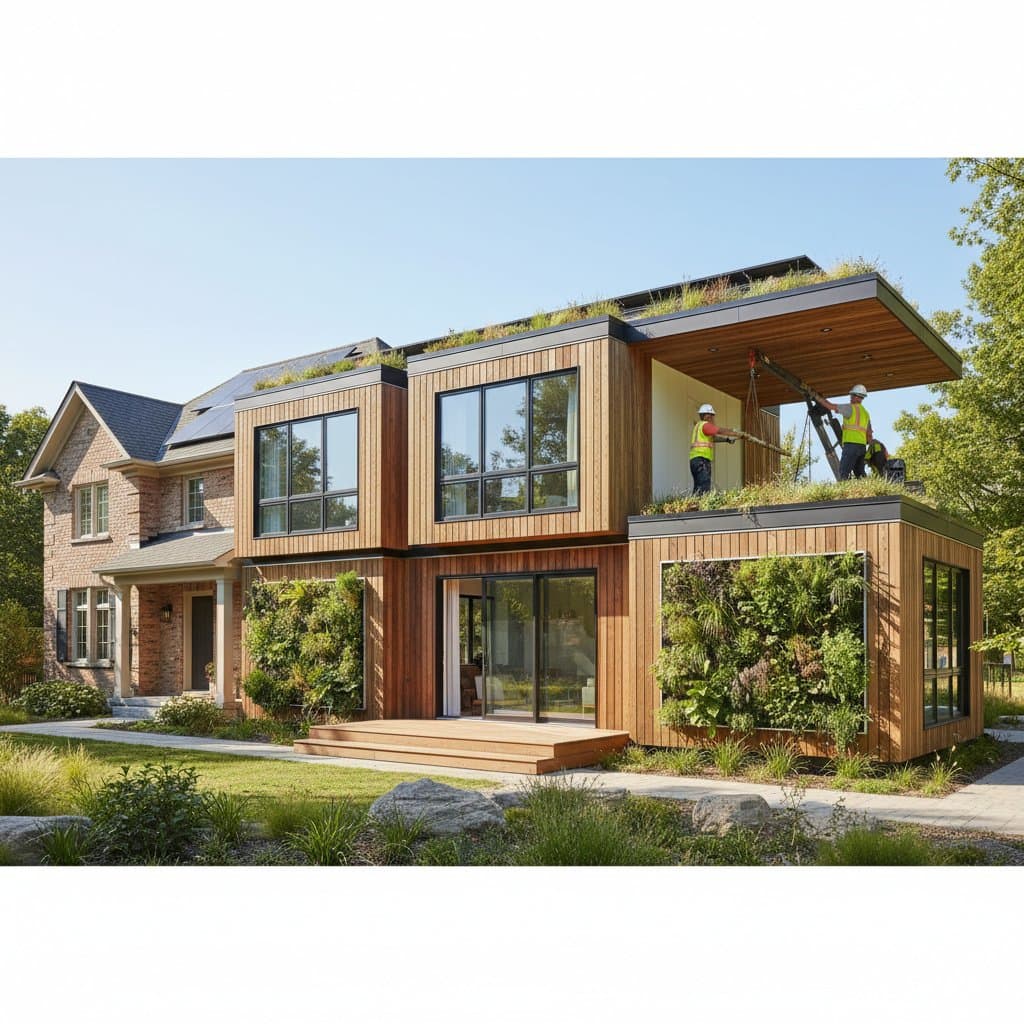
Modular does not imply uniformity; collaboration with architects ensures harmony or bold contrasts. Digital tools enable precise matching of existing elements.
Options include:
- Tailored surfaces: From solid wood interiors to recycled exteriors.
- Seamless alignment: Matching roofs, windows, and textures.
- Modifiable layouts: Plans adapt to changing requirements, with room for future growth.
Visualization precedes production, preventing expensive alterations.
Speed and Efficiency on Site
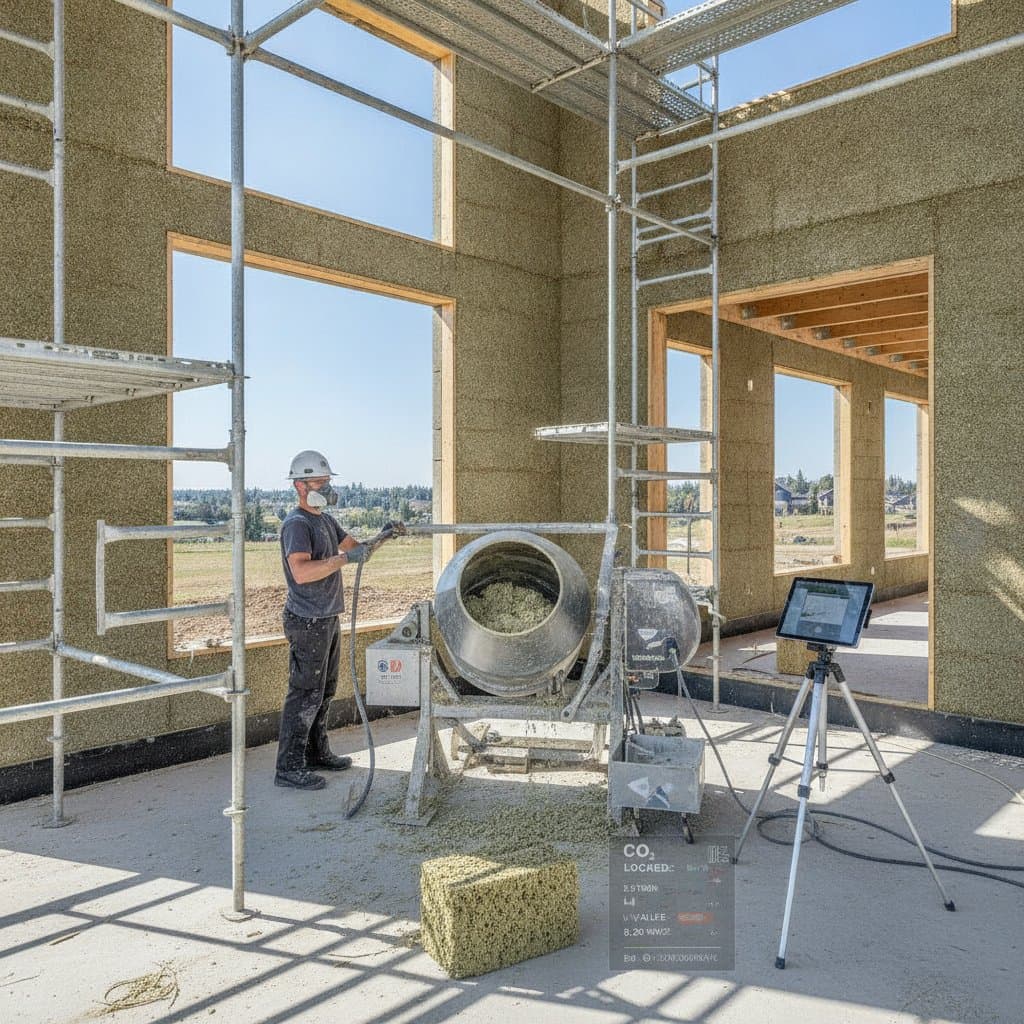
Time savings define modular appeal. After foundation preparation, installation completes in under two weeks versus months of framing. The home stays protected throughout.
Fewer on-site workers enhance safety and coordination. In remote areas, this delivers consistent quality without labor shortages.
Communities benefit from reduced activity, fostering positive relations during projects.
Resilience and Longevity
Durability underpins sustainability. Transport-ready designs use laminated timber or steel framing resistant to elements and wear.
Lifecycle advantages include fewer interventions. Pairing with renewables or water systems keeps impacts low over time.
Some systems allow disassembly for relocation, preserving resources and avoiding waste.
Health and Wellness Benefits
Traditional work introduces dust and chemicals; modular methods avoid these via factory control and pre-finishing.
Comfort improves through:
- Stable climates: Even insulation and seals maintain temperatures.
- Light strategies: Windows and shades maximize daylight.
- Soundproofing: Materials and joints quiet interiors.
Enhanced settings promote health, focus, and contentment. Certifications prioritize safe materials and passive design.
Future-Proofing Through Adaptability
Adaptability secures modular value as needs change. Additions stack or reconfigure easily.
Examples include converting spaces or adding levels later. Universal elements like accessible entries widen usability and appeal.
This approach safeguards investments across life stages.
Navigating Regulations and Professional Support
Codes apply equally; factory certification eases some permits, while others inspect post-installation.
Experienced teams handle integration and compliance. Architects align structures, consultants confirm efficiency, and contractors manage site tasks.
Open dialogue with authorities streamlines approvals.
Common Questions About Modular Green Additions
How long from design to occupancy? Projects span a few months, with factory and site work overlapping for efficiency.
Can styles match existing homes? Absolutely; modeling replicates details for natural integration.
Are they less durable? No; transport demands build in extra strength and sealing.
What about challenging sites? Custom bases and configurations adapt to slopes or constraints.
Green certifications possible? Yes; builders target programs for verified sustainability and value.
Embracing the Benefits of Your Expansion
A finished modular addition integrates seamlessly, offering superior quiet, comfort, and ease. Owners appreciate the streamlined process and their role in sustainability. This choice delivers lasting space that aligns with personal and planetary priorities.