Tax Credits Finally Make Heat Pumps Affordable
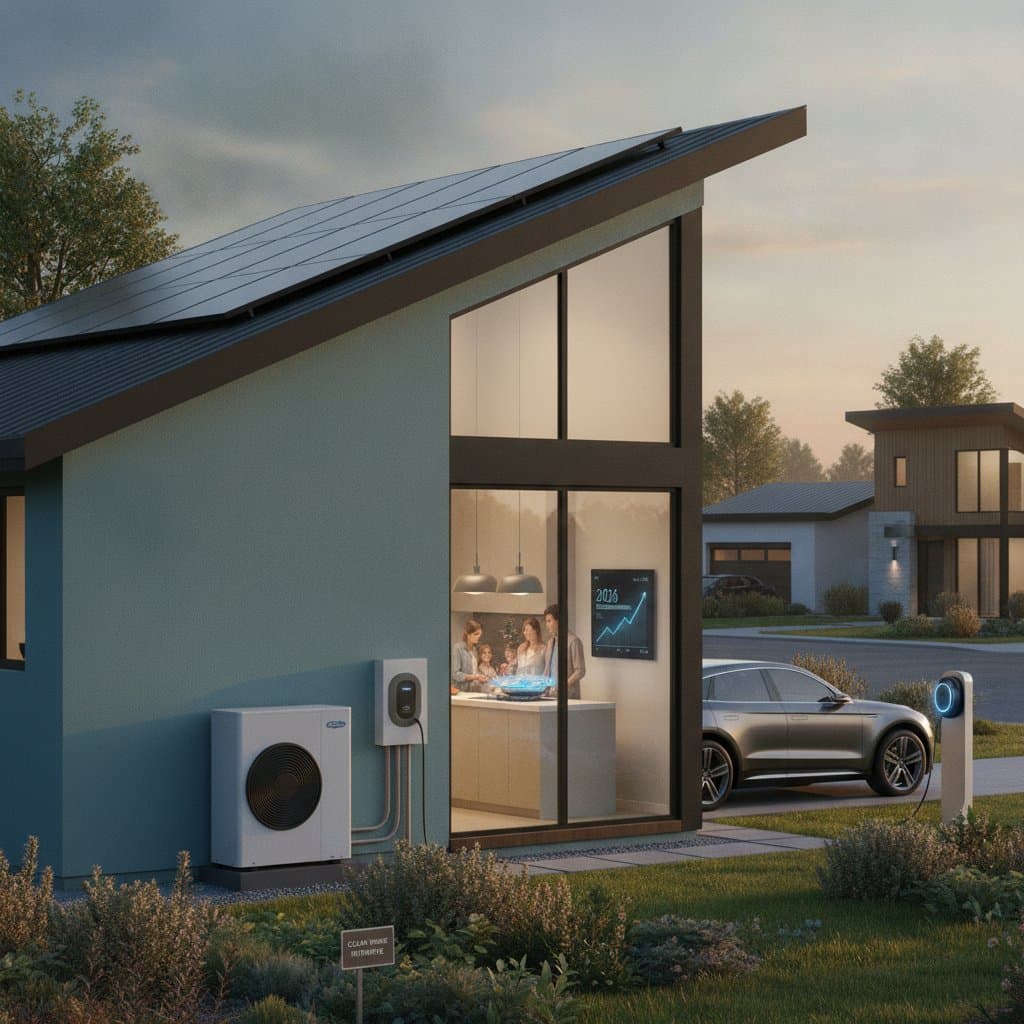
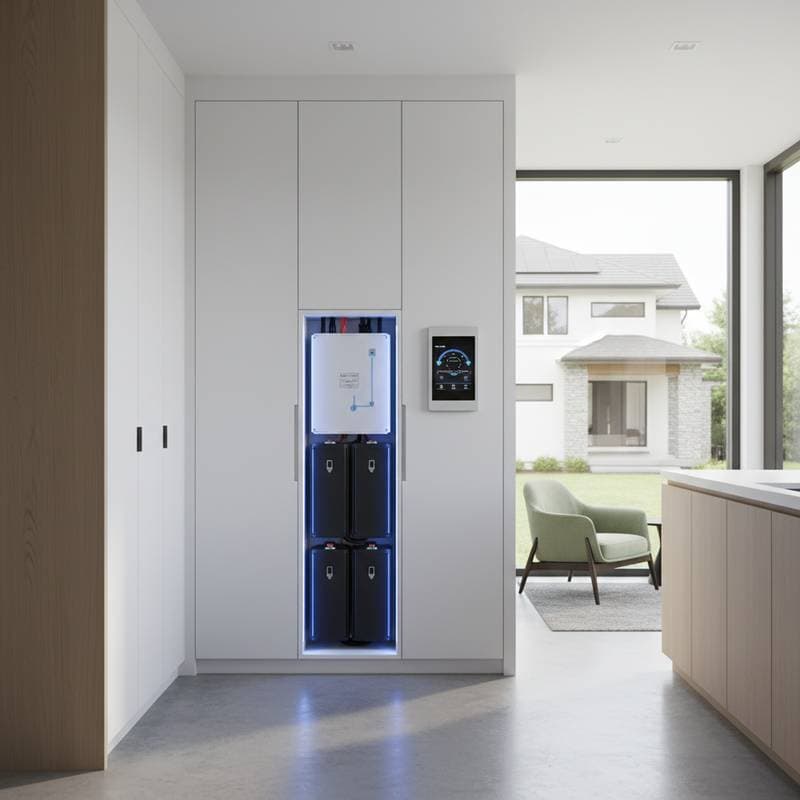
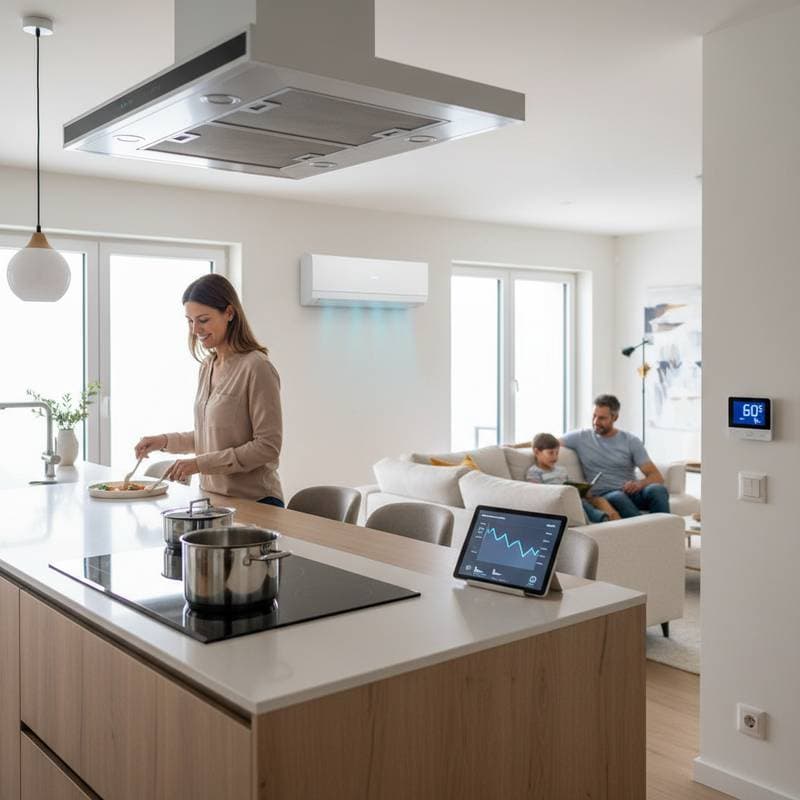
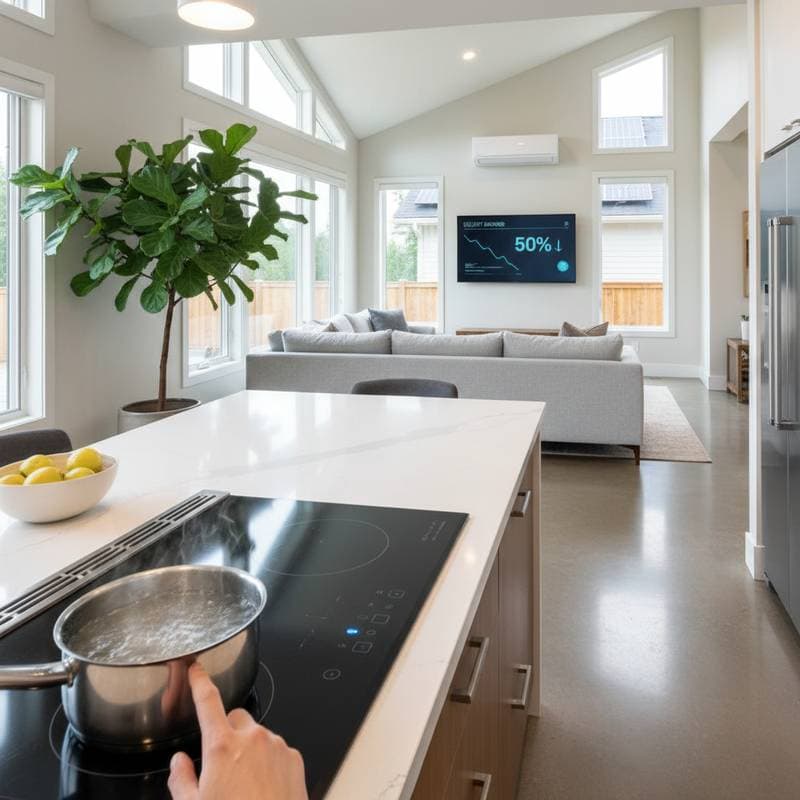
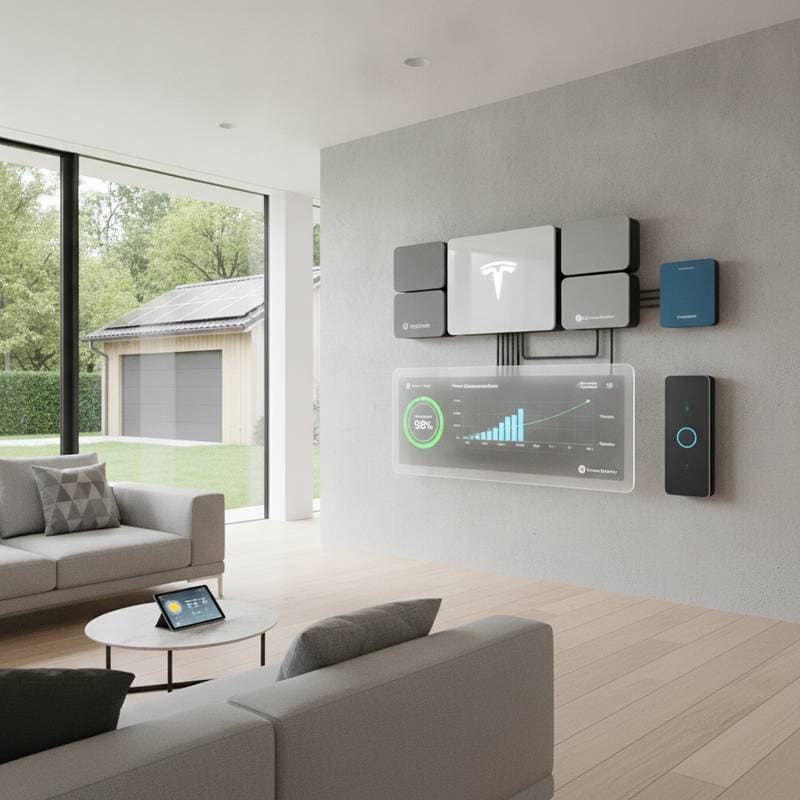
Federal tax credits now offset large portions of heat pump, induction, and EV charger costs. Strategic planning and layered incentives make whole-home electrification financially realistic.
Loading...
Articles tagged with home
Federal tax credits now offset large portions of heat pump, induction, and EV charger costs. Strategic planning and layered incentives make whole-home electrification financially realistic.
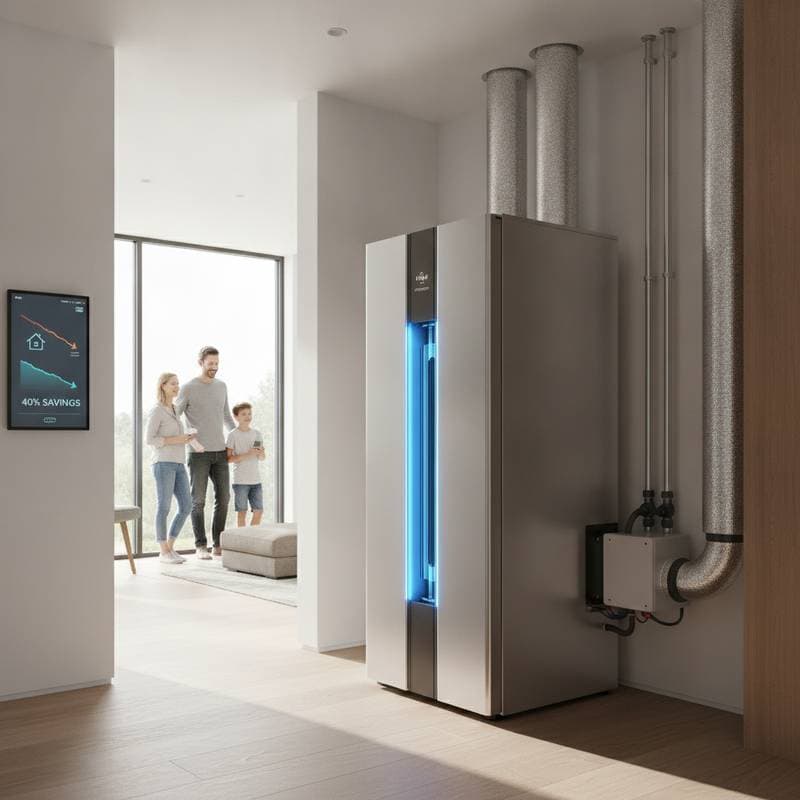
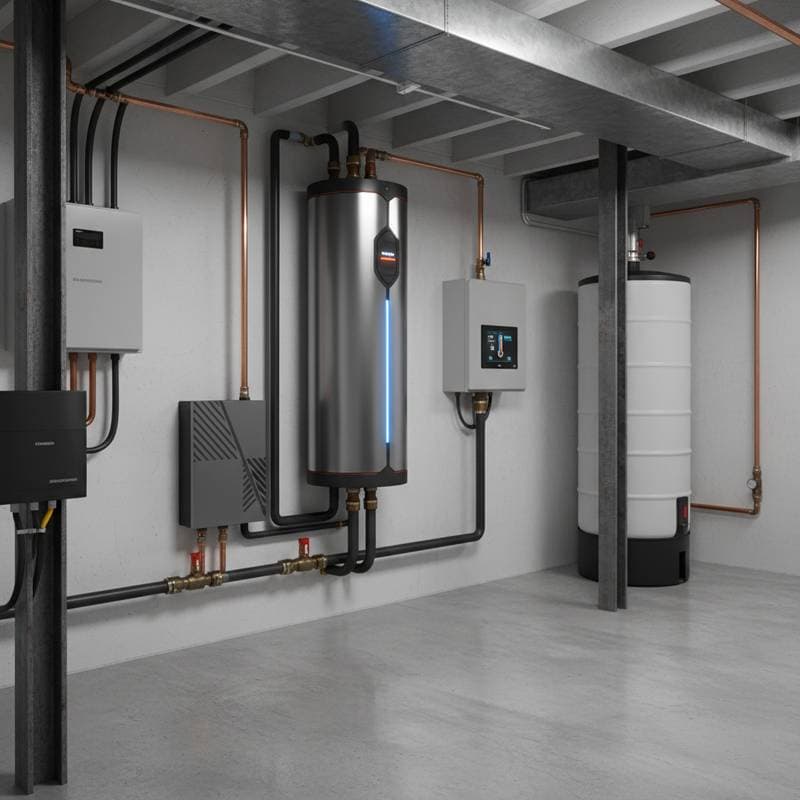
Thermal battery retrofits store heat or coolness to cut energy bills by up to 40 percent. Compatible with existing HVAC systems they deliver steady comfort lower costs and environmental benefits through smart design rebates and expert installation.
Energy storage walls embed phase change materials that absorb and release heat to stabilize indoor temperatures. They reduce utility costs, require little upkeep, and integrate directly into building structures without the space or replacement demands of battery systems.
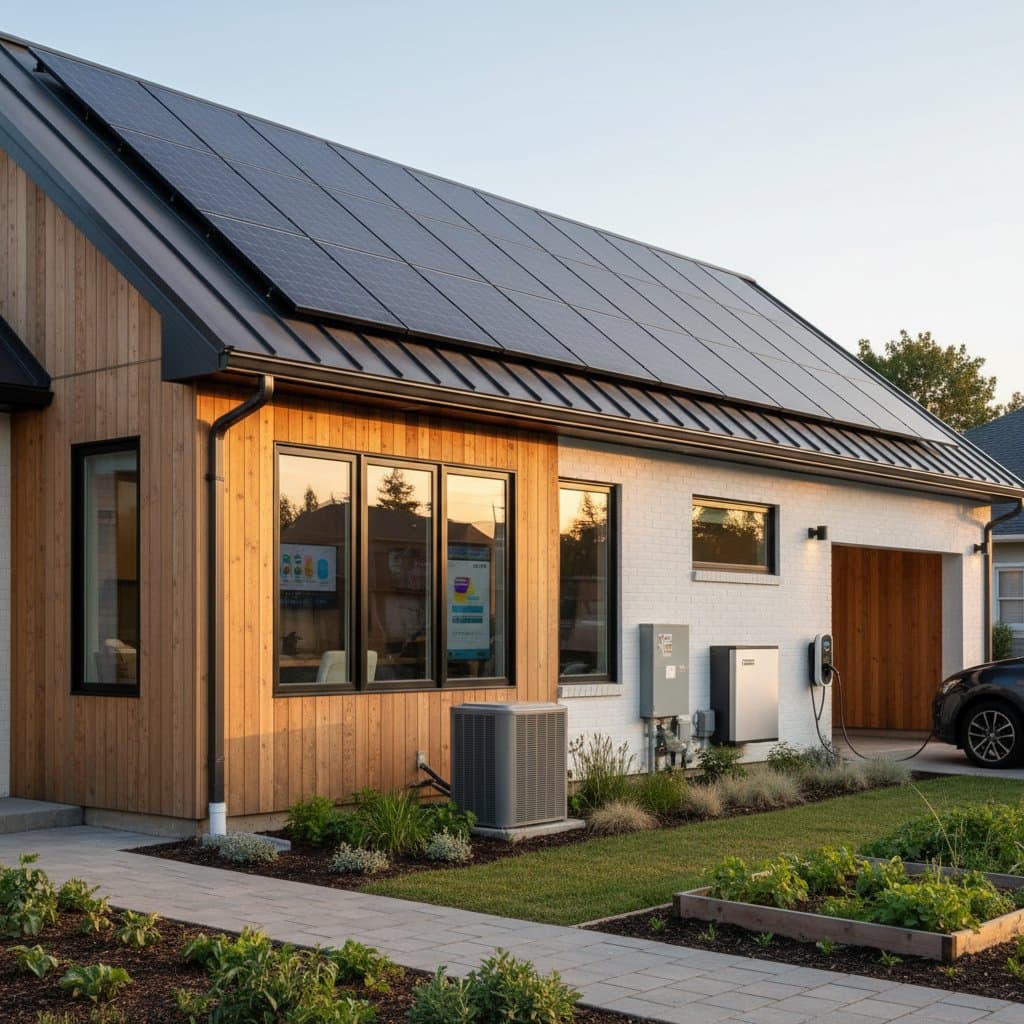
True net-zero performance requires more than solar panels. Airtight construction, deep efficiency upgrades, and coordinated electrification cut energy use, raise comfort, and increase long-term home value.
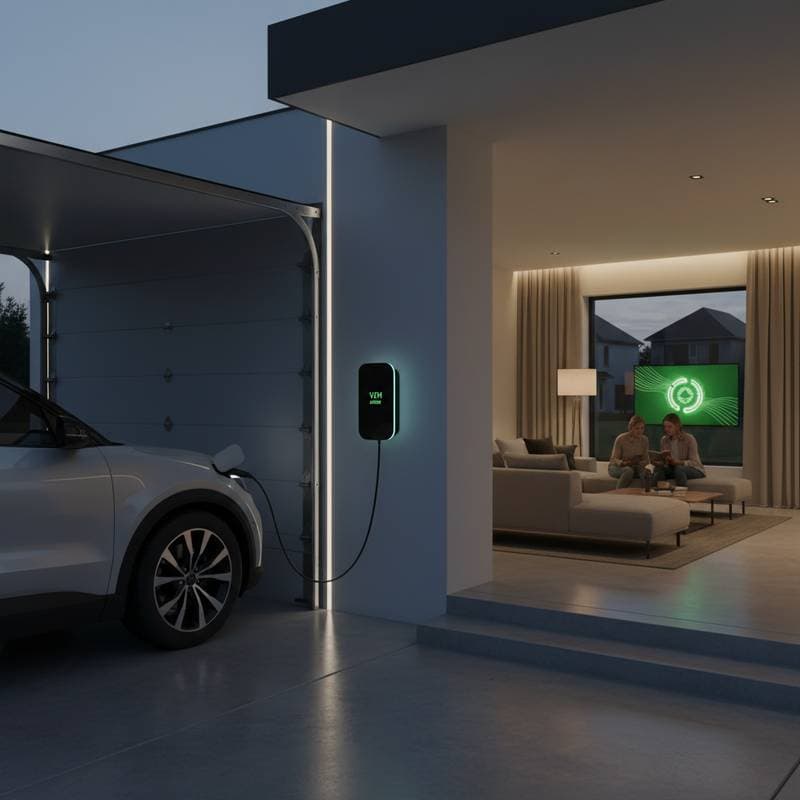
Vehicle-to-home technology allows compatible EVs to supply electricity to residences during peak pricing or outages, delivering measurable savings and added resilience when paired with the right charger and management system.
Homeowners are rapidly trading gas for electric living, drawn by lower bills, cleaner air, and modern comfort. From efficient heat pumps to induction cooktops, electric systems deliver high performance and health benefits while cutting emissions. Incentives, technology advances, and sustainability goals make the electric home revolution both practical and inevitable.
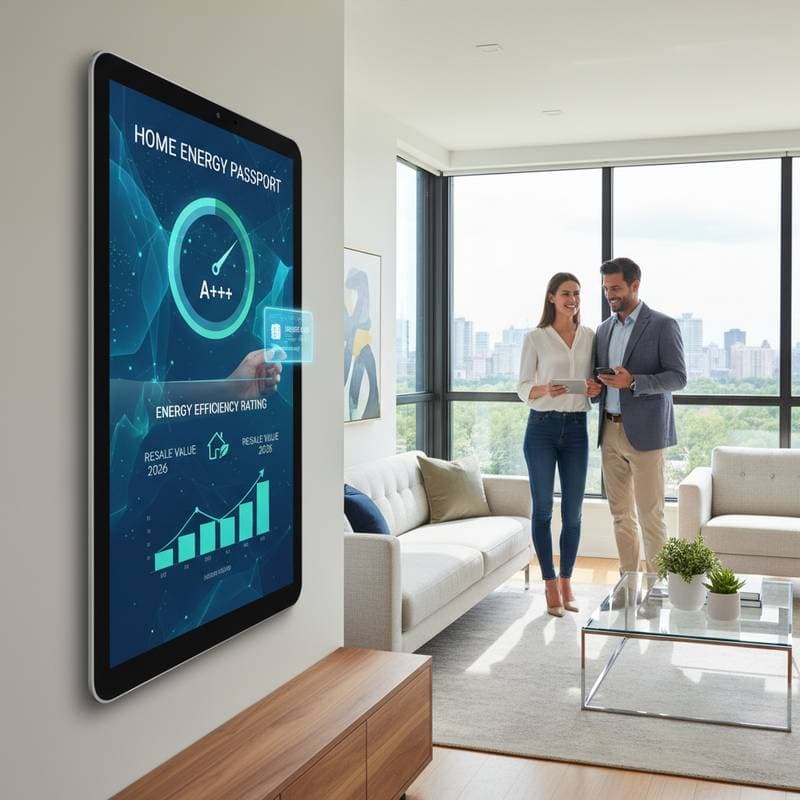
By 2026 a home energy passport could define its resale value. Verified performance data now rivals curb appeal rewarding efficiency with premiums of up to 15 percent. Early adopters who document upgrades reduce energy costs and boost comfort will lead a housing market increasingly driven by transparency sustainability and measurable ROI.
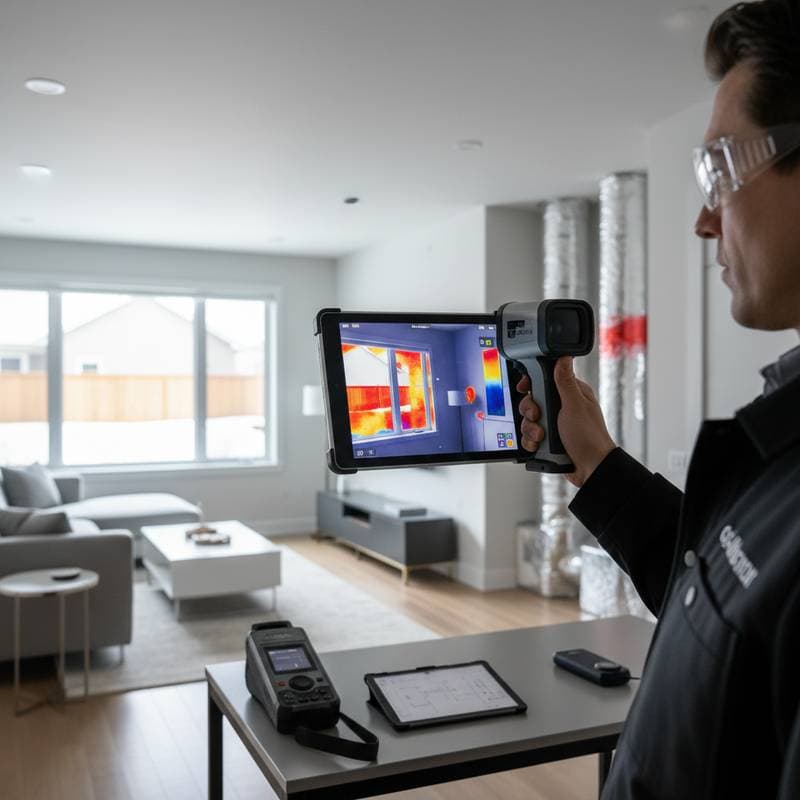
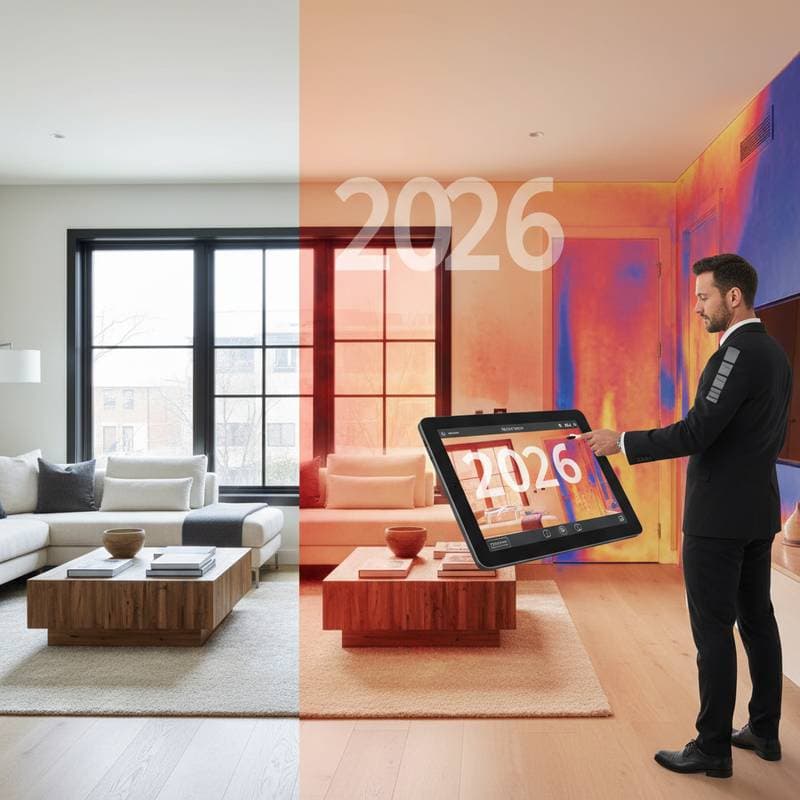
Thermal imaging reveals concealed energy leaks that inflate bills and diminish comfort. It identifies insulation voids, air gaps, and duct problems, enabling targeted repairs. Opt for DIY tools or expert audits to enhance efficiency and achieve lasting savings.
Thermal batteries revolutionize home heating by capturing and storing heat energy, potentially lowering costs by 50 percent. These systems offer payback in five to eight years, require little upkeep, and integrate seamlessly with solar panels or heat pumps for optimal efficiency, comfort, and sustainability. Learn how this innovative technology sets the stage for affordable, dependable heating by 2026.
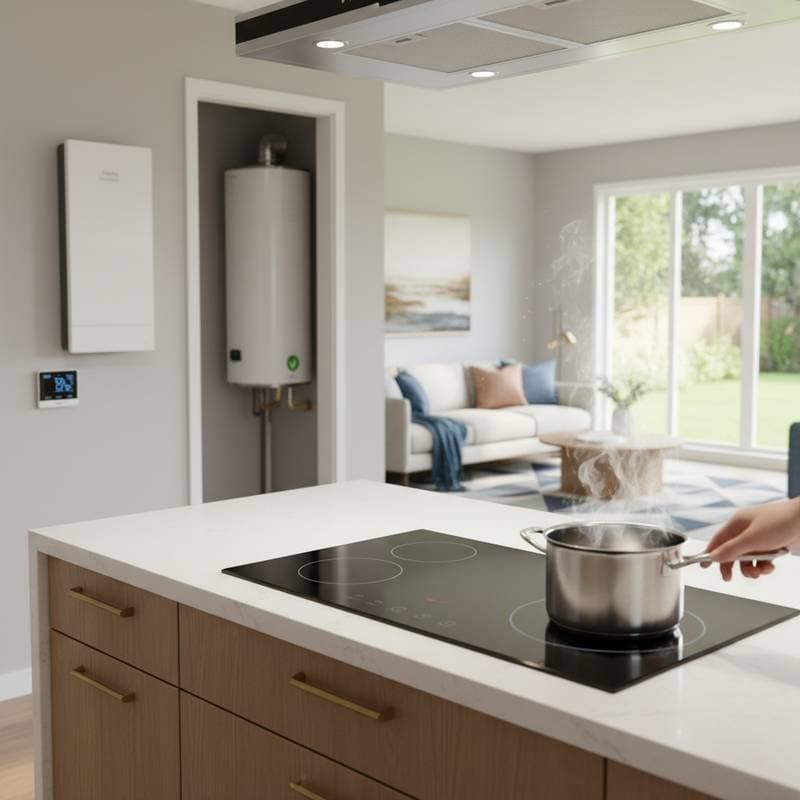
Transition away from gas to save significantly. Explore how heat pumps, induction cooktops, and efficient water heaters can reduce energy costs by up to 60 percent. Gain insights into incentives, planning strategies, and design approaches that render all-electric living affordable, secure, and aesthetically pleasing.
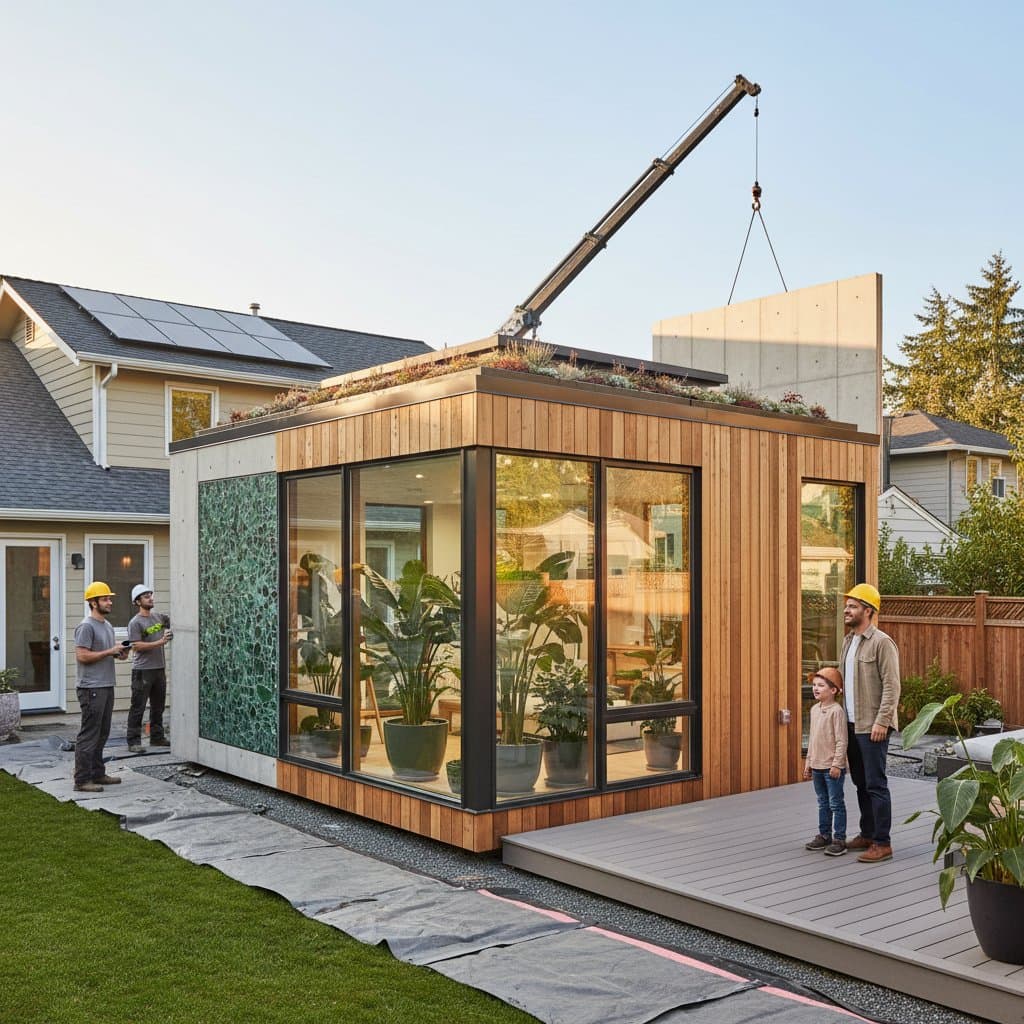
Modular green additions revolutionize home expansions with sustainable materials, precise off-site building, and efficient designs. They slash waste and timelines, elevate comfort and durability, and increase property worth, providing budget-friendly, eco-conscious upgrades for resilient modern living spaces.
Thermal imaging uncovers invisible energy losses in homes, revealing insulation flaws and drafts that inflate bills and compromise comfort. Infrared scans provide visual evidence for precise fixes, leading to substantial savings, improved efficiency, and an eco-conscious lifestyle.
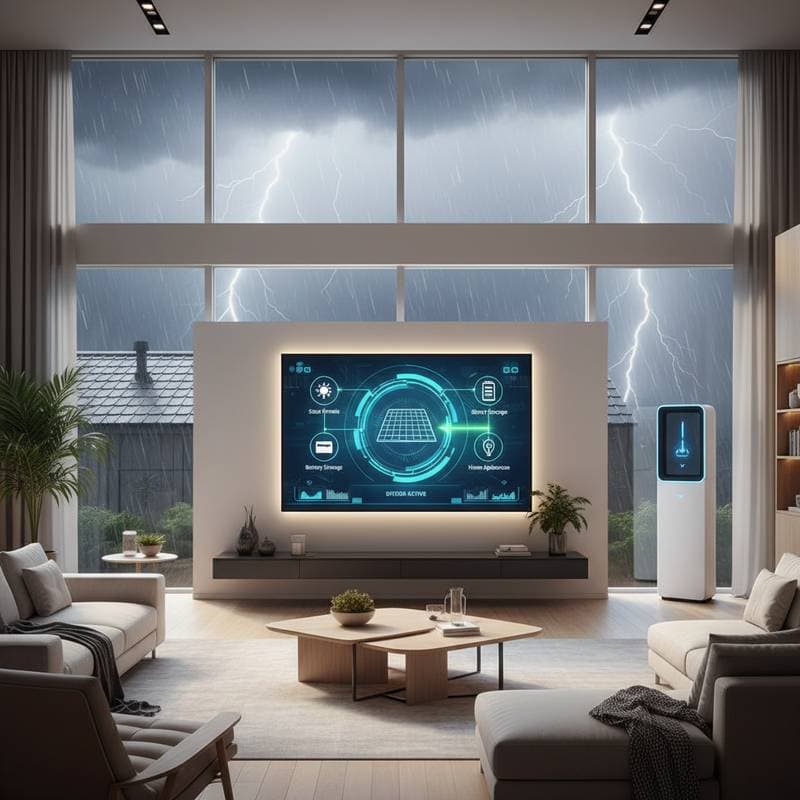
Home microgrids enable homeowners to produce, store, and control clean energy independently, minimizing grid dependency and utility expenses. Integrating solar arrays, advanced batteries, and intelligent management, these systems ensure continuous electricity, environmental benefits, and financial advantages. Professional guidance guarantees secure, expandable installations for lasting energy autonomy.
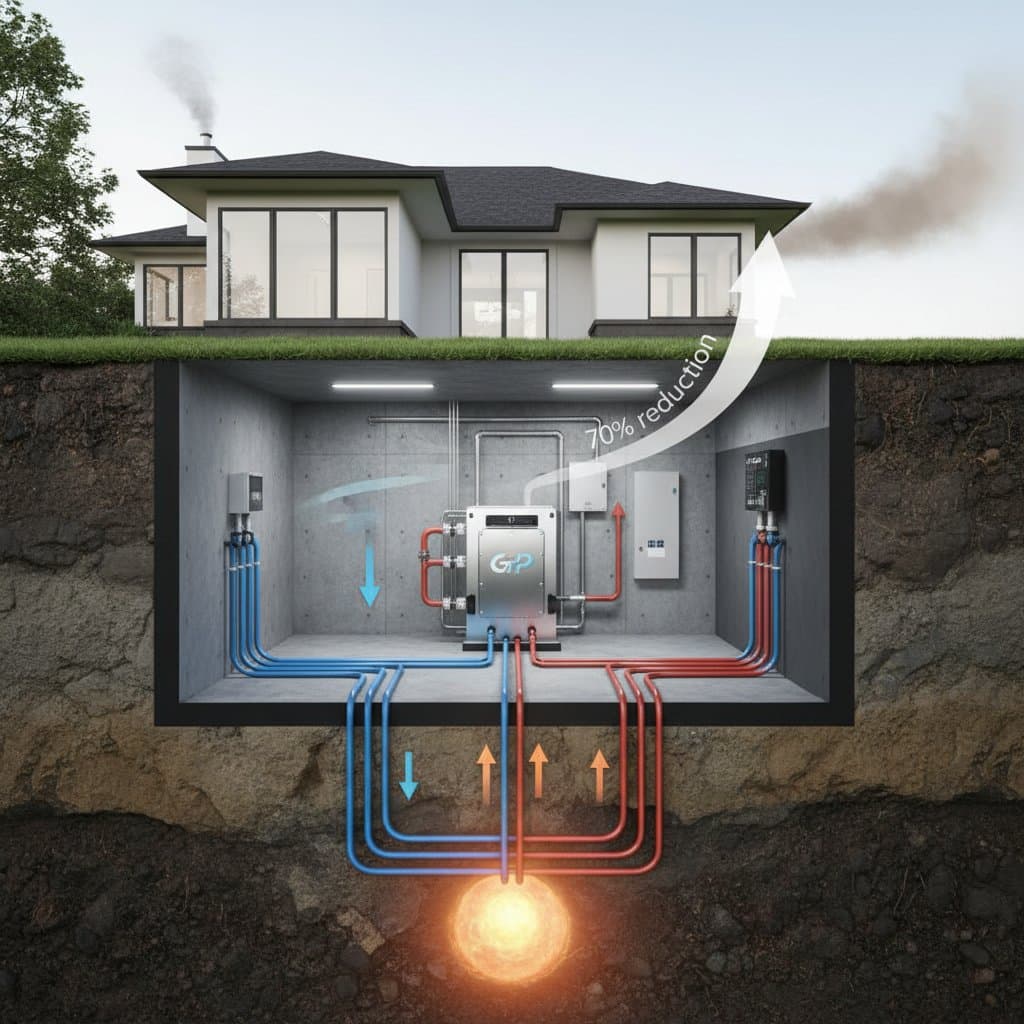
In 2026, geothermal heat pumps revolutionize residential energy use with earth's stable heat for quiet, efficient climate control. Despite elevated setup costs, enduring savings, resilience, and eco-gains position them as wise choices. Learn how this subsurface innovation elevates livability, curbs pollution, and raises real estate appeal.
Achieve sustainable home expansion with modular green additions that minimize waste, reduce energy consumption, and cut construction time by up to 50 percent. These prefabricated solutions deliver adaptable, high-performance spaces featuring innovative materials, scalable configurations, and eco-friendly practices for enduring savings, superior air quality, and enhanced market appeal.
Home microgrids transform energy independence through solar power, battery storage, and smart controls. These systems reduce costs, enhance resilience, and minimize carbon footprints. Proper design, incentives, and professional installation enable sustainable self-sufficiency and protection from escalating utility rates.
Transitioning from gas to electric appliances can reduce household energy expenses by up to 60 percent, while enhancing comfort, safety, and indoor air quality. Heat pumps, induction cooktops, and incentive programs drive this shift, providing swift savings and enduring benefits that secure homes against rising energy costs and promote efficient, sustainable living.
Recycled plastic siding revolutionizes green building with robust durability, effortless maintenance, and energy savings. By converting waste into premium facades, it slashes long-term expenses by up to 40 percent, elevates home values, and curbs environmental harm. With advancing tech, this sustainable staple will lead eco-design trends through 2026.
Transitioning to an all-electric home lowers utility bills by up to 50 percent, improves indoor comfort, and raises property value. Efficient technologies like heat pumps and induction cooktops surpass gas alternatives in performance and air quality. Incentives, gradual upgrades, and renewable energy integration make a sustainable, resilient home achievable by 2026.
Explore 2026 tax credits that make home electrification affordable. Stack federal, state, and utility rebates for 40% savings, higher property values, and emission cuts via heat pumps, solar, and more—turning green upgrades into profitable investments.