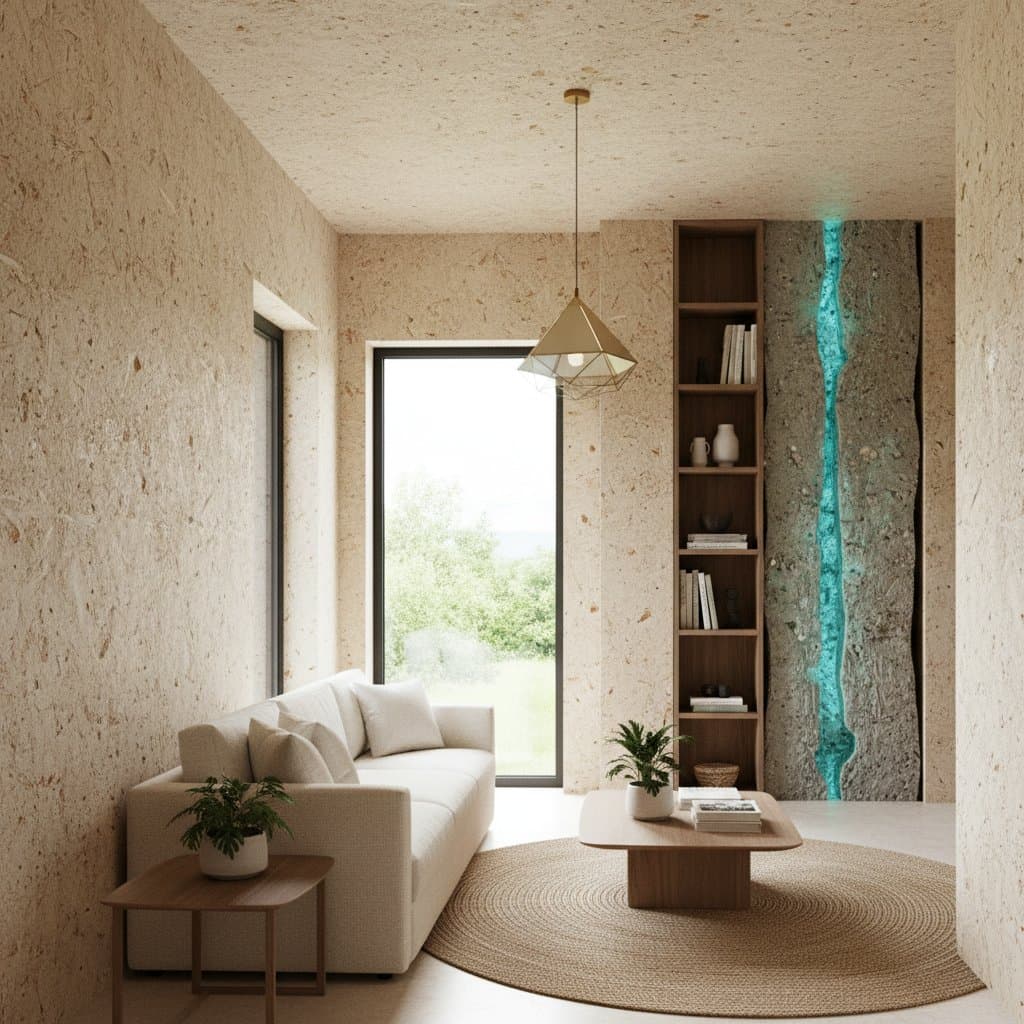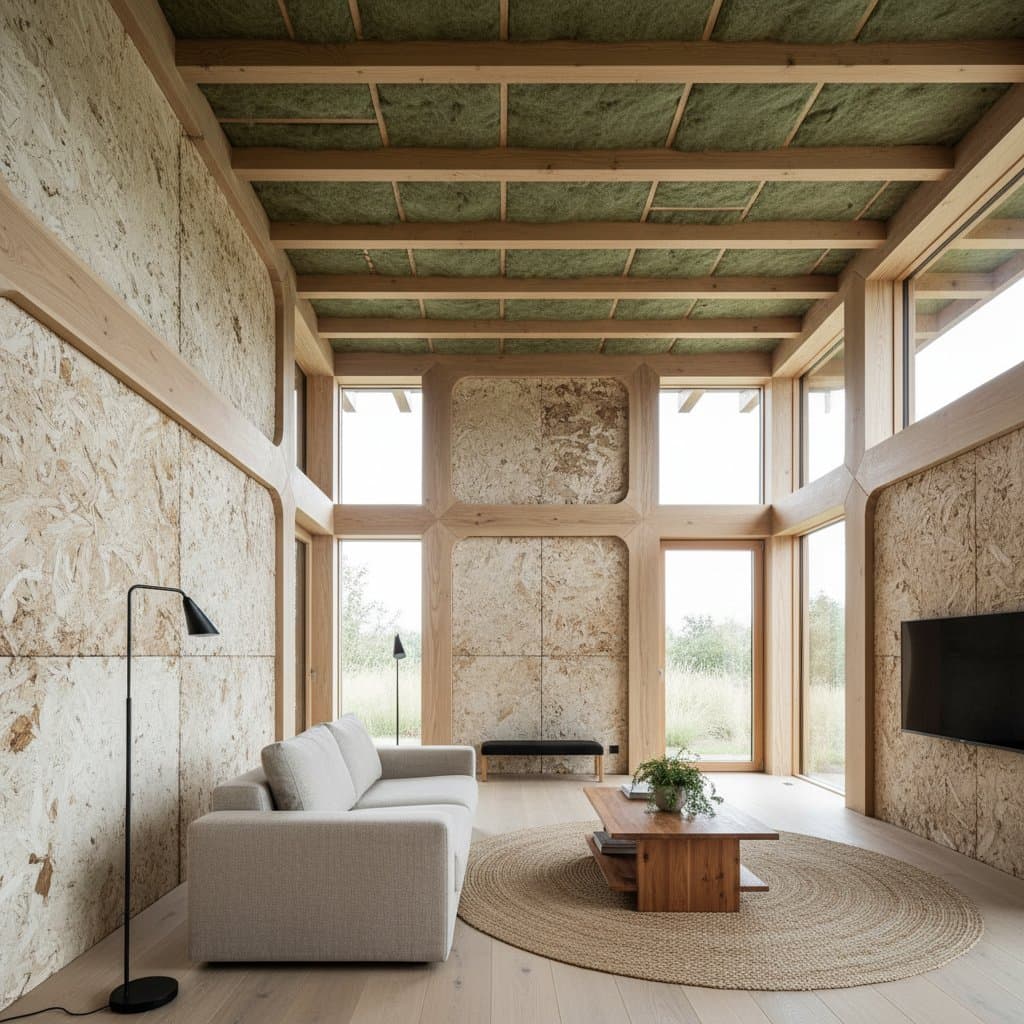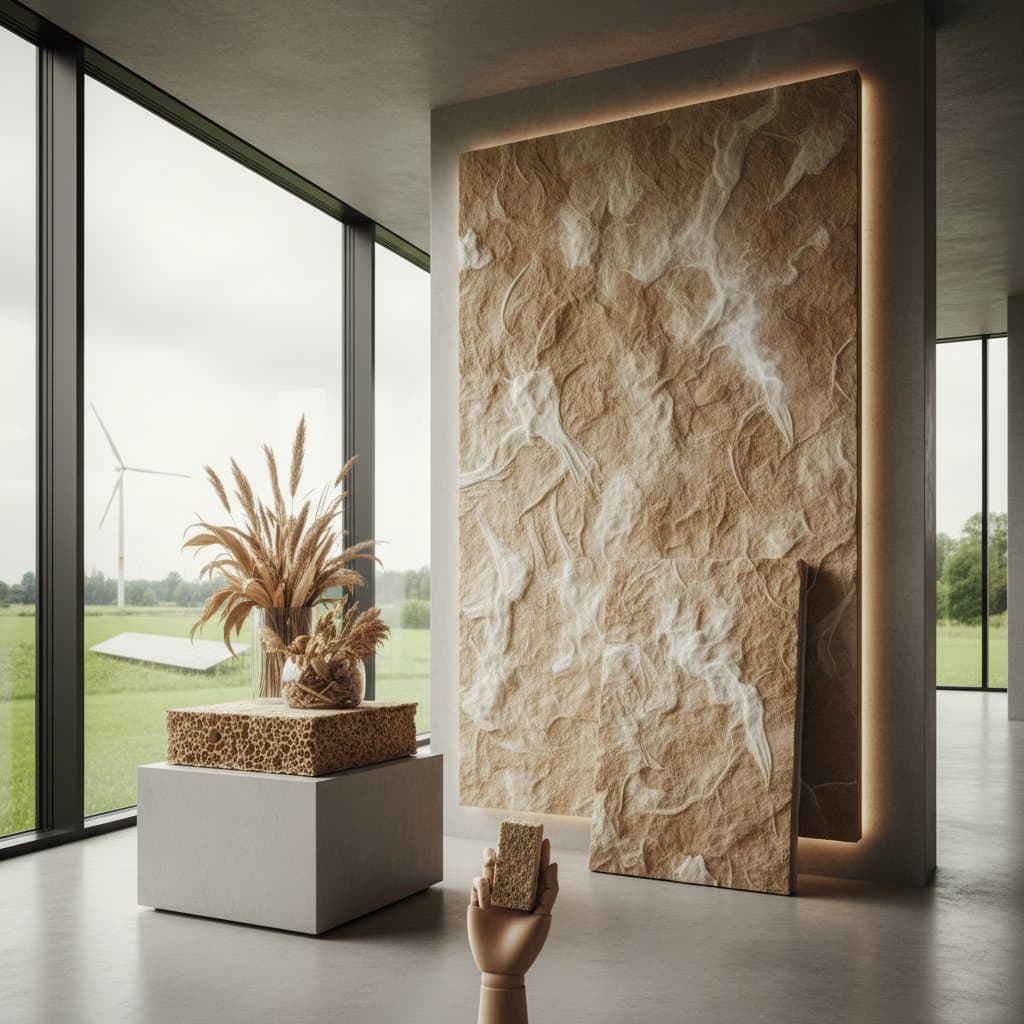
Mycelium Insulation Grows Into Your Walls Like Nature's Foam
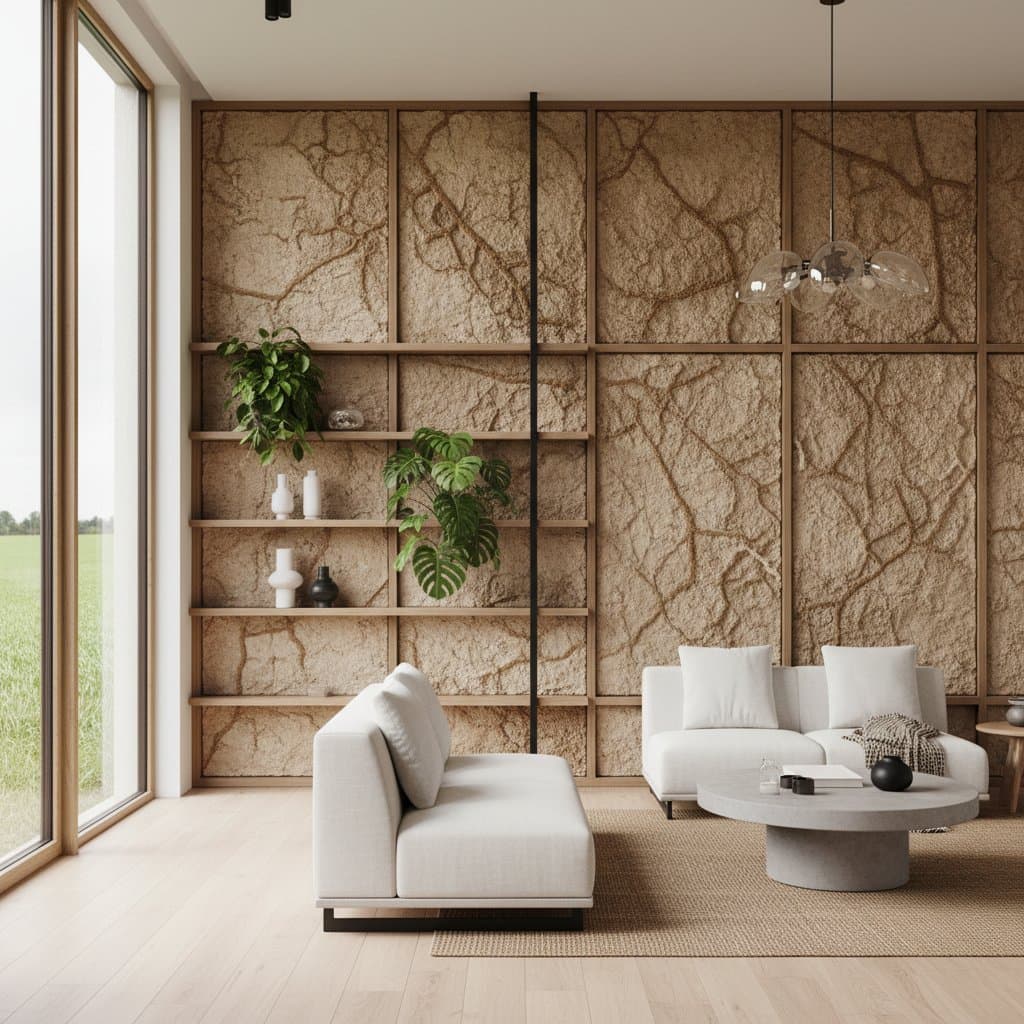
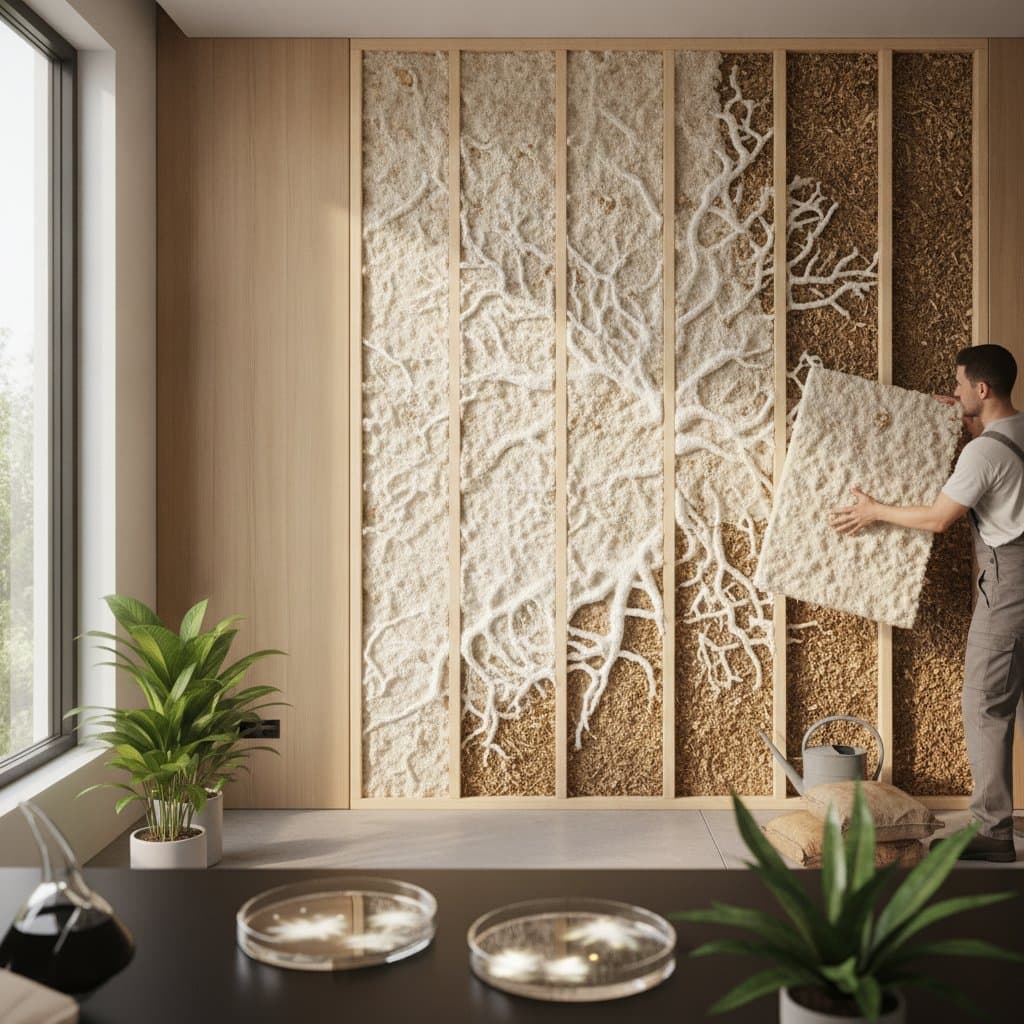
Mycelium insulation grows from fungal roots on organic waste to deliver biodegradable thermal performance, natural fire resistance, and humidity regulation for modern construction.
Loading...
Articles tagged with construction
Mycelium insulation grows from fungal roots on organic waste to deliver biodegradable thermal performance, natural fire resistance, and humidity regulation for modern construction.
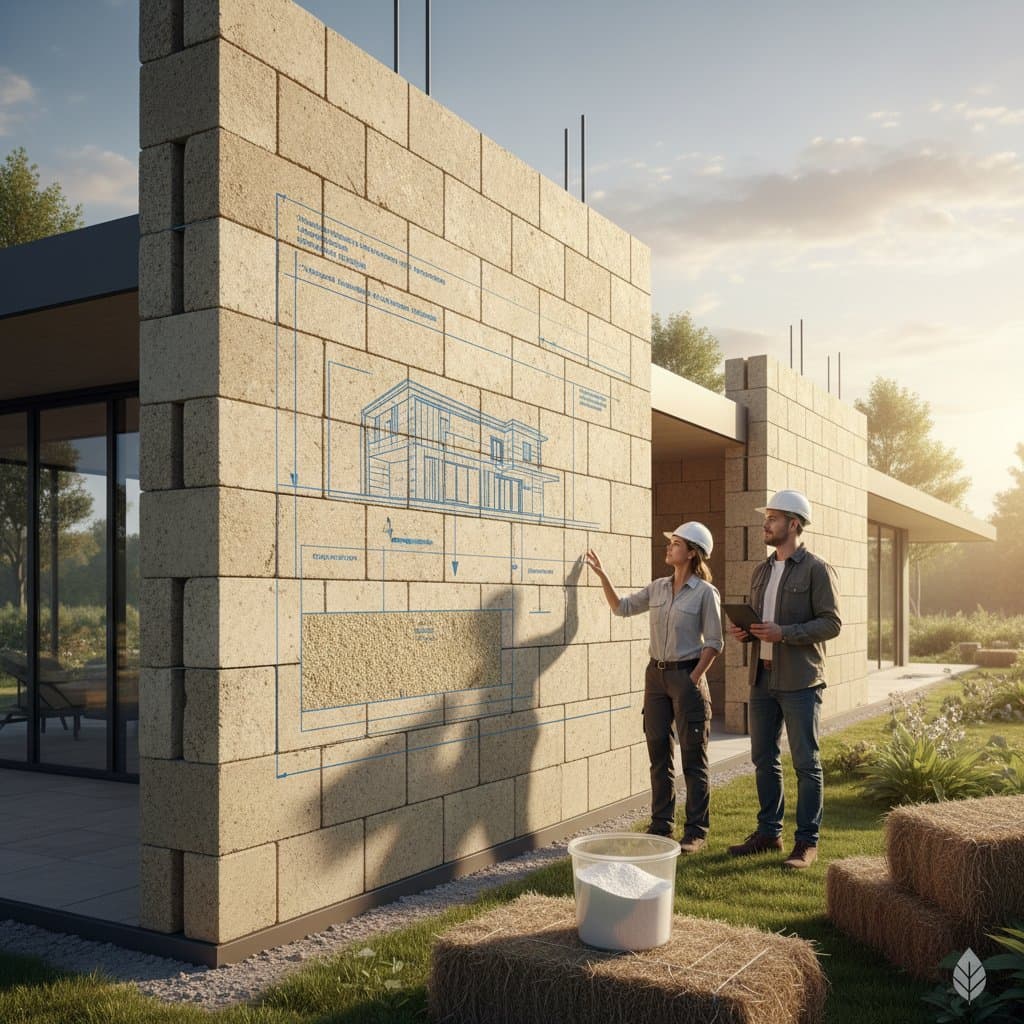
Hempcrete revolutionizes sustainable building through carbon-negative properties, breathable walls, and insulation that slashes energy use by up to 50%. Crafted from hemp, lime, and water, it boosts air quality, cuts costs over time, and sequesters carbon, showing that green homes deliver performance and value.
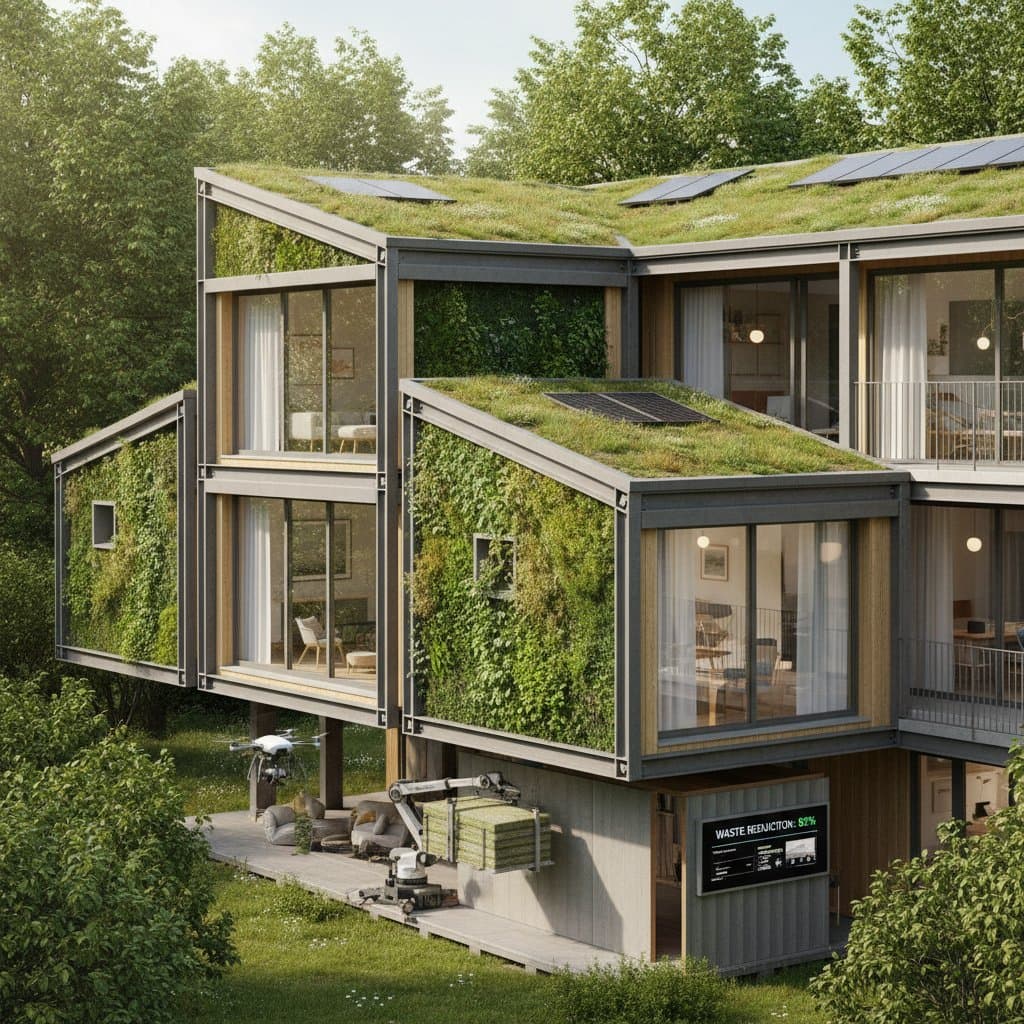
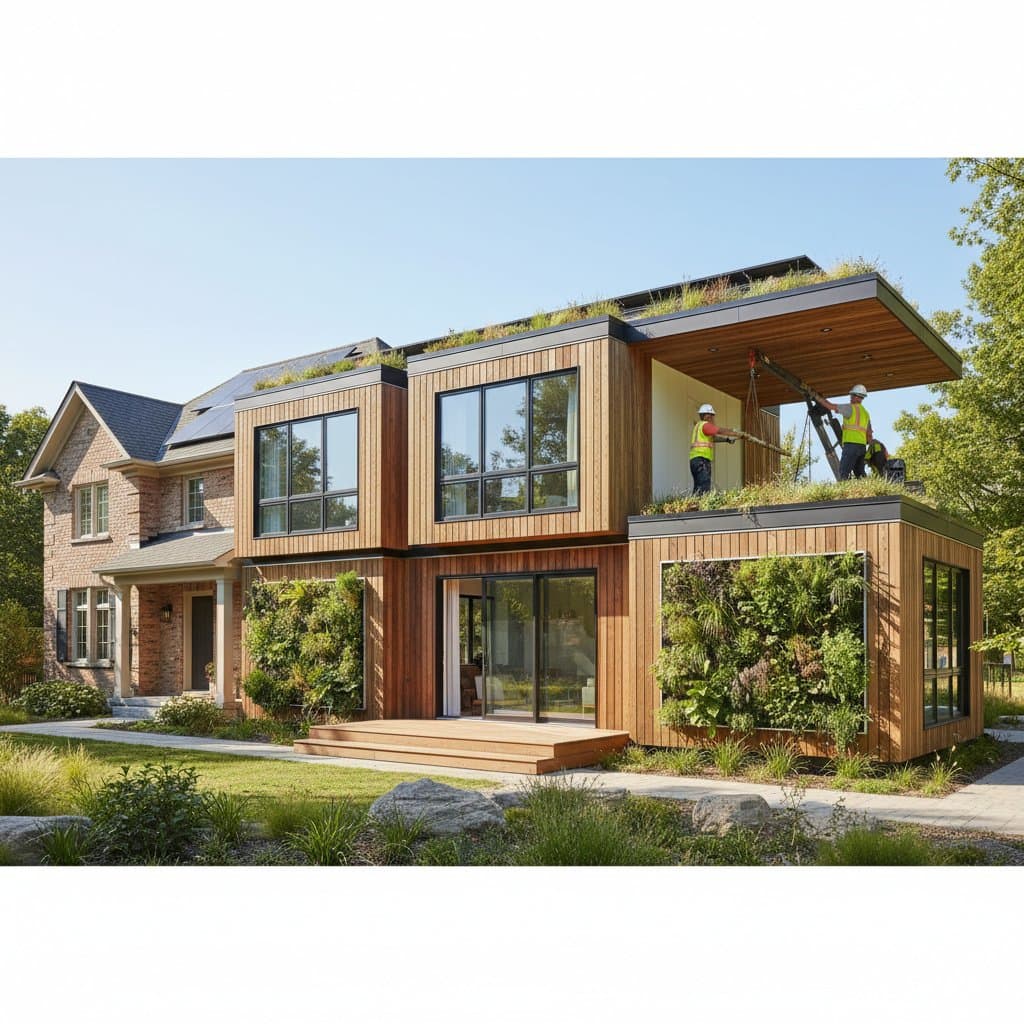
Modular green additions revolutionize home expansions with sustainable materials, precise off-site building, and efficient designs. They slash waste and timelines, elevate comfort and durability, and increase property worth, providing budget-friendly, eco-conscious upgrades for resilient modern living spaces.
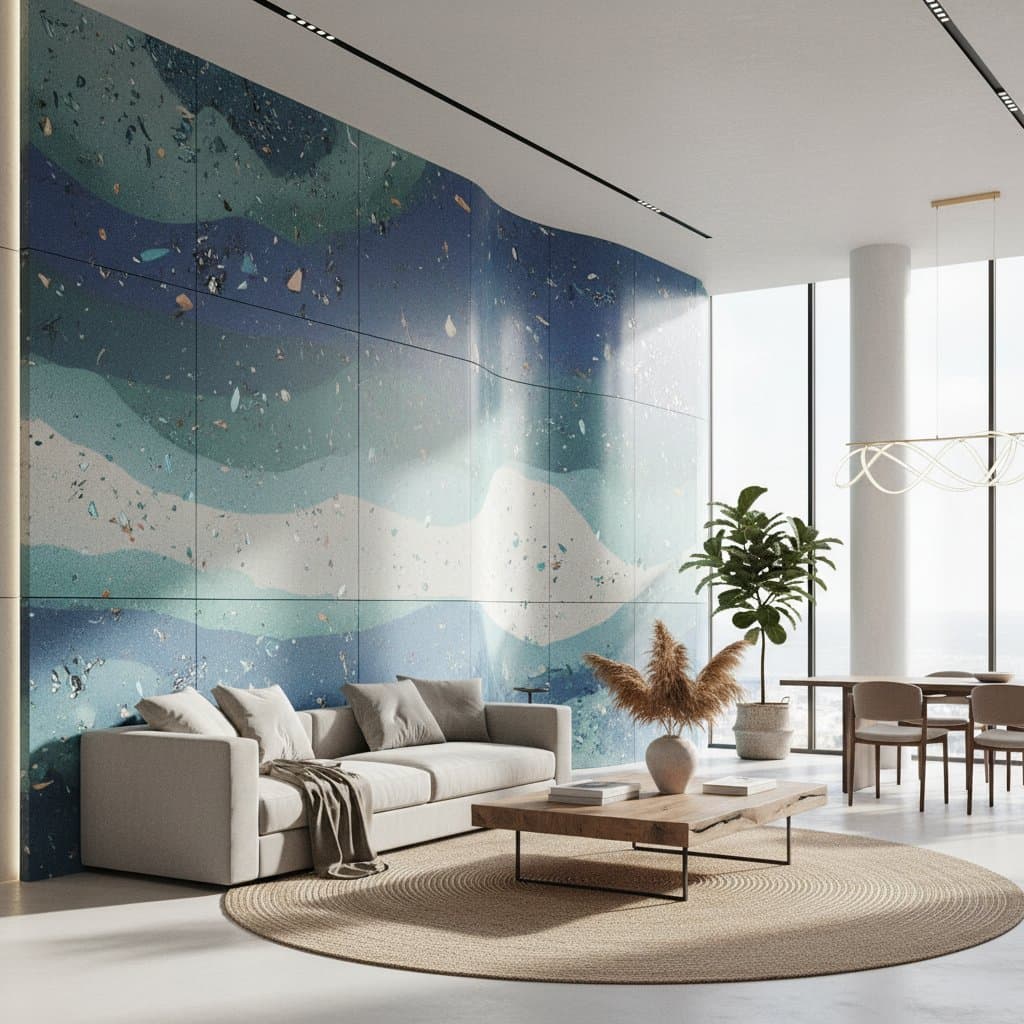
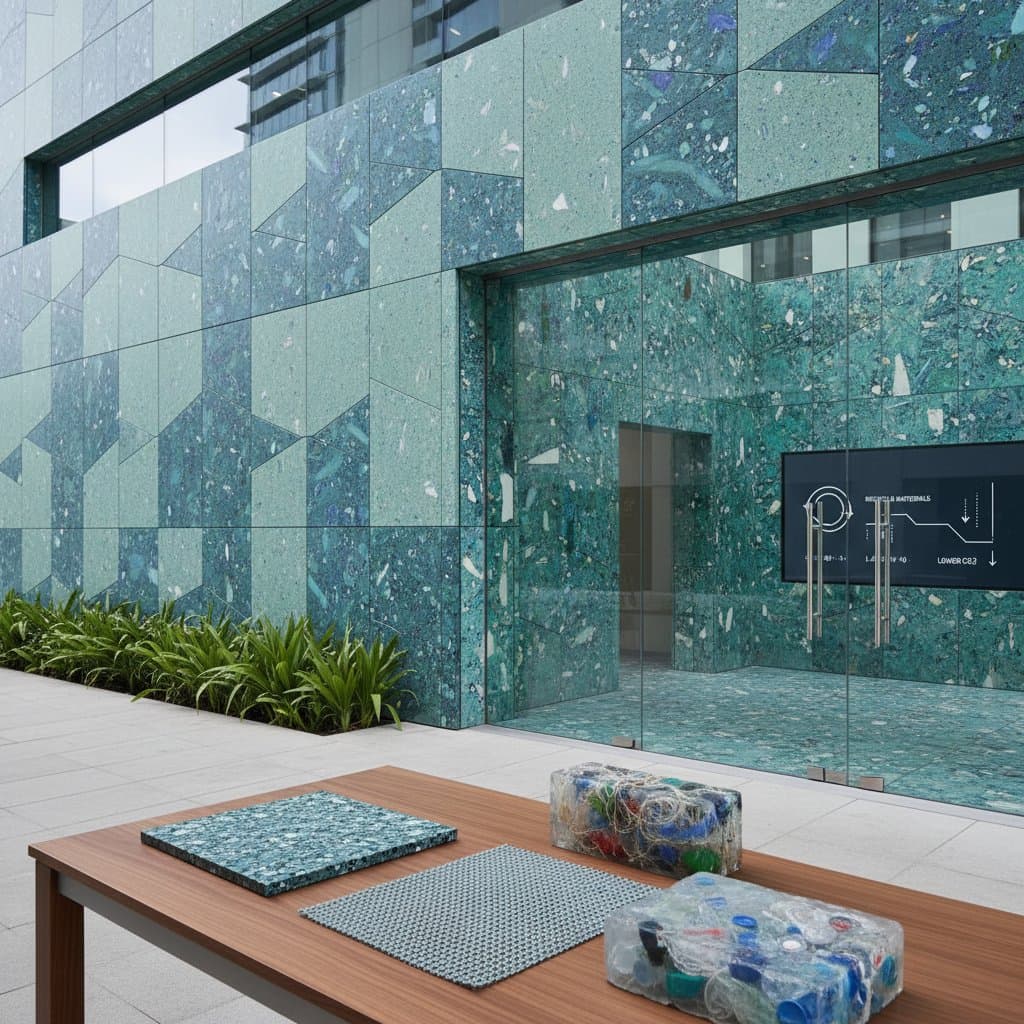
Recycled ocean plastic emerges as a game-changer in construction, providing robust, low-carbon alternatives that match the performance of traditional materials. This innovation offers builders and homeowners enhanced strength, superior moisture resistance, and significant long-term savings, all while minimizing environmental harm. As market demand surges alongside sustainability incentives, ocean plastic paves the way for profitable, eco-conscious architecture that repurposes marine waste into resilient building foundations.
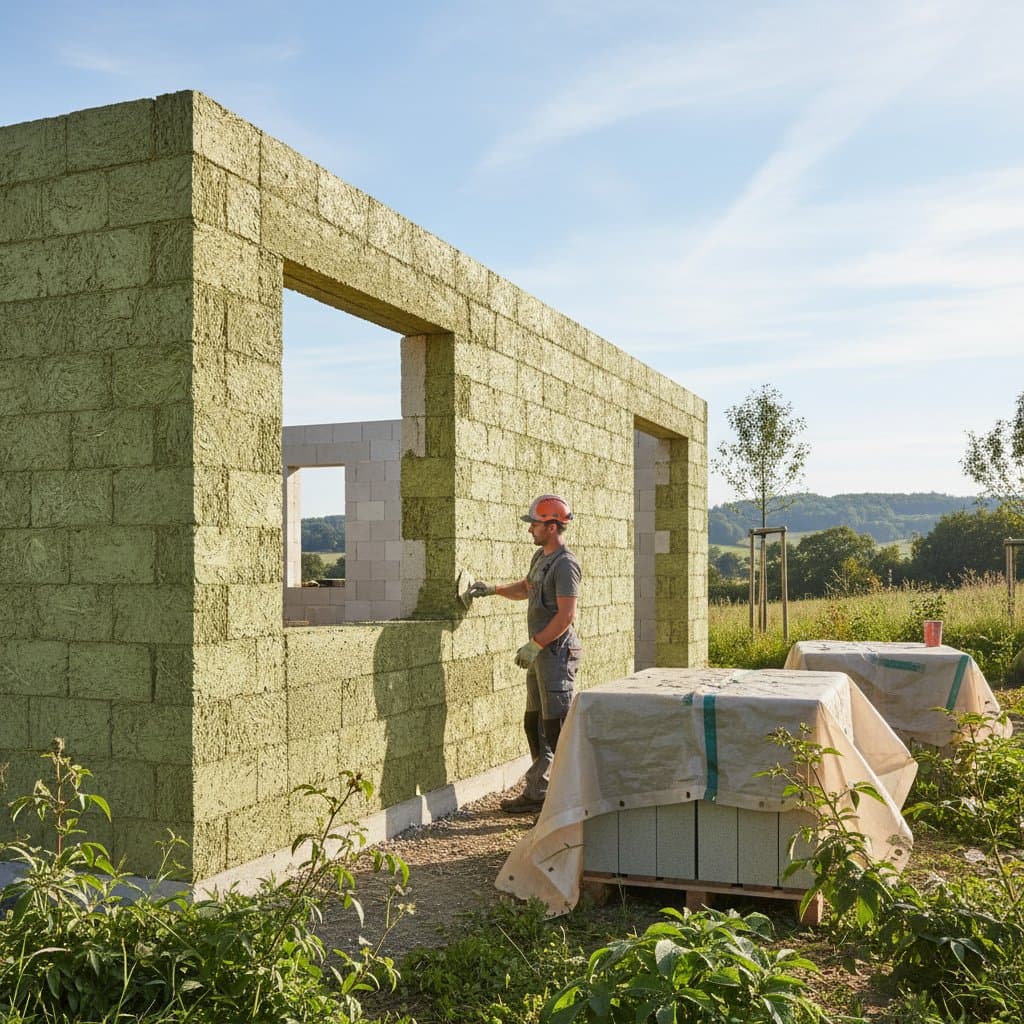
Hempcrete redefines green building through its carbon-sequestering properties, effective insulation, and humidity management. Composed of hemp hurd, lime, and water, it builds durable, efficient residences. Though facing supply and code issues, its ecological, financial, and wellness advantages herald it as a vital element in future sustainable architecture.
Modular green additions enable homeowners to expand living spaces rapidly, sustainably, and cost-effectively. These prefabricated units reduce waste, accelerate timelines, and provide exceptional energy performance. Customizable options, robust materials, and ongoing savings improve comfort, boost resale value, and build resilience for evolving needs.
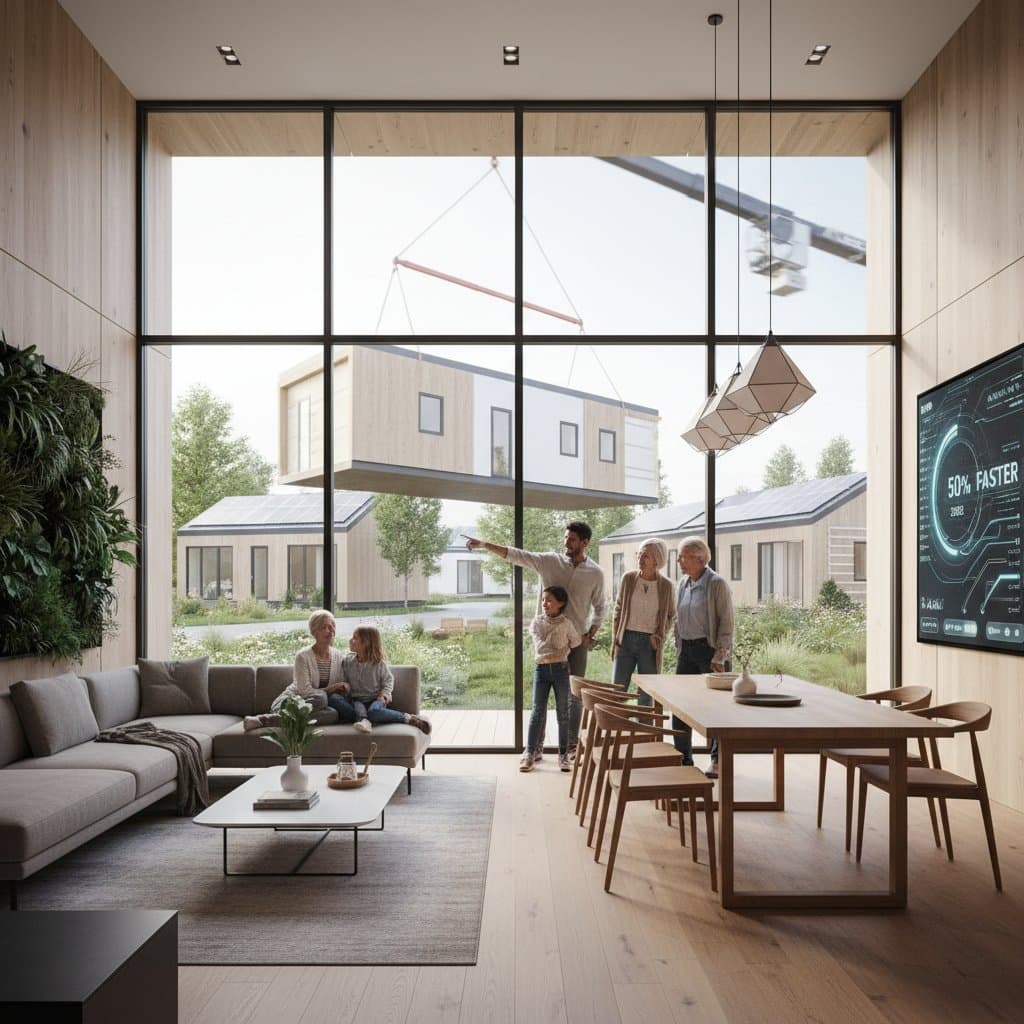
Modular homes transform sustainable housing by slashing build times up to 50 percent, curbing waste, and optimizing energy use. Precision-built with green materials, they provide versatile designs, cost savings, and enduring benefits. See how this method paves the way for efficient, future-proof homes.
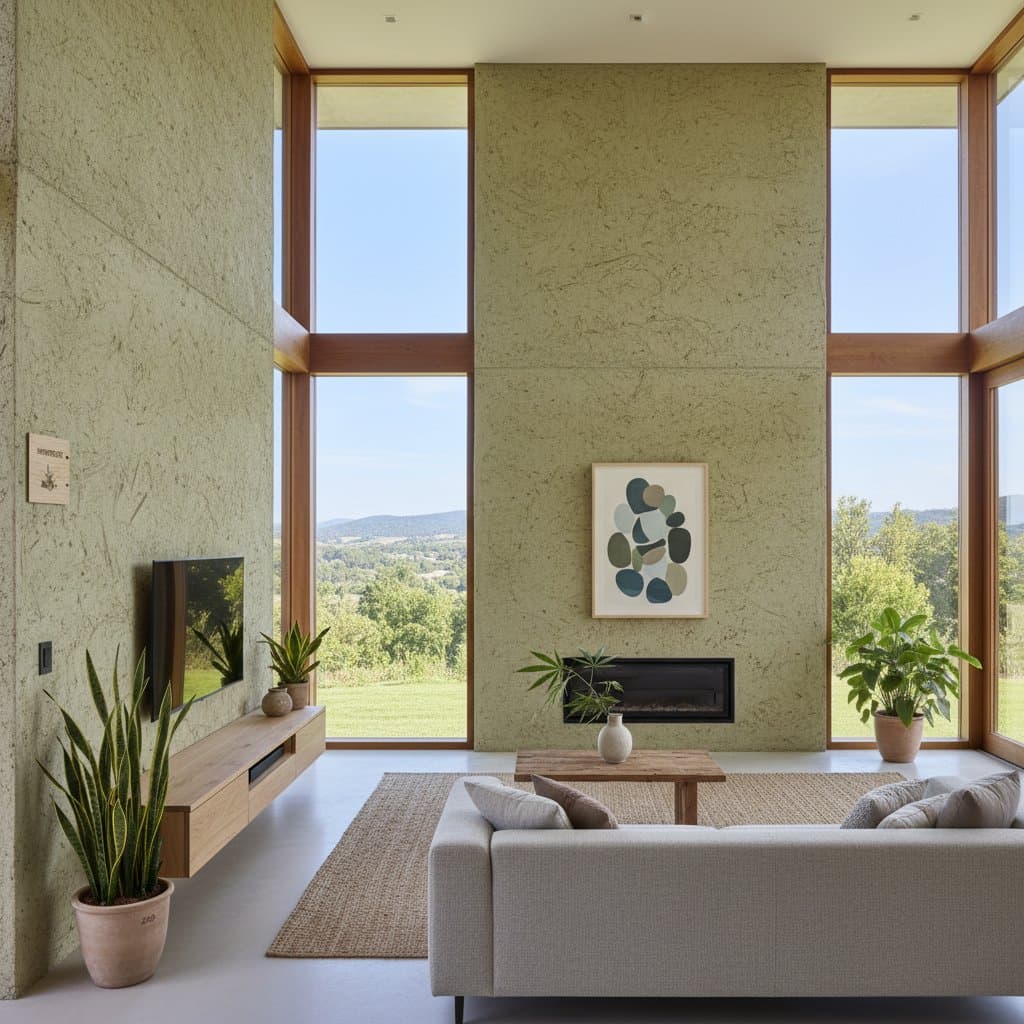
Mycelium insulation, cultivated from the root-like structures of mushrooms on agricultural waste, transforms sustainable homebuilding. This renewable material sequesters carbon, provides inherent fire resistance, absorbs sound effectively, and delivers energy savings comparable to conventional options. With declining costs and enhanced durability, mycelium positions itself as a key element in creating resilient, environmentally conscious residences.
By 2026, hempcrete walls emerge as a preferred choice for construction, merging sustainability, energy savings, and robustness. Composed of hemp hurd, lime, and water, it sequesters carbon, manages moisture, and lowers utility expenses. Despite a modest initial premium, benefits include superior air quality, enduring cost reductions, and alignment with progressive building practices.
Hempcrete walls transform sustainable building practices by sequestering carbon, managing temperature and humidity, and enhancing indoor environments. Composed of hemp hurds, lime binder, and water, this breathable option reduces energy use and increases comfort. Despite higher initial costs, its enduring savings, resilience, and environmental contributions position it as an ideal selection for eco-conscious residences.
Mycelium and hemp transform sustainable construction with renewable, carbon-sequestering options to concrete and plastics. These materials yield breathable, efficient, and biodegradable homes. Backed by research, applications, and incentives, they promise to reshape green architecture by 2025, drawing directly from natural sources.
Hempcrete and mycelium transform sustainable construction by providing carbon-sequestering, energy-efficient alternatives to concrete and plastics. These bio-materials reduce energy expenses by as much as 40 percent, enhance indoor air quality, and recover costs in just a few years. Integrated into buildings, they deliver environmental accountability alongside enduring financial and health advantages.
Mycelium-based insulation redefines eco-friendly construction in 2025. This material, derived from fungal networks and agricultural waste, provides superior fire resistance, biodegradability, and thermal efficiency while enhancing indoor air quality and reducing energy consumption.
Recycled ocean plastic transforms marine waste into versatile, high-strength building materials that cut carbon emissions, expand design possibilities, and provide economic advantages. As technology advances and sustainability expectations grow, these materials lead the charge toward greener architecture in 2025 and beyond.
Passive House retrofits reduce heating costs by up to 90 percent, converting inefficient homes into comfortable, energy-saving spaces. Airtight building envelopes, advanced insulation, and heat-recovery ventilation systems provide long-term financial benefits, improved indoor air quality, and higher resale value. Discover strategies for effective planning, incremental upgrades, and certification to optimize your home's performance.
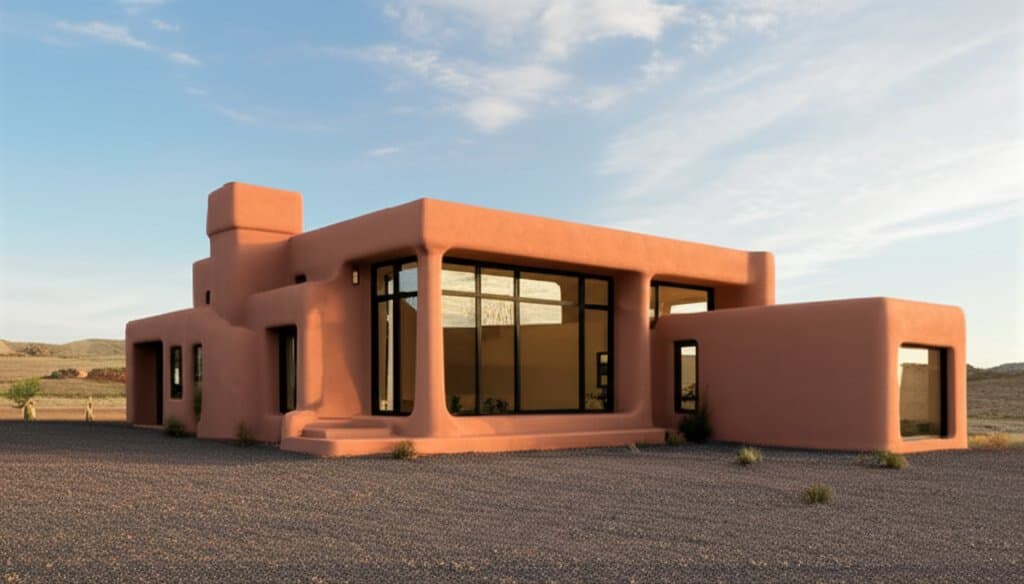
3D printed adobe homes fuse traditional building methods with advanced automation, delivering cost-effective, energy-efficient, and durable housing. These structures offer faster construction, lower utility costs, and healthier living spaces, making them a smart choice for sustainable living and long-term value.