Key Points
- Hempcrete walls sequester carbon from the atmosphere, positioning them among the rare construction materials that contribute to air purification rather than pollution.
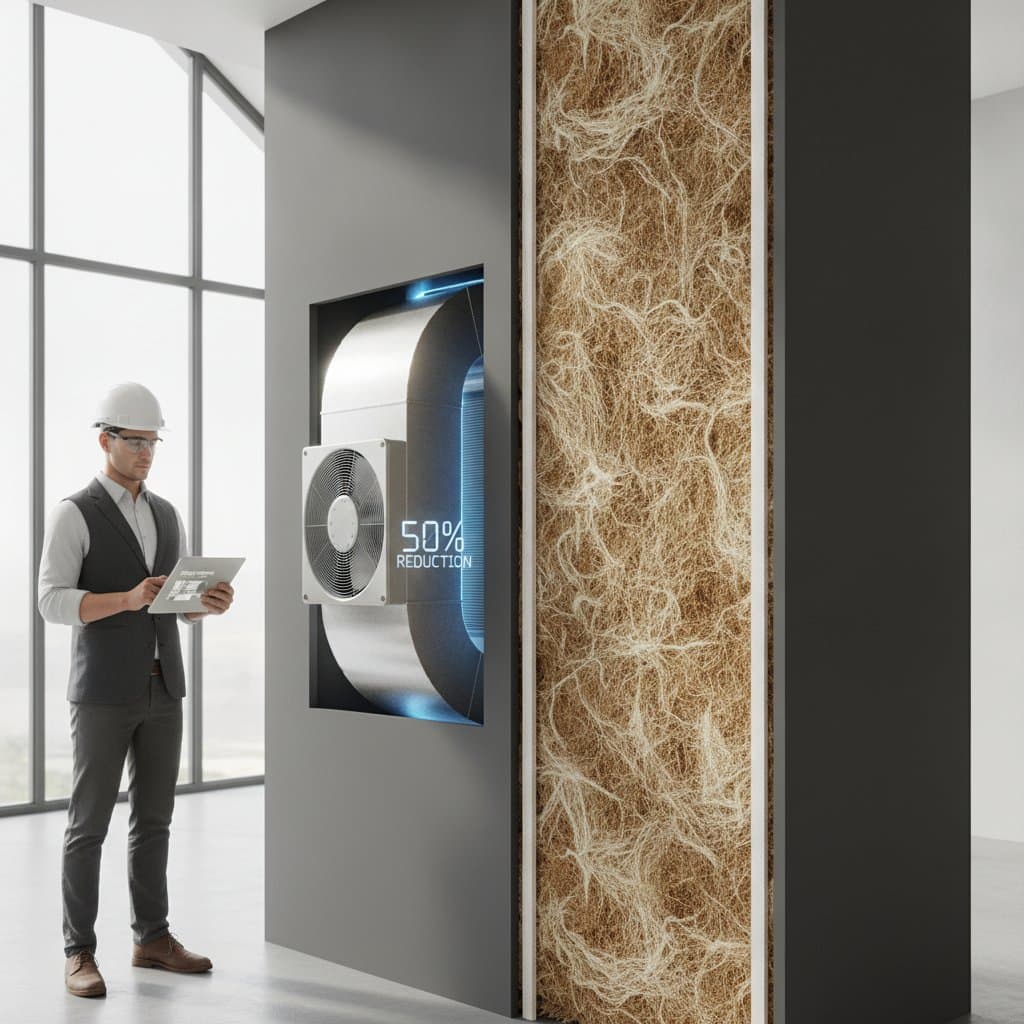
- The composition provides inherent insulation, regulates humidity levels, and resists fire, which lowers energy consumption and upkeep requirements.
- Although upfront expenses exceed those of traditional walls, extended savings, potential carbon credits, and robust longevity offset the difference.
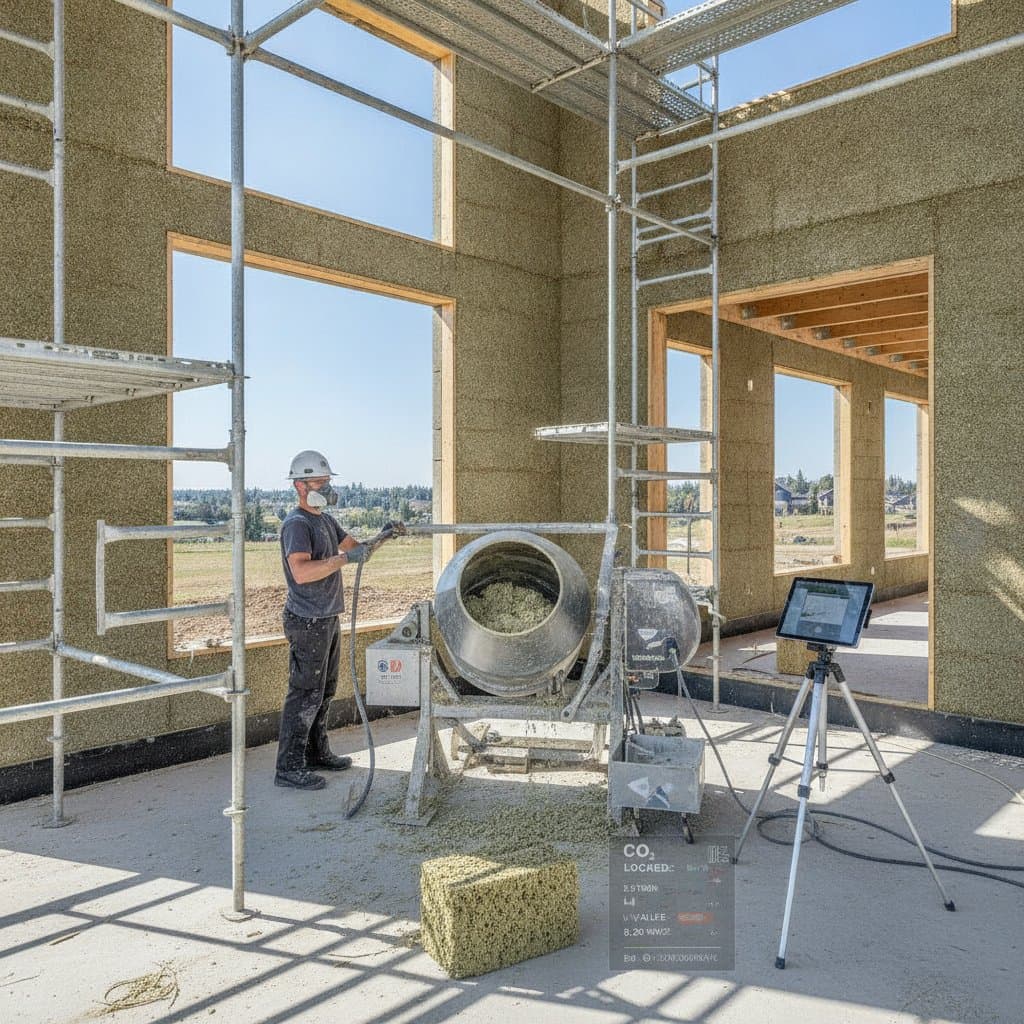
- Construction with hempcrete demands precise design, as it serves solely as non-structural infill and requires integration with supporting frames such as timber or steel.
- Builders and residents pursuing environmentally sound, adaptable solutions find hempcrete a plant-derived material that combines superior ecological impact with contemporary livability.
Why Hempcrete Matters Now
The construction sector ranks among the largest sources of carbon emissions worldwide, accounting for nearly 40 percent of global greenhouse gases. Traditional concrete production and installation exacerbate this issue with every slab or wall erected. Hempcrete offers a reversal, functioning as a carbon sink.
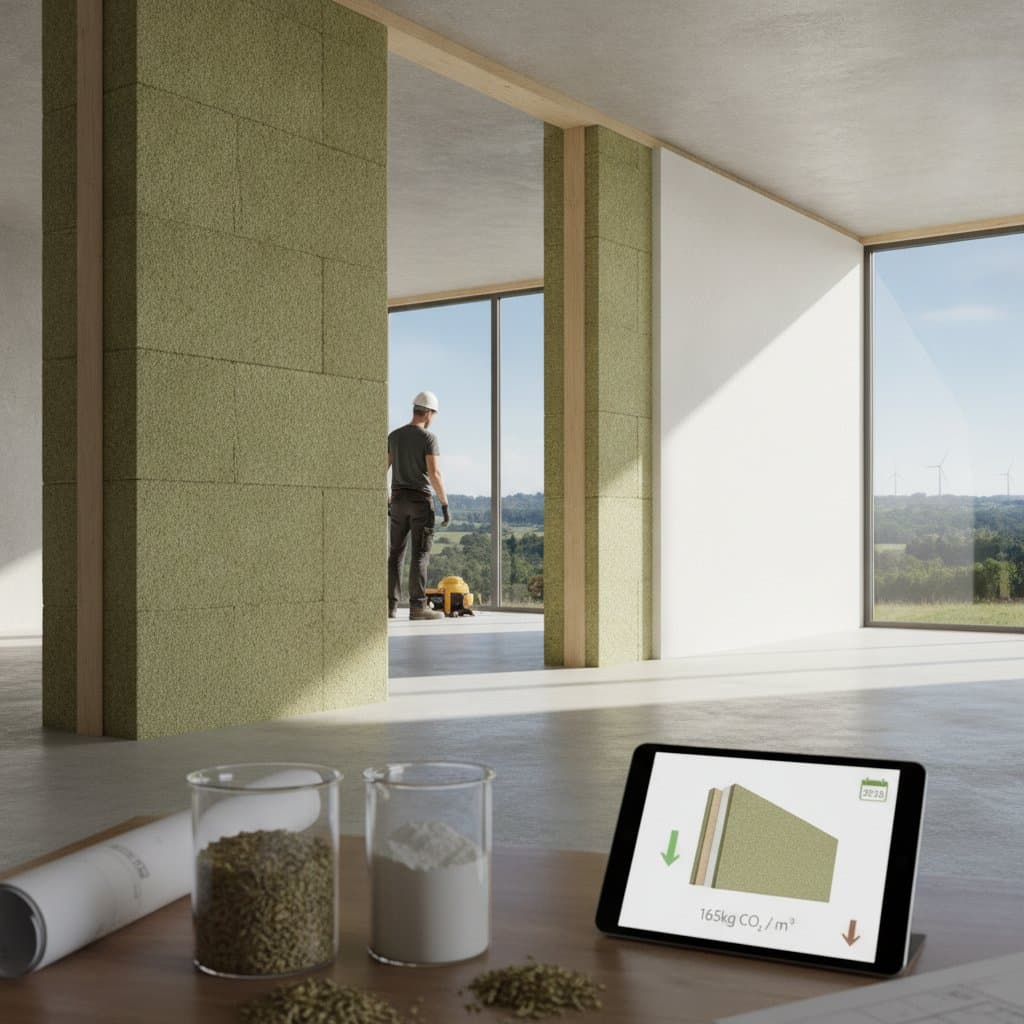
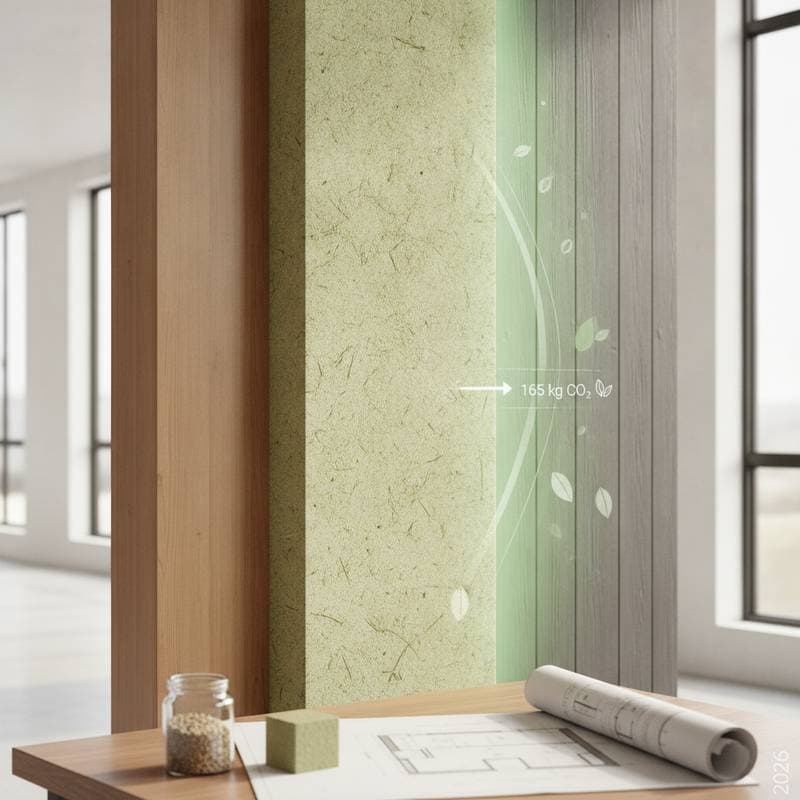
Hemp plants draw in carbon dioxide during growth, storing it within the fibrous hurd, the plant's inner core. Mixed with lime binder and water, this hurd forms a durable, lightweight block that continues to capture carbon during the curing process, which can span months. The final structure retains more carbon than the production process emits, rendering the building carbon-negative over its lifecycle.
Beyond environmental gains, economic factors underscore hempcrete's relevance. Rising energy costs and stricter sustainability mandates favor materials that minimize operational expenses and secure green building certifications. Homes featuring hempcrete deliver superior thermal performance, slashing utility bills by optimizing temperature control. Such properties also attract buyers prioritizing sustainability, often yielding higher market values in eco-aware regions.
Cost Breakdown and ROI Analysis
Hempcrete installation typically incurs 10 to 25 percent higher costs compared to standard wall systems, encompassing materials, expert labor, and extended curing periods. However, a comprehensive evaluation reveals substantial long-term advantages.
- Material Costs: The hurd and lime mixture generally ranges from $12 to $20 per square foot for complete wall sections, varying by regional sourcing and quality.
- Labor Costs: Specialized teams command rates of $50 to $80 per hour, influenced by geographic location, crew experience, and project complexity.
- Energy Savings: Residents observe 20 to 40 percent decreases in heating and cooling expenses, attributable to the material's thermal mass and insulating properties that stabilize indoor climates.
- Maintenance: Hempcrete resists decay, mold growth, and pest infestation without needing synthetic barriers, potentially saving thousands over 50 years or more.
- Resale and Value Retention: Properties with sustainable features like hempcrete often sell more quickly and fetch 5 to 10 percent premiums, contingent on local demand and achieved certifications such as LEED.
Incorporating these elements, the return on investment for hempcrete emerges within 7 to 12 years. Thereafter, ongoing reductions in costs and environmental contributions provide compounded benefits, particularly for long-term owners committed to sustainability.
Factors Influencing the Project
Multiple considerations shape the suitability of hempcrete for a specific build or renovation.
-
Climate Zone
Hempcrete performs optimally in moderate and cooler environments, where its insulation and moisture management prevent energy loss and condensation. In high-humidity or tropical areas, enhanced detailing with lime-based finishes and ventilation systems mitigates water retention risks. -
Building Codes
Hempcrete receives increasing approval under international green standards, yet local regulations might necessitate engineering reports for non-structural use. Collaboration with architects versed in natural materials streamlines approvals and compliance. -
Financing and Incentives
Certain financial institutions and sustainability initiatives view hempcrete as a qualifying upgrade, unlocking access to favorable loans, tax credits, or rebates through programs like energy efficiency grants. -
Project Scale
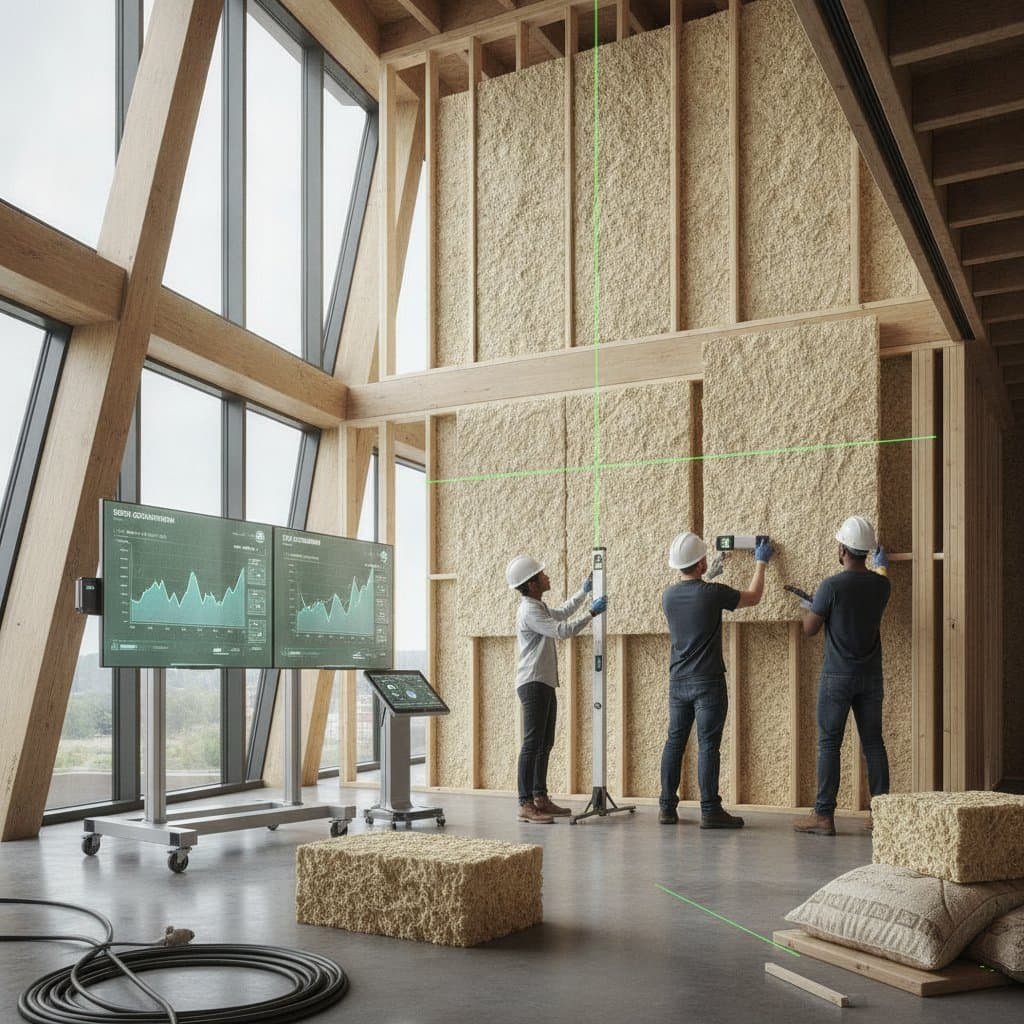
Smaller projects benefit from prefabricated hempcrete panels or blocks for easier integration. Extensive new constructions leverage on-site casting to maximize the material's thermal and acoustic benefits.
Frequently Asked Questions
Is hempcrete legal everywhere?
Hempcrete complies with regulations in most areas when used as non-load-bearing infill or insulation, provided engineering plans verify structural integrity. Availability depends on local adoption of bio-based standards.
Can I retrofit an existing house with hempcrete?
Yes, retrofits involve removing old insulation and inserting hempcrete blocks or casts into wall cavities. Pairing this with improved windows and sealing enhances overall performance and efficiency.
How long does hempcrete last?
When installed correctly, hempcrete endures for hundreds of years. The lime binder strengthens progressively, and the material's breathability averts damage from trapped moisture that plagues conventional insulations.
Does growing hemp for construction compete with food crops?
Industrial hemp matures rapidly on marginal lands, demanding minimal irrigation or chemicals compared to staple crops. Its roots enrich soil by reducing erosion and adding nutrients.
Is hempcrete more sustainable than recycled concrete or wood fiber panels?
Sustainability varies by context. Recycled concrete diverts waste from landfills, and wood fiber offers solid insulation. Hempcrete excels through active carbon sequestration, superior vapor permeability, and exceptional longevity without chemical treatments.
Steps to Implement Hempcrete in Your Build
Adopting hempcrete represents a commitment to durable, low-impact construction. Begin by assessing your project type—new build or retrofit—to guide structural choices and budgeting. Engage architects or contractors experienced in natural materials to navigate codes and optimize design.
For hands-on projects, experiment with hempcrete in non-critical areas like outdoor enclosures to build familiarity. In full-scale applications, prioritize certified suppliers for consistent quality and monitor curing under controlled conditions. This approach ensures the material's benefits translate into a resilient, comfortable living space that supports planetary health.