Hempcrete: A Carbon-Sequestering Insulation for Sustainable Homes
Sustainable building practices extend beyond visible features like solar panels or efficient windows. The true innovation often resides within the structure itself. Hempcrete emerges as a bio-based insulation that redefines carbon management, resident comfort, and economic viability in construction.
Hempcrete functions as a lightweight, porous material that integrates seamlessly into walls. Builders apply it around timber frames to create insulating cores that endure environmental stresses. This approach not only minimizes energy consumption but also contributes positively to atmospheric carbon levels.
Essential Characteristics of Hempcrete
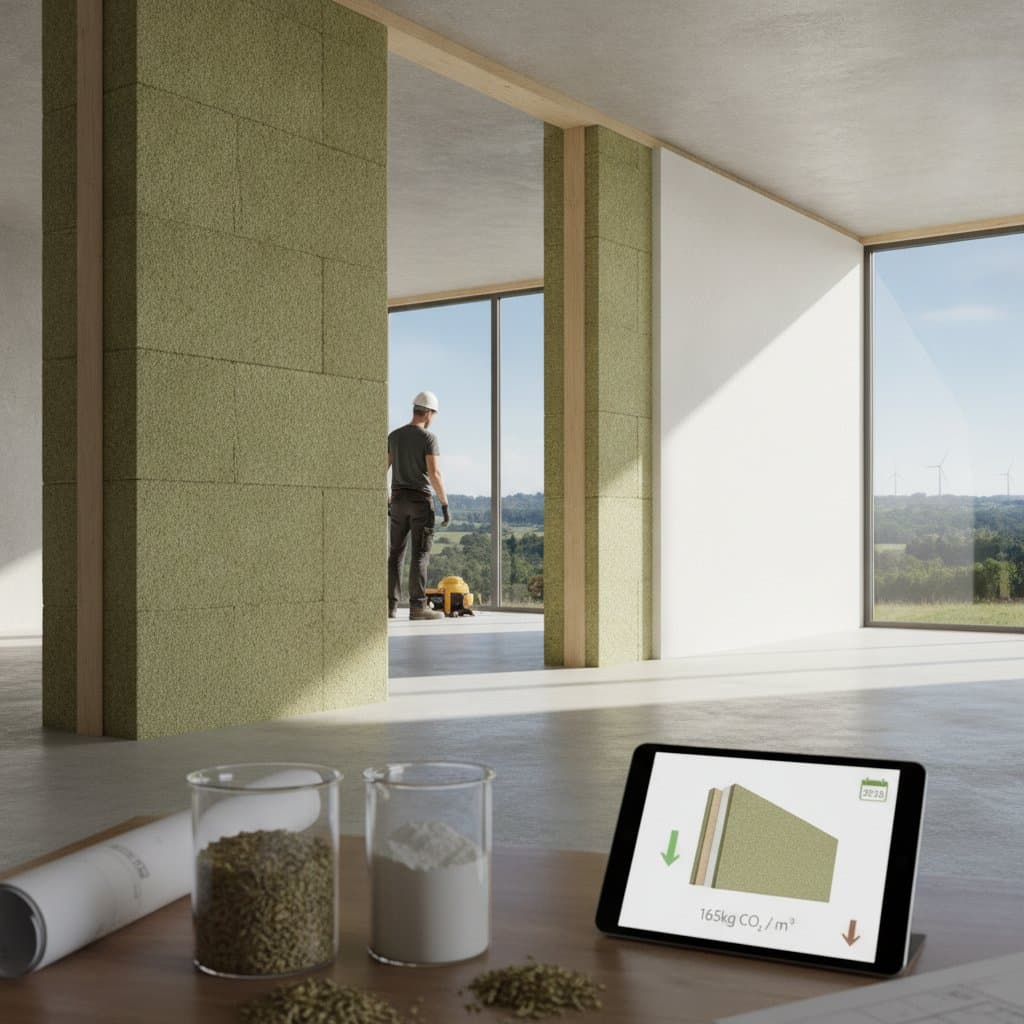
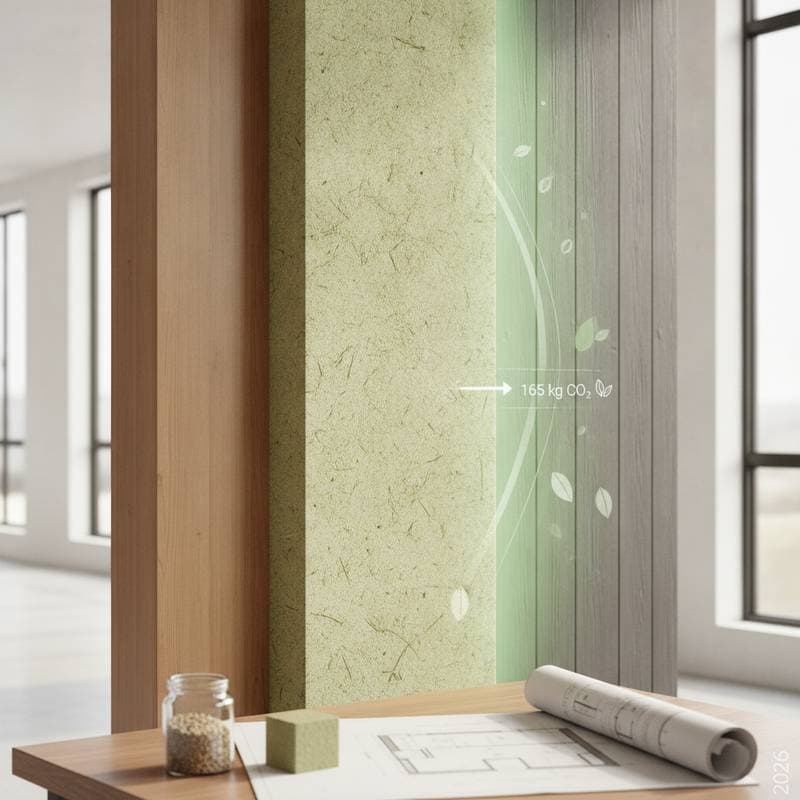
Hempcrete demonstrates remarkable carbon storage capacity. Each cubic meter sequesters up to 165 kilograms of carbon, establishing it as a net-negative contributor to greenhouse gas emissions. The composition relies on renewable resources: the inner hurds of the hemp plant serve as the aggregate, combined with a lime binder and water.
This formulation yields benefits in thermal performance and moisture control. The material exhibits high thermal mass, which stabilizes indoor temperatures and curtails reliance on heating or cooling systems. Additionally, its breathable nature prevents condensation issues, fostering healthier living spaces without the risks associated with synthetic barriers.
Durability defines hempcrete's appeal for long-term projects. Walls constructed with this material withstand decades of use with limited upkeep. Indoor air quality improves due to the absence of off-gassing chemicals common in conventional insulators.
Initial expenses for hempcrete surpass those of standard alternatives. However, the combination of reduced energy demands and extended service life recoups costs over time. Environmental advocates recognize its role in advancing carbon-neutral architecture.
Distinguishing Hempcrete from Conventional Materials
Most insulation options derive from non-renewable sources, such as petrochemical foams or fiberglass derived from sand and recycled glass. Hempcrete shifts this paradigm by utilizing fast-growing hemp plants, which regenerate fields rapidly without depleting soil nutrients. The hurds, comprising about 70 percent of the hemp stalk, provide a fibrous base that enhances the material's structural integrity.
Production of hempcrete avoids the high-energy processes that plague cement-based products. Lime acts as a natural binder that hardens through carbonation, a process where the material draws CO2 from the air to form calcium carbonate. Studies indicate that hemp's growth phase alone absorbs over 1.5 tons of CO2 per ton of biomass, with a significant portion retained post-curing in the built environment.
This carbon-locking mechanism operates continuously during the material's lifecycle. Unlike materials that degrade and release embedded carbon, hempcrete maintains its sequestration as the building ages. Builders thus achieve immediate and sustained reductions in a project's overall carbon footprint.
Enhancing Energy Efficiency and Indoor Comfort
Hempcrete's microstructure, filled with air voids, delivers superior insulation without synthetic additives. This design achieves an R-value comparable to high-performance foams while incorporating thermal mass that moderates temperature swings. In temperate regions, structures with hempcrete walls experience 25 to 30 percent lower energy consumption for climate control.
Moisture management represents another key strength. The lime component exhibits hygroscopic properties, absorbing excess humidity and releasing it when conditions dry. This dynamic equilibrium inhibits mold proliferation and preserves the material's efficacy across seasonal variations.
Residents benefit from consistent comfort levels year-round. The absence of volatile organic compounds ensures cleaner air circulation, potentially alleviating respiratory concerns. Architects specify hempcrete in designs prioritizing occupant well-being alongside ecological responsibility.
Performance Comparison and Economic Analysis
Evaluating hempcrete against established insulators reveals distinct advantages in sustainability and longevity. The following table summarizes key attributes:
| Feature | Hempcrete | Fiberglass | Spray Foam |
|---|---|---|---|
| Carbon Footprint | Negative | Moderate | High |
| Lifespan | 50+ years | 20–30 years | 25–35 years |
| Moisture Resistance | Excellent | Poor | Good |
| Thermal Mass | High | Low | Moderate |
| Average Cost per sq ft (installed) | $13–$17 | $6–$10 | $10–$14 |
Upfront costs for hempcrete reflect the specialized labor and materials involved. Yet, energy savings accumulate rapidly; a typical home might recover the premium through utility reductions within five to seven years. Over the building's lifespan, the net financial and environmental gains become substantial.
Insurance and resale values may also rise for properties featuring bio-based elements. Certifications from green building councils further validate these investments, appealing to buyers focused on sustainability.
Practical Construction Methods for Hempcrete
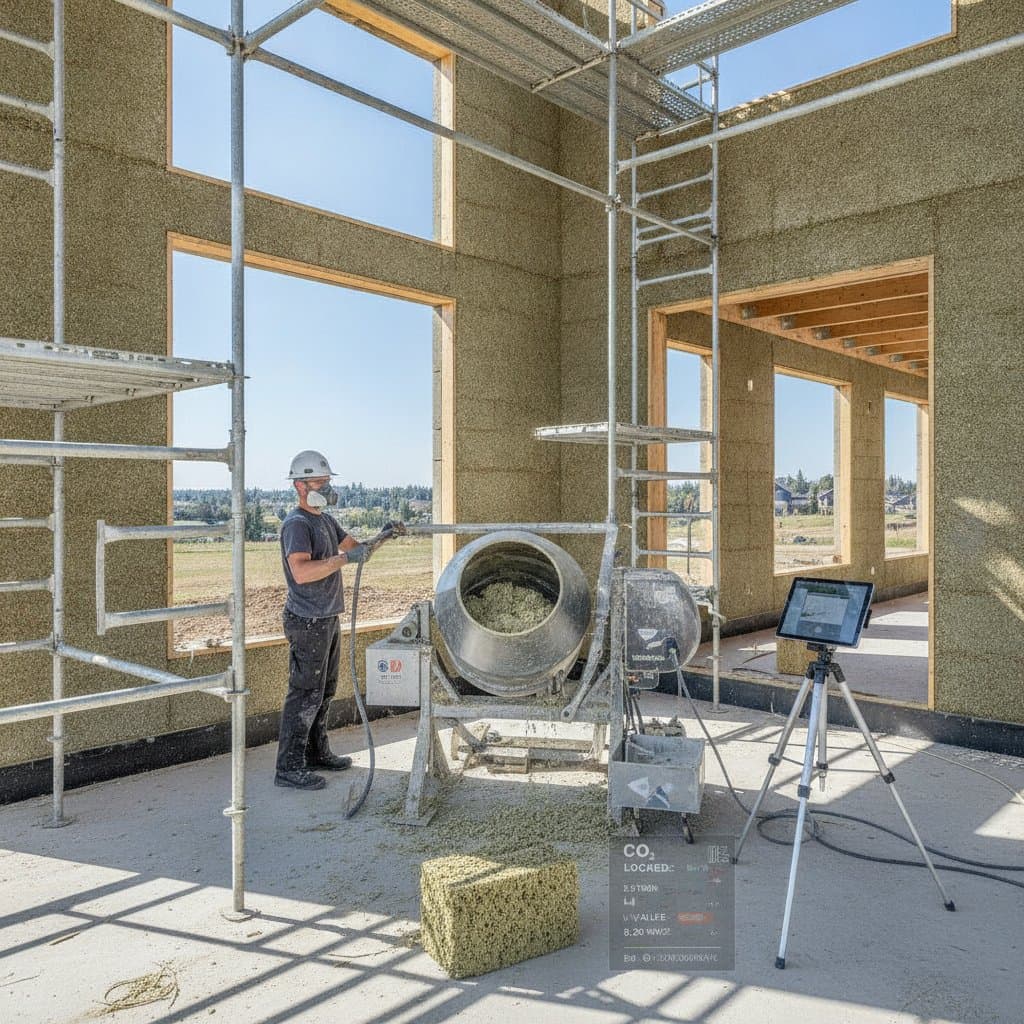
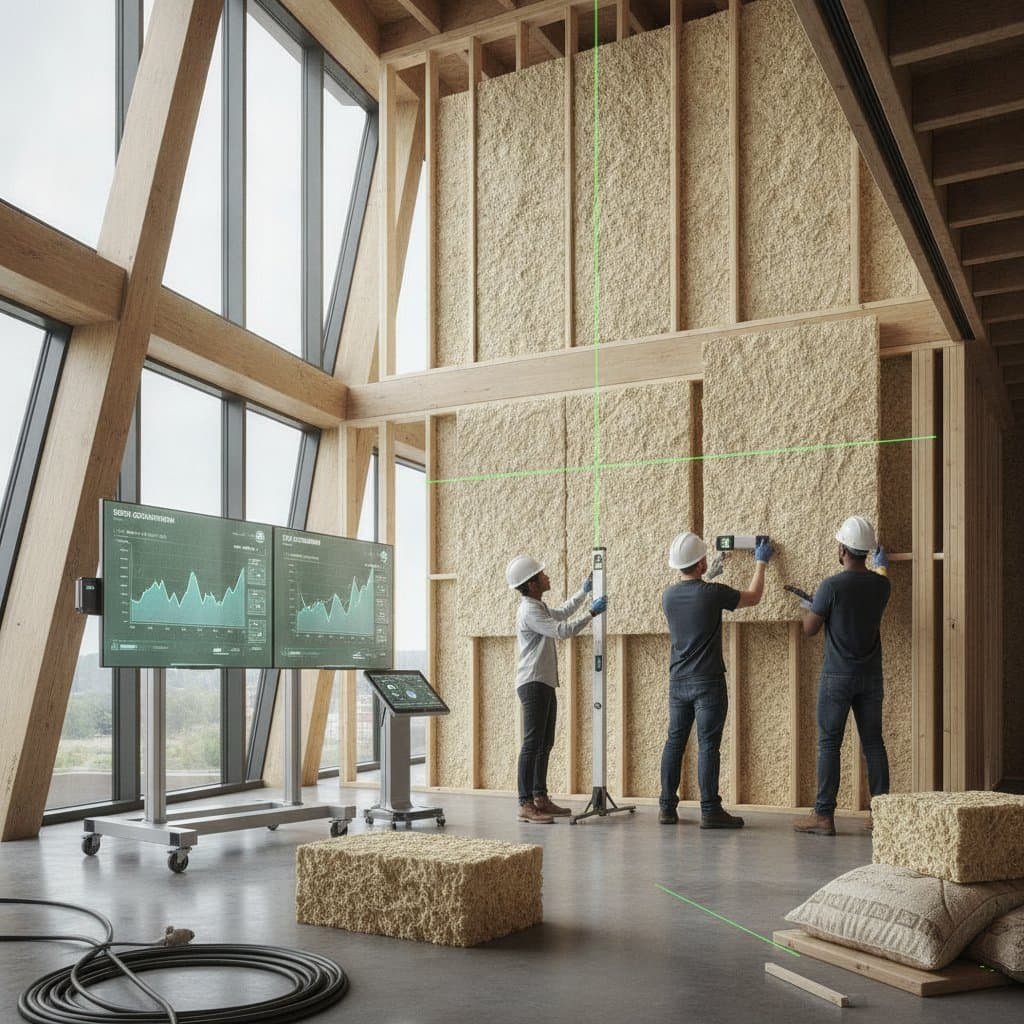
Implementing hempcrete demands attention to preparation and technique, though it requires no heavy machinery. Workers mix the components on-site to a consistency resembling wet sand, then tamp it into formwork around structural framing. Curing occurs naturally over several weeks, allowing the material to gain strength without artificial acceleration.
Prefabricated hempcrete blocks simplify the process for larger-scale applications. These units stack like bricks, reducing labor time and enabling integration with modular construction trends. Finishing options include lime-based renders that complement the material's aesthetic and protective qualities.
Regulatory frameworks support growing adoption. Many jurisdictions now permit hempcrete in load-bearing and non-load-bearing roles, provided installers follow established guidelines. Training programs equip tradespeople with the skills needed for precise execution.
Integrating Hempcrete into Your Building Project
Prospective builders should assess site-specific factors before committing to hempcrete. Evaluate local climate demands and consult structural engineers to confirm compatibility with design plans. Sourcing materials from certified suppliers ensures quality and traceability.
Budgeting involves accounting for both installation and potential incentives, such as rebates for low-carbon builds. Collaborate with architects experienced in natural materials to optimize wall assemblies for maximum performance.
Adopting hempcrete extends beyond immediate construction. It positions the project as a model for sustainable development, inspiring community-wide shifts toward regenerative practices. The result is a residence that sequesters carbon, conserves resources, and enhances quality of life for generations.