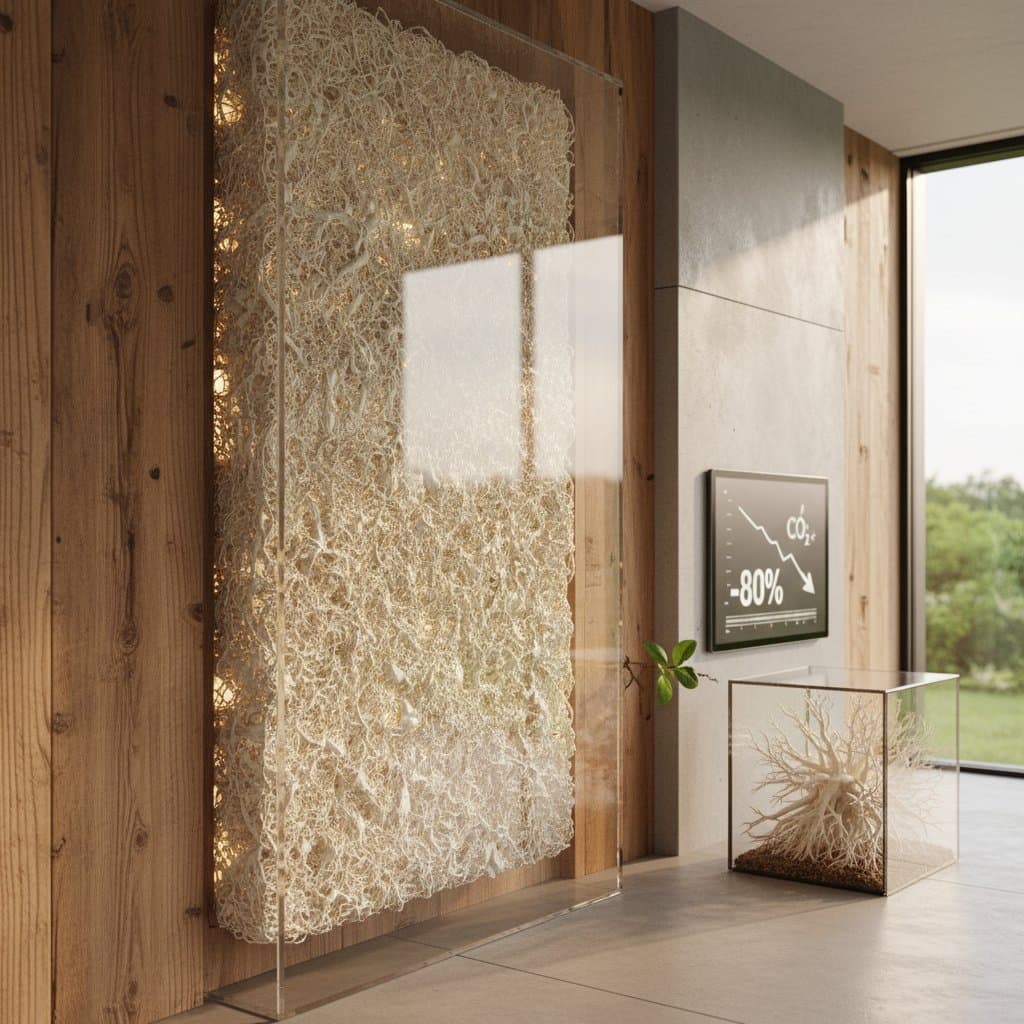
Mycelium Insulation: Revolutionizing Green Homes by 2026
When you enter a home that maintains steady warmth and vitality, consider that the walls may form part of a living system. Mycelium insulation, derived from fungal root structures, reshapes perspectives on construction, comfort, and sustainability. As the building sector pursues lower carbon emissions, mycelium products emerge as a leading choice for environmentally aware builders and residents.
Essential Benefits
- Mycelium insulation reduces embodied carbon in building materials by up to 80 percent relative to traditional foam or fiberglass options.
- The material proves fully biodegradable, inherently fire-resistant, and superior in managing indoor temperature and humidity levels.
- Production through growth rather than manufacturing halves energy consumption.
- Processed mycelium panels endure as long as standard materials and decompose completely at the end of use.
- Researchers and architects forecast widespread adoption of mycelium insulation as a primary green building material in the coming years.
Understanding Mycelium as a Building Material
Mycelium consists of the fungal vegetative network, comprising fine hyphae threads that permeate substrates such as straw, hemp hurds, or sawdust. Under regulated conditions, these threads bind the substrate into sturdy, lightweight panels. The U.S. Department of Energy’s Building Technologies Office highlights that biologically grown materials substantially lower construction emissions.
Mycelium forms in custom shapes without high-heat processes or chemical glues, positioning it as a low-impact substitute for synthetic insulators. This approach minimizes resource demands and environmental strain during creation.
Performance Characteristics
Mycelium insulation delivers thermal resistance of R-3.5 to R-4 per inch, matching many established products. Its porous composition captures air for effective sound absorption and humidity control. Natural coatings protect against pests and mold, avoiding synthetic additives.
Research from the European BioMaterials Institute demonstrates that mycelium panels endure temperatures up to 180 degrees Celsius prior to ignition, enhancing safety. These panels also retain integrity through repeated freeze-thaw exposures, ensuring reliability in varied conditions.
Environmental Advantages Beyond Energy Savings
Mycelium insulation excels through its regenerative qualities, extending past mere efficiency. Conventional insulators like polystyrene, polyurethane foam, and fiberglass depend on fossil fuels and emit greenhouse gases in production. Mycelium utilizes waste materials and sequesters carbon during growth.
Lifecycle Analysis
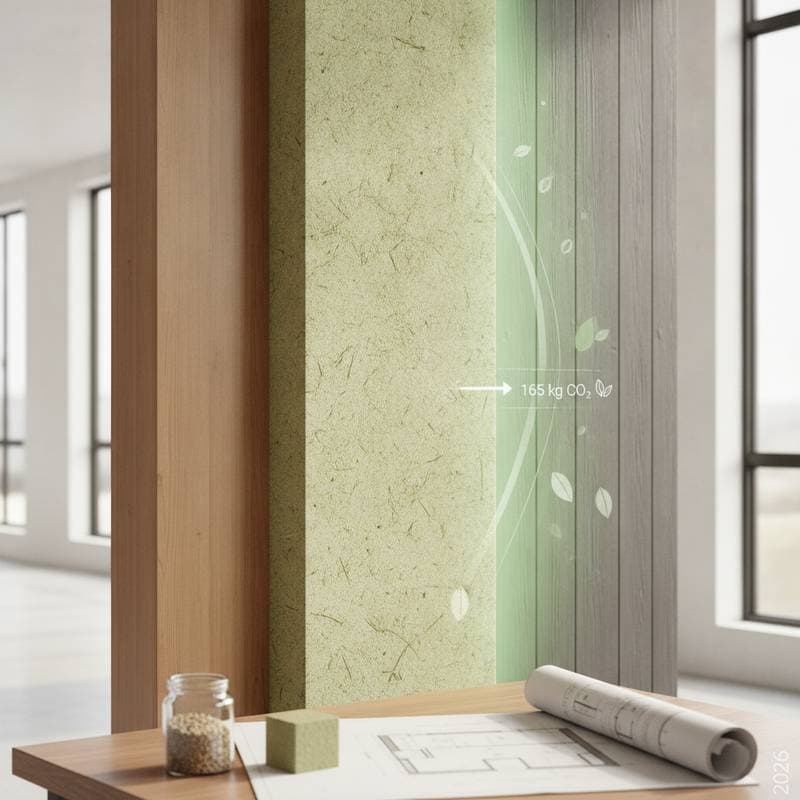
The Sustainable Materials Research Council’s cradle-to-grave assessment reveals that one cubic meter of mycelium insulation generates under 10 kilograms of CO₂ equivalent, far below the 80 kilograms from foam boards. Even wood fiber insulation, a sustainable benchmark, emits about four times more.
At lifecycle end, mycelium decomposes without landfill contribution. Designers often redirect used panels to composting sites, fostering a closed-loop cycle that curbs waste entirely.
Enhancing Indoor Air Quality
Sustainable design increasingly emphasizes indoor air purity. Traditional insulation may release volatile organic compounds or harbor contaminants. Mycelium avoids synthetic binders and formaldehyde, while its structure absorbs and releases moisture to stabilize humidity.
This breathability promotes healthier interiors and mitigates wall condensation. Residents benefit from reduced allergens and improved overall well-being.
Cost, Availability, and Scalability
Mycelium’s environmental strengths must align with economic viability for broad use. Current pricing exceeds fiberglass or mineral wool by 10 to 15 percent per square foot. However, expanding production drives costs lower, mirroring trends in other innovative technologies.
Comparative Overview
| Insulation Type | Average R-Value (per inch) | Cost (per sq. ft.) | Carbon Footprint (kg CO₂ eq/m³) | End-of-Life Disposal |
|---|---|---|---|---|
| Fiberglass | 3.0 to 3.5 | $0.45 - $0.60 | 75 - 90 | Non-biodegradable |
| Polystyrene Foam | 4.0 to 5.0 | $1.00 - $1.25 | 85 - 100 | Non-biodegradable |
| Wood Fiber | 3.5 to 4.0 | $0.85 - $1.00 | 40 - 50 | Biodegradable |
| Mycelium | 3.5 to 4.0 | $0.95 - $1.10 | 8 - 10 | Fully biodegradable |
This comparison shows mycelium’s premium pricing offset by superior ecological performance. The Global Construction Materials Association anticipates cost equivalence with moderate options after several production expansions.
Production Processes
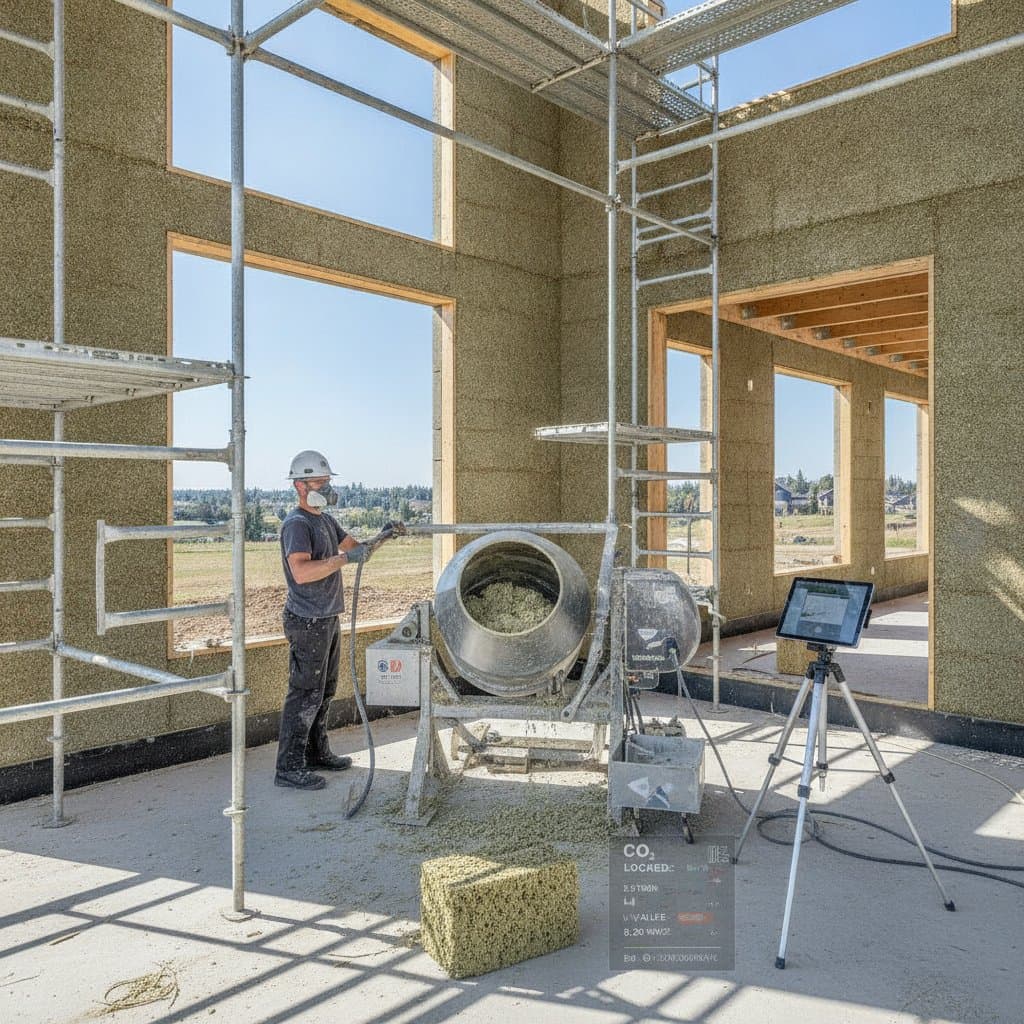
Mycelium manufacturing demands minimal energy and setup compared to synthetics. Facilities use local agricultural residues like corn stalks or rice hulls in growth chambers. This decentralized method cuts transport emissions and bolsters local economies.
Startups innovate with portable units that cultivate panels on-site, further streamlining supply chains and reducing logistical footprints.
Technical and Structural Integration
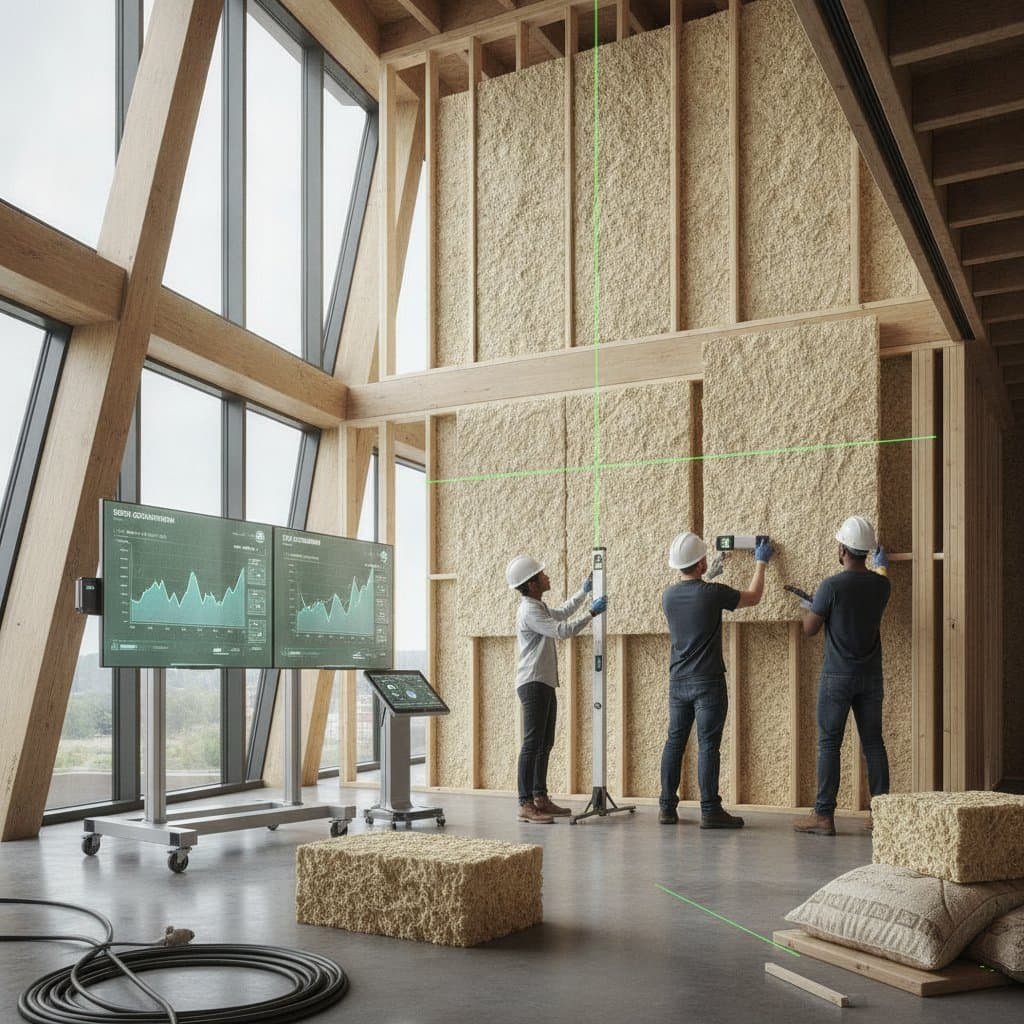
Builders prioritize structural soundness and moisture management alongside efficiency. Mycelium serves as infill between studs, akin to batts or rigid boards. Paired with breathable plasters or wood cladding, it creates a vapor-permeable building skin.
Durability Factors
Initial versions struggled with moisture, but advanced heat-treated or compressed forms resist degradation. Enclosed in robust envelopes, these panels endure for decades with basic upkeep focused on exterior integrity.
Architectural engineer Dr. Lena Ortiz notes that mycelium insulation “offers both resilience and adaptability. It behaves more like a natural wood product than a synthetic foam, responding to humidity without losing its insulating capacity.”
System Compatibility
Mycelium aligns seamlessly with passive house standards and renewable setups. Its thermal properties enhance radiant systems, while breathability aids air control sans heavy mechanics. In hybrid walls, it pairs with hempcrete or straw for comprehensive plant-based assemblies.
Addressing Adoption Barriers
Mycelium insulation encounters obstacles in standardization before code integration. Limited long-term data hinders certification in varied climates. Research labs now perform accelerated tests to establish reliable protocols.
Regulatory demands for fire and moisture metrics persist, but ongoing validations promise smoother approvals. Scaling production responsibly avoids overburdening waste supplies; experts advocate local residues and distributed networks to preserve benefits.
Implementation Strategies for Builders and Homeowners
Adopting mycelium insulation in projects requires targeted planning.
1. Assess Climate Fit
Mycelium thrives in temperate or humid zones, leveraging its moisture regulation. In wetter or drier areas, add vapor barriers or protective layers for optimal function.
2. Select Verified Providers
Opt for suppliers offering independent verification of R-value, density, and fire performance. Partnerships with research bodies ensure product uniformity.
3. Build Hybrid Assemblies
Integrate mycelium with cork, hemp, or cellulose to boost efficiency and sustain low impacts.
4. Design for Reuse
Incorporate disassembly features for composting or repurposing. Labeling panels facilitates future circular practices.
Embracing Regenerative Construction
Mycelium insulation transcends product innovation, heralding an era of adaptive, earth-returning materials. Homeowners gain efficient, comfortable spaces without environmental trade-offs. Professionals unlock designs that evolve with natural rhythms.
Stricter green standards and rising demand position mycelium as a foundational element in sustainable architecture. Selecting nature-derived materials fosters enduring, harmonious built environments.