Hempcrete: Carbon-Sequestering Walls for Sustainable Homes
Sustainable building materials often challenge conventional choices like concrete. Architects, builders, and homeowners increasingly select hempcrete, a bio-based alternative composed of hemp hurds, lime, and water. This material not only substitutes for traditional concrete but also purifies the air, creating walls that breathe, insulate effectively, and capture carbon rather than release it.
Essential Benefits
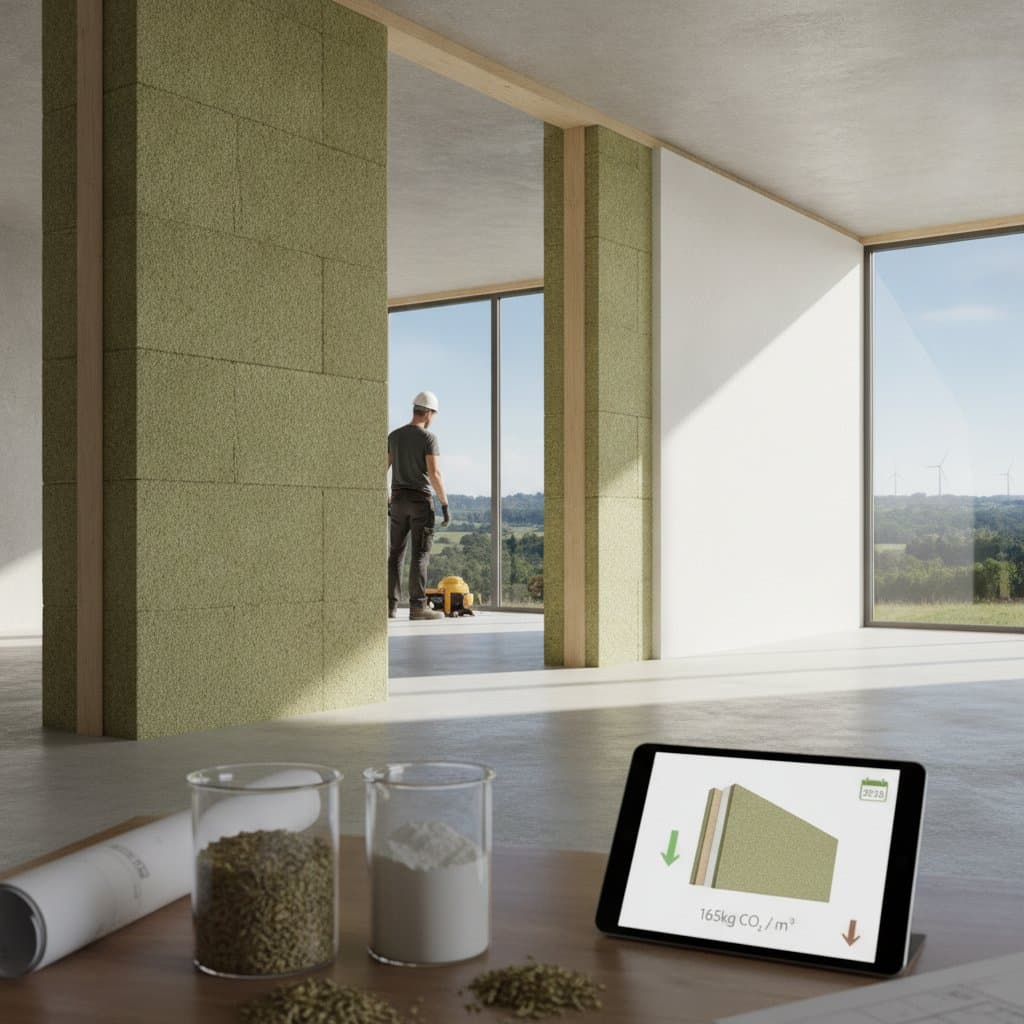
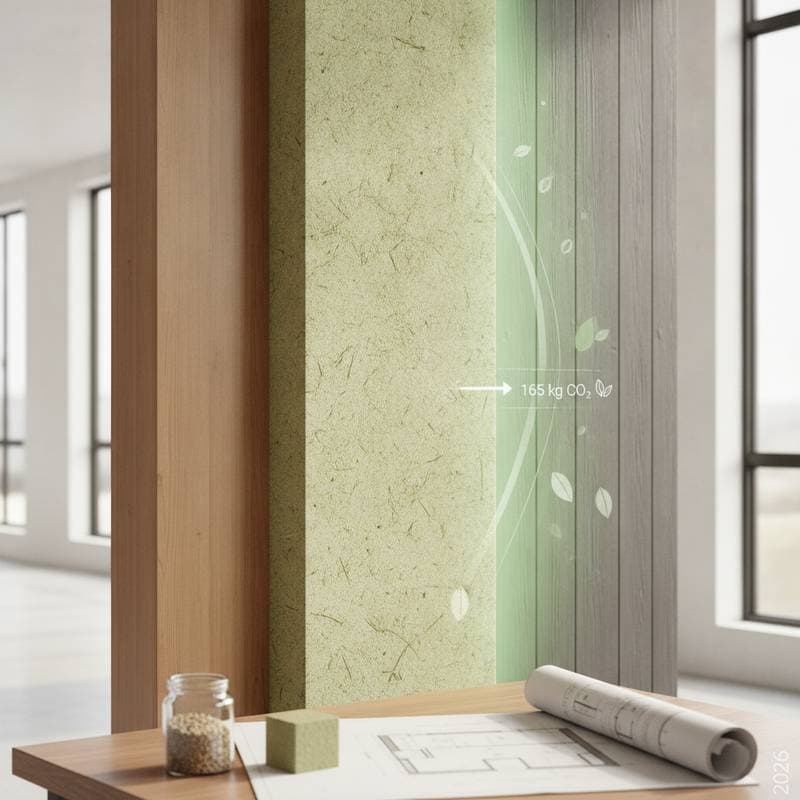
- Hempcrete sequesters approximately 165 kilograms of carbon dioxide per cubic meter over its lifecycle.
- It offers thermal insulation on par with advanced synthetic materials.
- The walls naturally manage humidity, enhancing indoor air quality.
- Heating and cooling expenses in a standard hempcrete structure decrease by 30 to 50 percent.
- Proper design ensures compliance with structural regulations and performance requirements.
What Is Hempcrete and How Does It Function?
Hempcrete consists of the inner woody core of the hemp plant, known as hurds, mixed with lime binders and water. This combination yields a lightweight, stone-like substance that solidifies via carbonation, a reaction that draws carbon dioxide from the air. As a result, hempcrete achieves a carbon-negative status, absorbing more carbon than it produces during manufacturing and application.
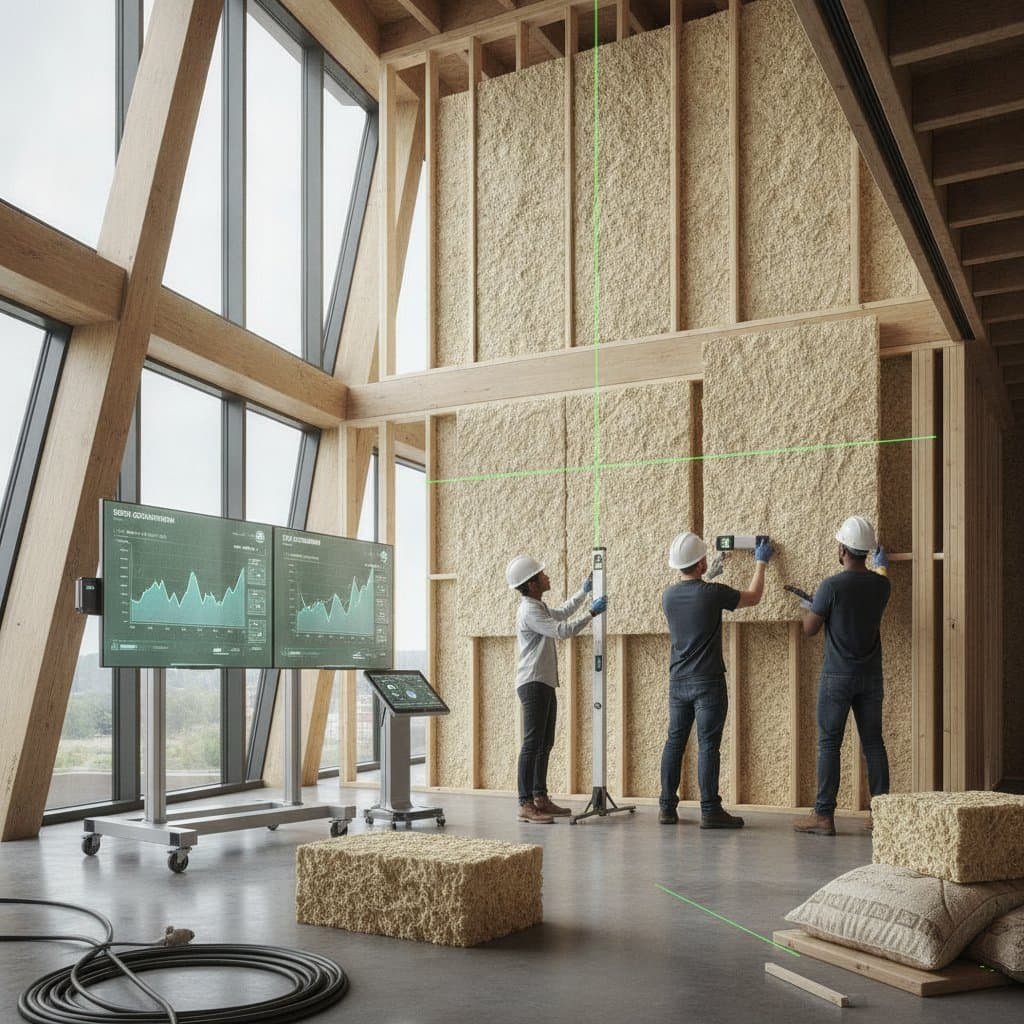
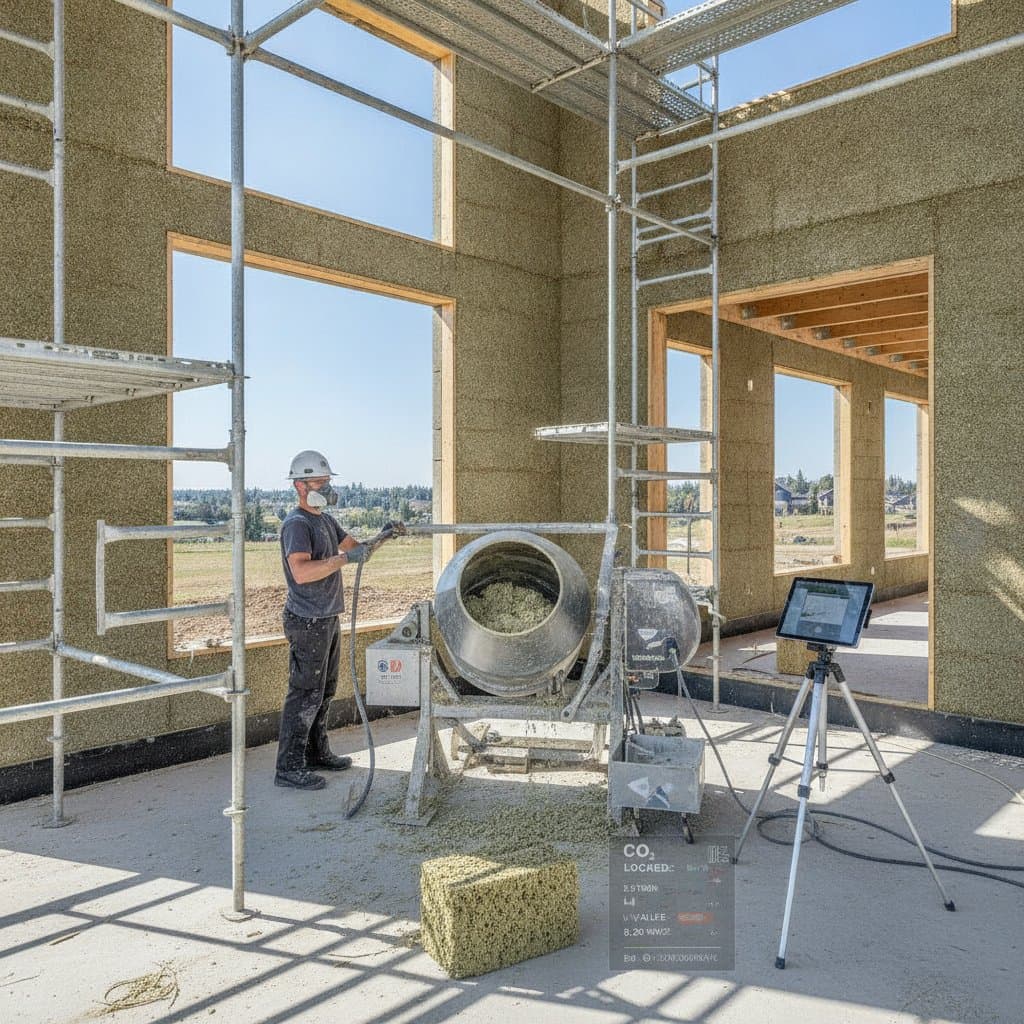
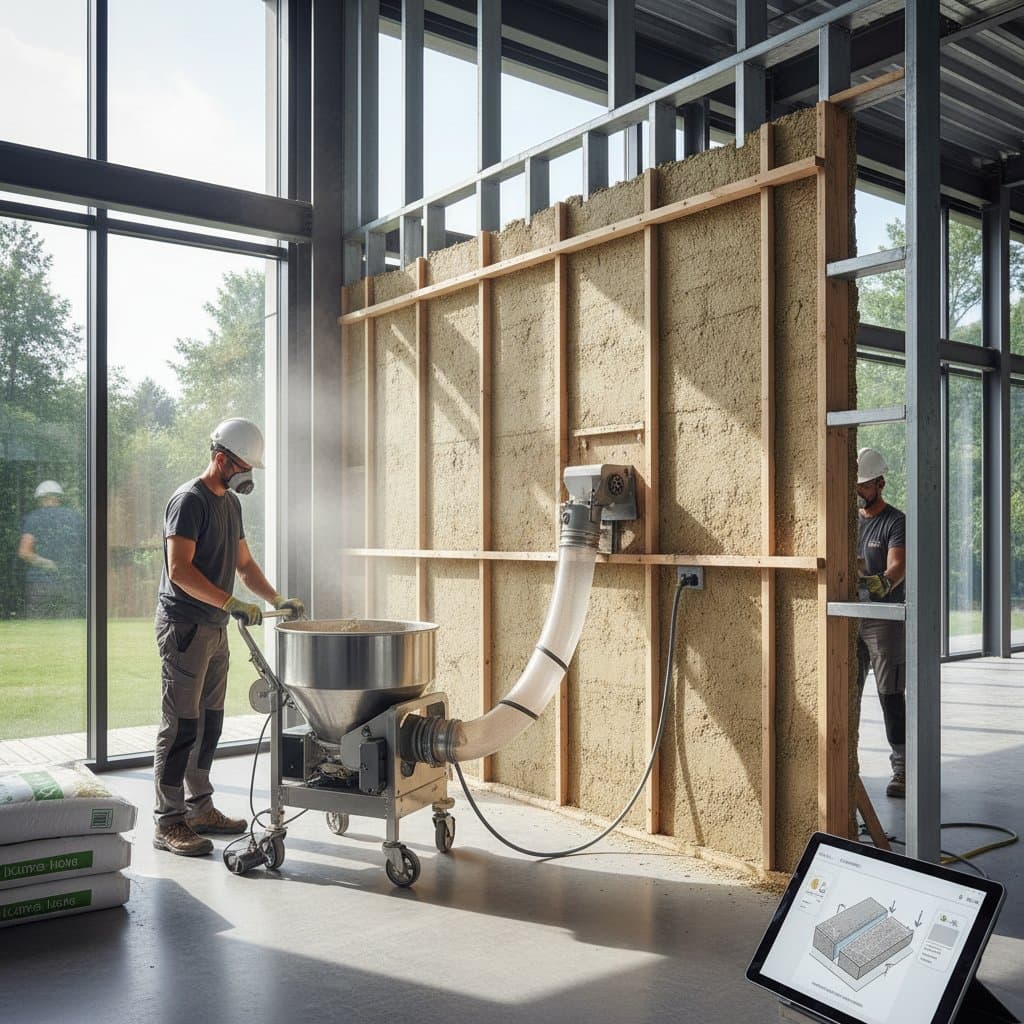
Hempcrete serves as non-structural insulation, filling spaces within timber or steel frames. After curing, it forms a durable, permeable barrier that stabilizes indoor temperatures across diverse climates. Buildings benefit from reduced dependence on energy-heavy insulation methods.
Research from the European Industrial Hemp Association indicates that hempcrete's carbon footprint equals about one-fifth of traditional concrete. Investigations at the University of Bath reveal that a standard hempcrete wall captures around 100 kilograms of carbon dioxide per square meter, varying by mixture and installation. These findings draw interest from professionals aiming for quantifiable carbon offsets.
The Mechanism of Carbon Capture
Hempcrete's ability to sequester carbon arises from dual processes. Hemp plants uptake carbon dioxide during growth, retaining it in their fibers. Subsequently, the lime binder reacts with atmospheric carbon dioxide during curing, forming calcium carbonate akin to natural limestone.
This ongoing cycle supports a sustainable loop. Hemp matures in under four months and thrives without chemical inputs like synthetic fertilizers or pesticides. Harvested stalks support various applications, such as textiles and paper, while hurds feed into hempcrete production, minimizing waste.
Such integration bolsters environmental outcomes and farming diversity. Builders access renewable, regional supplies that advance circular economy principles.
Performance Strengths
Beyond carbon sequestration, hempcrete excels in energy efficiency and occupant health.
Thermal Management
With substantial thermal mass and insulating properties, hempcrete fosters consistent indoor conditions. Walls capture heat and release it gradually, minimizing the need for mechanical climate control. Analyses confirm energy reductions of 30 to 50 percent in hempcrete homes relative to standard builds.
Humidity Regulation
Hempcrete's permeability permits vapor diffusion, averting mold and moisture buildup. This trait suits humid areas well. It sustains optimal indoor humidity at 40 to 60 percent, benefiting comfort and structural integrity.
Sound Insulation
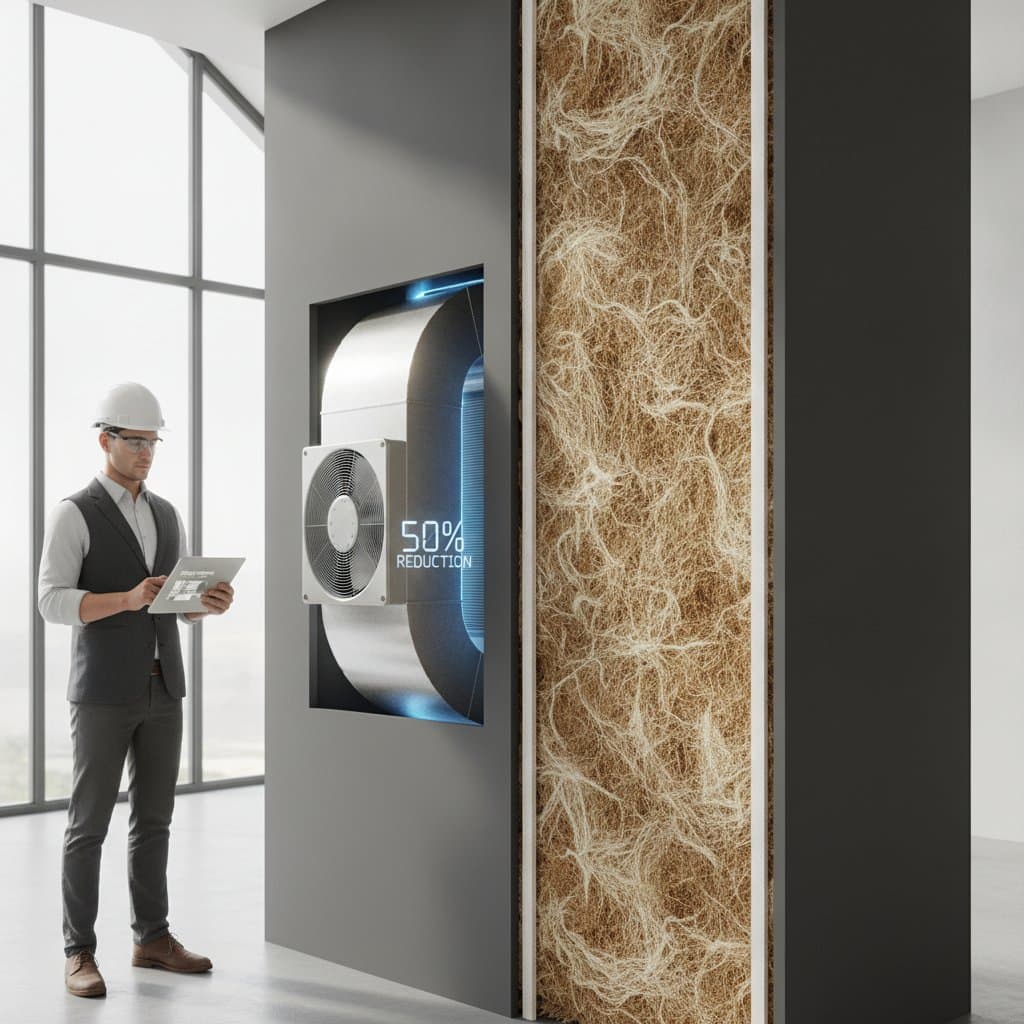
The material's porous structure absorbs noise effectively. Evaluations show up to 50 percent less sound transmission through hempcrete walls, creating serene spaces in dense or shared environments.
Resistance to Fire and Pests
Lime components provide inherent fire retardation and pest repulsion. Hempcrete resists combustion, and its mineral composition deters infestations from insects or rodents.
Hempcrete Versus Traditional Materials
| Feature | Hempcrete | Concrete | Fiberglass Insulation |
|---|---|---|---|
| Carbon Footprint | Negative (absorbs CO₂) | High emissions | Neutral |
| Thermal Efficiency | High | Moderate | High |
| Breathability | Excellent | Poor | Poor |
| Fire Resistance | Good | Good | Moderate |
| Durability | Long-lasting with care | Very high | Moderate |
| Cost (per square meter) | Medium to High | Low | Medium |
Initial expenses for hempcrete surpass concrete, yet energy and upkeep savings recoup costs within years. With appropriate sealing against prolonged moisture, hempcrete walls endure for decades.
Implementation Factors for Builders and Owners
Adopting hempcrete demands attention to logistics. Curing spans weeks, necessitating timeline adjustments. Trained crews ensure uniform mixing and placement for optimal results.
Building regulations may require supplementary proof of hempcrete's suitability for insulation and safety. Expanding certifications aid low-carbon material adoption by authorities.
Wall system costs range from 200 to 350 dollars per square meter, influenced by thickness, site, and material access. Energy efficiencies, carbon benefits, and air quality gains yield compelling value over time.
Steps to Incorporate Hempcrete
Homeowners should consult specialists in bio-based construction. Pre-formulated options like blocks, panels, or sprays streamline assembly and cut labor. Professionals integrate hempcrete into new constructions or renovations, focusing on infill and insulation enhancements. These choices deliver enduring sustainability, healthier living spaces, and substantial environmental impact.