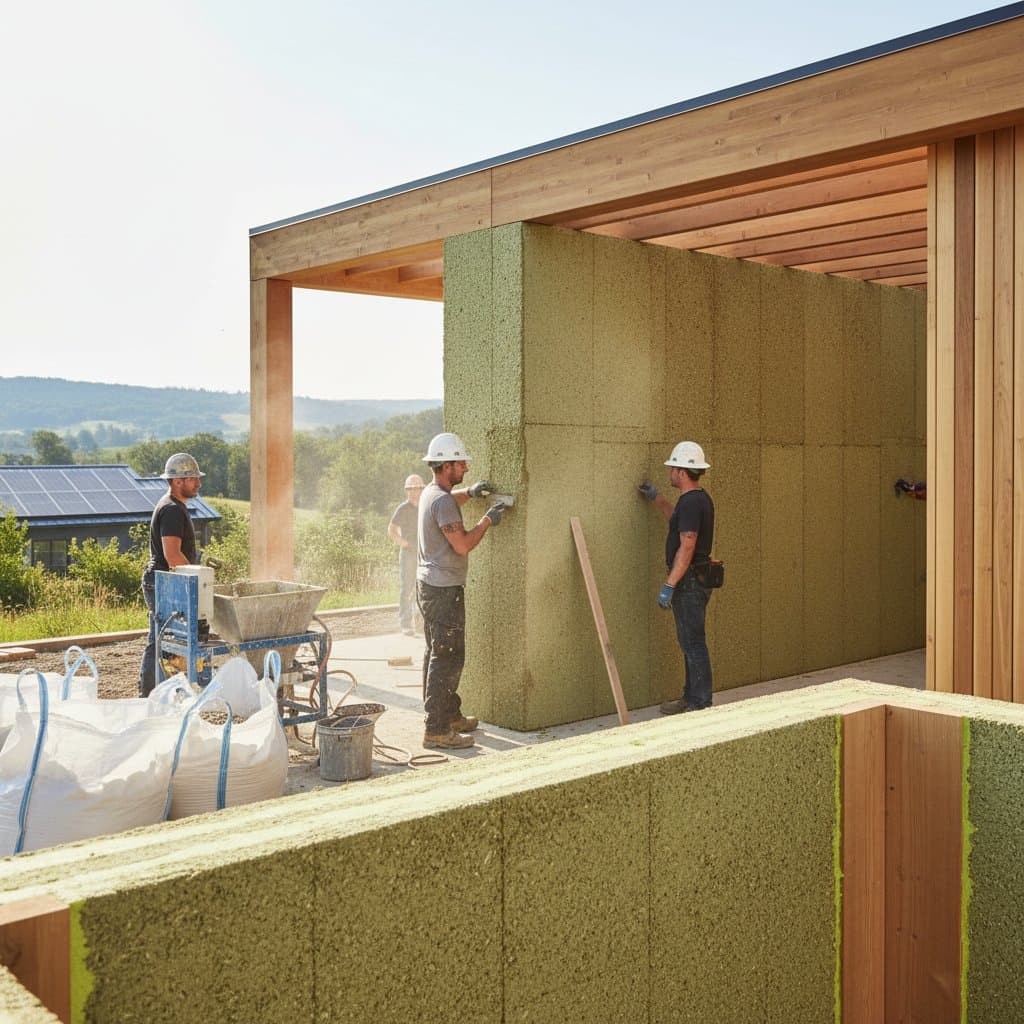
Hempcrete Walls: A Sustainable Revolution in Building
Hempcrete represents an innovative building material that integrates hemp fibers with lime and water to form a lightweight, durable composite. This bio-based alternative to traditional concrete offers superior insulation properties and actively sequstrates carbon dioxide throughout its lifecycle. As construction practices evolve toward sustainability, hempcrete emerges as a key player in reducing environmental impact while enhancing living spaces.
Understanding Hempcrete Composition
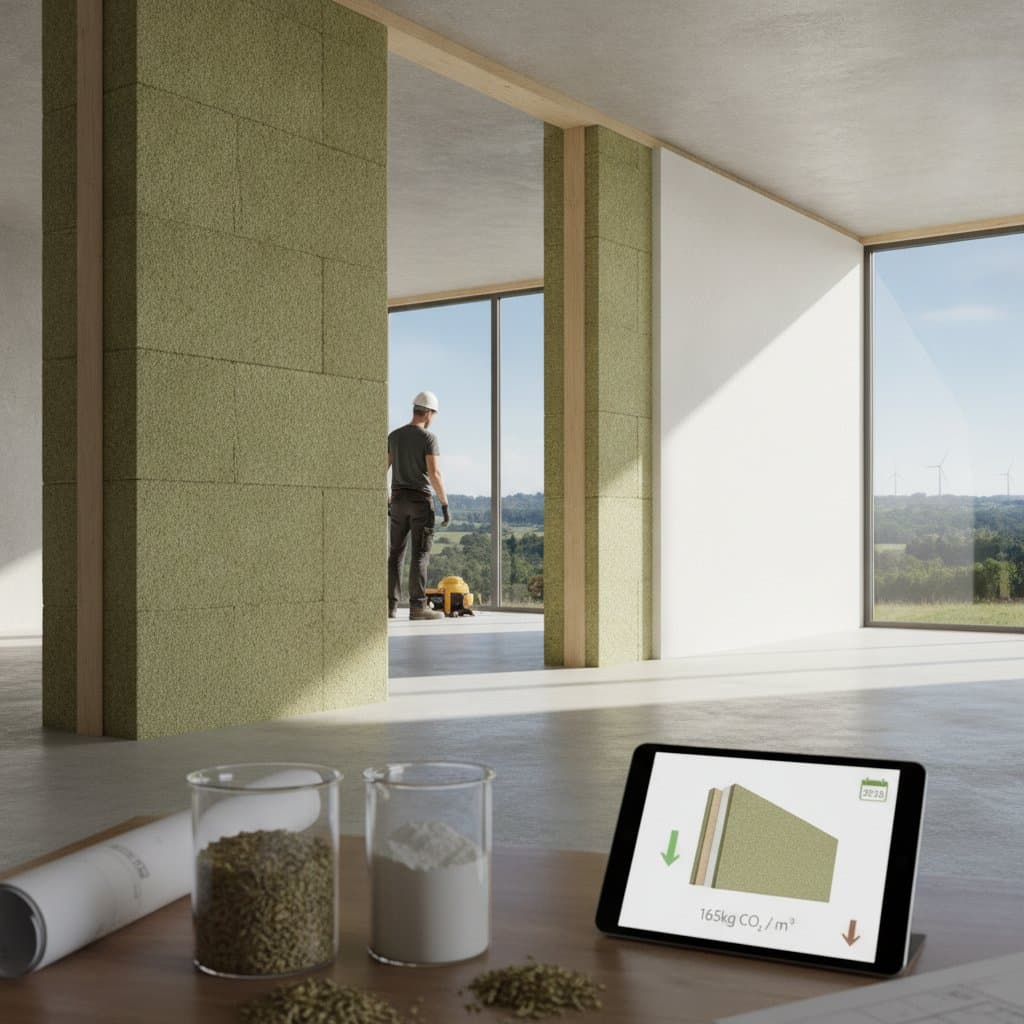
Hempcrete consists primarily of the inner woody core of the hemp plant, known as hurds, mixed with a lime-based binder and water. The hemp provides structural integrity and insulation, while the lime acts as a natural preservative that hardens over time. Unlike Portland cement-based concretes, this mixture requires no high-energy manufacturing processes, making production far less carbon-intensive.
The material cures through a process called carbonation, where it absorbs CO2 from the atmosphere to strengthen its matrix. This natural reaction ensures that hempcrete remains carbon-negative, locking away more carbon than emitted during its creation. Builders appreciate its versatility, as it can fill frames, coat surfaces, or even form monolithic walls.
Insulation and Energy Efficiency Benefits
One of the standout features of hempcrete walls lies in their exceptional thermal performance. The porous structure traps air pockets that resist heat transfer, achieving R-values comparable to high-end insulation materials. Homes constructed with hempcrete maintain stable indoor temperatures, reducing reliance on heating and cooling systems.
Energy savings materialize quickly for homeowners. In temperate climates, these walls can lower annual heating costs by up to 30 percent compared to standard brick or concrete builds. Over a decade, the cumulative reductions often offset any premium installation expenses, providing a clear financial incentive for adoption.
Beyond efficiency, hempcrete regulates humidity effectively. Its breathable nature allows moisture to pass through without condensation, preventing issues like rot or mildew in wall cavities. This characteristic contributes to lower energy use for dehumidification in humid regions.
Carbon Sequestration in Action
Hemp grows rapidly and absorbs significant amounts of CO2 during cultivation, with each hectare sequestering around 10 tons annually. When processed into hempcrete, this carbon remains trapped within the material for its entire lifespan, often exceeding 100 years. The lime binder further enhances sequestration by reacting with atmospheric CO2 during curing.
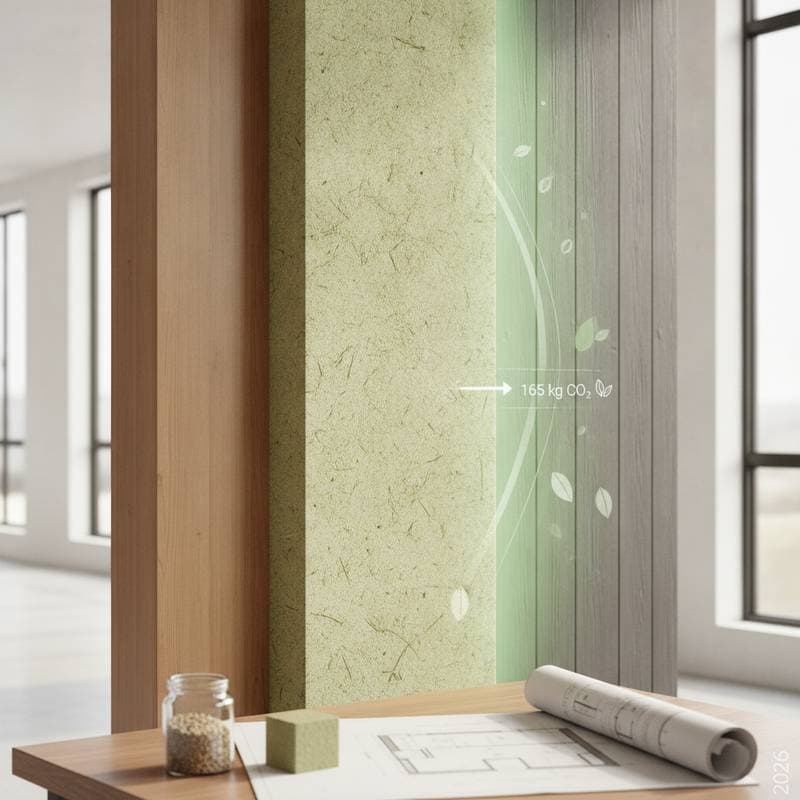
A single cubic meter of hempcrete can lock away 100 to 200 kilograms of CO2, depending on the mix ratio. In a typical home with 50 cubic meters of wall material, this equates to sequestering several tons of carbon permanently. Such capabilities position hempcrete as a vital tool in combating climate change through everyday construction.
Health and Indoor Air Quality Advantages
Hempcrete walls promote healthier living environments by naturally resisting mold and allergens. The alkaline lime component inhibits bacterial growth, ensuring cleaner air circulation. Unlike synthetic insulators that may off-gas volatile compounds, hempcrete releases no harmful emissions over time.
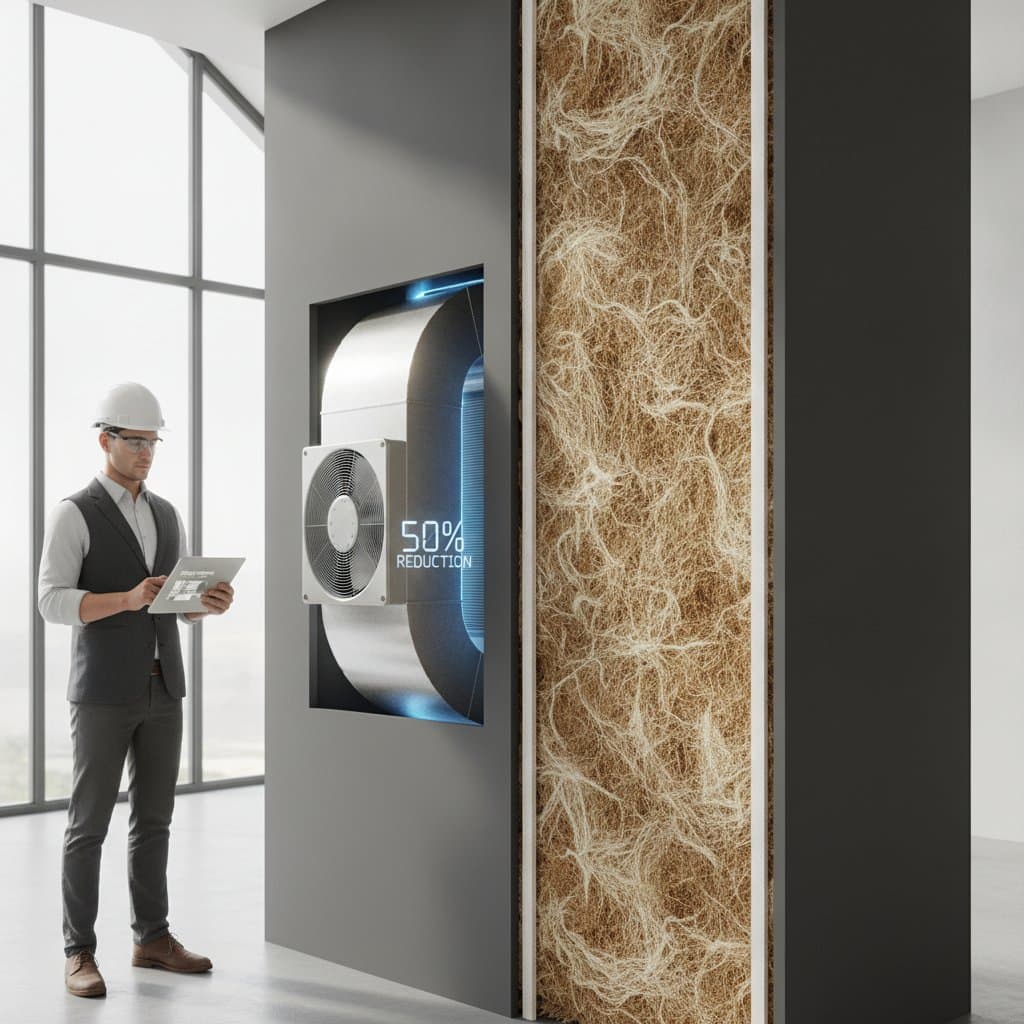
Residents report improved comfort in hempcrete homes, with fewer fluctuations in temperature and humidity leading to better sleep and productivity. This material also provides acoustic insulation, dampening external noise for quieter interiors. For families with respiratory sensitivities, the hypoallergenic properties offer substantial relief.
Practical Steps for Implementation
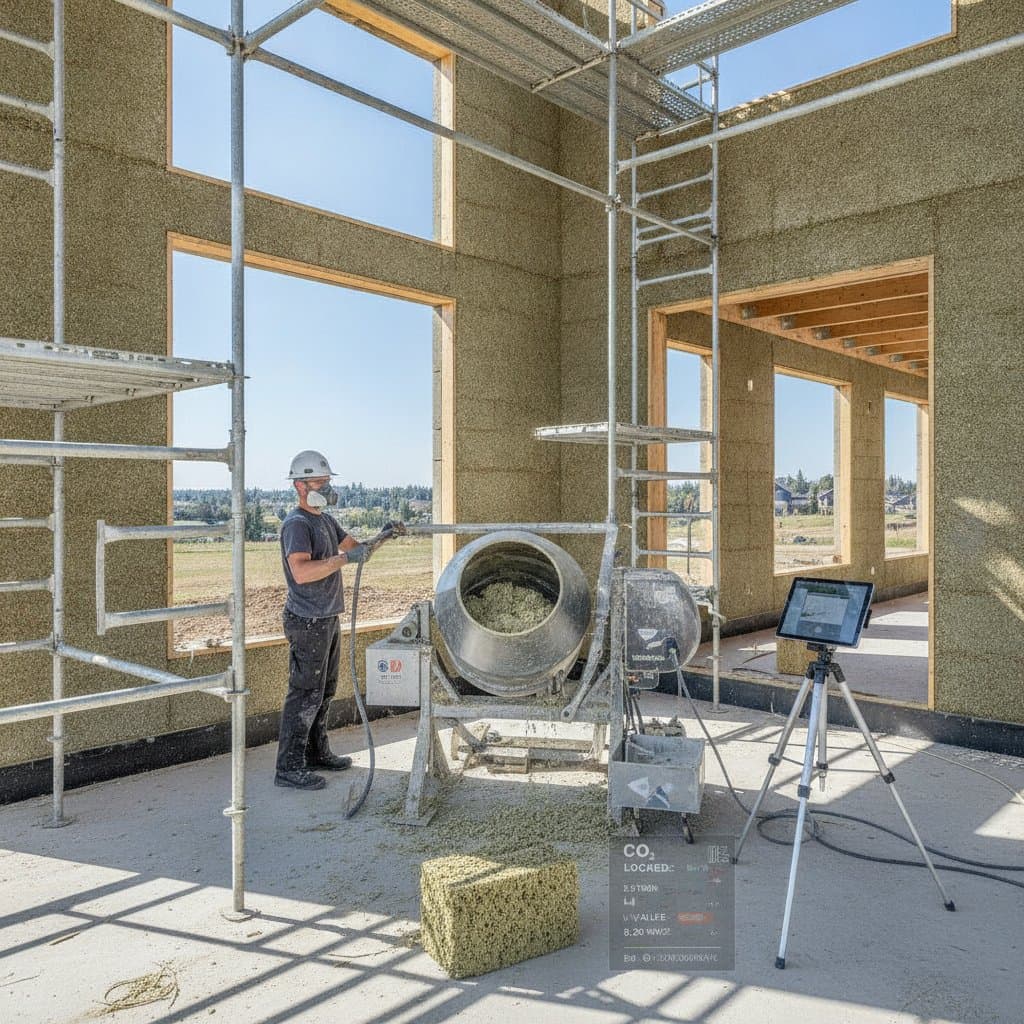
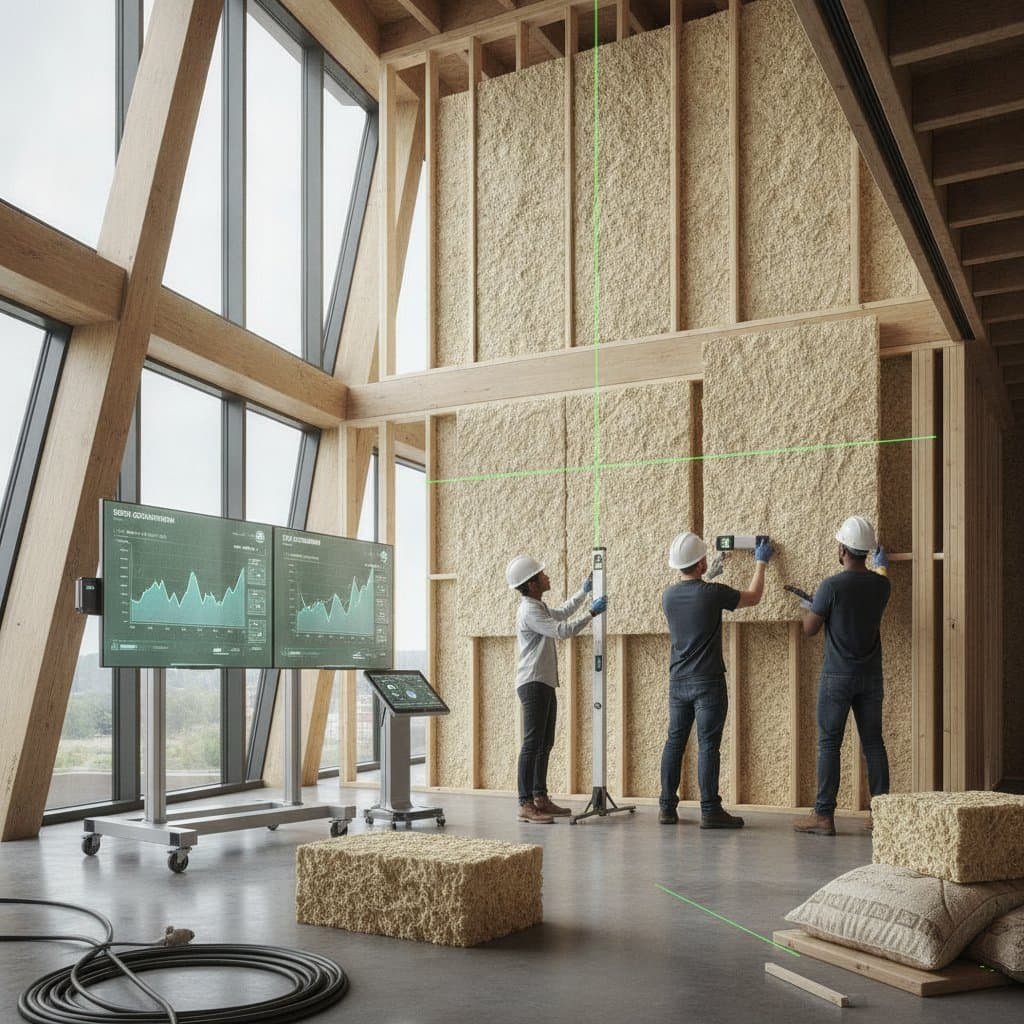
To incorporate hempcrete into a build, start by sourcing certified hemp hurds from sustainable farms. Mix the components on-site using simple tools: a large mixer for combining hurds, lime, and water in a 1:1:2 ratio by volume. Apply the wet mix into wooden shuttering around a timber frame, tamping it firmly to eliminate voids.
Curing takes four to six weeks, during which the material gains strength and sequesters carbon. For retrofits, apply hempcrete render over existing walls to boost insulation without major structural changes. Consult local builders experienced in bio-based materials to ensure compliance with building codes.
Testing small-scale projects, such as garden walls or interior partitions, allows experimentation before full commitment. Monitor performance with basic tools like thermometers and hygrometers to verify energy savings. These steps make adoption accessible even for novice eco-builders.
Durability and Long-Term Value
Hempcrete demonstrates remarkable longevity, with historical examples enduring centuries in lime-based structures. It resists fire, pests, and seismic activity better than many conventional materials due to its flexibility and low weight. Maintenance involves minimal intervention, primarily reapplying lime wash every few decades.
Initial costs range 10 to 20 percent higher than standard construction, driven by material sourcing and labor. However, incentives like green building rebates and lower utility bills recoup investments within five to seven years. Property values also rise, as buyers increasingly seek sustainable features.
Embracing Hempcrete for a Greener Future
As 2026 approaches, hempcrete stands poised to influence mainstream architecture, driven by tightening carbon regulations and consumer demand for eco-conscious homes. Builders who integrate this material not only reduce their environmental footprint but also deliver spaces that enhance well-being. Consider hempcrete for your next project to contribute to a cooler planet while enjoying tangible savings and superior comfort.