Key Benefits of Living Walls
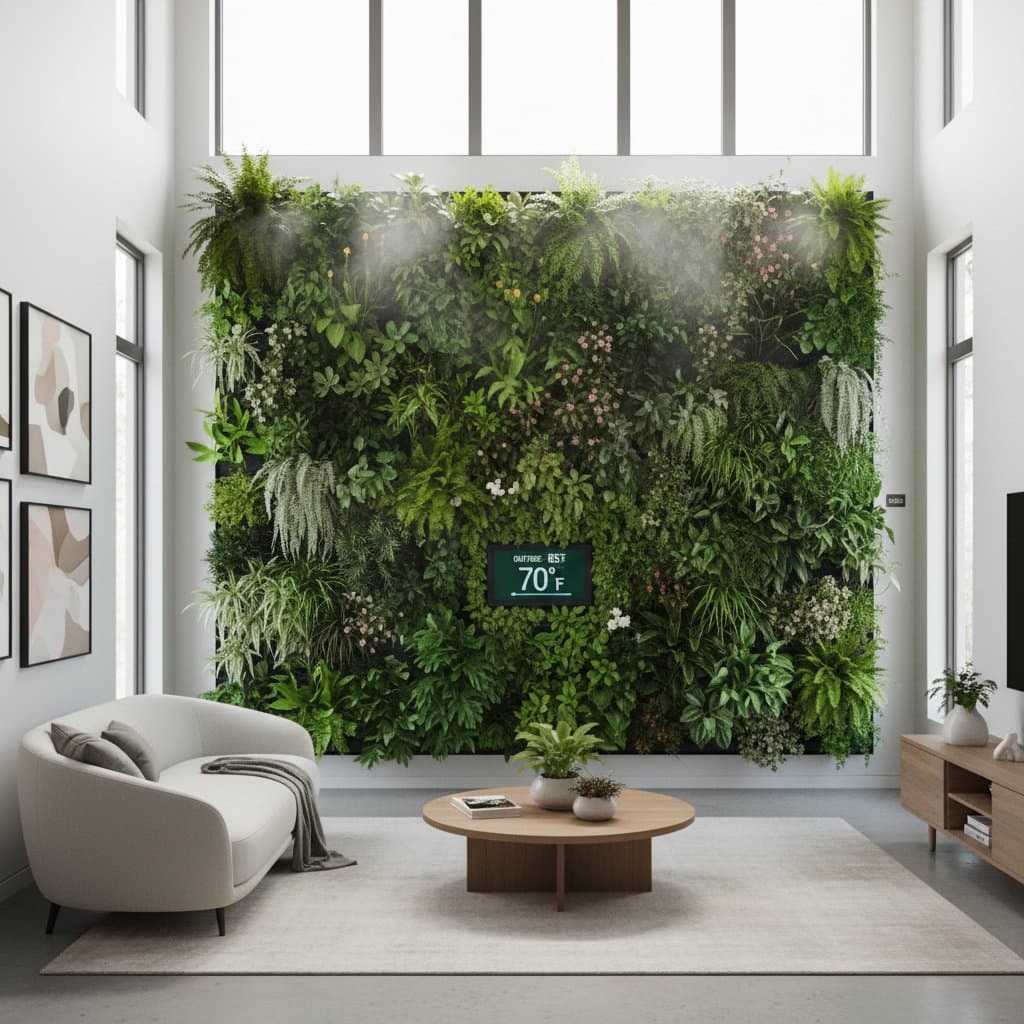
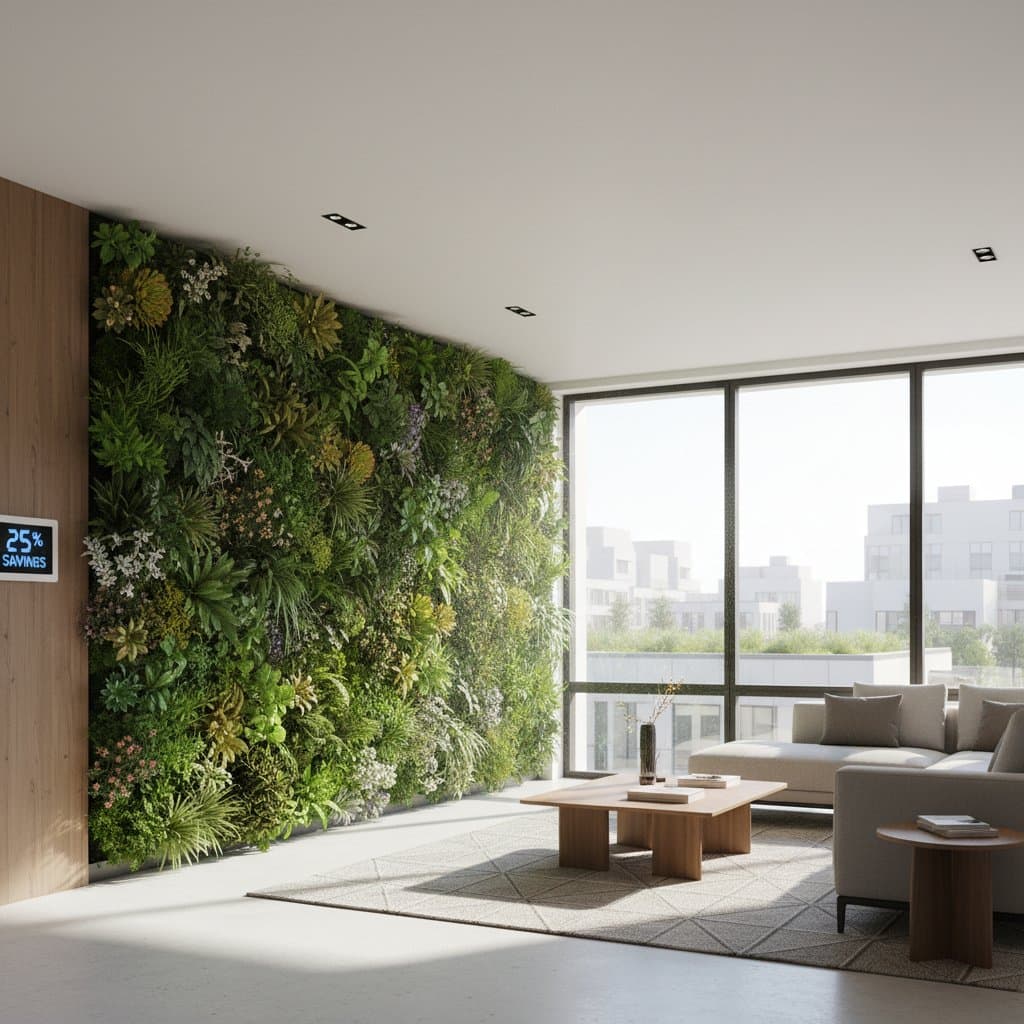
- Living walls, or vertical gardens, reduce indoor cooling costs by approximately 25 percent with proper design and maintenance.
- Savings arise from natural insulation, evaporative cooling, and minimized solar heat gain.
- Initial installation expenses vary, yet long-term gains include energy efficiency, better air quality, and increased property value.
- Appropriate plant choices and irrigation methods ensure sustainability and minimal upkeep.
- These installations foster healthier indoor spaces by removing pollutants and regulating humidity.
Addressing Rising Heat and Energy Bills
Imagine returning home on a sweltering day to the welcome chill of air conditioning. Such relief proves essential, yet it accounts for a significant portion of household energy consumption, particularly in areas with extended warm periods. Homeowners seek ways to maintain comfort while curbing high electricity demands and escalating utility expenses.
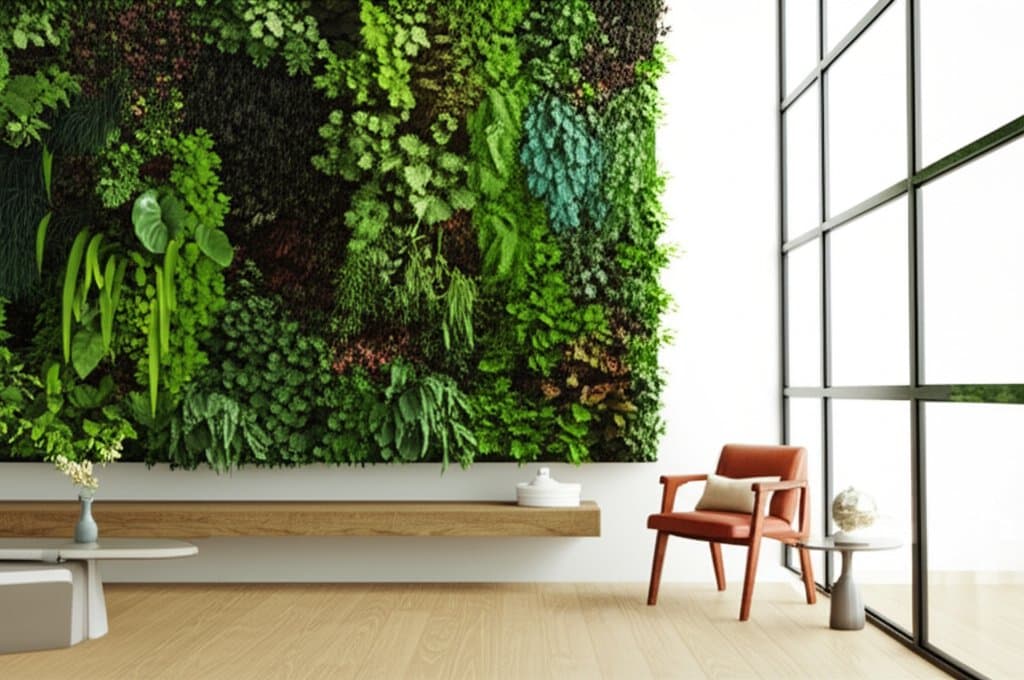
Living walls offer a solution as vertical gardens that serve as natural cooling agents. These installations not only enhance visual appeal and indoor air but also, when positioned effectively, decrease cooling needs by about one-quarter. Such reductions hold substantial value amid climbing energy prices across various regions.
The Role of Living Walls in Home Efficiency
A living wall extends beyond mere ornamentation to act as a dynamic shield for the building's exterior. Through transpiration, plants draw in heat and release water vapor, which cools wall surfaces and limits indoor heat penetration.
This mechanism stabilizes room temperatures, allowing air conditioning units to operate less frequently and with reduced intensity. Consequently, mechanical cooling demands drop, yielding measurable financial savings and a diminished environmental impact over time.
Financial Advantages
Homeowners frequently view upfront expenses as a primary obstacle. Professional installations range from several hundred to thousands of dollars per square meter, influenced by system design, plant types, and watering configurations. However, returns emerge clearly upon considering these elements:
- Energy Reductions: Well-engineered setups often achieve 20 to 30 percent decreases in cooling expenses.
- Property Appreciation: Green exteriors can elevate market value by 5 to 10 percent, thanks to their visual allure and eco-credentials.
- Durability: With suitable maintenance, these walls endure for decades, requiring few plant replacements when hardy, water-efficient species are selected.
In numerous locations, systems recoup costs within five to ten years, with ongoing savings thereafter.
Essential Planning Factors
Building Orientation and Local Climate
Walls facing west or south receive intense sunlight, amplifying heat absorption throughout the day. A vegetated layer on these surfaces substantially curbs solar influx. In temperate zones, targeted coverage avoids over-shading or moisture accumulation. Evaluate regional weather patterns and sun exposure prior to finalizing designs.
Structural Integrity
Living walls introduce added weight, dampness, and subtle shifts to exteriors. Verify that the building framework can bear this burden before proceeding. Experts typically employ lightweight panels or hydroponic mats secured to metal frameworks for balanced load distribution.
Selecting Plants
Opt for varieties aligned with site conditions. Sunny exposures suit succulents, ornamental grasses, and blooming perennials. Shaded spots favor ferns, climbing ivy, and shade-adapted herbs. Blending evergreen and seasonal plants ensures continuous coverage and varied aesthetics.
Water Management
Effective watering proves vital. Employ drip irrigation equipped with soil moisture detectors to avoid excess and conserve resources. Direct surplus water to collection basins or repurpose it. Pairing with rainwater collection enhances overall eco-friendliness.
Ongoing Maintenance
Vertical gardens demand regular attention, similar to ground-level ones. Conduct monthly reviews of watering components, prune excessive growth, and swap out ailing plants. Smart monitoring tools ease tasks for those with demanding schedules.
Analyzing Costs and Returns
Projects generally fit into three categories:
- DIY Modular Systems:
- Expenses: Low to moderate.
- Energy Cuts: 10 to 15 percent.
- Advantages: Cost-effective and adaptable.
- Drawbacks: Shorter durability and increased care needs.
- Professional Soil Systems:
- Expenses: Moderate to high.
- Energy Cuts: 20 to 25 percent.
- Advantages: Robust, organic appearance, accommodates varied flora.
- Drawbacks: Occasional soil refresh required.
- Hydroponic or Fabric-Based Systems:
- Expenses: High.
- Energy Cuts: Up to 30 percent.
- Advantages: Light weight, water-efficient, superior thermal barriers.
- Drawbacks: Elevated startup and operational demands.
Over 15 years, these options typically yield positive financial outcomes, excluding boosts in property worth and health improvements.
Creative Design Approaches
Living walls allow for personal expression in addition to functionality. Explore these concepts:
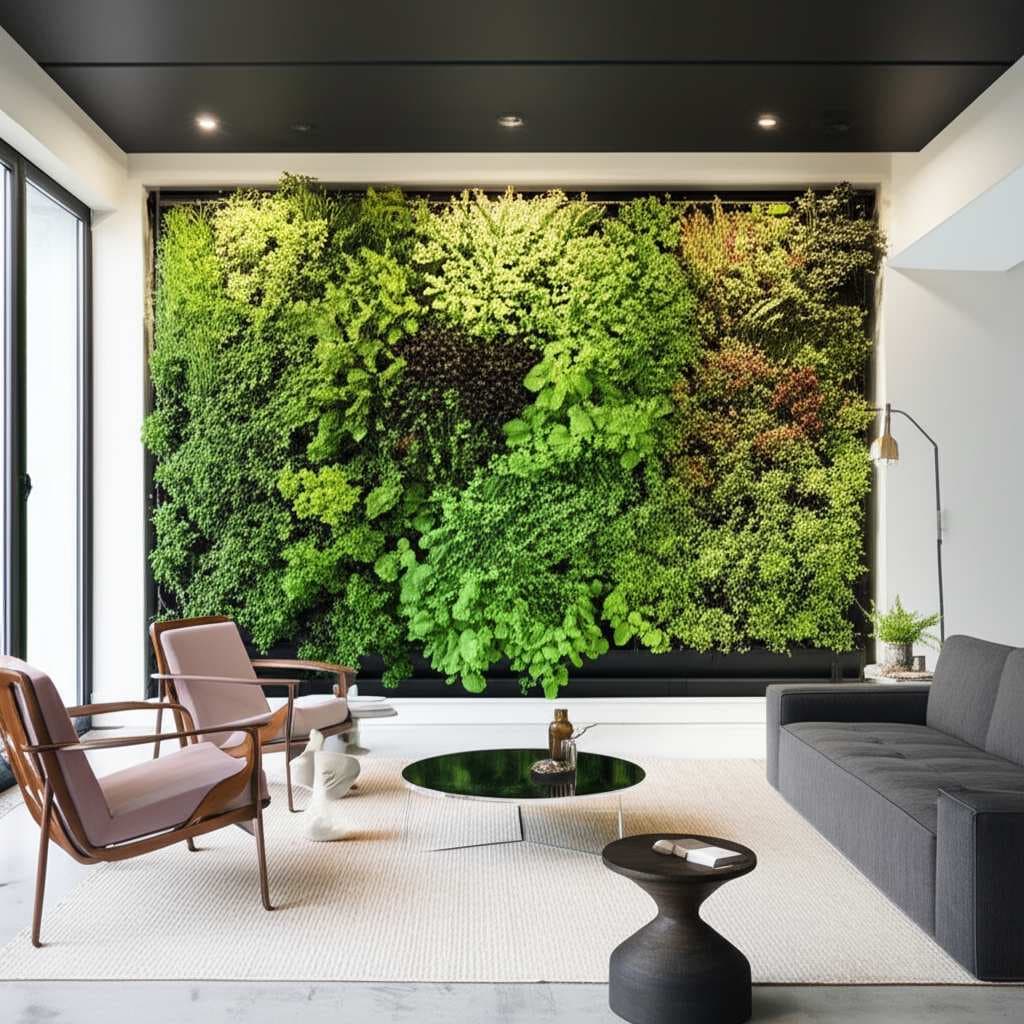
- Textured Arrangements: Vary plant hues and forms to form structured or organic motifs.
- Functional Edibles: Integrate herbs, berries, or greens for decorative and culinary benefits.
- Interior Dividers: Deploy panels to segment spacious rooms, while enhancing sound control and air purity.
- Integrated Elements: Merge plantings with mirrors or lattices for evolving visual impacts.
Architects often apply these to temper stark designs or link interior and exterior realms, creating vibrant, harmonious atmospheres.
Mechanisms of Sustainability and Performance
Three primary processes drive the thermal benefits:
- Heat Barrier: Plant layers and substrates form insulating pockets that impede temperature shifts.
- Moisture-Based Cooling: Leaf evaporation draws away heat, chilling nearby air.
- Light Management: Foliage bounces back sunlight that might otherwise warm surfaces.
Together, these lower exterior temperatures by multiple degrees, easing cooling requirements. Air conditioners thus run shorter cycles, consume less power, and experience extended service life.
Broader sustainability includes supporting local wildlife, handling rainwater, and capturing airborne particles. Inside, they moderate moisture levels and neutralize emissions from household items, promoting well-being.
Variables Affecting Implementation
Performance and budgeting depend on:
- Regional Labor Costs: Expertise in setup and care fluctuates by area.
- Supply Access: Specialized components or flora may incur extra fees.
- Light Levels: Greater illumination accelerates development but demands more hydration.
- Regulatory Standards: Certain locales mandate approvals or engineering checks.
Allocate 10 percent of the budget for unforeseen modifications or enhancements.
Common Questions
What level of maintenance is needed?
Systems require modest monthly efforts, such as trimming, inspecting water lines, and plant renewal. Automation significantly lightens the load.
Is self-installation feasible?
Compact kits work for skilled individuals. Extensive or water-based setups demand expert planning to secure drainage and support.
Do they suit humid or arid regions?
Adaptations make them viable. Arid zones call for resilient plants and precise drips; humid ones need ventilation and pruning to avert fungal growth.
How do they perform in winter?
Persistent greenery provides year-round cover. In frosty areas, shift to interior versions or cold-hardy selections.
What potential issues exist?
Upfront spending and care represent chief hurdles. Inadequate drainage risks damp problems, though thorough preparation mitigates this.
Steps to Integrate a Living Wall
Begin by consulting local experts to assess your site and goals. Select a system matching your budget and climate for optimal results. With careful execution, a living wall delivers enduring savings, beauty, and environmental harmony to your home.