Key Points
- Up to 50 percent of home heating expenses can escape through undetected leaks.
- Thermal imaging detects concealed inefficiencies overlooked by visual inspections.
- Focused insulation and sealing efforts provide annual returns of 20 to 40 percent.
- Professional energy audits recover their cost in one or two heating seasons.
- Homeowners achieve optimal results by pairing simple DIY measures with targeted professional interventions.
The Silent Drain on Your Heating Budget
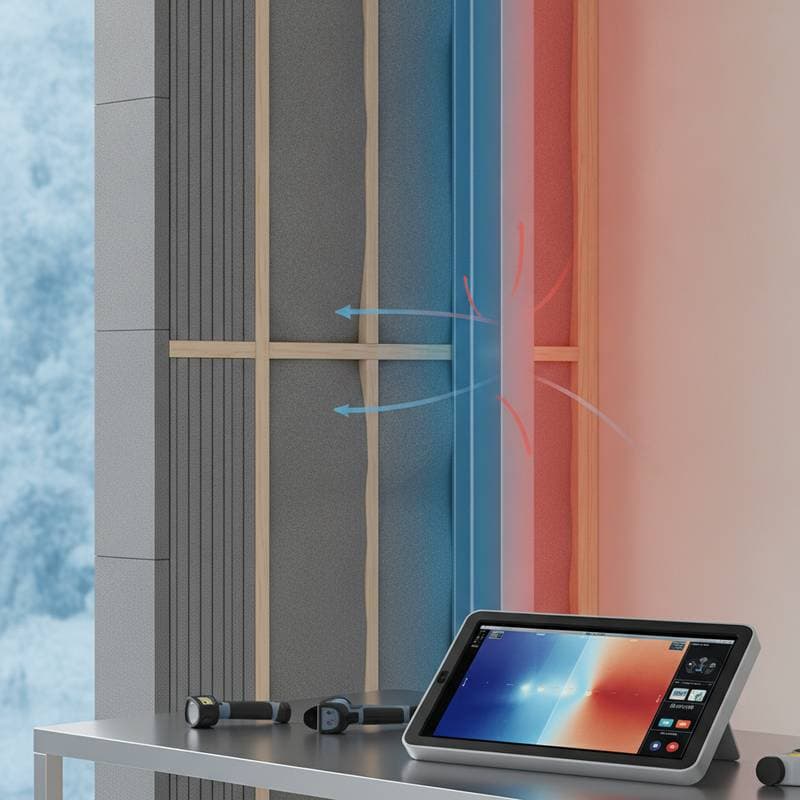
Picture a cold winter night where you relax indoors, believing your home remains well-insulated. In reality, warm air seeps out through unseen gaps in walls, around window frames, and via attic spaces. Your heating system labors excessively, utility bills rise, and resources waste away unnoticed.
Studies indicate that typical homes lose 25 to 40 percent of heated air due to inadequate insulation, drafts, and faulty seals. Identifying these loss points forms the foundation for substantial cost reductions. Thermal imaging tools now offer precise detection of temperature disparities, locating issues as small as a few centimeters wide.
Importance of Identifying Heat Loss
Each unit of lost heat equates to squandered funds and avoidable carbon emissions. Experts project that halving heat loss could trim utility bills by 30 to 50 percent, varying by home layout and regional climate. Enhanced insulation and sealing also prolong the durability of heating equipment, minimize drafts, and maintain steady indoor temperatures.
Energy-efficient residences frequently attract premium prices and quicker sales in the real estate market. Prospective buyers prioritize homes with certified efficiency metrics, and audit reports bolster appeal. Thus, diagnostic testing and subsequent improvements represent strategic investments that elevate property worth over time.
How Thermal Imaging Works
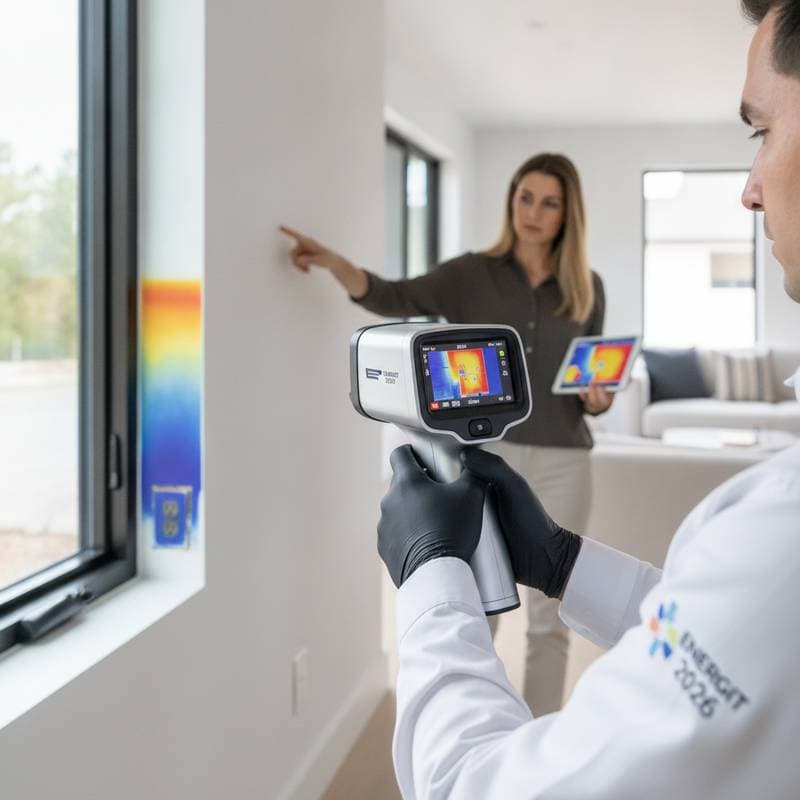
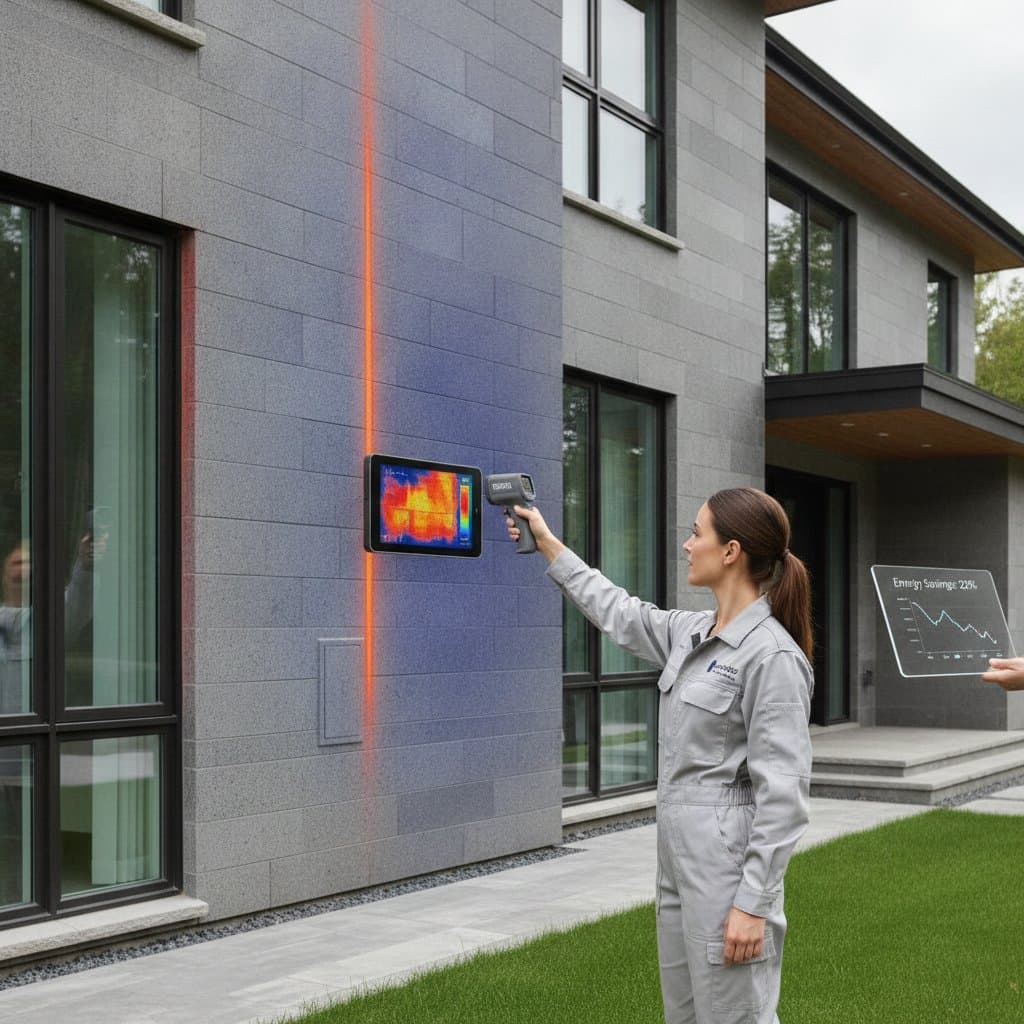
Thermal imaging employs infrared cameras to capture and display surface temperature gradients. Hotter regions show in vivid hues, while cooler areas appear subdued. These color-coded images disclose thin insulation layers, compromised seals, or unintended air flows.
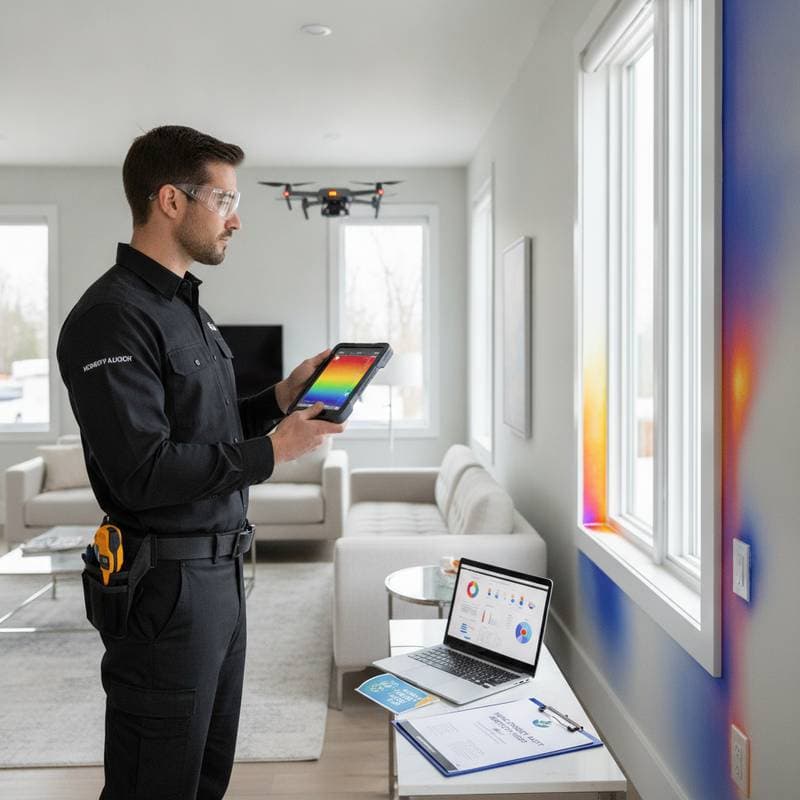
Trained technicians deploy portable or aerial devices to examine walls, roofs, foundations, and exteriors. The generated thermal profiles identify trouble spots with such accuracy that repairs focus solely on affected zones. This method eliminates wasteful broad applications and maximizes the impact of each expenditure.
Consumer versions link to mobile devices for basic scans. Though not as refined as expert equipment, these tools effectively spot significant leaks near doors, vents, and fixtures. Pairing personal scans with specialist confirmation yields comprehensive insights.
Elements of a Full Energy Audit
Energy audits extend past thermal scans to encompass blower door assessments for air leakage quantification, insulation thickness evaluations, and duct system reviews. Auditors often assess appliance performance and lighting setups to compile a complete efficiency overview.
The audit concludes with a report that categorizes losses by category and suggests prioritized actions based on return timelines. Examples include:
- Attic insulation enhancements, which offer 30 to 40 percent yearly returns.
- Air sealing at doors, windows, and outlets, reducing heating demands by 15 to 25 percent.
- Window replacements combined with seals, cutting energy consumption by up to 20 percent.
Audit fees range from several hundred to one thousand dollars, scaled to property size. Savings potential surpasses this investment during initial heating periods.
Typical Heat Loss Zones Exposed by Scans
Contemporary constructions still harbor unexpected vulnerabilities. Thermal scans commonly reveal:
- Settled or shifted insulation in attic spaces.
- Gaps in wall insulation near outlets or structural anomalies.
- Disconnections in ducts that dissipate air prior to room delivery.
- Infiltration paths along window perimeters.
- Conductive cold transfer at foundation rims and joists.
Remedies vary by issue: apply foam sealants or caulk for minor breaches, or install weatherstripping for edges. Extensive problems, such as deficient wall insulation or obsolete windows, necessitate specialist intervention yet promise strong financial recoveries.
Calculating Returns on Efficiency Investments
Few home modifications deliver instant payback like heat loss mitigation. Effective strategies can shave hundreds from monthly heating charges. Cumulative savings over years vastly outpace upfront costs.
Consider an investment of a few thousand dollars in insulation and seals that captures one-third of heating outlays. For a two-thousand-dollar annual bill, this yields six hundred dollars in yearly savings, with full recovery in under four years. Benefits persist thereafter.
Financing through efficiency loans distributes expenses, often with payments offset by gains. Federal tax credits and regional incentives reduce effective costs, amplifying overall yields.
Advantages for Health, Comfort, and Durability
Heat retention upgrades foster superior living conditions and well-being. Uniform temperatures eradicate chilly areas and air currents that foster unease or moisture buildup leading to mold. Proper sealing regulates humidity, preserving finishes and building integrity.
A robust envelope curbs uncontrolled outdoor air entry, promoting purer interiors. When integrated with ventilation, this setup ensures healthier atmospheres. Heating systems endure less wear, lowering repair frequency and extending service life.
Balancing DIY and Expert Strategies
Certain detection and repair steps empower homeowners, while complex tasks demand professionals.
Suitable for DIY:
- Caulking outlets and minor wall gaps.
- Fitting door sweeps and window insulation films.
- Applying weatherstripping to access points like attic entries.
- Conducting preliminary checks with affordable thermal devices.
Best for Professionals:
- Advanced thermal surveys using precise instruments.
- Blower door evaluations for leakage measurement.
- Deployment of spray foam or packed cellulose materials.
- Optimization of heating systems for peak performance.
This hybrid method builds a thorough plan: address obvious issues affordably, then engage experts for in-depth analysis.
Building Resilience Against Rising Costs
Evolving regulations and volatile energy markets favor homes with proven efficiency. Proactive enhancements in insulation and systems fortify against economic shifts.
Incorporate upgrades during renovations, such as during exterior re-cladding or roofing, to streamline efforts. Such integrations support environmental objectives while securing fiscal stability long-term.
Steps to Launch Your Efficiency Overhaul
Initiate reductions by booking a thermal scan or complete audit to map energy escapes. Target high-yield areas like attics and seals first. Leverage available rebates and loans to manage initial outlays.
Track bills over subsequent seasons to quantify progress. Noticeable drops in costs and gains in coziness affirm success. Each step advances your home toward sustained warmth, savings, and enduring worth.