Understanding Thermal Imaging Technology
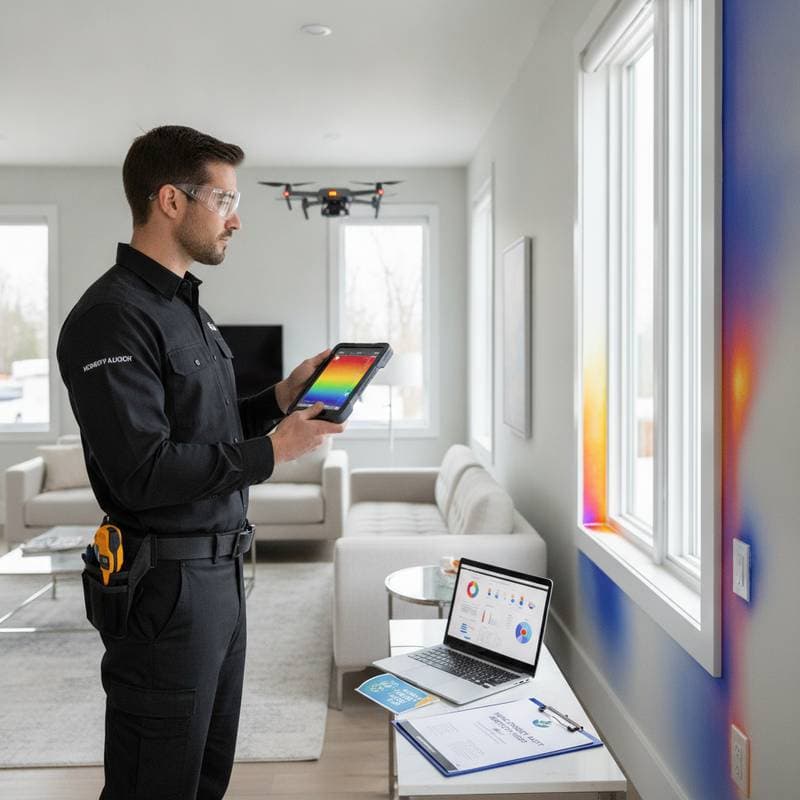
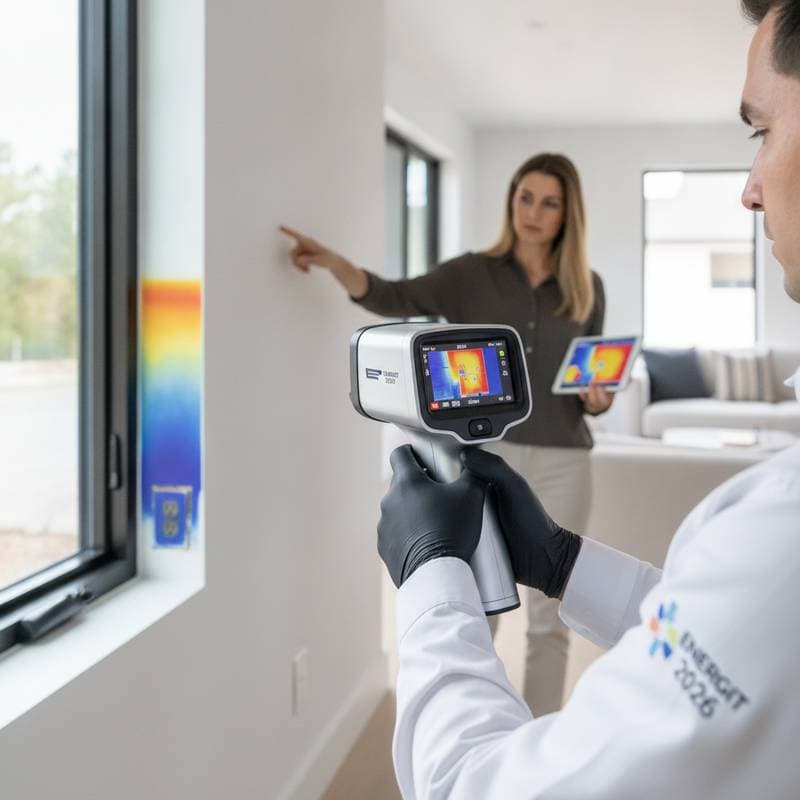
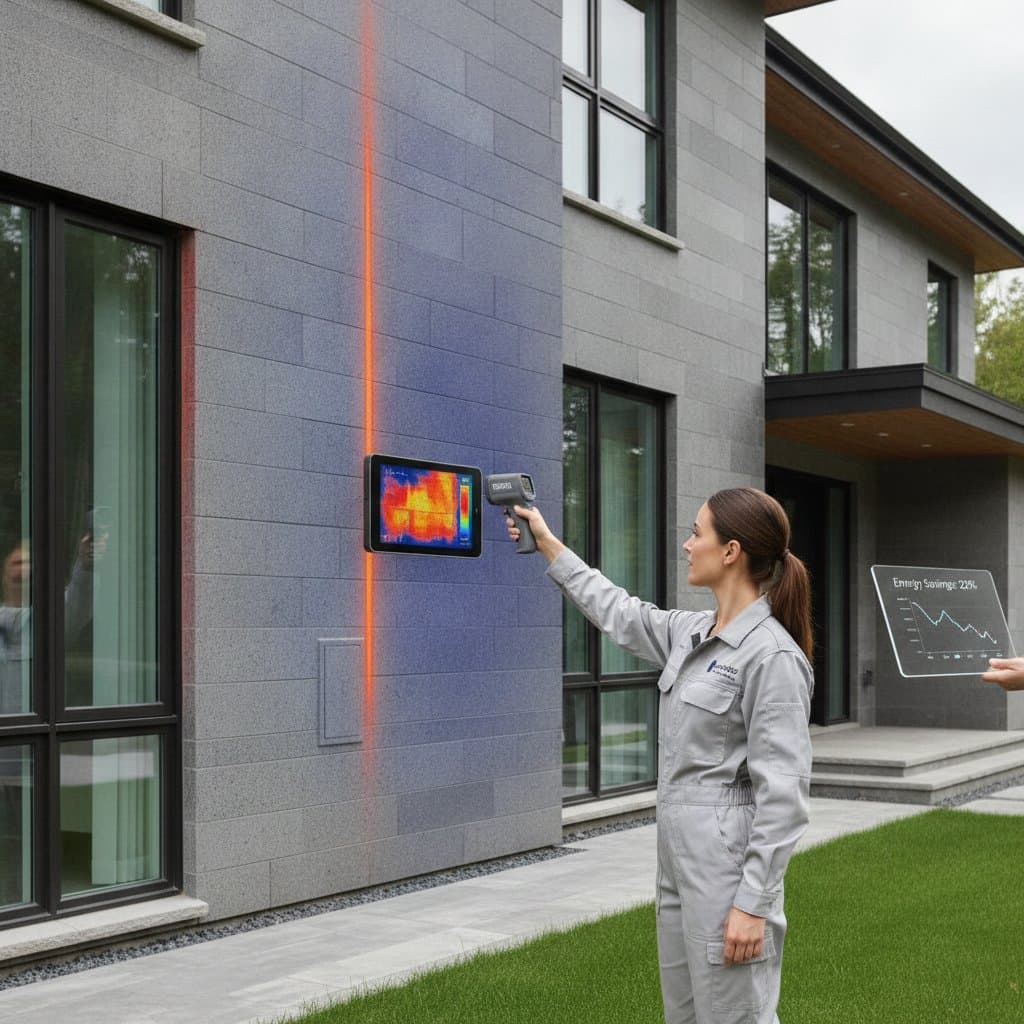
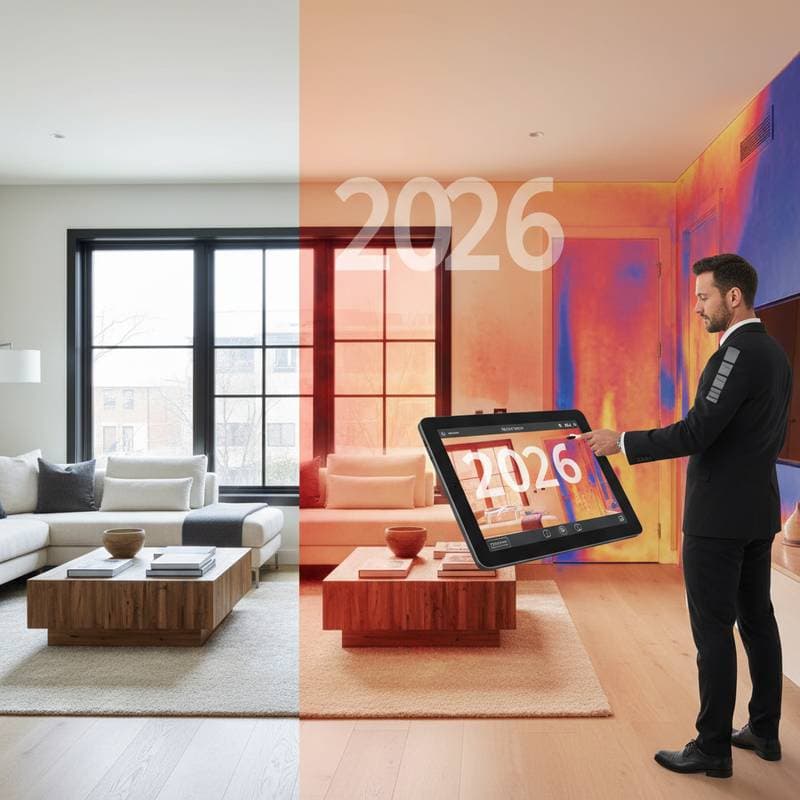
Thermal imaging technology offers homeowners a powerful tool to identify energy inefficiencies. These cameras capture infrared radiation emitted by objects and surfaces, translating temperature variations into visible images. Areas that lose heat appear as cooler colors, such as blue or purple, while warmer spots show in red or yellow tones.
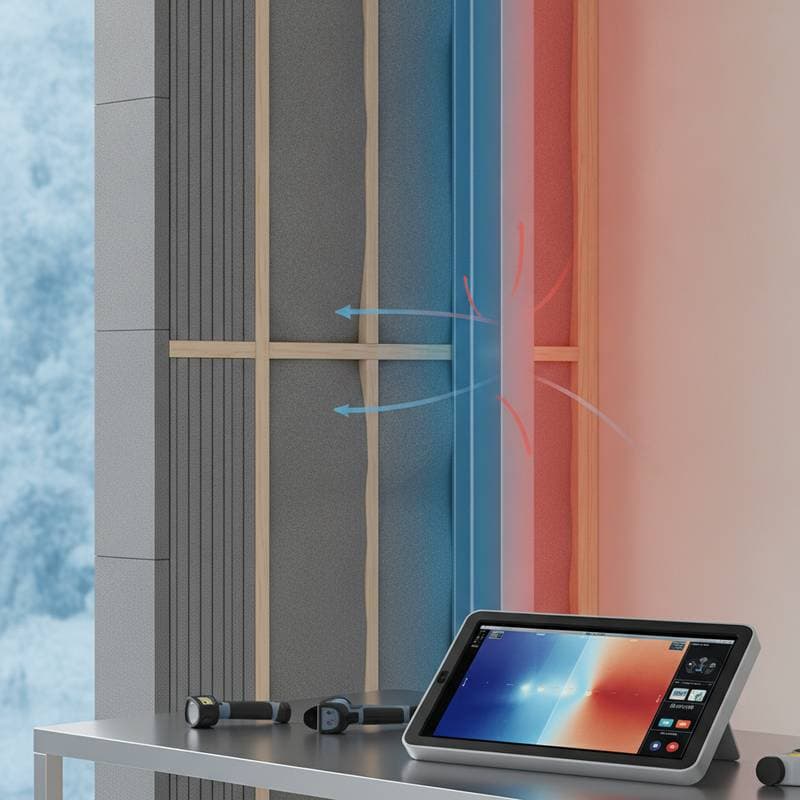
This method reveals problems that traditional inspections miss. For instance, drafts around windows or poor insulation in walls become evident through color gradients on the screen. Homeowners gain a clear visual map of where energy escapes, enabling precise interventions.
Common Sources of Energy Loss in Homes
Homes lose energy through multiple pathways, often unnoticed until bills rise. Windows and doors account for significant leaks, especially if seals degrade over time. Walls and attics suffer from inadequate insulation, allowing heat to transfer to the outdoors.
Ducts in heating systems frequently harbor leaks, wasting up to twenty percent of conditioned air. Electrical outlets and recessed lights in ceilings serve as conduits for heat escape. Floors over uninsulated crawl spaces or slabs also contribute to overall inefficiency.
Identifying these issues requires more than visual checks. Thermal cameras highlight temperature differentials that indicate airflow problems or moisture buildup, which can lead to further damage if ignored.
The Science Behind Thermal Cameras
Thermal cameras operate on principles of infrared thermography. Every object above absolute zero emits infrared energy, proportional to its temperature. The camera's sensor detects this radiation and converts it into a digital image.
Resolution matters in these devices; higher pixel counts provide sharper details for pinpointing small leaks. Sensitivity to temperature differences, often measured in millikelvin, ensures detection of subtle variations. Users view real-time footage or saved images to analyze patterns.
Professional models include software for quantitative analysis, measuring exact temperatures and suggesting energy loss calculations. Handheld units suit basic scans, while advanced systems integrate with building diagnostics for comprehensive reports.
Benefits of Thermal Imaging for Energy Efficiency
Employing thermal imaging yields immediate and long-term advantages. Homeowners reduce utility bills by addressing leaks, potentially saving hundreds annually. Enhanced insulation improves indoor comfort, eliminating cold spots and uneven heating.
Environmentally, lower energy use decreases carbon emissions. Families contribute to sustainability goals without sacrificing lifestyle. Audits also prevent costly repairs by spotting issues like water intrusion early.
Data from scans supports informed decisions. For example, visualizing a twenty-degree drop across a wall guides material choices for upgrades. Overall, this approach transforms vague suspicions into targeted actions.
Steps to Perform a Home Thermal Audit
Conducting a thermal audit follows a structured process for reliable results. Begin by preparing the home: turn off heating or cooling systems for several hours to achieve steady indoor temperatures. Scan during conditions that exaggerate differences, such as cold winter nights.
- Equip with a suitable thermal camera, ensuring it matches the home's size and complexity.
- Start outdoors, examining the building envelope from multiple angles to capture walls, roof, and foundation.
- Move indoors, focusing on rooms with high energy use; check windows, doors, and outlets systematically.
- Inspect HVAC systems by scanning ducts and vents for temperature inconsistencies.
- Record findings with photos and notes, noting ambient conditions like outdoor temperature.
- Review images to identify patterns, such as linear cool streaks indicating gaps.
Safety remains essential; avoid electrical hazards and use tripods for steady imaging.
Choosing Between DIY and Professional Services
DIY thermal audits empower homeowners with accessible tools starting at a few hundred dollars. Basic cameras suffice for initial scans, providing quick insights into obvious issues. This option suits those comfortable with technology and basic interpretation.
Professional services deliver deeper analysis for complex homes. Certified auditors use calibrated equipment and follow industry standards, such as those from energy efficiency organizations. They generate detailed reports with prioritized recommendations and potential rebate information.
Costs vary: DIY requires upfront investment, while professionals charge based on home square footage, often between two hundred and five hundred dollars. Both paths lead to savings, but experts handle nuances like interpreting moisture-related anomalies.
Implementing Fixes Based on Scan Results
Scan results dictate specific upgrades for maximum impact. For window leaks, apply weatherstripping or install low-emissivity films to block heat transfer. Door drafts resolve with adjustable thresholds or foam seals.
Insulate attics by adding blown-in cellulose or fiberglass batts to reach recommended depths of twelve to fifteen inches. Wall cavities benefit from spray foam, which expands to fill gaps and create airtight barriers.
Duct sealing uses mastic or foil tape to close joints, often combined with insulation wraps. For floors, rigid foam boards under subfloors prevent ground heat loss. Always prioritize high-impact areas identified in scans to optimize budgets.
Monitor post-upgrade with follow-up imaging to verify improvements. Temperature uniformity across surfaces confirms success, ensuring investments pay off.
Achieving Lasting Energy Savings and Comfort
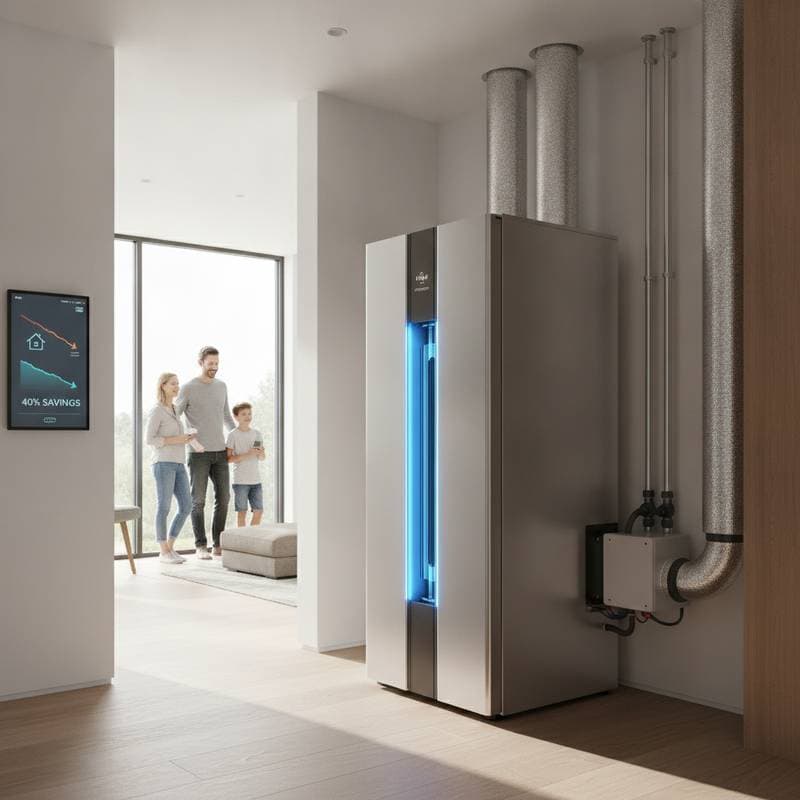
Targeted upgrades from thermal audits foster a resilient home. Annual savings compound over time, often recouping costs within a few years. Consistent temperatures reduce wear on HVAC systems, extending equipment life.
Homeowners experience greater comfort through even warmth distribution. Reduced drafts minimize health issues from cold exposure. Sustainability improves as lower energy demands align with eco-friendly living.
Regular audits, every few years or after renovations, maintain efficiency. This proactive stance not only cuts costs but elevates home value. Embrace thermal imaging to secure a warmer, greener future.