Key Points
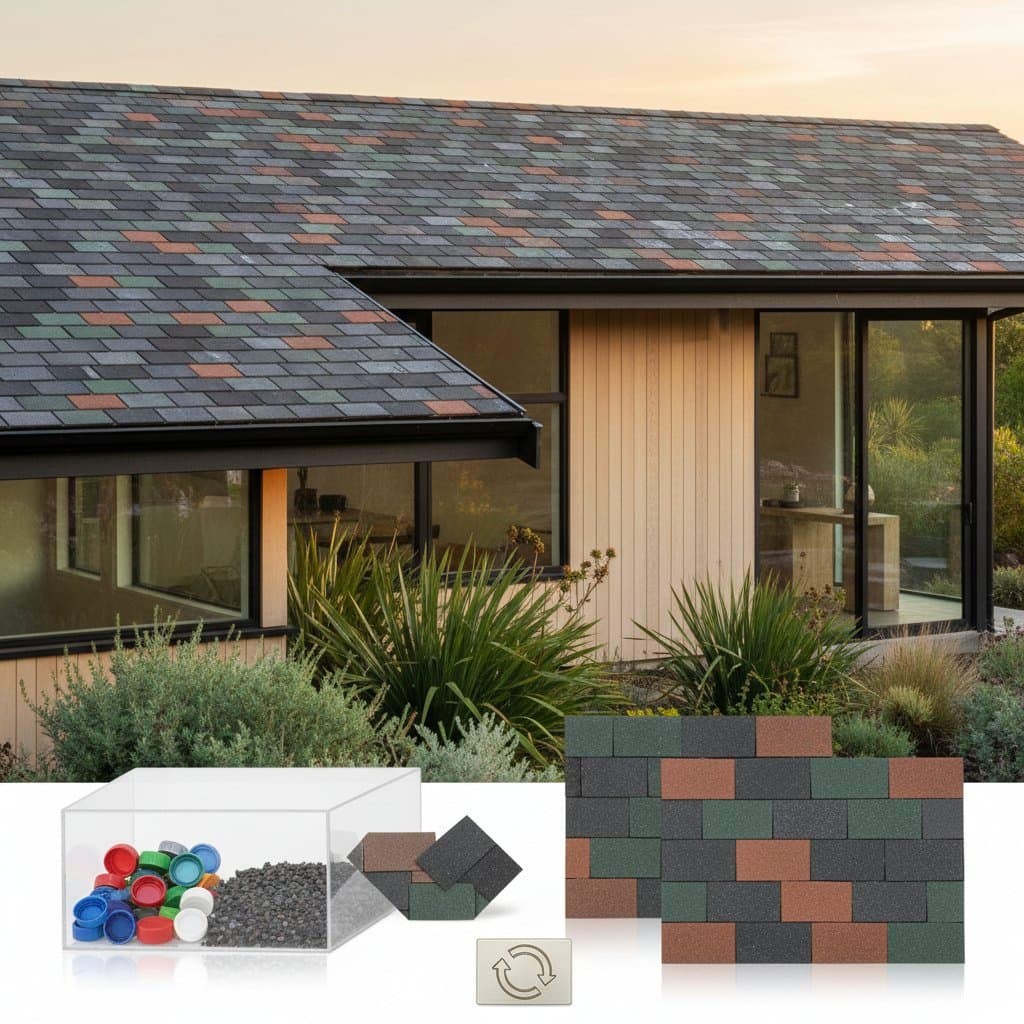
- Recycled shingles, produced from post-consumer plastics and reclaimed materials, redefine eco-friendly roofing options.
- These shingles deliver exceptional durability, resistance to weather extremes, and attractive designs alongside a reduced environmental impact.
- Homeowners realize long-term savings through decreased maintenance needs, improved energy performance, and prolonged service life.
- Selecting recycled roofing advances circular economy objectives, minimizes landfill contributions, and fosters the creation of resilient, sustainable residences.
Why Recycled Shingles Matter
The roofing sector has grappled with substantial waste challenges for years. Conventional asphalt shingles offer affordability yet possess limited longevity, typically enduring only two to three decades before disposal in landfills. Annually, millions of tons of roofing waste accumulate, ranking as a primary contributor to construction debris.
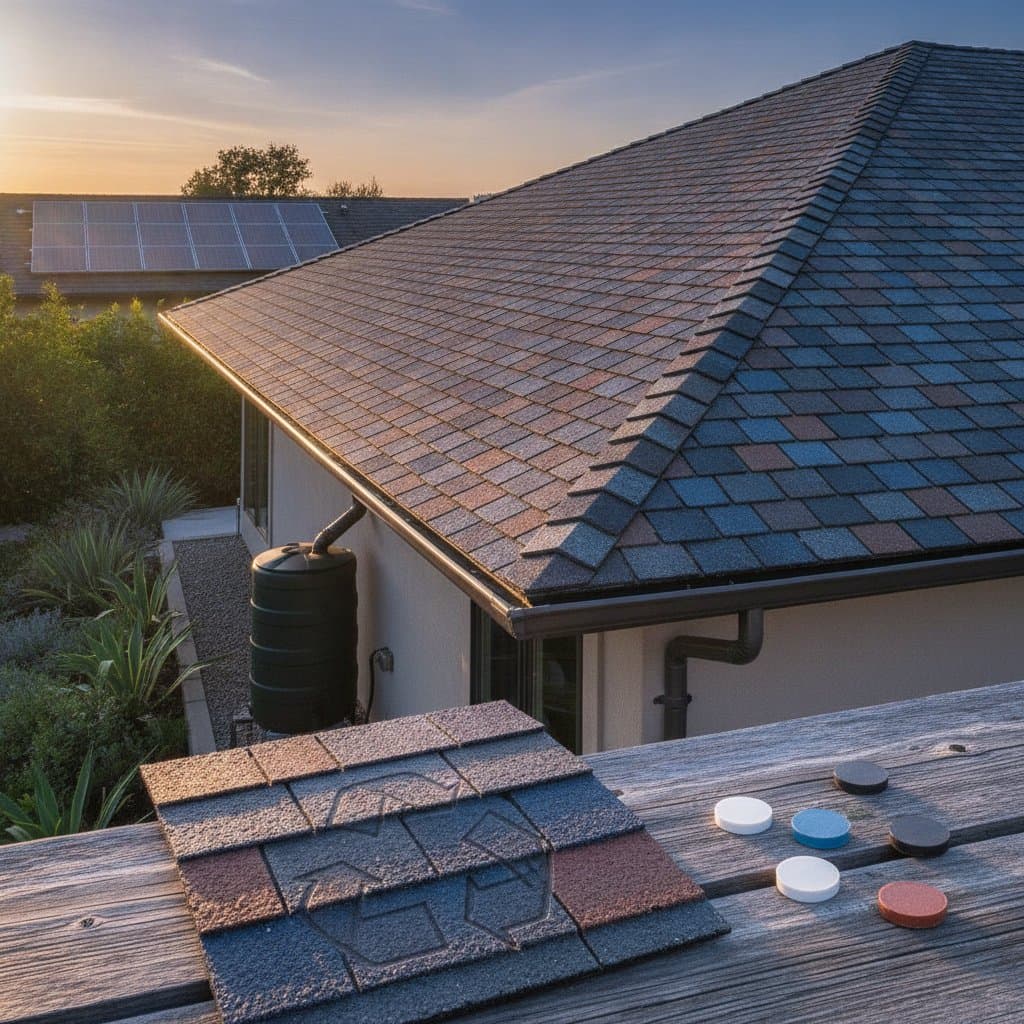
Recycled shingles alter this pattern fundamentally. Manufacturers incorporate reclaimed plastics, rubber, cellulose fibers, or even repurposed roofing scraps to fabricate products that mimic the appearance of premium slate or cedar shakes while outperforming them in demanding conditions. This approach diverts materials from landfills and diminishes reliance on new raw resources, resulting in reduced petroleum extraction, lower energy use in manufacturing, and decreased greenhouse gas emissions.
From a financial perspective, property owners gain from products that endure longer and demand less routine care. On the environmental front, each installation represents a tangible contribution to planetary health. Socially, this trend reflects evolving standards for luxury and value in residential architecture, where an elegant roof that prevents plastic waste from reaching oceans resonates with broad audiences.
Cost Breakdown and ROI Analysis
Recycled shingles generally incur higher initial expenses compared to asphalt but remain more economical than natural slate or metal roofing. Installation costs typically span from $6 to $12 per square foot, varying by manufacturer, geographic location, and project intricacies.
Consider this comparative overview:
| Material Type | Installed Cost per sq. ft. | Average Lifespan | Maintenance Level | Typical ROI |
|---|---|---|---|---|
| Asphalt | $4 - $6 | 20 - 25 years | Moderate | 60 - 70% |
| Recycled Plastic Composite | $6 - $12 | 40 - 50 years | Low | 70 - 80% |
| Natural Slate | $15 - $25 | 75+ years | Low | 80%+ |
| Metal Roofing | $9 - $14 | 50+ years | Low | 70 - 85% |
Recycled shingles occupy a balanced position in pricing, yet their superior longevity and reduced upkeep generate robust returns over the product's life. Incorporating energy efficiency gains and potential insurance reductions for impact resistance further lowers overall expenses relative to shorter-lived options.
Energy conservation enhances the return on investment as well. Numerous recycled shingles exhibit enhanced solar reflectivity over asphalt, cutting cooling expenses by 10 to 20 percent in hotter regions. Their inherent insulation properties also mitigate heat loss during colder months, providing consistent efficiency throughout the seasons.
Factors Influencing the Project
Multiple elements affect the overall expense, duration, and outcome of installing recycled shingles.
- Roof Pitch and Complexity: Inclined or intricate designs necessitate additional labor and safety measures, thereby increasing installation fees.
- Underlayment and Decking Condition: Requirements for structural fixes or replacements elevate project costs.
- Local Labor Market: Variations in skilled worker rates across regions can substantially influence total pricing.
- Product Availability: Certain recycled shingle varieties emerge in restricted production runs, potentially extending procurement timelines.
- Recycling Program Participation: Select manufacturers in particular locales provide programs to reclaim old materials, which can offset disposal charges.
Securing a comprehensive quote that accounts for potential unforeseen repairs aids in avoiding financial surprises.
Expert Validation and Actionable Takeaways
Professionals in the field underscore that sustainable roofing extends beyond environmental benefits to encompass prudent financial decisions. Builders value the straightforward installation processes and reliable quality standards of recycled shingles. Building inspectors commend their efficacy in handling moisture and meeting fire resistance criteria. Real estate appraisers note the positive effects on property valuations and energy performance scores.
Homeowners interested in this upgrade should follow these practical steps:
- Conduct a Roof Assessment: Engage a certified inspector to evaluate whether the current structure can accommodate synthetic roofing materials.
- Evaluate Product Options: Examine certifications, warranty terms, and the proportion of recycled content in various brands.
- Inquire About Incentives: Investigate regional rebates or tax credits available for eco-conscious building choices.
- Address Ventilation Needs: Ensure adequate attic air circulation to avoid issues like condensation or mold, regardless of material quality.
- Maintain Documentation: Record certifications and installation specifics to bolster future property sales.
Integrating Recycled Shingles into Daily Home Life
Once installed, recycled shingles integrate seamlessly into routine home maintenance. Their resistance to common wear factors means owners spend less time on repairs and more on enjoying their spaces. In regions prone to severe weather, these roofs provide peace of mind through proven performance in wind, hail, and UV exposure tests.
Over time, the environmental advantages compound. A single roof can prevent thousands of pounds of plastic from entering waste streams, while energy savings accumulate into meaningful reductions in utility bills. Pairing this upgrade with other green features, such as native landscaping or efficient appliances, amplifies the home's overall sustainability profile.
Homeowners often report heightened satisfaction with the aesthetic versatility of these materials, which blend traditional styles with modern resilience. As adoption grows, recycled shingles not only protect individual properties but also contribute to broader community efforts in waste reduction and resource conservation.
Frequently Asked Questions
Are recycled shingles as durable as traditional materials?
Yes, numerous recycled shingles achieve or surpass the standards of asphalt or wood counterparts. The composite composition imparts resilience against cracking, fading, and impact, ensuring reliability over several decades.
Do they require special maintenance?
Care remains straightforward. Periodic cleaning and post-storm inspections suffice in most scenarios. Unlike natural materials, these shingles eliminate the need for treatments or repainting.
Can recycled shingles be installed over existing roofing?
Certain installations permit overlay, provided the manufacturer endorses it and building codes allow. This method cuts waste but requires verification of adequate ventilation and load capacity.
How eco-friendly are recycled shingles in practice?
These shingles rank highly among sustainable choices. Their ecological value hinges on the recycled content ratio, manufacturing energy efficiency, and end-of-life recyclability.
Will they fade or discolor over time?
Premium recycled shingles incorporate UV-resistant pigments to maintain color integrity. Budget alternatives may experience subtle shifts, so reviewing technical specifications proves essential.
Are recycled shingles compatible with solar panels?
Yes, they align well with conventional solar installations. The materials' durability and thermal stability enhance their suitability for combined renewable energy systems.