Mycelium Insulation: A Sustainable Alternative to Foam
Mycelium insulation represents a biodegradable, renewable building material grown from fungi. It replaces petroleum-based foams and fiberglass, which reduces embodied carbon and contributions to landfills. These panels provide strong thermal performance, effective moisture management, and fire resistance without toxic chemicals. Initial costs exceed those of traditional materials, but prices decrease as production expands. Integration works well in retrofits, new builds, or hybrid systems alongside standard insulation.
Understanding Mycelium as a Building Material
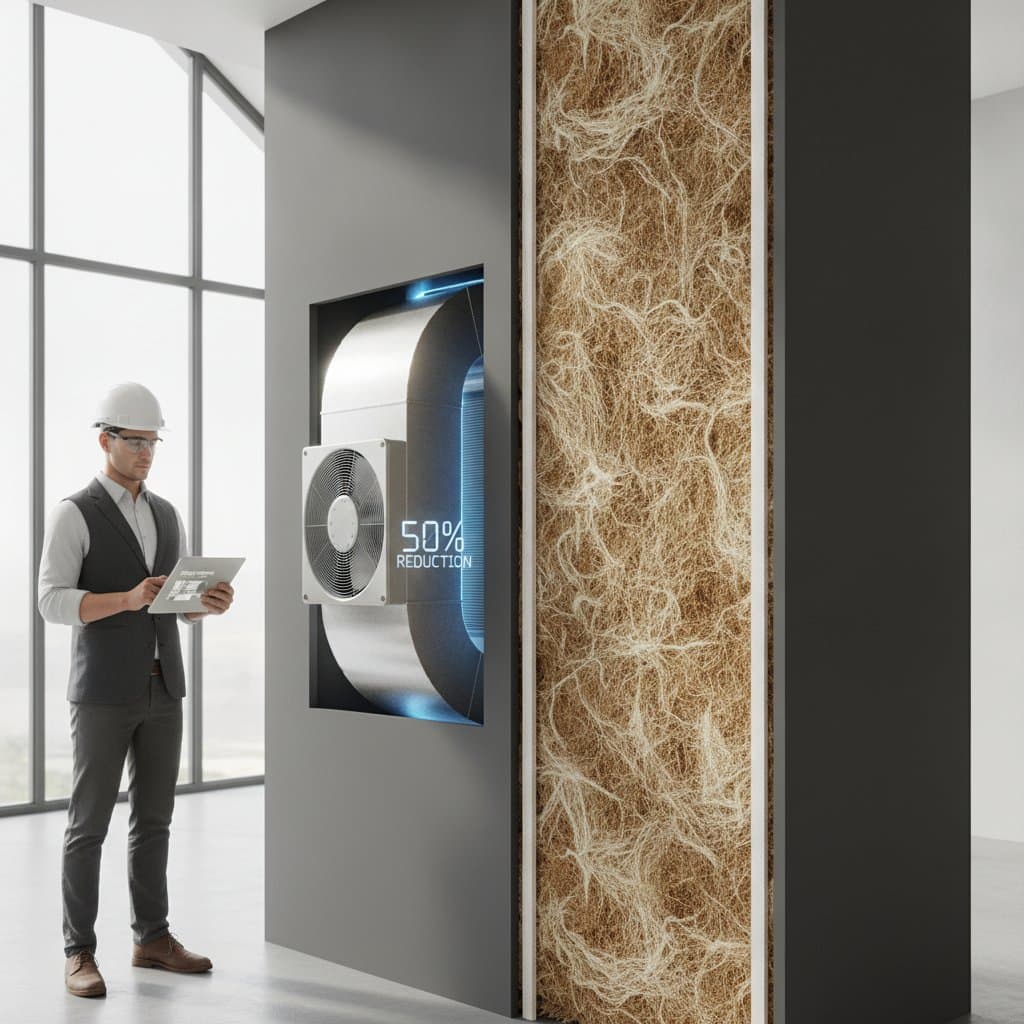
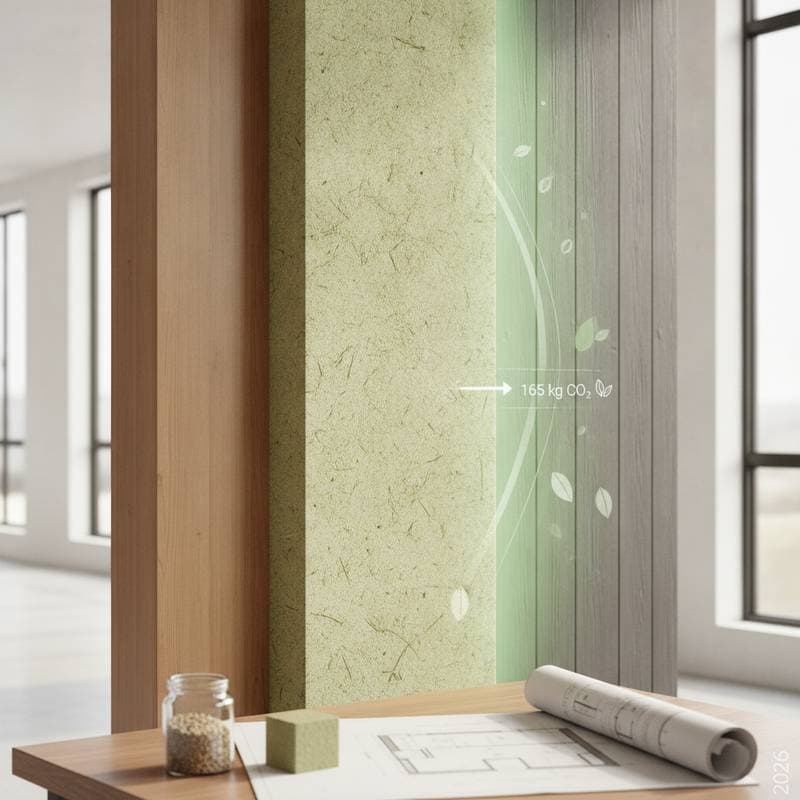
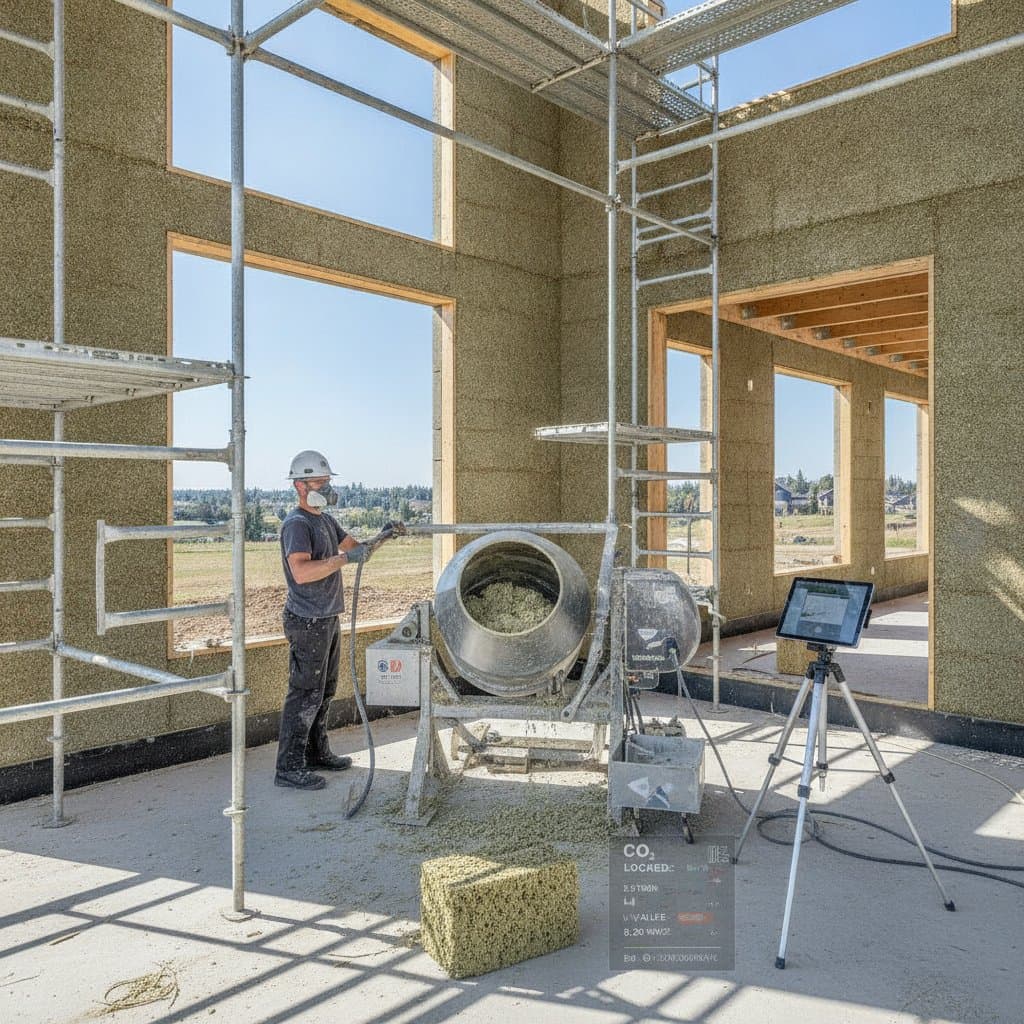
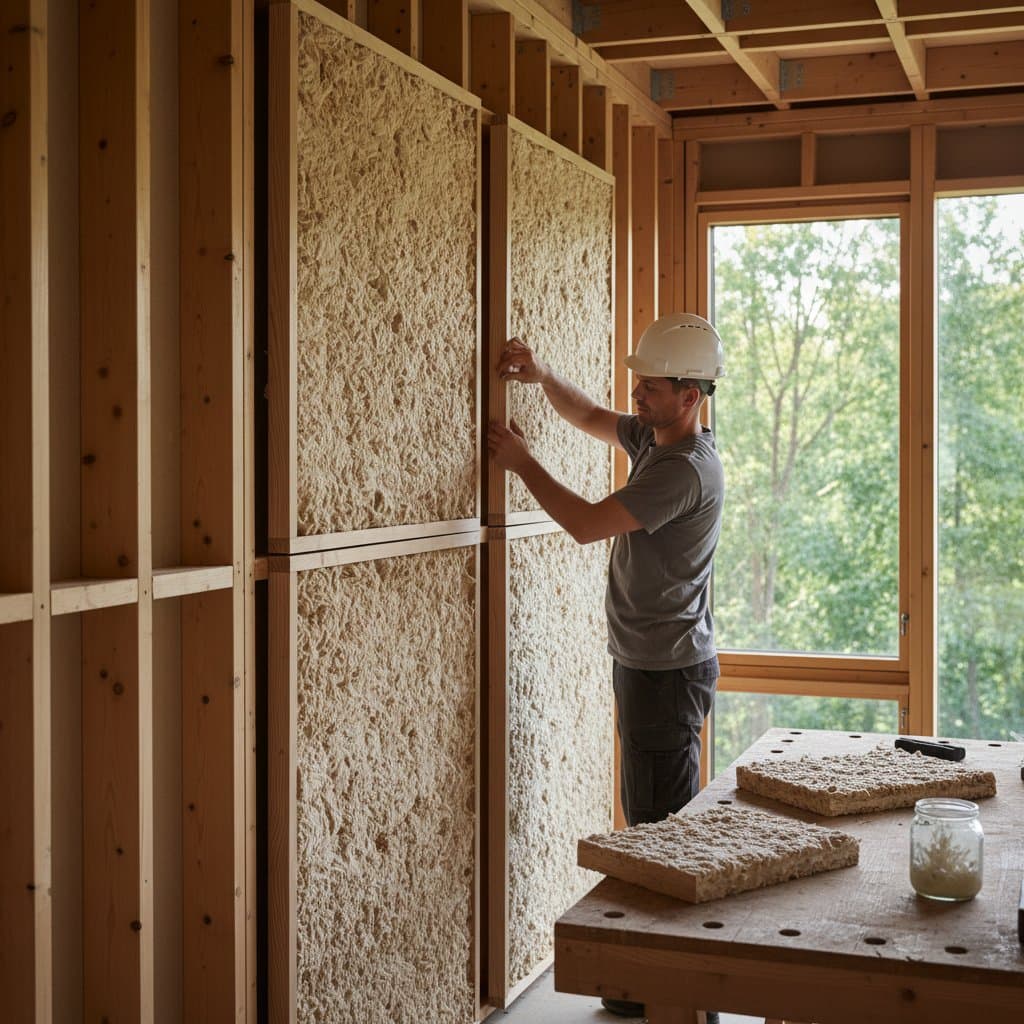
Imagine a wall cavity lined with a network of natural fungal fibers instead of synthetic fiberglass or foam. This image reflects real sustainable building practices today. Mycelium, the root-like structure of fungi, offers builders and homeowners a path to healthier, more environmentally friendly spaces.
The cultivation process for mycelium proves simple and efficient. Fungi grow on agricultural waste such as straw, corn husks, or sawdust inside custom molds. Once growth completes, drying halts development and hardens the material into lightweight, durable panels. These panels match the insulation performance of conventional products while avoiding their environmental harms.
Advantages for Sustainable Homes
Traditional insulators like polyurethane foam and fiberglass create thermal barriers but come with notable drawbacks. Sourced from fossil fuels, they emit volatile organic compounds and prove difficult to recycle. Mycelium insulation grows using minimal energy on waste substrates and decomposes naturally at the end of its life.
These qualities deliver long-term economic benefits. Upfront costs per square foot run higher than alternatives, but lifecycle savings accumulate through reduced energy use and maintenance. The material improves indoor air quality, sequesters carbon with each installation, and supports both residential and broader sustainability goals.
Key Planning Factors
Successful implementation of mycelium insulation requires thoughtful preparation. Its unique properties influence design choices, installation methods, and performance outcomes.
Moisture Control
Dried mycelium maintains strength in low-humidity settings. Install vapor barriers, durable exterior claddings, and proper ventilation systems to prevent mold growth or degradation.
Density and Shapes
Production yields rigid panels, flexible batts, or tailored blocks. Increase density for higher thermal resistance, achieving R-values of 3 to 4 per inch in rigid versions, comparable to mineral wool.
Fire Resistance
Mycelium chars when exposed to fire rather than melting, which reduces toxic smoke and improves safety compared to petroleum-based options.
Compatibility with Other Materials
Pair it with wood frames, hempcrete, or clay plasters for optimal results. In steel or concrete builds, layer it with additional insulators for enhanced protection.
Regulatory Compliance
Regulations for bio-based materials continue to evolve. Confirm approval with local building authorities through performance tests or certifications that demonstrate equivalence to standard products.
Cost Breakdown and Investment Returns
Costs vary by project scale and supplier, but typical figures offer guidance.
- Material Costs: Panels range from 8 to 14 dollars per square foot, depending on thickness and source.
- Installation Costs: Labor aligns with rigid foam or mineral wool at 3 to 5 dollars per square foot.
- Long-Term Savings: With adequate protection, panels last decades. Their low carbon profile qualifies projects for energy efficiency rebates and green building certifications.
Owners recover investments in seven to ten years through lower heating and cooling bills, minimal maintenance, and increased property values. Buildings with sustainable features appeal to buyers who value health and environmental benefits.
Creative Uses in Design
The moldable quality of mycelium supports innovative applications in construction.
- Wall Assemblies: Use panels in place of rigid foam behind wood siding or natural plasters for integrated insulation.
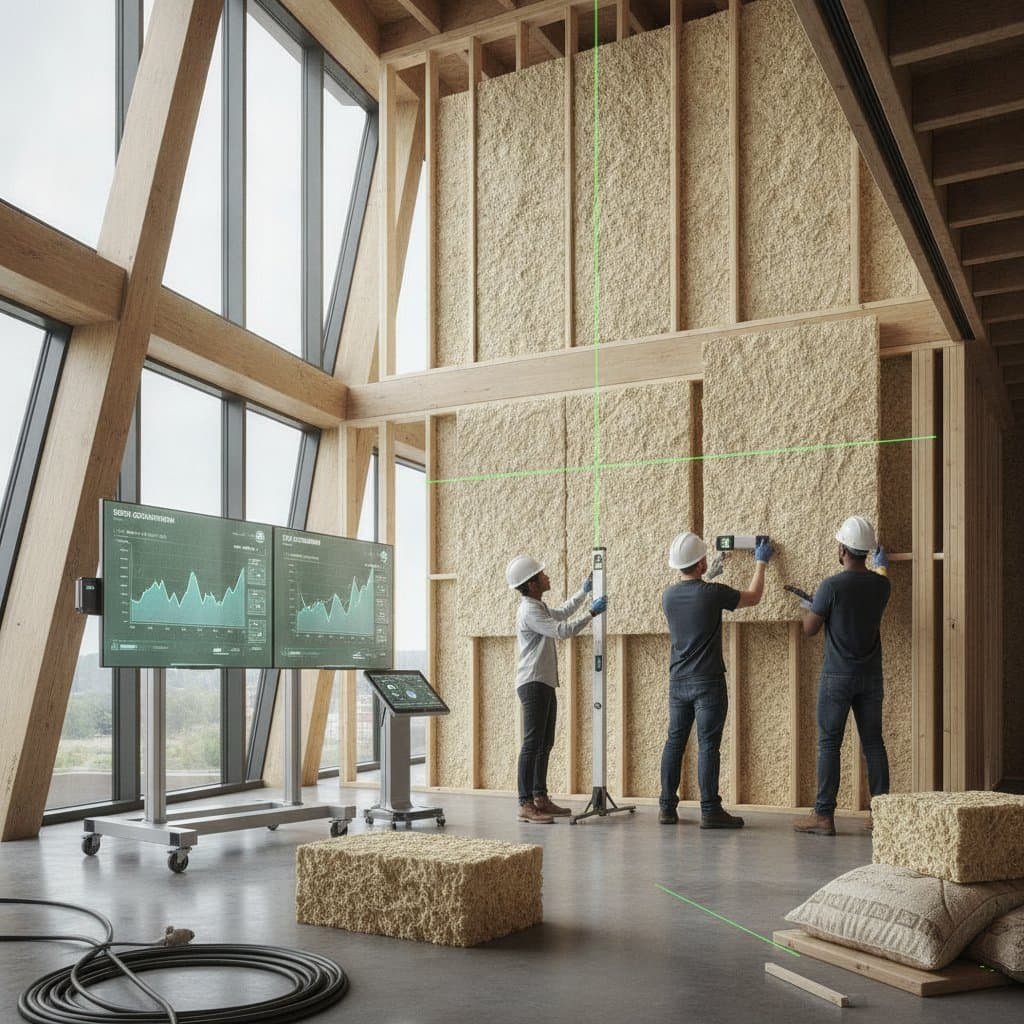
- Roof and Ceiling Areas: Place lightweight batts in rafters to provide consistent thermal coverage without compression over time.
- Acoustic Solutions: Apply its porous structure in panels for sound control in home studios or open living spaces.
This versatility allows architects to shape the material like clay, blending functionality with organic aesthetics. Designs gain depth from elements rooted in biological processes.
Factors Influencing Project Suitability
Several variables affect whether mycelium fits a specific build.
- Local Climate: Humid regions demand rigorous moisture safeguards, while dry areas support straightforward performance.
- Construction Type: New builds facilitate easier adoption than retrofits, where pre-cut panels or inserts simplify the process.
- Budget Limits: As an emerging material, it carries higher initial prices than fiberglass or cellulose, though market growth lowers costs.
- Supply Chain: Choose local producers to cut transportation emissions and enhance overall sustainability.
- Certification Goals: It contributes to points in systems like LEED or Passive House by promoting healthy materials and carbon savings.
Beyond Basic Insulation: Performance Gains
Mycelium offers benefits that extend past thermal properties.
-
Carbon Sequestration: The growth phase locks atmospheric carbon into the panels, reducing emissions in building assemblies.
-
Improved Air Quality: Free of formaldehyde, volatile organic compounds, or microplastics, it creates healthier indoor environments.
-
Natural Breakdown: At the end of use, the material composts fully, avoiding hazardous waste disposal.
-
Energy Efficiency: Well-designed installations cut consumption by 20 to 30 percent, based on system details.
-
Thermal Stability: Its cellular structure helps regulate indoor temperatures, easing summer heat and winter cold.
These features make mycelium a holistic choice for combining environmental care with comfortable living.
Expert Perspectives and Practical Steps
Industry experts commend mycelium for balancing performance with ecological values. Laboratory tests show compressive strength similar to lightweight foams, alongside complete compostability. Installers describe its handling as akin to lightweight cork, which aids in on-site adjustments.
Homeowners can take these steps for success:
- Select suppliers that provide documentation on R-values and fire ratings.
- Plan assemblies with built-in moisture barriers and breathable finishes.
- Consider combinations with cellulose or hemp insulation to manage costs.
- Specify protection from direct water during installation.
Transitioning from synthetic materials requires deliberate choices toward greener options.
Common Questions About Mycelium Insulation
Can homeowners grow mycelium insulation at home?
Technical production proves possible, but achieving uniform results poses challenges. Commercial facilities use controlled sterility and humidity for consistent density. Home setups work best for non-structural decorative pieces.
How does its thermal performance compare to fiberglass?
Fiberglass achieves slightly higher R-values per inch, but mycelium provides better sealing and moisture handling. The environmental and health advantages outweigh small differences in insulation efficiency.
Does it attract mold or pests?
Once cured and sealed, mycelium stays inactive and resists microbes and insects due to its natural makeup.
Is it suitable for cold climates?
Yes, when layered adequately and sealed airtight. Additional barriers enhance effectiveness in extreme low temperatures.
Can it work with fasteners or adhesives?
It accepts both, with preference for natural adhesives like casein or lime-based mortars to maintain sustainability. Mechanical fasteners hold securely without compromising the material.
What happens if it gets wet?
Short exposure causes minimal damage if dried quickly. Prolonged moisture reduces strength, which highlights the importance of ventilation.
Does it meet building codes?
Approval increases through alternative methods that prove performance equivalence. Consult inspectors early to navigate requirements.
Steps to Incorporate Mycelium in Your Project
Incorporating mycelium insulation moves projects toward durable, low-impact structures. This choice enhances energy performance while supporting global environmental health. Builders and homeowners find lasting rewards in adopting this fungal-based innovation.