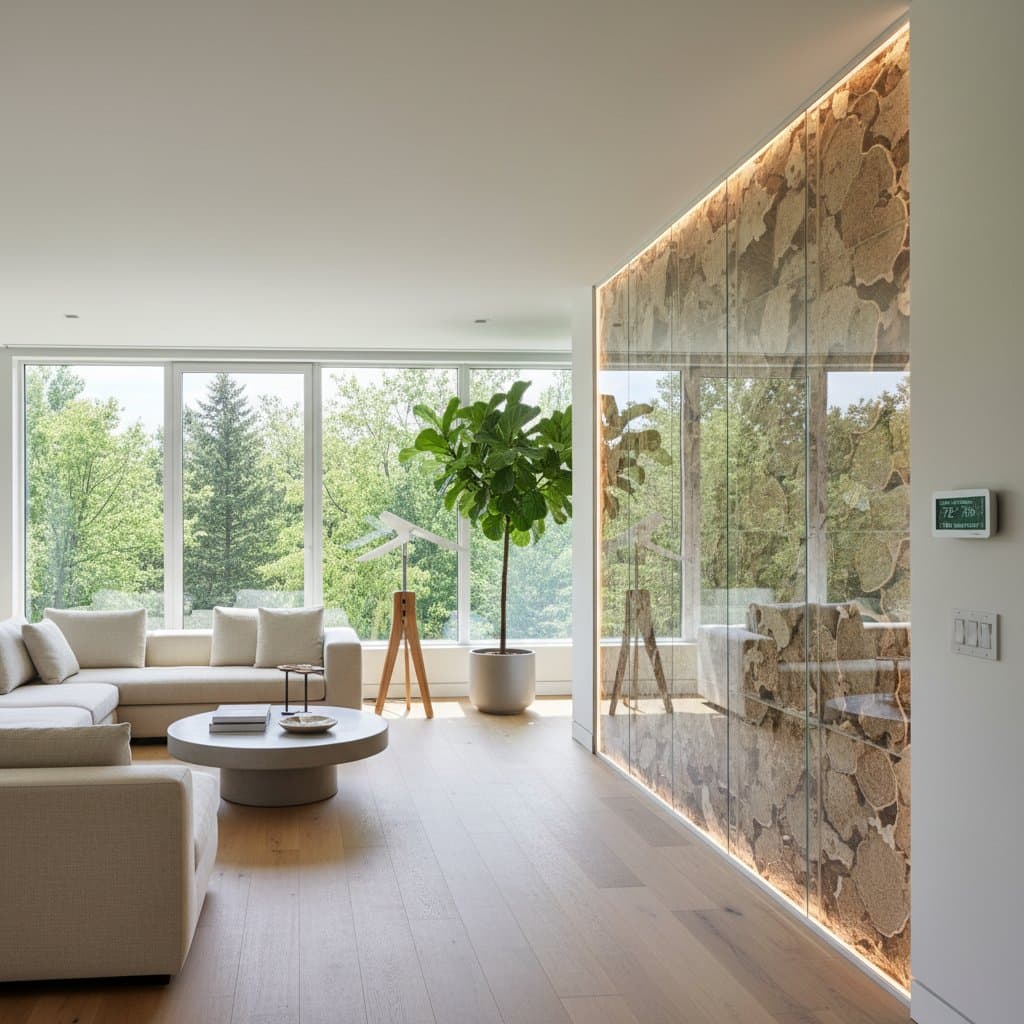
Mushroom Insulation: An Eco-Innovation for Homes in 2026
High-performance building materials rarely evoke images of fungi. However, mycelium, the root-like structure of mushrooms, emerges as a promising base for energy-efficient residences. This material redefines sustainable construction by combining environmental benefits with practical performance.
Essential Features
- Mycelium insulation provides thermal resistance similar to traditional foams, yet avoids harmful chemicals.
- The material decomposes completely at the end of its life cycle.
- Manufacturing releases up to 90 percent less carbon than processes for synthetic alternatives.
- It resists fire, mold, and absorbs sound, enhancing occupant comfort.
- Initial installations in architectural projects demonstrate energy reductions of 25 to 30 percent in sealed structures.
Understanding Mushroom Insulation
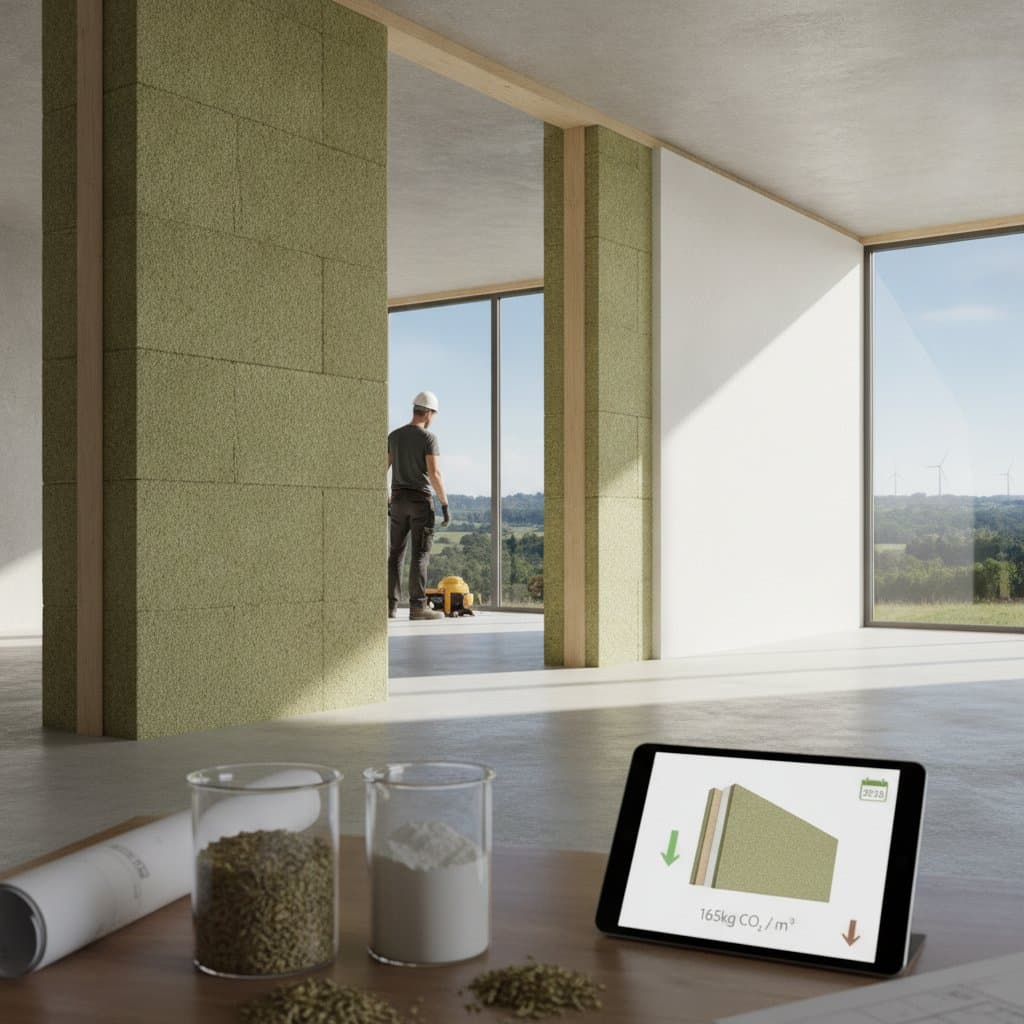
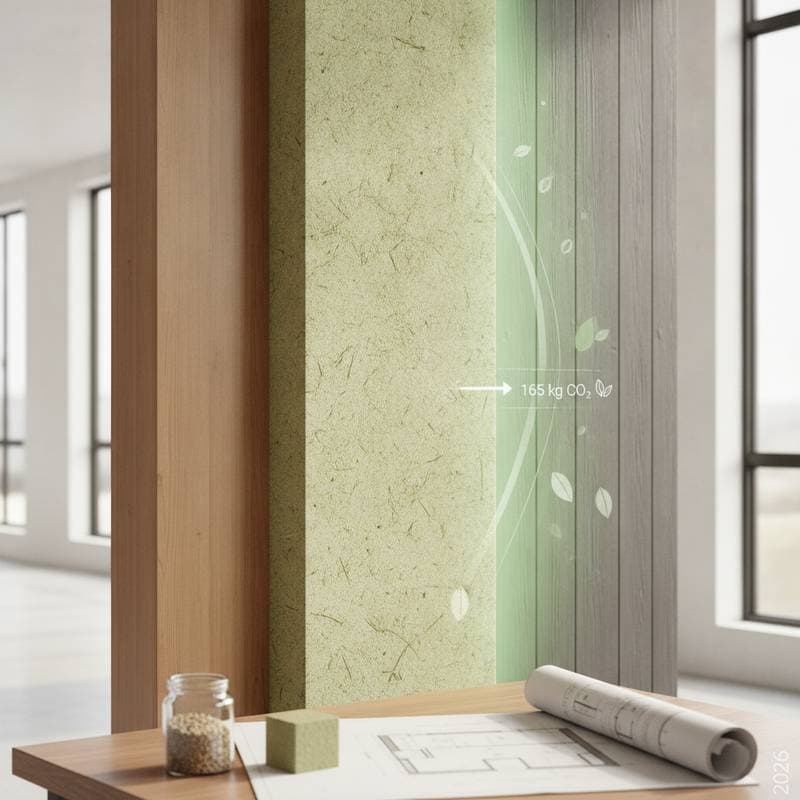
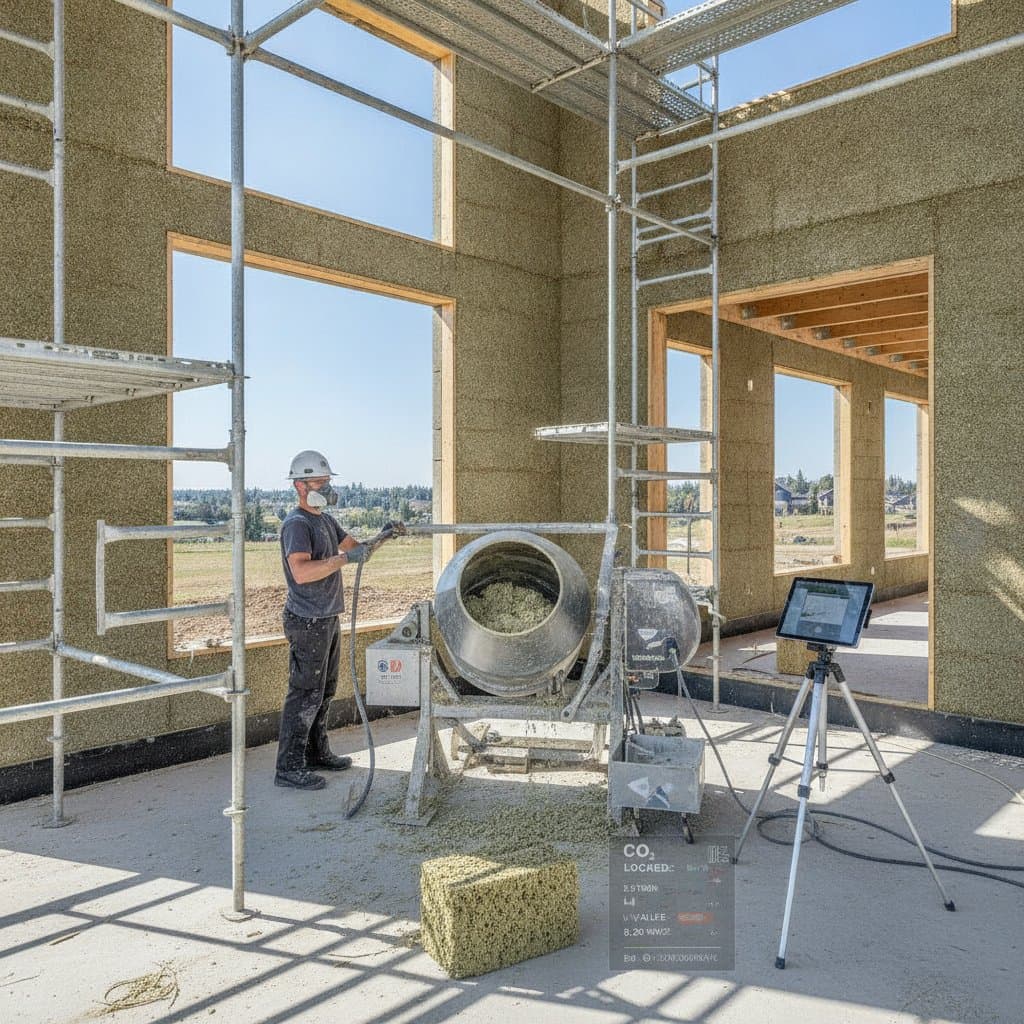
Mushroom insulation consists of mycelium, a network of fungal threads grown through substrates such as sawdust, hemp hurds, or crop residues. The mycelium binds these particles into a solid, lightweight form. After drying or baking, growth stops, resulting in a firm material suitable for panels or custom shapes.
This method requires little energy and eliminates synthetic glues. By utilizing farm byproducts, it converts potential waste into a useful asset. In optimal scenarios, the process achieves a negative carbon footprint, as the material captures more carbon than production releases.
Performance Against Conventional Materials
Standard insulators like fiberglass and foam boards offer solid thermal properties but depend on fossil fuel-derived components and energy-intensive production. Mycelium insulation matches these on key measures while providing substantial ecological gains.
| Property | Mycelium Insulation | Fiberglass | Foam Board |
|---|---|---|---|
| Thermal Resistance (R-value per inch) | 3.5 to 4 | 3 to 4 | 4 to 6 |
| Fire Resistance | High, forms natural char barrier | Medium, needs chemical additives | Low to medium, prone to ignition |
| Biodegradability | 100 percent | None | None |
| Carbon Emissions During Production | Very low | High | Very high |
| Toxic Off-gassing | None | Possible | Common |
Studies from sustainable architecture initiatives indicate superior results in passive houses, where air tightness minimizes heat loss. The material's permeability manages moisture levels, decreasing reliance on powered ventilation systems.
Practical Uses and Versatile Design
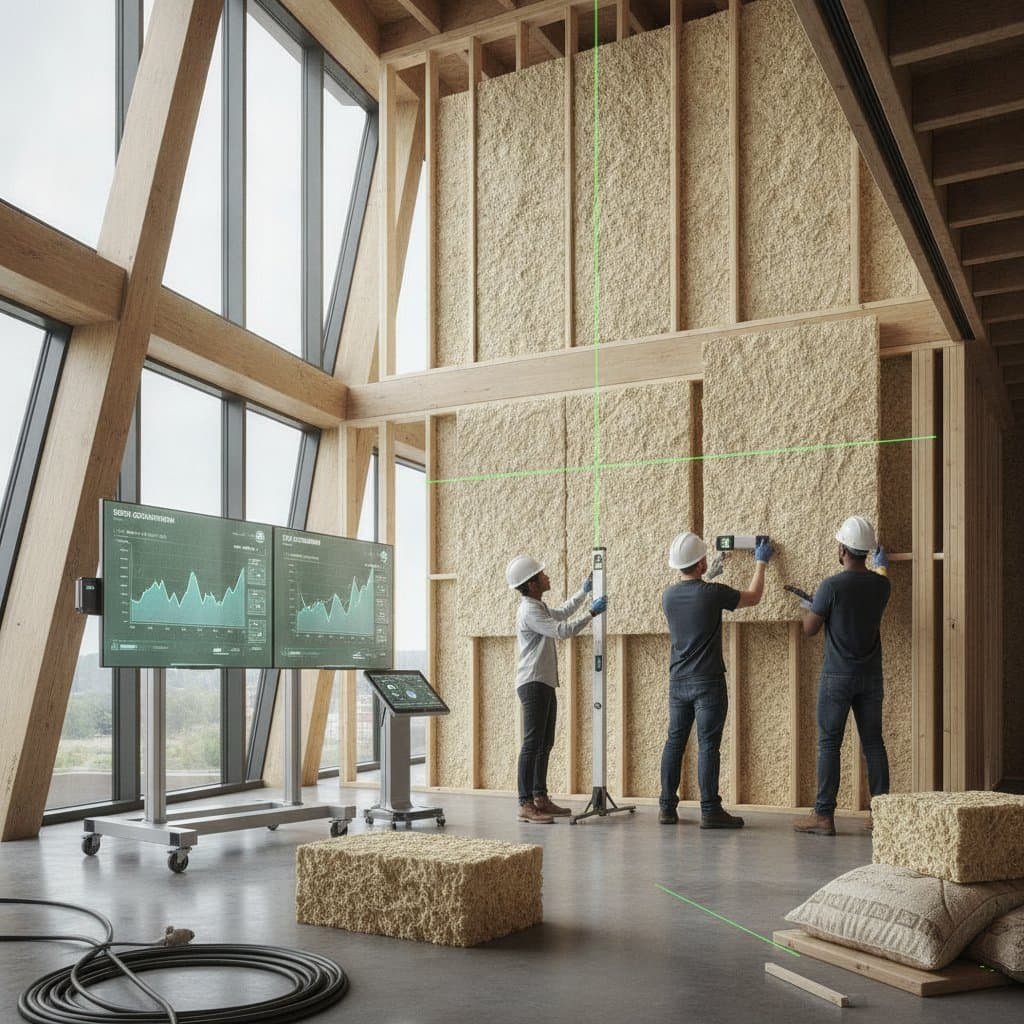
Architects integrate mycelium insulation by molding it for unique spaces or producing prefabricated units. Applications include wall infills, roofing assemblies, and sound barriers. Custom growth in forms minimizes scraps during fabrication.
The material's texture and appearance appeal to designers. Sealed with natural finishes like lime plaster, it fosters organic interiors. For those seeking low-emission homes, it removes risks from chemical adhesives or retardants that release volatiles over time.
To maximize benefits, combine it with airtight membranes in exterior walls. In humid climates, its moisture regulation prevents structural issues common in synthetic options.
Cost Analysis and Scalability
Mycelium insulation prices align with standard foam boards, depending on volume and provider. Low-cost feedstocks and efficient processing enable broad production. Savings accrue from lower utility costs and avoided waste handling expenses.
In a European sustainable housing initiative, residences with this insulation reduced yearly energy outlays by 25 percent relative to fiberglass setups. Durability against pests and fungi lowers upkeep needs.
Analysts calculate returns exceeding 15 percent per year, considering full lifecycle and potential rebates for green materials. As supply chains mature, costs may decline further, making it accessible for mainstream projects.
Health and Ecological Advantages
Mycelium insulation promotes well-being indoors. Its breathability averts moisture buildup, curbing mold risks. Sound absorption creates quieter environments, ideal for urban or shared living.
Ecologically, each cubic meter sequesters kilograms of carbon that might otherwise contribute to atmospheric levels. Localized production near farms reduces shipping impacts and bolsters regional jobs.
Research from eco-institutes suggests widespread use could cut building sector waste by 80 percent, substituting disposables with compostable elements. This shift supports broader goals of circular economies in construction.
Incorporating Mycelium Insulation in Construction Projects
To adopt mycelium insulation, consult suppliers focused on biological materials. Request samples to assess density, strength, and insulation feel. Verify that contractors know installation techniques, as it differs from rigid synthetics.
In retrofits, fit panels into current frames with minimal disruption. For new constructions, embed it in modular walls for efficiency. Integrate with complements like cellulose fills or straw panels to optimize insulation and style.
Consult local codes for bio-materials to ensure compliance. Early planning allows testing in prototypes, confirming performance in specific climates. This approach positions projects as leaders in regenerative design.