Key Points
- Integrated solar shingles generate electricity while serving as traditional roofing material, eliminating the need for bulky panels.
- Upfront installation costs exceed those of standard roofs, yet energy savings and increased home value provide substantial long-term returns.
- Available products include luxury full-roof systems and modular shingles suitable for retrofitting existing roofs.
- Actual performance and return on investment depend on roof orientation, local climate, and utility rates.
- Selecting certified installers and high-quality materials guarantees durability and reliable energy production over time.
Balancing Energy Needs and Home Design
Homeowners often struggle to lower energy costs, minimize environmental impact, and enhance property value without altering their home's appearance. Traditional solar panels provide clear benefits but frequently disrupt architectural harmony or demand structural modifications. Solar roof shingles address this tension by integrating power generation seamlessly into the roofing surface.
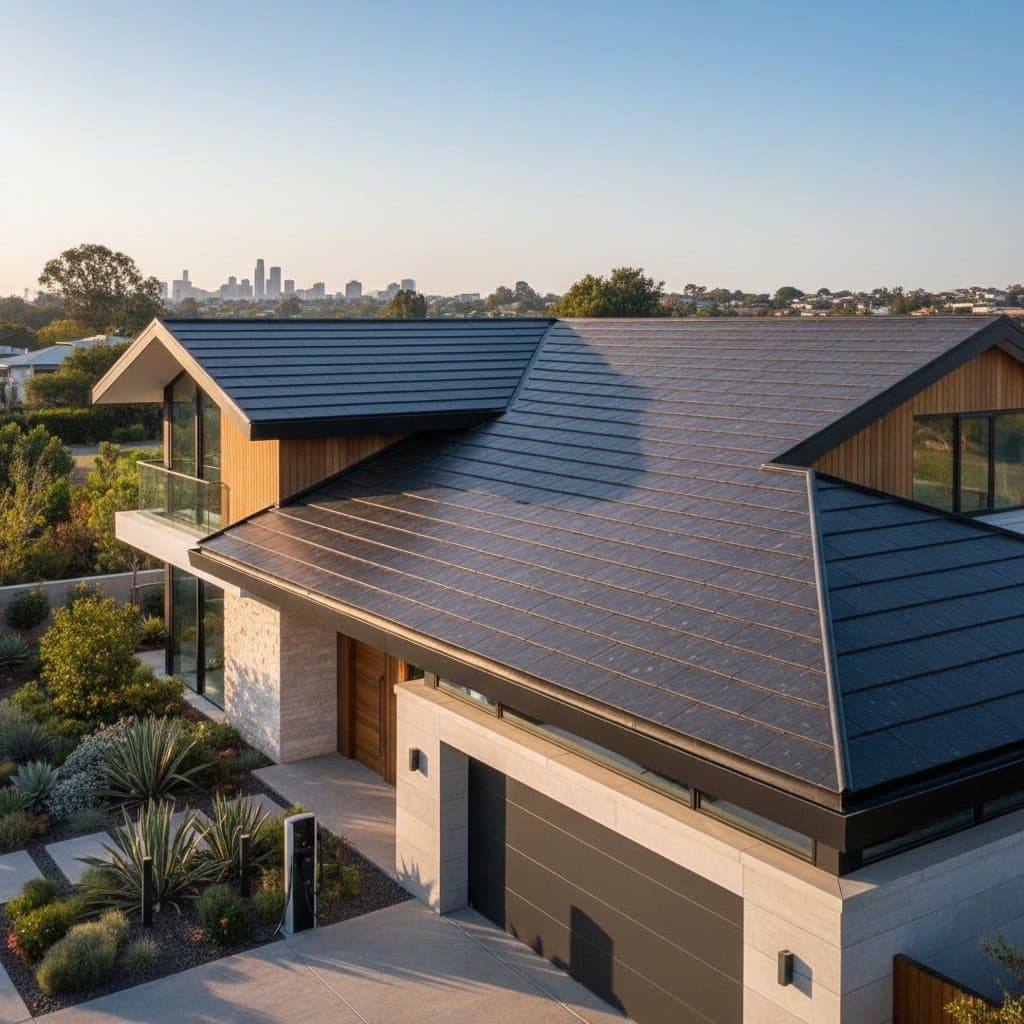
Picture a roof where each shingle contributes to electricity production while shielding the home from the elements. Without visible racks or protruding panels, the result resembles high-end conventional roofing. This approach, previously limited to specialized projects, now offers practical options for widespread adoption.
Financial and Environmental Value of Integrated Systems
Generating renewable energy extends beyond ecological benefits; it forms a core component of household financial planning. Solar shingles decrease dependence on utility power and offset 40 to 70 percent of a home's energy use, varying by roof size, regional weather, and consumption patterns. Payback periods typically span 8 to 12 years, with ongoing savings amplified by the system's unobtrusive design.
For those planning a roof replacement, the gap between standard premium roofing and solar-integrated options continues to shrink. This unified approach consolidates the costs of roofing and solar installation into a single, efficient investment.
Mechanics of Solar Shingle Technology
Photovoltaic shingles incorporate thin-film or crystalline silicon cells directly into durable roofing composites. Sunlight striking the shingles triggers electron movement, producing direct current that wiring channels to an inverter for conversion to usable alternating current. This power integrates into the home's electrical grid, with surplus energy directed to batteries or returned to the utility under applicable net metering policies.
Market leaders include two primary categories:
- Crystalline Silicon Shingles: Structured similarly to conventional panels, these achieve efficiencies of 18 to 22 percent and endure for decades.
- Thin-Film Shingles: With efficiencies around 10 to 15 percent, they offer reduced weight, greater flexibility, and adaptability to irregular rooflines.
Advancements ensure these shingles match the weatherproofing of asphalt or metal roofs, often warrantied for 25 years or longer.
Cost Analysis and Investment Returns
Standard roof replacements cost 8 to 15 dollars per square foot, influenced by material choices and location. Solar shingle installations range from 20 to 35 dollars per square foot, encompassing both protective and generative functions.
Households facing monthly bills of 150 to 250 dollars stand to save 1,500 to 3,000 dollars yearly through reduced utility payments. Across 20 years, these savings accumulate to 30,000 to 60,000 dollars. Federal tax credits, state rebates, and local incentives further accelerate recovery of initial outlays.
Properties equipped with solar features command premiums of 3 to 5 percent over similar non-solar homes, according to real estate analyses.
Leading Products and Market Options
Tesla popularized integrated solar roofing, yet diverse alternatives cater to varied budgets, styles, and installation needs.
Tesla Solar Roof: Featuring tempered glass tiles that blend fully with the roof, this system excels in efficiency and visual appeal, ideal for complete overhauls.
GAF Energy Timberline Solar: Compatible with asphalt shingles, it enables quicker setups by standard roofing professionals, minimizing specialized labor.
CertainTeed Apollo II: Versatile for new constructions or retrofits, these maintain a classic aesthetic alongside robust performance.
SunTegra and Luma Solar: These brands emphasize modular designs that pair with multiple roofing types, supporting targeted or partial applications.
Homeowners benefit from comparing efficiency ratings, warranty terms, local installer networks, and compatibility with existing architecture.
Essential Site and System Factors
Several elements influence the success of a solar shingle installation:
- Orientation and Slope: South-facing roofs with 15- to 40-degree pitches maximize solar capture; deviations reduce output by 10 to 20 percent.
- Shading Assessment: Nearby foliage, vents, or structures diminish yield; site audits by experts pinpoint potential losses.
- Structural Integrity: Install only on sound roofs; compromised substrates necessitate repairs to avoid future expenses.
- Energy Management: Batteries enhance self-sufficiency but raise costs; assess if grid-tied offsetting suffices for your needs.
- Regulatory Compliance: Navigate varying codes through contractors versed in roofing and photovoltaic standards.
Sustaining Performance Over Time
Integrated designs simplify upkeep by minimizing exposed components prone to wear. Periodic rinsing removes accumulated particles, preserving output in arid regions.
Annual efficiency loss averages 0.5 percent, allowing systems to deliver over 80 percent of initial capacity after 25 years. Comprehensive warranties from reputable makers safeguard this reliability.
Broader Impacts on Living and Sustainability
Solar shingles enhance indoor environments through superior thermal barriers that stabilize temperatures and ease heating or cooling demands. This reduces reliance on mechanical systems, fostering better air quality and occupant comfort.
On a planetary scale, these installations displace fossil fuel generation, averting multiple tons of carbon emissions per system lifetime. Such choices empower individuals to support wider climate goals without sacrificing design preferences.
Navigating Industry Trends and Timing
Rapid progress in materials, policy support, and buyer preferences broadens access to solar roofing. Insurers and financiers increasingly view these upgrades as assets that bolster resale value.
Rising energy prices enhance viability, while short-term residents might prefer rack-mounted panels for quicker, lower-cost implementation. Align selections with your residency duration and budgetary outlook.
Steps to Adopt Solar Shingles
Start by consulting certified professionals for tailored assessments. Solicit bids from roofing and solar experts, contrasting integrated solutions with separate installations. Demand projections grounded in your roof's dimensions, sunlight exposure, and usage profile.
If a roof refresh looms, integrate solar elements to convert routine maintenance into enduring gains. Partial or hybrid configurations offer entry points for those avoiding full-scale changes.
Financing avenues include loans for energy upgrades, tax incentives, and community programs that tie payments to property taxes. Structure deals so that immediate savings cover installments.
Embracing this fusion of protection and production elevates homes to efficient, resilient standards. Thoughtful implementation yields spaces that endure while generating tangible rewards.