Key Points
- Geothermal heating and cooling costs have dropped substantially, making renewable systems more accessible for homeowners.
- Modern ground-source heat pumps reduce heating and cooling bills by up to 60 percent while improving indoor comfort and air quality.
- Installation costs vary based on soil type, home size, and available land, but long-term savings and durability often offset the upfront expense.
- Government incentives and improved drilling methods encourage broader use, balancing sustainability with financial benefits.
Understanding Current Affordability
Homeowners now see utility bills cut in half thanks to geothermal progress. Ground-source heat pumps match the performance of top-tier furnaces and air conditioners. Recent industry trends highlight this change, fueled by lower prices.
A 50 percent drop in system costs calls for prompt evaluation of upgrades. Property owners need to consider how these changes apply to their situations. The sections ahead clarify this evolution.
Residential Benefits of Geothermal Systems
Geothermal systems move heat instead of burning fuel to create it. They draw on steady underground temperatures to provide winter heating, summer cooling, and year-round hot water. This method taps earths renewable thermal energy, cutting carbon emissions and running expenses significantly.
Financial gains build over time. Traditional HVAC units last about 15 years, but properly installed geothermal systems run for 30 years or longer with minimal maintenance. On the environmental side, these setups lessen dependence on fossil fuels and improve indoor air by skipping combustion.
This mix delivers outstanding comfort, savings, and green impact, appealing to those who value sustainability and smart long-term choices.
Critical Planning Considerations
Before installation, homeowners evaluate key factors to maximize efficiency and control costs.
-
Site Conditions
Soil composition, groundwater levels, and land space determine loop types, like vertical or horizontal. Rocky ground increases drilling costs, while open areas allow cheaper horizontal layouts. -
Heating and Cooling Demands
Bigger homes or those in extreme climates require more capacity, affecting loop length and unit size. An energy audit helps size the system correctly, avoiding overspending or underperformance. -
Compatibility with Existing Infrastructure
Adding geothermal to older homes might involve duct adjustments or electrical upgrades. New constructions integrate easily, and retrofits work well with careful planning. -
Local Regulations and Incentives
Permitting varies by region, and many places offer rebates or tax credits to ease upfront costs. Check eligibility requirements prior to any commitments.
Breaking Down Costs and Return on Investment
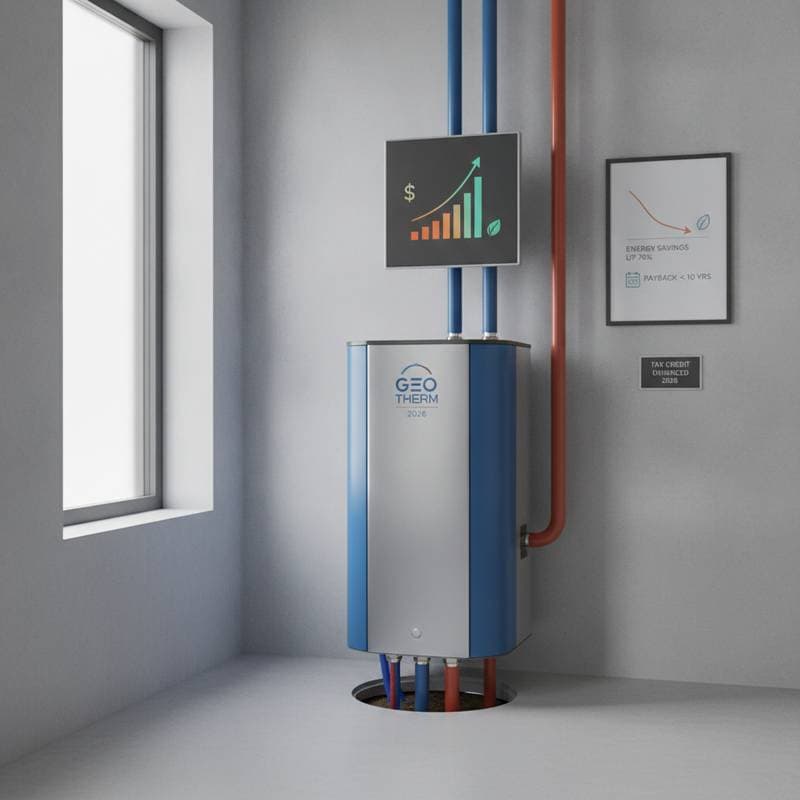
Past geothermal installations carried high price tags that differed by area. Advances in drilling, materials, and manufacturing have slashed total costs by about 50 percent in numerous locations. Typical home systems now cost similarly to high-end HVAC options.
Review this breakdown:
- Entry-Level Residential Systems: Match the cost of a quality furnace plus air conditioner.
- Mid-Range Setups: Slightly higher, depending on loop design and soil factors.
- Premium Configurations: Ideal for large or complex properties, with strong returns from energy cuts.
Payback periods range from 5 to 10 years, shaped by local energy prices and rebates. After that, the system provides economical operation for decades. Factor in low maintenance, fewer repairs, and boosted home value from efficiency, and geothermal outshines other energy solutions.
System Integration and Design Choices
Though mostly below ground, the systems design influences home use and aesthetics. Consider these options:
- Vertical Loops: Best for small lots, using deep wells that minimize surface disruption.
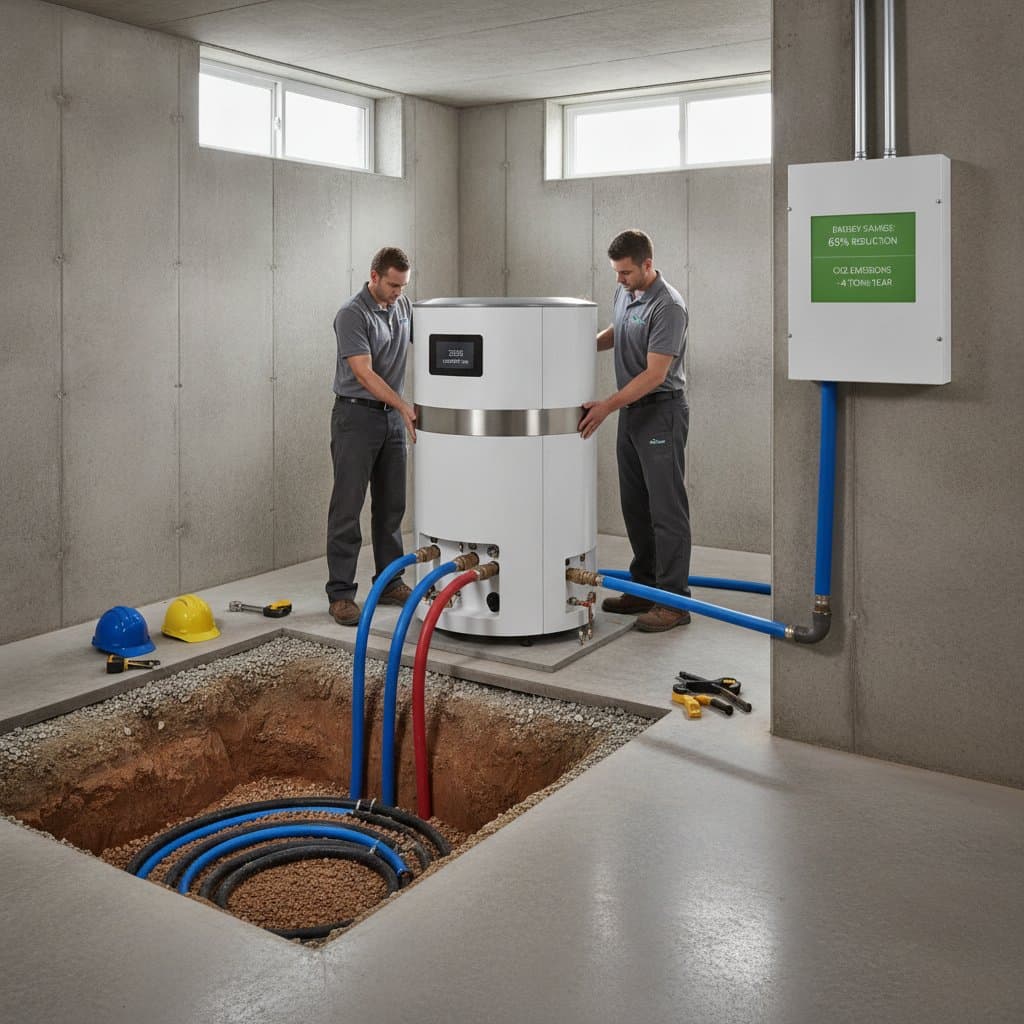
- Horizontal Loops: Involve trenches over open land, suitable for rural or suburban sites.
- Water Loops: Cost-effective near ponds or lakes, using water stability for better performance.
- Direct Exchange Systems: Run refrigerant through buried copper pipes for compact, fast heat transfer.
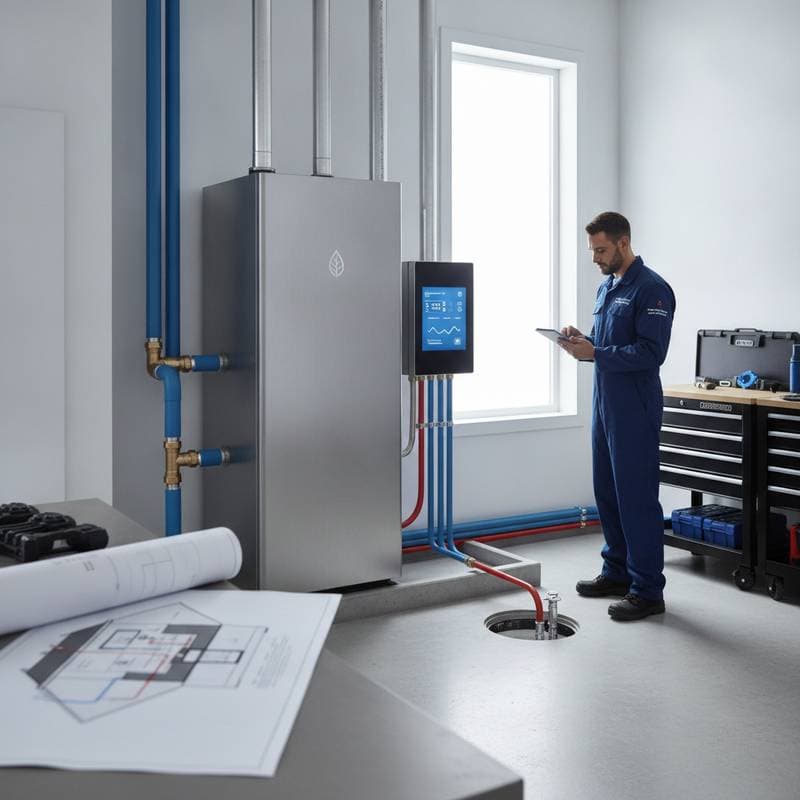
Inside the home, connections link to standard ducts or radiant floors. The indoor component looks like a typical furnace but operates quietly without emissions.
Reliability and Eco-Friendly Features
Geothermal systems stand out for dependability and lifespan. They deliver steady comfort using consistent underground temperatures, immune to outdoor weather shifts. Efficiencies often exceed 400 percent, generating four units of heat or cool per unit of electricity used.
Other green benefits include:
- Low Emissions: No burning means no carbon monoxide risks or exhaust fumes.
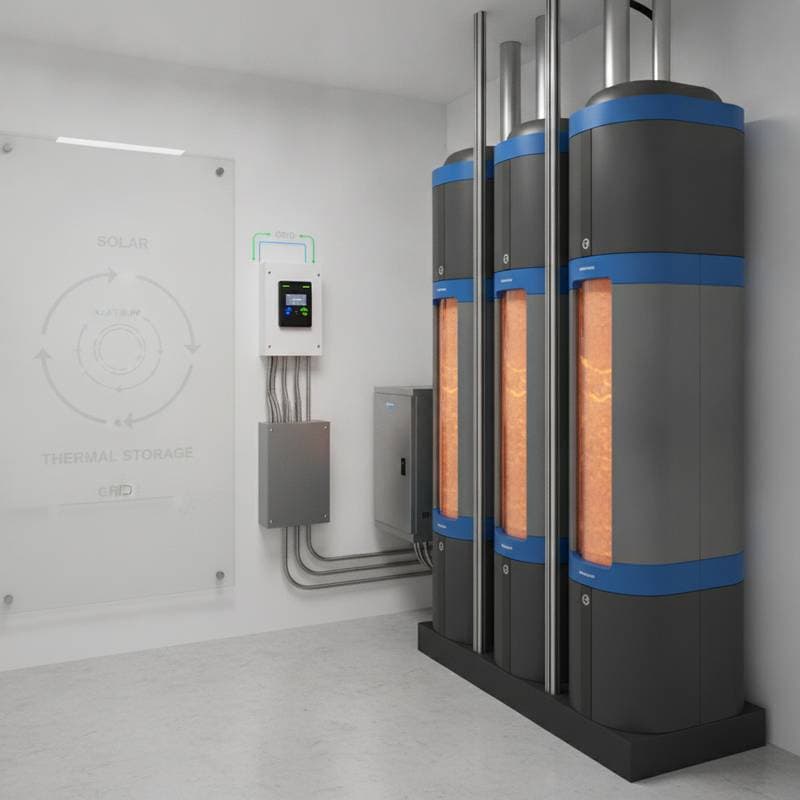
- Renewable Pairing: Works well with solar setups to nearly eliminate operating costs.
- Long Life: Ground loops last up to 50 years, and pumps double the duration of conventional units.
- Cleaner Air: No fuel combustion cuts indoor pollutants and allergens.
These qualities make geothermal a robust, future-proof choice for home energy needs.
Handling Installation Challenges
Every project brings unique issues. Planning for them leads to smoother results.
- Soil Properties: Dense clay or rock calls for heavy-duty tools, which may increase costs.
- Access Constraints: Tight urban spaces need creative loop placements.
- Professional Expertise: Certified installers ensure precise design and execution in ground-source tech.
- Maintenance Plan: Annual inspections, though infrequent, keep efficiency high.
Tackling these early matches budgets to real expectations and desired outcomes.
Frequently Asked Questions
How long does installation take?
Residential jobs wrap up in a few weeks, based on drilling needs and weather. Phases cover loop installation, equipment setup, and interior wiring.
Can these systems handle extreme cold?
Yes. Ground stability supports operation in freezing conditions.
Is retrofitting feasible for older homes?
Yes. Duct changes might be needed, but it integrates during HVAC refreshes or remodels.
What maintenance is required?
Change filters regularly and monitor fluid and pressure. Professional checks every one to two years sustain top performance.
Are the systems noisy?
No. They run silently, unlike outdoor units or loud fans.
Getting Started with Geothermal
Start with a professional site evaluation to verify fit. Then, explore funding via incentives and gather bids from qualified installers. Once chosen, oversee the work to match plans.
After setup, monitor savings and maintain routinely. This approach reduces expenses, raises home worth, and improves comfort for years.